Glaskogen, Nature reserve in Värmland, Sweden
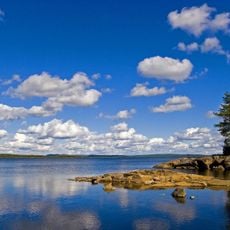
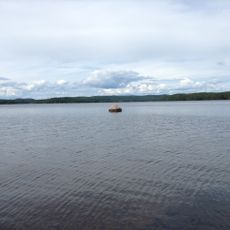
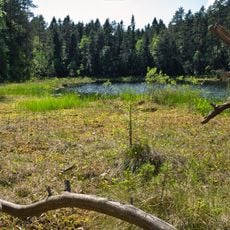
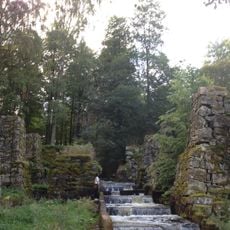
Glaskogen is a nature reserve in Värmland with extensive forests, hills, and numerous lakes that shape the landscape. Networks of hiking trails and water routes connect these different areas and allow visitors to explore in different ways.
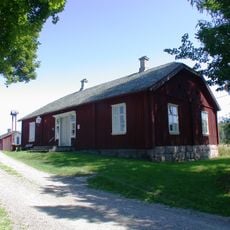
Glaskogen was first settled by Finnish immigrants in the late 1500s, who cleared land by burn-beating and grew grain in the valleys below their hillside huts. The name appears in print from 1610, and the oldest preserved building is a bathhouse near Mörtnäs, dated to about 1638. Värmland's county administration declared the reserve on 28 October 1970; the Gla Forest Foundation, run by Arvika, Eda, Säffle and Årjäng, took over its care in 1972.
Glaskogen was first settled in the late 1500s by Finnish immigrants, who according to legend arrived with only a knife, an axe and a loonskin filled with rye grains. They practised burn-beating, living in small huts on the high ground while growing grain in the valleys below. Finnish influence lingered in the local dialect until the 1940s, especially in the consonants b, p, d, t, g and k.
A visitor card is required for any stay in Glaskogen, and the proceeds go to the reserve's upkeep. Primitive overnight spots with open wooden huts, fire pits and pit toilets are scattered through the forest, while the village of Lenungshammar in the reserve's centre has a campsite, supermarket, information centre and canoe rental. The terrain is hilly and the trail network totals about 300 km, so carry a map.
Glaskogen's name comes from the Finnish settlers of the late 1500s, who cleared forest by burn-beating; the oldest surviving building is a bathhouse near Mörtnäs, thought to date from 1638. Finnish influence lingered in local dialect consonants until the 1940s.
The community of curious travelers
AroundUs brings together thousands of curated places, local tips, and hidden gems, enriched daily by 94,218 contributors worldwide.