Roma Abbey, Cistercian monastery ruins in Roma, Gotland, Sweden
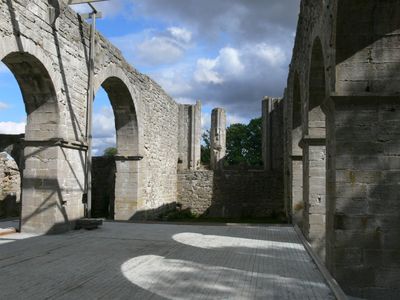
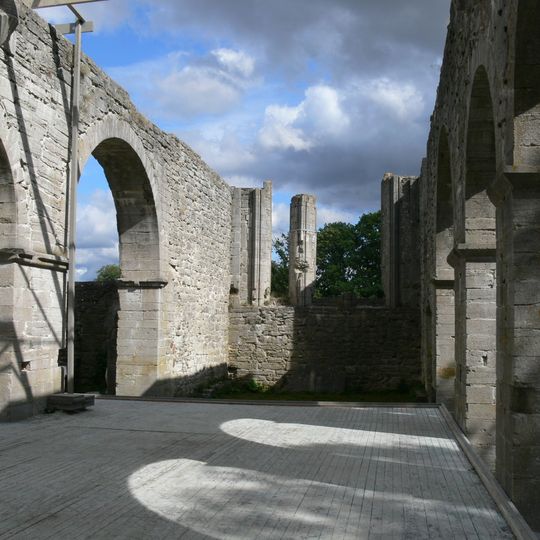
Roma Abbey consists of monastery ruins featuring a three-nave basilica with a transept, displaying the typical architectural style of medieval Cistercian design. The complex reveals the layout and structural organization of a religious community that flourished here centuries ago.
The monastery was founded in 1164 by monks from Nydala in Småland and became one of Sweden's wealthiest religious houses by the 1200s. This prosperity left its mark on the building's scale and the monastery's influence across Gotland.
The Latin name Sancta Maria de Gutnalia refers to the Gutnal thing, the island-wide assembly held here before the abbey was founded. The abbey church now serves as an open-air theatre for the Romateatern ensemble, a summer tradition begun in 1989 that draws up to 25,000 visitors a year.
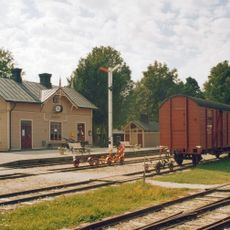
The site is publicly accessible and maintained by the National Property Board of Sweden, with information panels explaining the monastery's history and layout. Wear appropriate footwear and bring weather-ready clothing, as the ruins are outdoors and paths can be uneven.
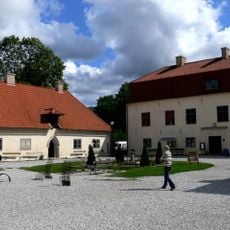
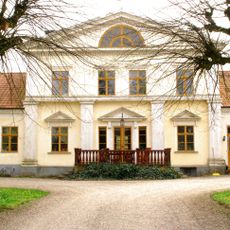
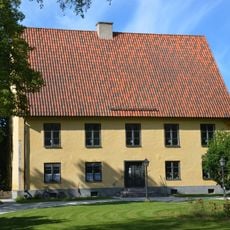
The summer theatre in the ruins was started in 1989 by the ensemble Romateatern, which still performs in the roofless church. The organisers report up to 25,000 visitors a year. The manor house nearby, built in 1733 for the crown estate, reuses medieval portals taken from the abbey.
The community of curious travelers
AroundUs brings together thousands of curated places, local tips, and hidden gems, enriched daily by 93,950 contributors worldwide.