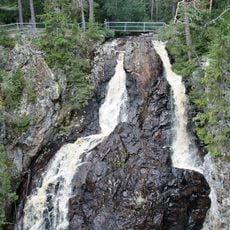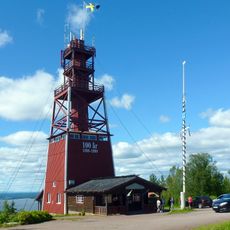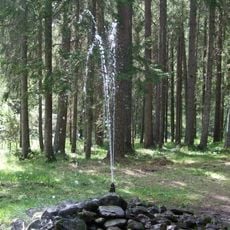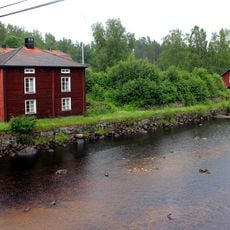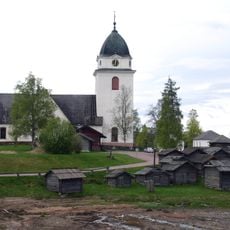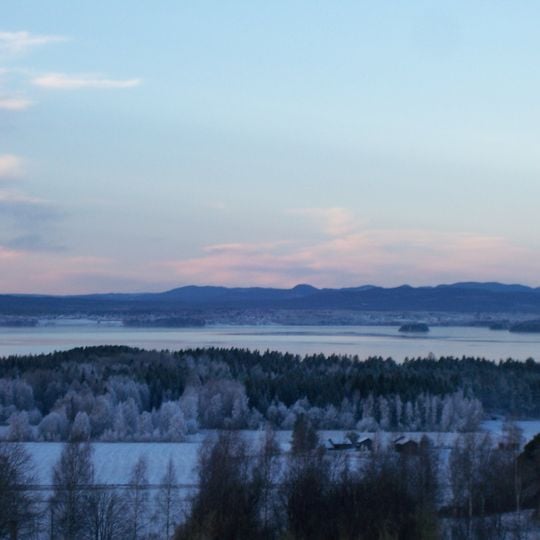
Siljan Ring, Impact structure in Dalarna County, Sweden.
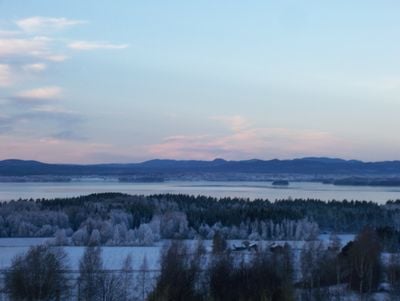
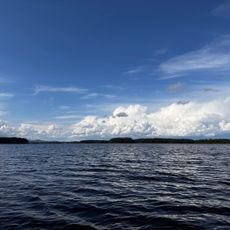
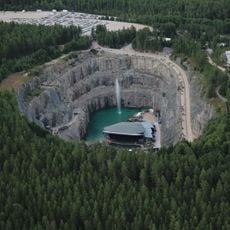
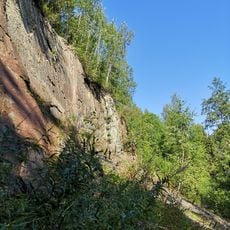
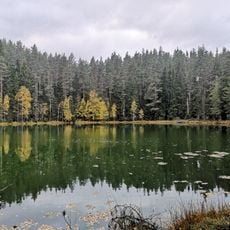
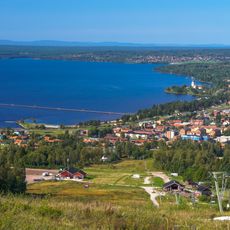
Siljan Ring is a circular geological formation in central Sweden about 52 kilometers across that contains the large Lake Siljan and several connected water bodies. The area is surrounded by forested hills that slope steeply to the shoreline, creating a distinctive bowl-shaped landscape.
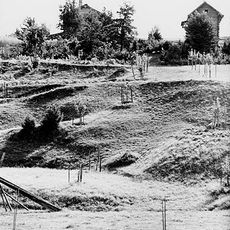
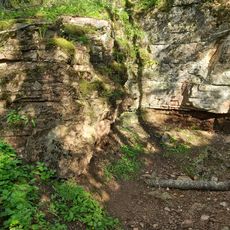
A meteorite struck this location 377 million years ago during the Late Devonian period, creating one of Europe's largest known impact craters. The massive collision altered rock layers deeply and eventually shaped the geographic features visible today.
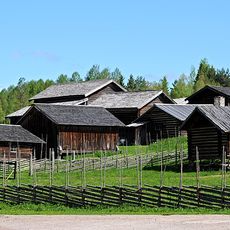
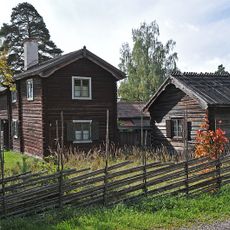
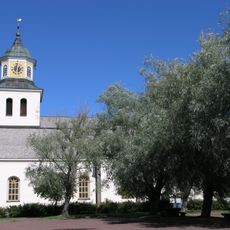
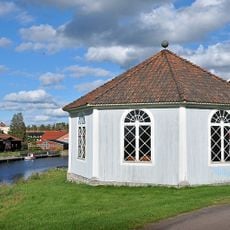
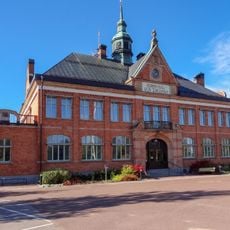
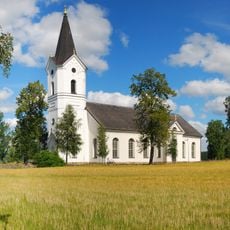
The settlements surrounding the lake, such as Mora and Leksand, showcase local traditions through seasonal festivals, craft markets, and regional cooking found in village restaurants and community gatherings.
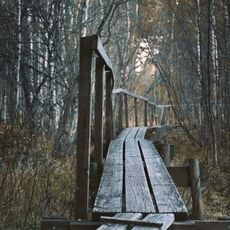
To explore the region, visitors use marked trails around the lake and bus services from nearby towns. The best season is May through September when paths are clear of snow and daylight hours are long.
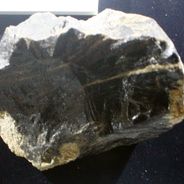
Deep drilling samples 500 meters below the surface revealed fossilized fungi, showing that complex life survived in the fractured rocks following the impact. These discoveries are uncommon and suggest how early organisms adapted to harsh conditions in damaged landscapes.
The community of curious travelers
AroundUs brings together thousands of curated places, local tips, and hidden gems, enriched daily by 91,673 contributors worldwide.