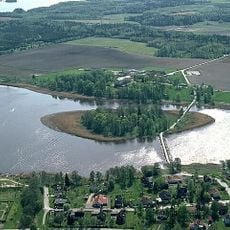
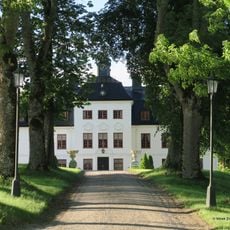
Dylta bruk, Former sulfur and red-paint works in Örebro Municipality, Sweden
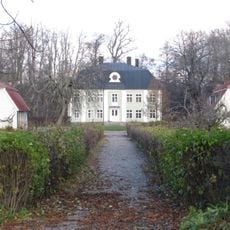
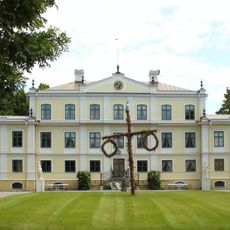
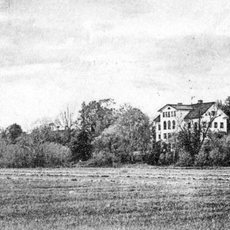
Dylta bruk is an industrial complex with wooden buildings in a palace style, built over several periods. The main structure dates from the 1740s with significant renovations in the 1850s, while surrounding buildings include workshops and worker housing from different eras.
The sulfur works was established in the latter half of the 16th century, and in 1586 the alum master Bastian Heisler arrived from Germany to start alum production there. From 1631 the works were run by the same family, when Hans Leffler leased them from the Crown. In 1649 Queen Kristina granted the works as a fief to Henrik Barckhusen, and through his daughter's marriage to Casten Feif and then to Samuel Åkerhielm in 1739, the estate stayed with the Åkerhielm family for 275 years until 2014.
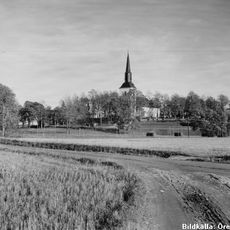
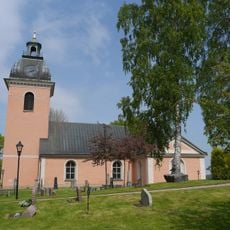
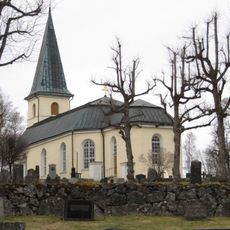
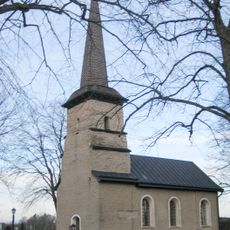
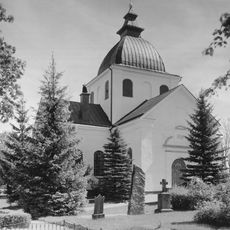
The name Dylta bruk refers to the former sulfur and red-paint works. The estate formed its own chapel congregation, Dylta bruksförsamling, from 1575 to 1819, separate from Axbergs parish. The bell tower from the demolished church still stands, moved from its original spot beside the corps de logis, and the cemetery remains in the avenue.
The site is a private estate, so access to the buildings and grounds is not open to the public. The cemetery remains in the avenue, and the bell tower, moved from its original spot beside the corps de logis, still stands. Visitors should respect the private property and view the site from public paths.
The 1649 privileges granted to the works stipulated that the royal family could stay there free of charge during epidemics, since the sulfur smoke was believed to keep the site free of infection. The same charter obliged farms in Axberg, Kil and Hovsta parishes to supply firewood and sell charcoal to the works; the state bought out this privilege in 1869.
The community of curious travelers
AroundUs brings together thousands of curated places, local tips, and hidden gems, enriched daily by 93,932 contributors worldwide.