Horndals bruk, Industrial heritage site in Avesta Municipality, Sweden.
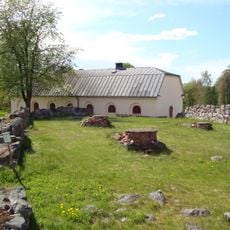
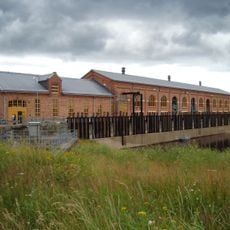
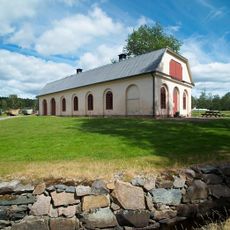
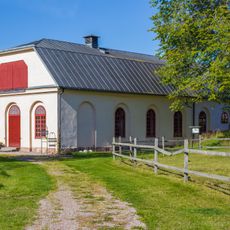
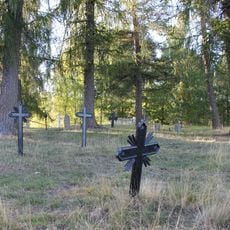
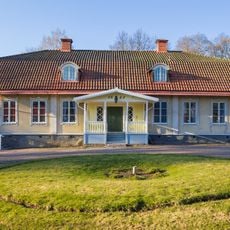
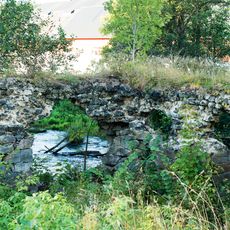
Horndals bruk is a former iron production site in Avesta with preserved smelting furnaces, foundries, and workshop buildings spanning several centuries. The grounds show how a working factory was spatially organized with structures for manufacturing, storage, and worker administration.
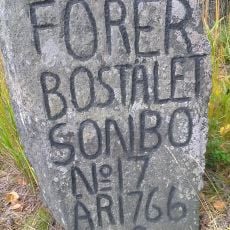
Isaac Kock, mint master at Avesta, began buying the furnace and two hammers from the village farmers in 1650 and received privileges in 1652. The works survived the 1688 closure of hyttor and hamrar and produced about 200 tonnes of bar iron a year in the 1700s. In 1886 its fifteen-hearth Lancashire forge was the world's largest under one roof; the works closed in 1979.
The site shows how iron making shaped daily life here and brought skilled workers from different backgrounds together. This community of craftspeople left visible marks in how the buildings and workshops are arranged.
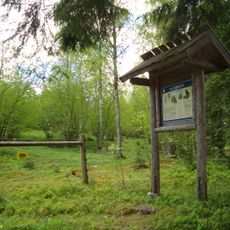
The grounds are accessible year-round for walking between the historical buildings. Guided tours help visitors understand the different production areas and their purposes.
The site is known for the Horndal Effect, a phenomenon from the early 1900s when production increased without extra investment. This observation later became important to economics, showing how worker knowledge and experience drove improvements.
The community of curious travelers
AroundUs brings together thousands of curated places, local tips, and hidden gems, enriched daily by 94,458 contributors worldwide.