The iron factory Lögdö bruk, Iron factory and cultural reserve in Timrå, Sweden
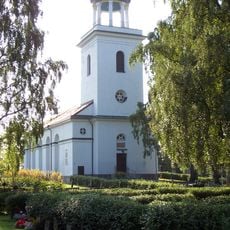
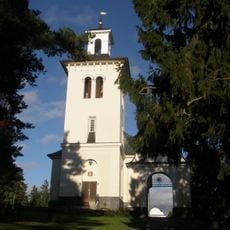
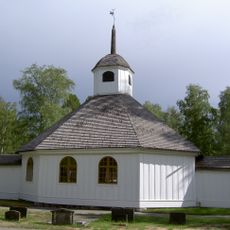
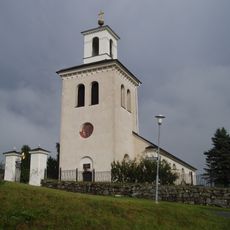
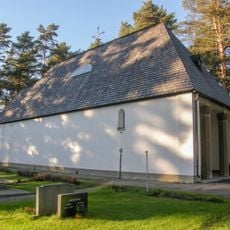
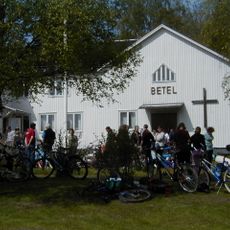
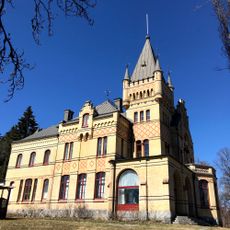
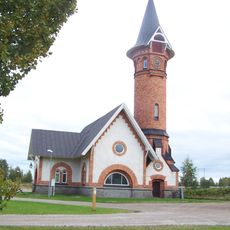
Lögdö bruk is a former ironworks in Hässjö parish, Timrå Municipality, on the bank of the Ljustorpsån. Its blast furnaces stood at Masugnsbäcken about a kilometre west, while mills and hammers worked at Aspån about a kilometre east. The site also kept a chapel where Anders Ångström's father served as brukspräst.
Lögdö bruk was established in 1685 at the initiative of the magistrate Petter Westberg. Local ore proved poor, so ore was brought from southern Sweden. Russian troops burned towns along the northern Swedish coast during the Great Northern War, but the works was spared. Low profitability led to its closure in 1876.
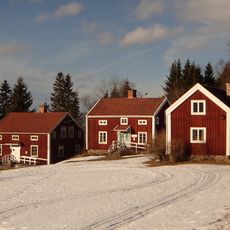
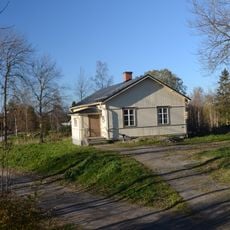
The site reflects centuries of working life and community bonds, visible in the preserved homes and chapel where factory families lived together. The layout of buildings shows how production, family life, and faith were intertwined in the industrial settlement.
The site lies in Hässjö parish, Timrå municipality, on the bank of Ljustorpsån, with the blast furnaces at Masugnsbäcken about a kilometre west and the mills and hammers at Aspån about a kilometre east. Plan to cover these separate spots on foot, and wear sturdy shoes for the forest ground between them. All industrial and agricultural activity ended in the early 20th century, so the buildings stand as a cultural reserve rather than a working site.
The physicist Anders Jonas Ångström, whose name was given to the unit of length, was born at Lögdö bruk in 1814; his father served there as the works chaplain. The site was spared when Russian troops burned towns and villages along the northern Swedish coast at the end of the Great Northern War.
The community of curious travelers
AroundUs brings together thousands of curated places, local tips, and hidden gems, enriched daily by 94,426 contributors worldwide.