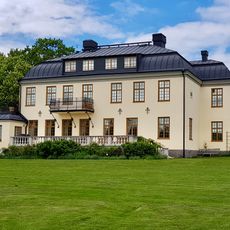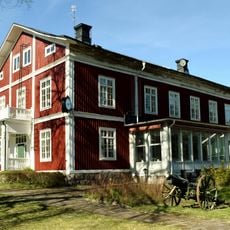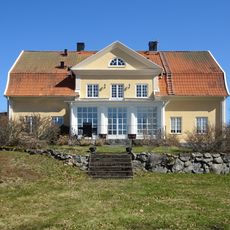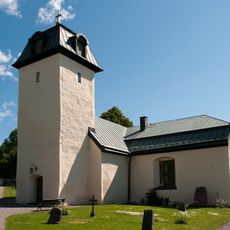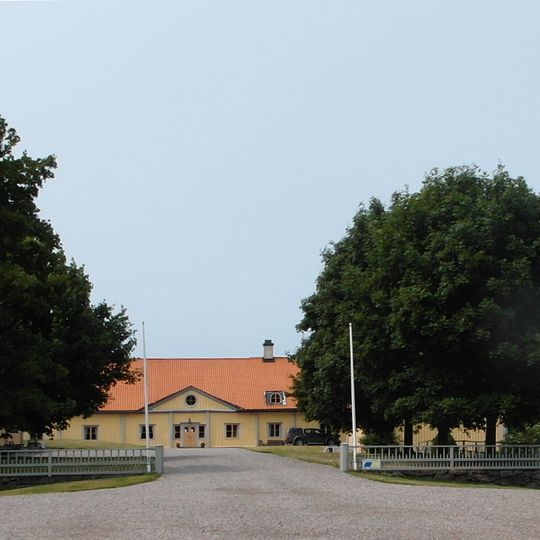
Ånhammar, Historic timber building in Gnesta Municipality, Sweden.
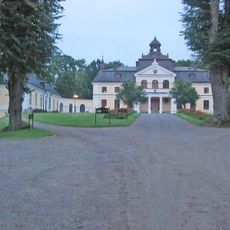
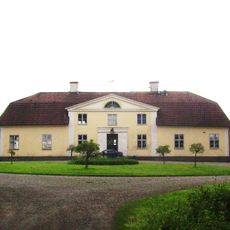
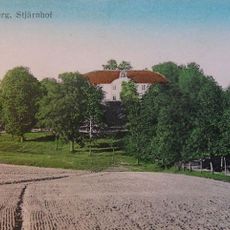
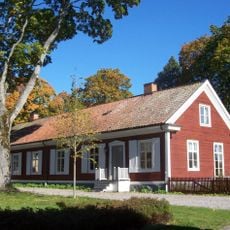
Ånhammar is a manor and former säteri in Gryts socken, Gnesta Municipality, between lakes Dunkern and Misteln. Its main building is a single-storey timber house raised in 1638 in Karolinian style; most of the exterior, with its hipped roof, dates from the early 18th century. The front was panelled in 1864 and the wings in 1912.
Ånhammar is first mentioned in writing in 1366, as 'johanne in vnambre'. It received säteri privileges in the 1630s under Henrik Stöör, and the main building was erected in 1638 in Karolinian style. From the 17th century the estate belonged to the Skytte, Cruus, Fleming and Fleetwood families, who sold it in 1785 to Joachim Daniel Wahrendorff; it remained with the von Stockenström family in 2017.
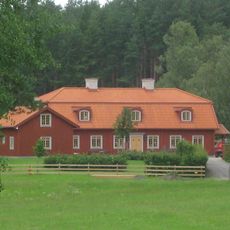
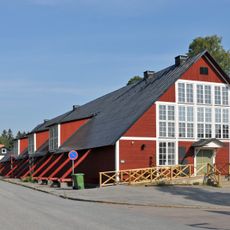
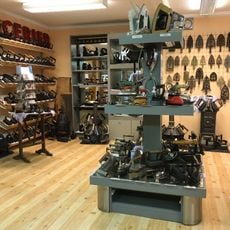
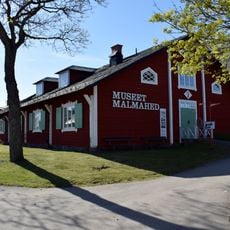
Ånhammar is one of the stops on the Åkers bergslag ecomuseum route, and the estate's own farm museum, assembled by Anders von Stockenström and his wife Elisabeth from the 1950s, holds around 2,000 objects: carriages, farm implements, tools and machines. West of the barns stand a 17th-century timber fatabur, a storehouse, and a pörte moved here from Glömnäs.
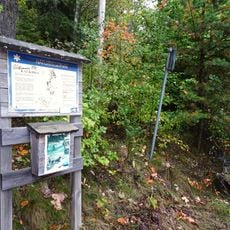
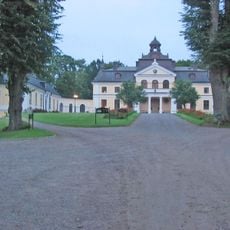
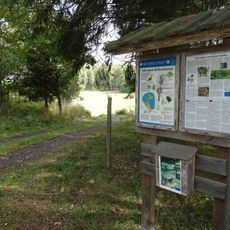
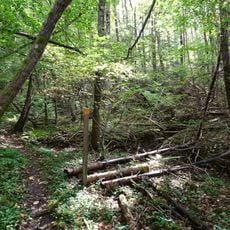
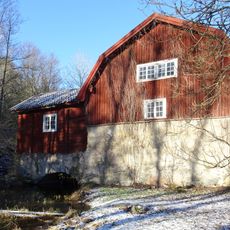
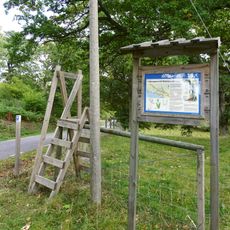
The estate lies in Gryts parish by lakes Dunkern and Misteln, and the Sörmlandsleden trail passes it between stages 18 and 19. The drive to the manor passes the older farmyard, separated from the manor by a fence, with the 1837 granary at the entrance. The farm museum in the granary holds around 2,000 objects.
The estate museum in the 1837 granary was assembled by Anders von Stockenström and his wife Elisabeth from the 1950s, and holds around 2,000 objects: carriages, farm implements, tools and machines. West of the barns stand a 17th-century timber fatabur and a pörte moved here from Glömnäs.
The community of curious travelers
AroundUs brings together thousands of curated places, local tips, and hidden gems, enriched daily by 95,235 contributors worldwide.