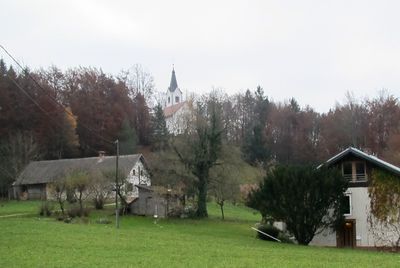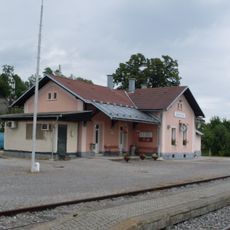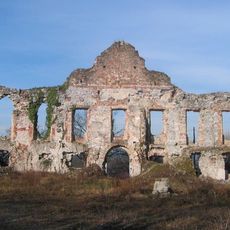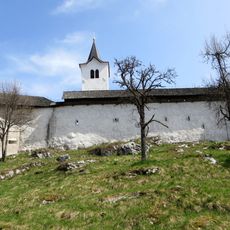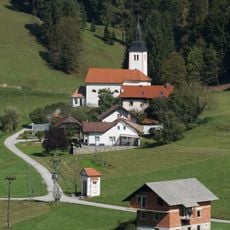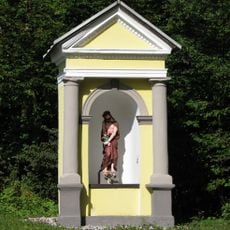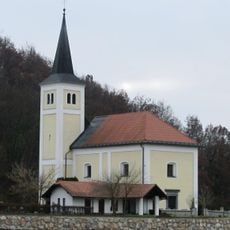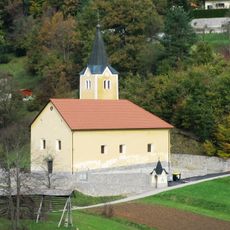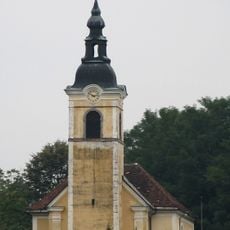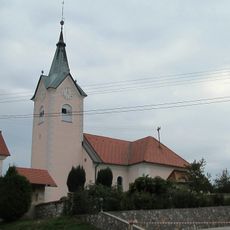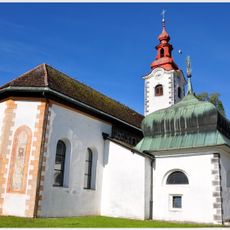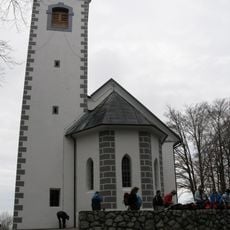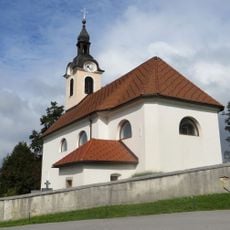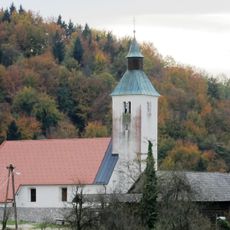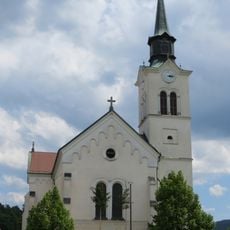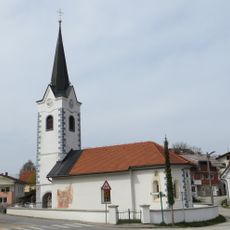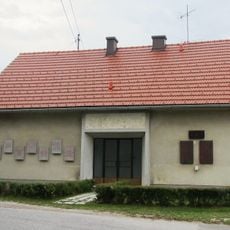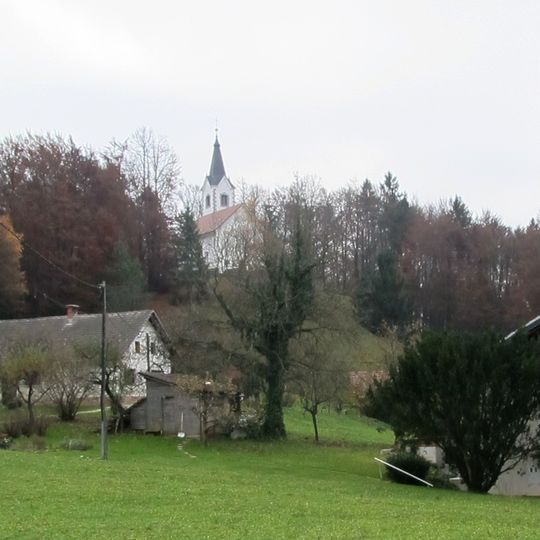
Magdalenska gora, Archaeological site in Zgornja Slivnica, Slovenia.
Magdalenska gora is an archaeological site located on a ridge with around 28 burial mounds and the remains of ancient settlements spread across upper and lower plateaus at about 505 meters elevation. Bronze tools, weapons, and decorated ceramics have been found during excavations that revealed how people lived here across different periods.
The site was inhabited from the 11th century BCE through Roman times, showing how communities developed over more than a thousand years. Excavations brought to light weapons and military equipment from the Iron Age, indicating this location held strategic importance.
Decorated vessels called situlae show scenes of social gatherings and rituals from ancient times, while a four-armed cross with horse head designs became a symbol for the local municipality. These objects reveal how people here expressed their beliefs and social identity through art.
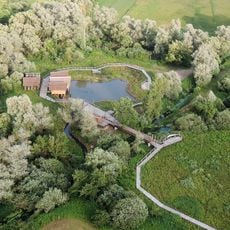
An Archaeology Study Road features eight information points that explain the regional history and artifacts found during excavations. Visitors can walk the path through the hilly area to see the layout of burial mounds and understand what was discovered.
Artifacts from this site are now housed in museums across three different countries: Slovenia's National Museum, Harvard University in the United States, and institutions in Vienna. This unusual distribution reflects how important discoveries here were and how knowledge about the site spread worldwide.
The community of curious travelers
AroundUs brings together thousands of curated places, local tips, and hidden gems, enriched daily by 92,158 contributors worldwide.