Lelesz Abbey, abbey in Slovakia
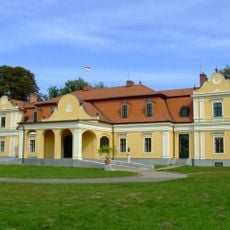
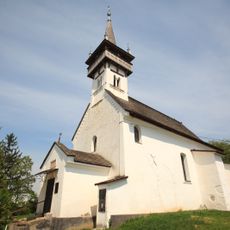
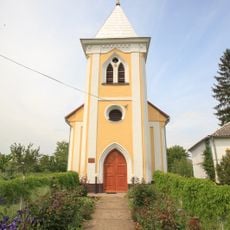
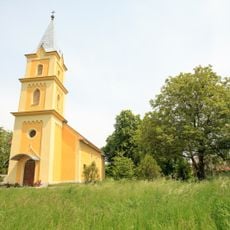
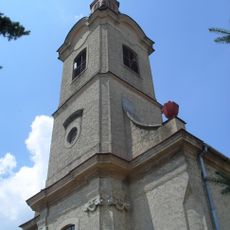
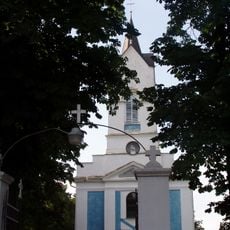
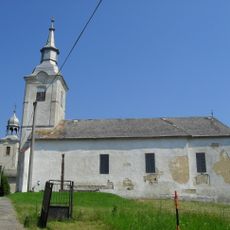
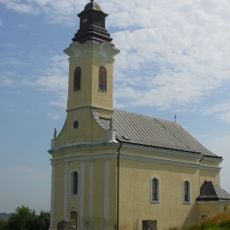
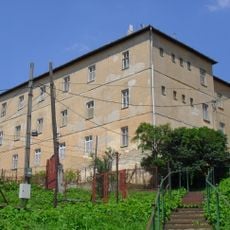
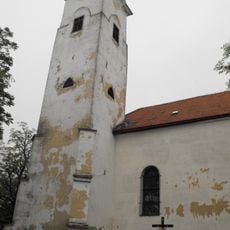
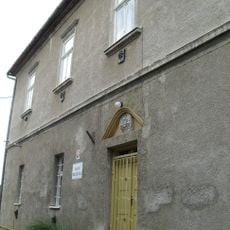
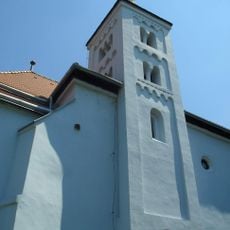
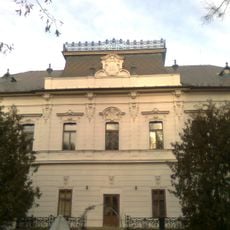
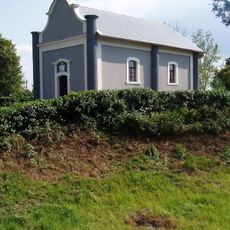
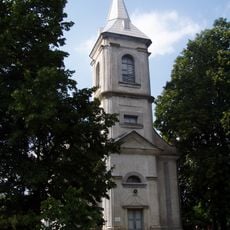
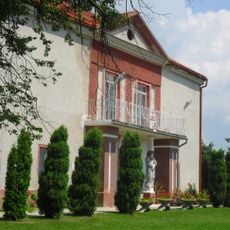
Lelesz Abbey is a fortified Premonstratensian monastery complex on a raised plateau outside Leles. Its white church tower and massive convent building with a tower gate are visible from afar. The complex includes the Church of the Finding of the Holy Cross and the Chapel of St. Michael, with Gothic and Baroque elements.
Bishop Boleslav of Vác founded the abbey around 1188, giving it estates in Zemplén and Szabolcs counties; King Andrew II confirmed the foundation in 1214. The Tatars sacked it in 1241, and a Gothic church and east wing were built between 1315 and 1366. It served as a place of authentication from the 13th century until 1567, was fortified with stone walls in 1533, and was dissolved under Joseph II in 1787 before the Premonstratensians returned in 1802.
The abbey's name comes from the village of Leles, first recorded as Leles in a 1252 charter. From the 13th century until 1567 it served as a locus credibilis, a certified place where official documents for the whole Zemplín region were kept and validated. The monastery also ran a scribal school training students to draft such charters.
The abbey stands on a raised plateau just outside Leles village, its white church tower and fortified convent visible from a distance. The complex is reached on foot from the village, and the grounds include the church, the Chapel of St. Michael and the former convent wings. The site is an active archaeological location, so some areas may be fenced off.
The monks who lived here spent their days copying manuscripts and managing the surrounding land, a practice that shaped the local area for centuries. This connection between monastic life and the working landscape remains visible in how the grounds are organized today.
The community of curious travelers
AroundUs brings together thousands of curated places, local tips, and hidden gems, enriched daily by 94,120 contributors worldwide.