São Tomé, Capital city in Água Grande district, São Tomé and Príncipe
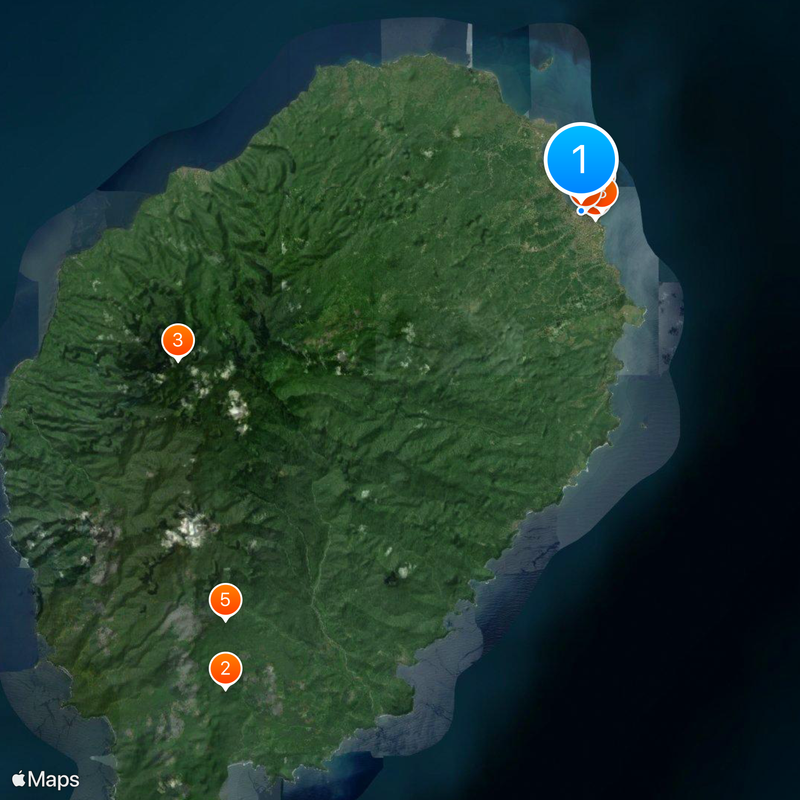
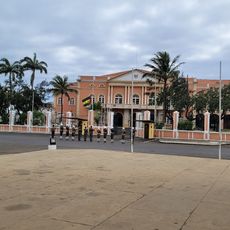
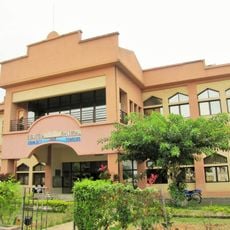
São Tomé is the capital city in Água Grande district on the island of the same name in the Gulf of Guinea. The city stretches along Ana Chaves Bay and shows a mix of paved streets, government buildings, and residential areas with low-rise houses.
Portuguese sailors founded the settlement in the late 15th century as a stopover for ships along the African coast. In the 16th century the city developed into a center for sugar cultivation before cocoa later became the main crop.
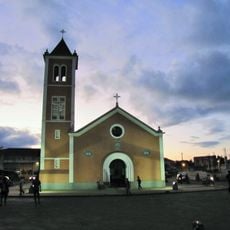
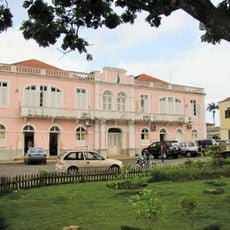
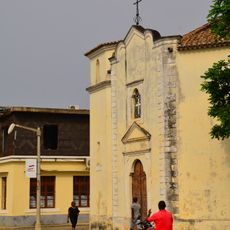
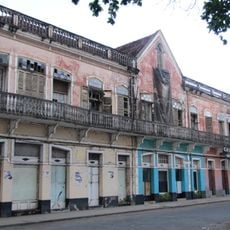
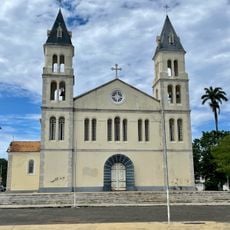
The name São Tomé comes from Saint Thomas, whose feast day coincided with the island's discovery. Today the streets still show many pastel-colored houses with verandas and balconies that recall Portuguese building traditions.
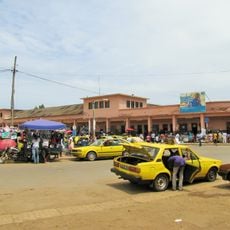
An international airport about 3 miles outside connects the capital with several African cities and Europe. Within the city many visitors move around on foot or by small buses that run on the main roads.
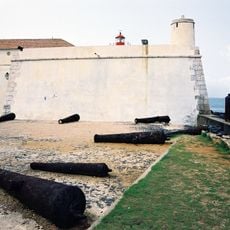
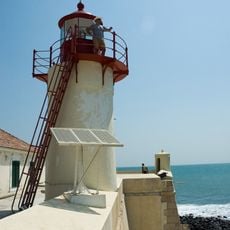
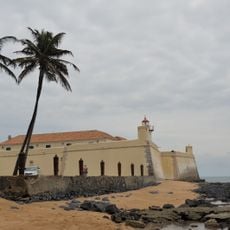
Fort São Sebastião near the harbor has housed a museum with colonial-era objects and local crafts for several decades. The fort itself dates from the mid-16th century and is one of the oldest buildings in the city.
The community of curious travelers
AroundUs brings together thousands of curated places, local tips, and hidden gems, enriched daily by 91,878 contributors worldwide.