Uşak, Administrative capital in western Turkey
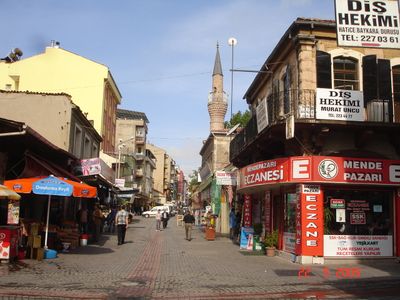
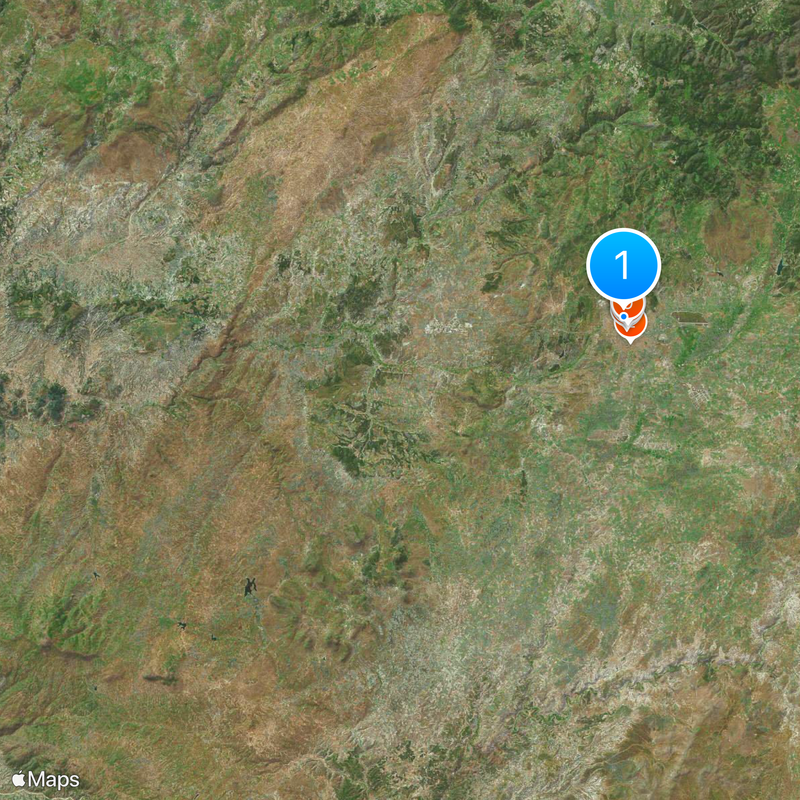
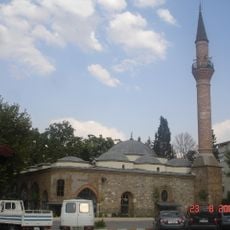
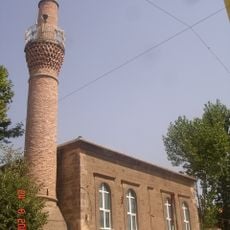
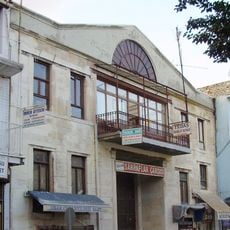
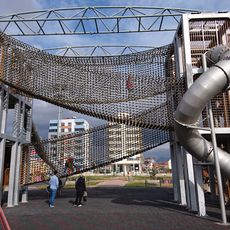
Uşak is an administrative center in western Turkey located at 890 meters elevation, connecting the Central Anatolian plateau with the Aegean region. The city hosts two industrial zones producing textiles, leather goods, and refined sugar while supporting agriculture based on sugar beets and cereals.
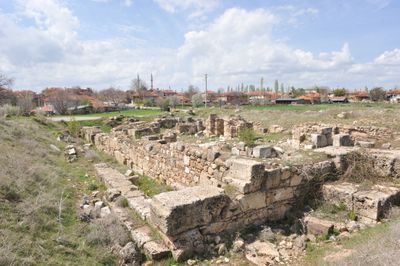
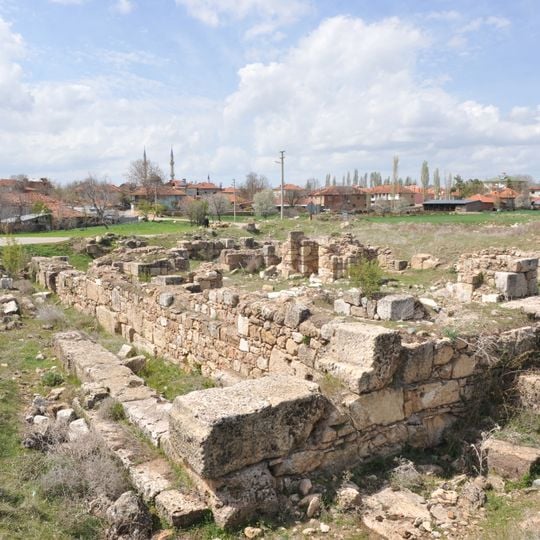
The region was ruled by Phrygians and Lydians from the seventh century BC through Persian, Roman, Byzantine, and Ottoman periods. Ottoman control became established in 1429, shaping the city's development.
Uşak is known for carpet weaving that appeared in European paintings during the Renaissance, giving the city international recognition through art. This heritage remains central to local craftsmanship and identity.
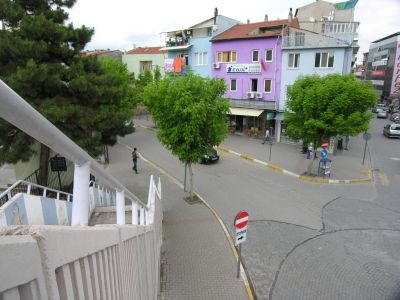
The city is well connected by road networks making it easy to reach from surrounding regions, and the layout is straightforward for visitors to navigate. Comfortable clothing for the cooler highland climate and adequate time to explore the different zones are recommended.
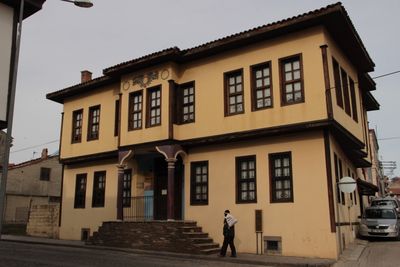
The city pioneered Turkey's first urban electricity network and implemented the first labor agreement during the Ottoman period. These innovations reveal a history of progress beyond traditional crafts.
The community of curious travelers
AroundUs brings together thousands of curated places, local tips, and hidden gems, enriched daily by 92,503 contributors worldwide.