Polonne, city of Ukraine
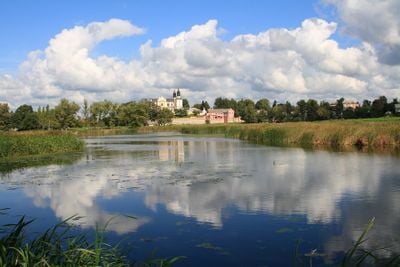
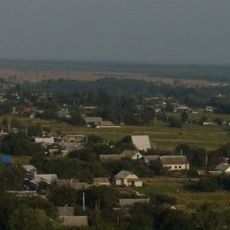
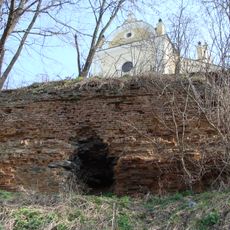
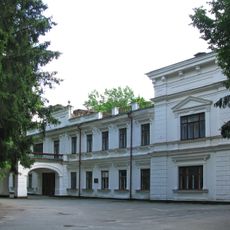
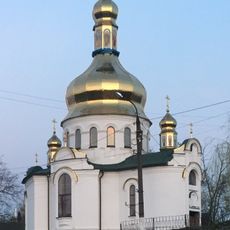
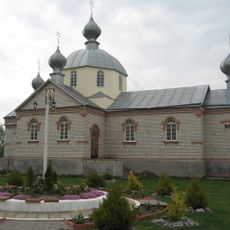
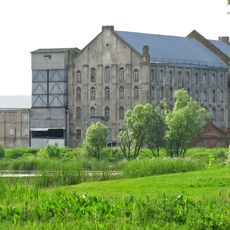
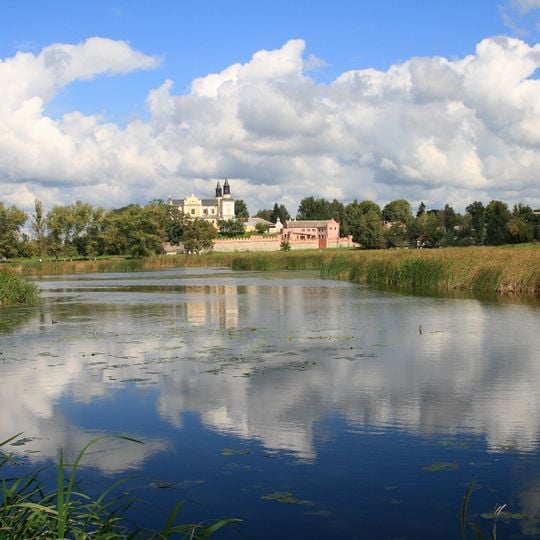
Polonne is a small city in western Ukraine situated along the Khomora River, with streets lined by buildings that span different historical periods. The city contains notable structures including the Church of Saint Anne from 1607, featuring stone walls and a tall steeple, along with remains from earlier fortifications and evidence of its past as a fortress settlement.
Polonne first appeared in written records around 996, when it functioned as a tax collection point for the church of Prince Volodymyr the Great. The city changed hands repeatedly among Lithuanian, Polish, and Russian rulers across the centuries, each influencing its development and architectural character.
Polonne served as a trading center where farmers and craftspeople gathered to sell goods in town squares, and this tradition of commerce shaped community life for centuries. The city's role as a marketplace of goods and ideas remains visible in how locals still gather and interact in public spaces today.
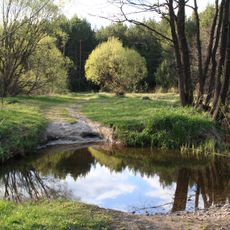
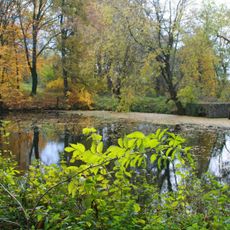
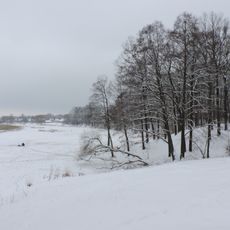
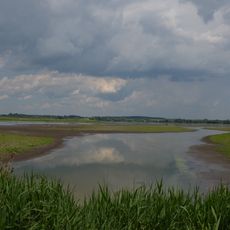
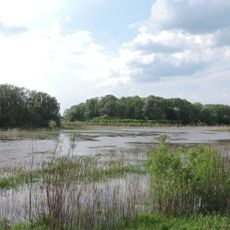
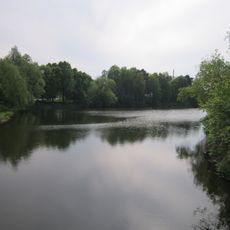
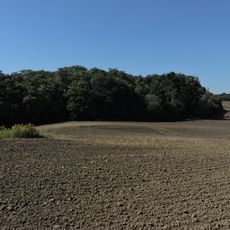
The Khomora River serves as a natural orientation point when exploring and offers pleasant walks along its banks, while the surrounding rolling hills and scattered forests provide varied paths to explore. Wear comfortable walking shoes, especially during damp weather, as the area experiences seasonal fog and rain that can make paths muddy.
In the 18th century, Polonne became a center for printing Hebrew books, producing about 90 volumes that spread across Eastern Europe through the work of scholars and printers. The old printing houses and decorative ceramics in shops and museums preserve the memory of this unexpected scholarly tradition.
The community of curious travelers
AroundUs brings together thousands of curated places, local tips, and hidden gems, enriched daily by 91,255 contributors worldwide.