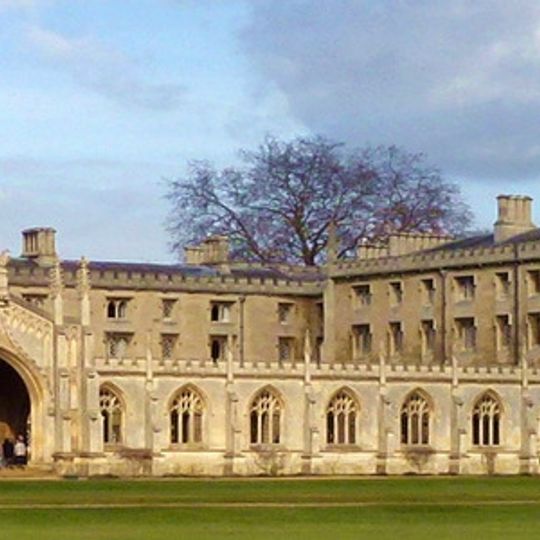
Cambridge, University town in East England
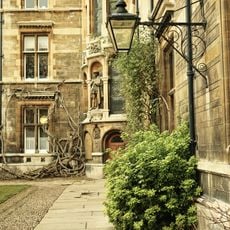
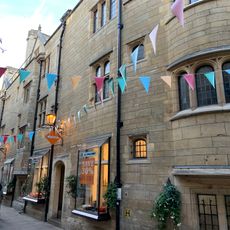
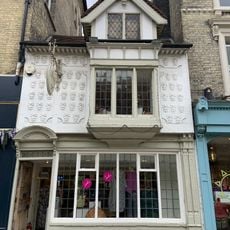
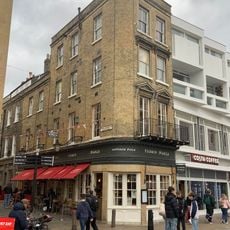
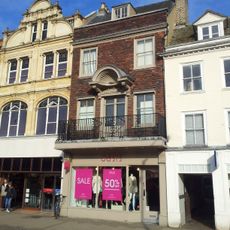
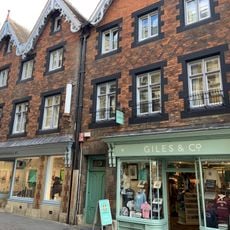
Cambridge is a medium-sized city in East England that spreads on both sides of the River Cam, marked by its university buildings, squares, and riverside paths. The center combines narrow lanes with open green spaces, where colleges with historic gates and courtyards sit among residential neighborhoods and shopping streets.
The city received its first town charter in 1207, after developing from a Roman settlement into a medieval trading center on the River Cam. The first colleges appeared in the 13rd century, and the university grew over the following centuries into one of the oldest educational institutions in the world.
The Fitzwilliam Museum on Trumpington Street displays extensive art and antiquities collections within a neoclassical building in the city center. Entry is free, and the collection includes Egyptian statues, ancient manuscripts, and paintings by European masters.
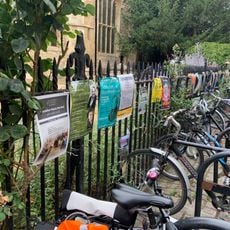
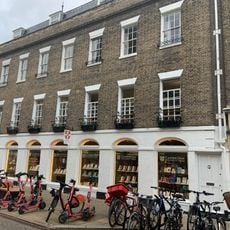
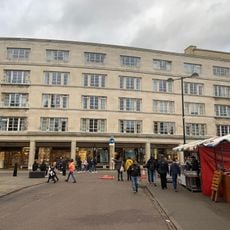
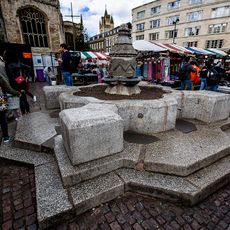
The railway station sits about 20 minutes on foot from the city center and offers regular direct services to London King's Cross in roughly 50 minutes. Most colleges and attractions are walkable from the market square, with bicycles being a commonly used mode of transport.
The Mathematical Bridge at Queens' College uses straight timber beams arranged in a self-supporting arch configuration without any curved wood components. Although the bridge is often presented as a nail-free or screw-free construction, it has in fact contained metal fastenings since its construction in the 18th century.
The community of curious travelers
AroundUs brings together thousands of curated places, local tips, and hidden gems, enriched daily by 92,359 contributors worldwide.