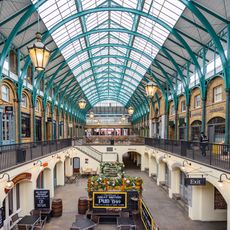
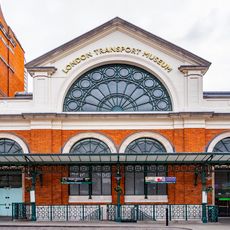
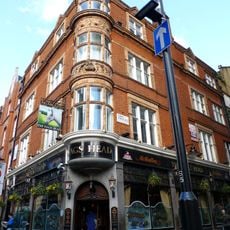
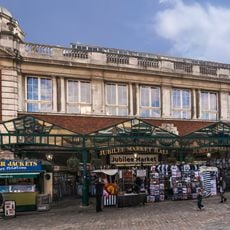
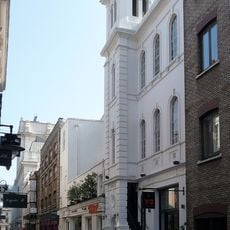
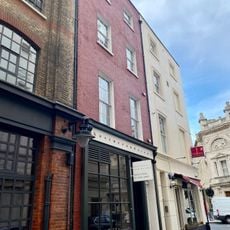
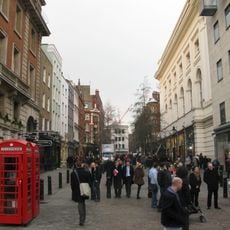
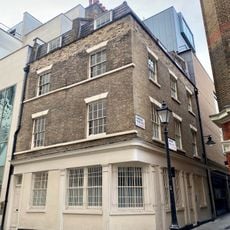
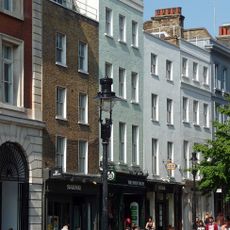
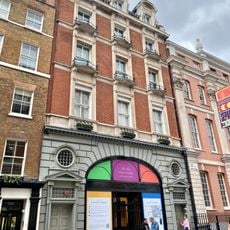
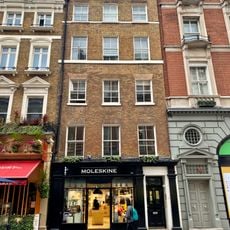
Anglo-Saxon London, Germanic settlement ruins near Covent Garden, England
Anglo-Saxon Lundenwic was a settlement built outside the Roman fortifications, stretching across present-day Covent Garden along the Thames. Archaeological work uncovered wooden buildings, pottery workshops, and evidence of active trade from the 7th century.
Anglo-Saxon settlement began in the 7th century as a thriving trading hub until Viking raids in the 9th century forced residents to move inside the Roman fortifications for protection. Alfred the Great reinforced these walls in 886 and established the fortified town of Lundenburg.
Germanic settlers introduced Old English and established trade routes that made London a meeting point for merchants from different regions.
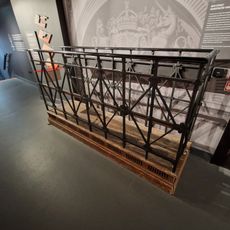
Anglo-Saxon ruins lie buried beneath modern London, and most are not directly visible on the surface but accessible through museum collections and archaeological displays. Visitors can explore findings and artifacts in local museums to learn about this early settlement period.
The Anglo-Saxon trading settlement was so successful that it spread across several kilometers along the Thames and attracted goods from across Europe. This unusual prosperity collapsed suddenly when Viking attacks forced people to abandon it and seek shelter within older fortified areas.
The community of curious travelers
AroundUs brings together thousands of curated places, local tips, and hidden gems, enriched daily by 90,749 contributors worldwide.