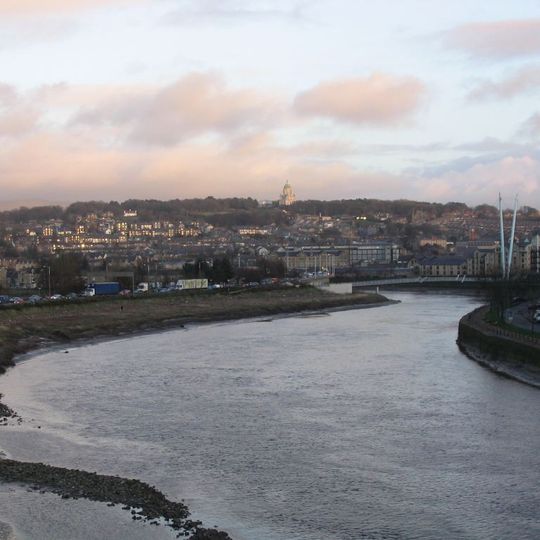
Lancaster, Historic port city in Lancashire, England
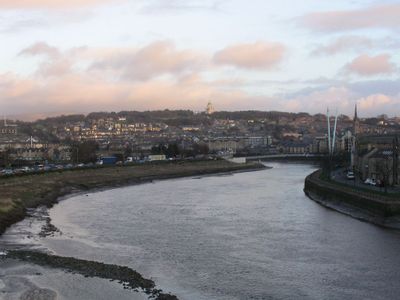
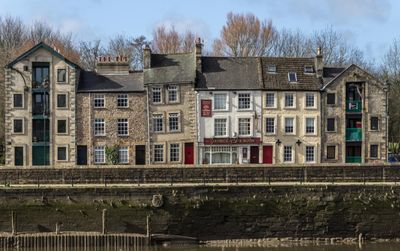
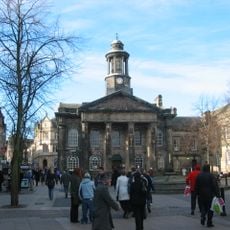
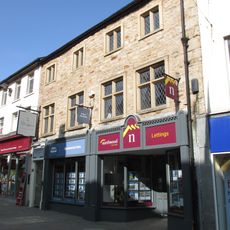
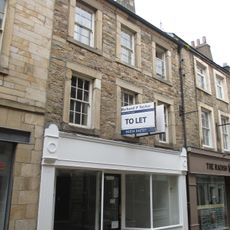
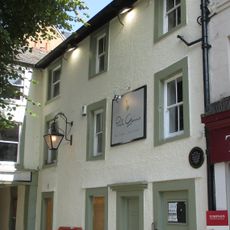
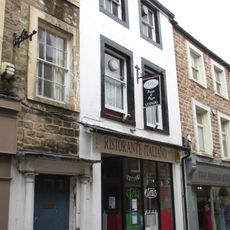
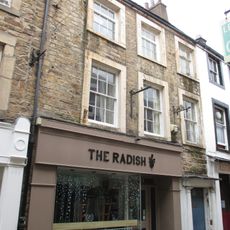
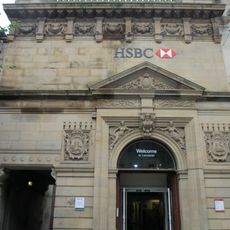
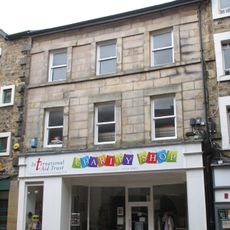
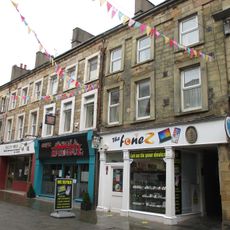
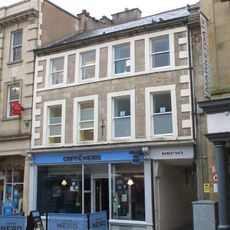
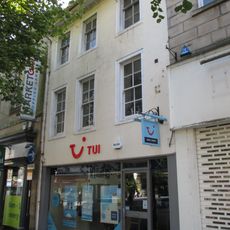
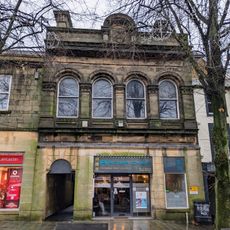
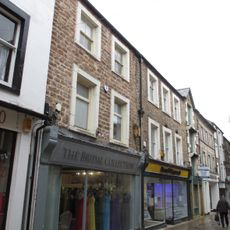
Lancaster is a city at the estuary of the River Lune in Lancashire, northwest England. Streets climb upward from the water toward the castle hill and pass through a quarter of Georgian terraced houses, 19th-century shops, and a Gothic town hall built from dark sandstone.
Romans built a fort on the banks of the Lune in the first century, later expanded into a castle by the Normans. The medieval stronghold served for centuries as a prison and courthouse for the county and played a role during the Pendle witch trials in 1612.
The name Lancaster comes from the Roman fort Longovicium and the Old English word for stronghold, describing its position by the river. Locals often call their city simply Lancs and meet regularly at the old market square, where stalls open every Wednesday and Saturday.
The old town is best explored on foot, as lanes are steep, narrow, and feature many one-way streets. The railway station lies about a 10-minute walk south of the city center and offers direct connections to larger towns across northern England.
The Lune Aqueduct on the southern edge carries the Lancaster Canal over the river and is considered the longest aqueduct of its kind in England. Pedestrians can walk across on the narrow towpath beside the canal and look down at the water far below them.
The community of curious travelers
AroundUs brings together thousands of curated places, local tips, and hidden gems, enriched daily by 90,896 contributors worldwide.