Greenock, Administrative center in Inverclyde, Scotland
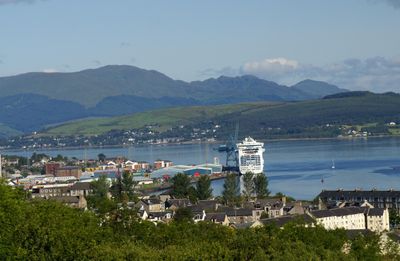
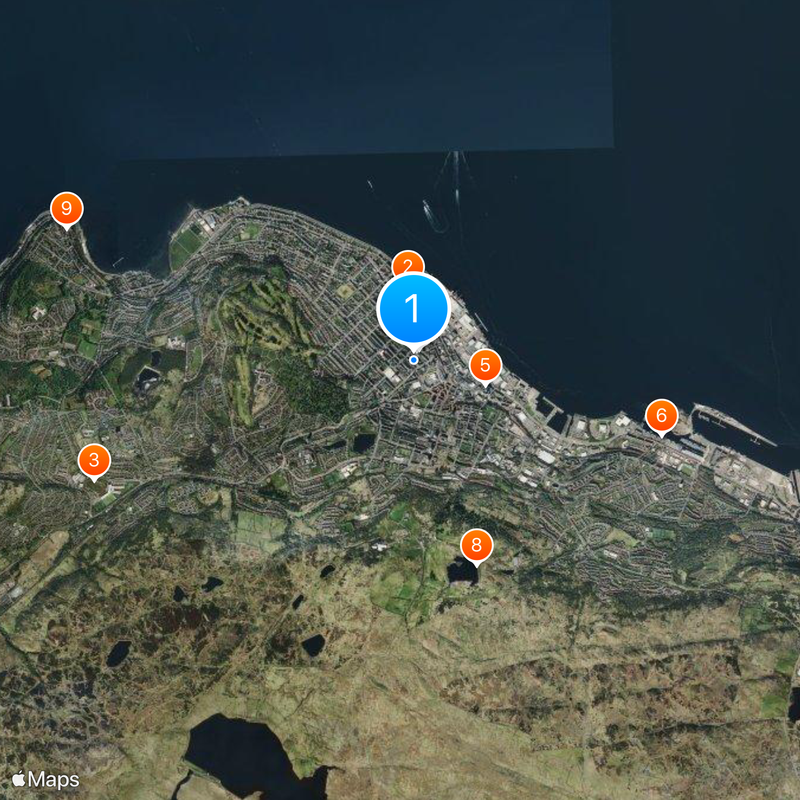
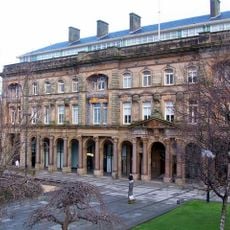
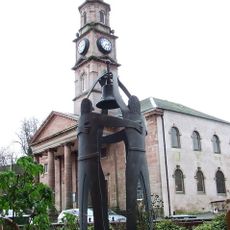
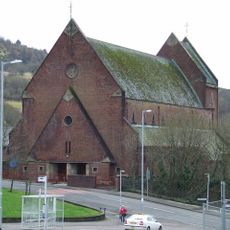
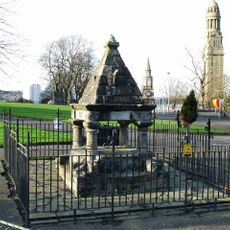
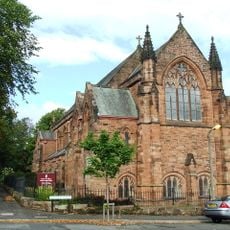
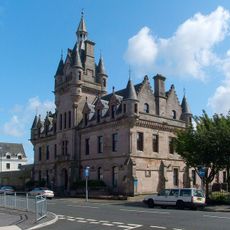
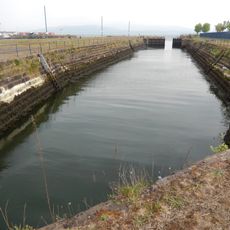
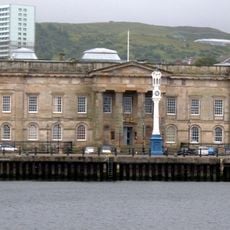
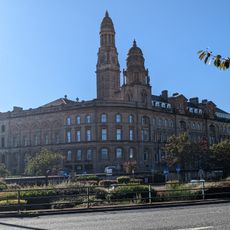
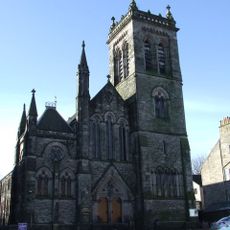
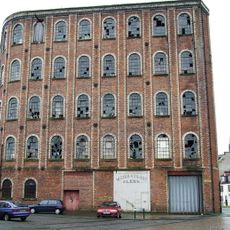
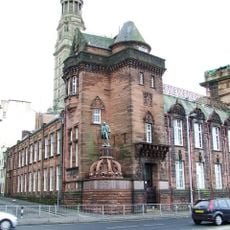
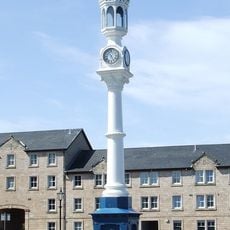
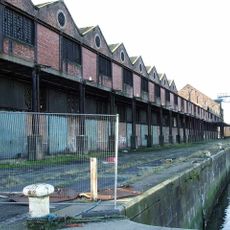
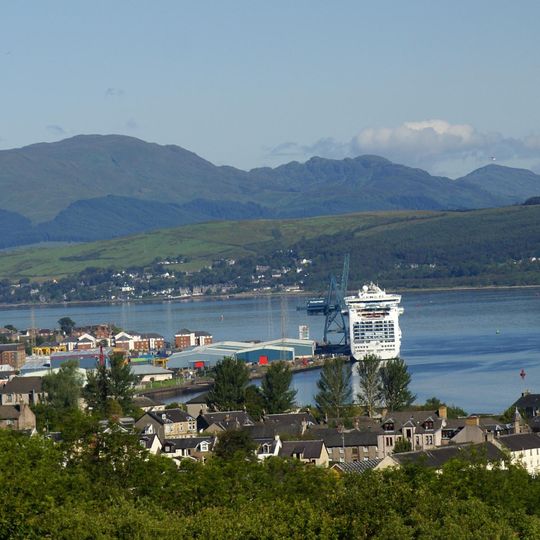
Greenock is a port town in Inverclyde on the south shore of the River Clyde in Scotland, stretching several kilometers along the waterfront. Victorian and Edwardian residential quarters alternate with docks, warehouses and small parks, while wooded hills rise behind.
The settlement received its founding charter in 1635 and quickly developed from a fishing village into an important trading point for herring and salt. In the 19th century, the community grew through shipbuilding and sugar refining into a major Scottish industrial center.
The name likely derives from the Gaelic word for green hill, reflecting the gentle landscape that rises from the river into the hinterland. Fishermen and shipyard workers shaped social life for generations, and traces of this tradition remain visible in the streets and harbor quarters today.
The railway station in the center offers direct connections to Glasgow with trains running several times per hour most days. The waterfront promenade is best explored on foot, while residential areas on the hills feature steep streets and staircases.
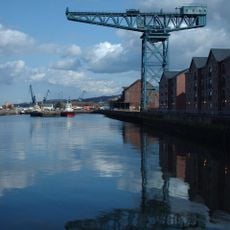
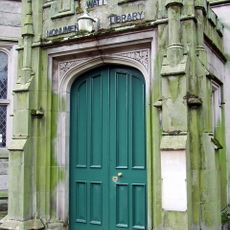
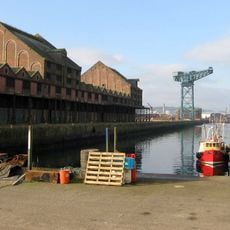
James Watt, who decisively improved the steam engine, was born here in 1736, and a section of the old harbor crane bears his name. The Cross of Lorraine, a monumental cross on a nearby hill, commemorates French sailors who operated from here during the Second World War.
The community of curious travelers
AroundUs brings together thousands of curated places, local tips, and hidden gems, enriched daily by 92,220 contributors worldwide.