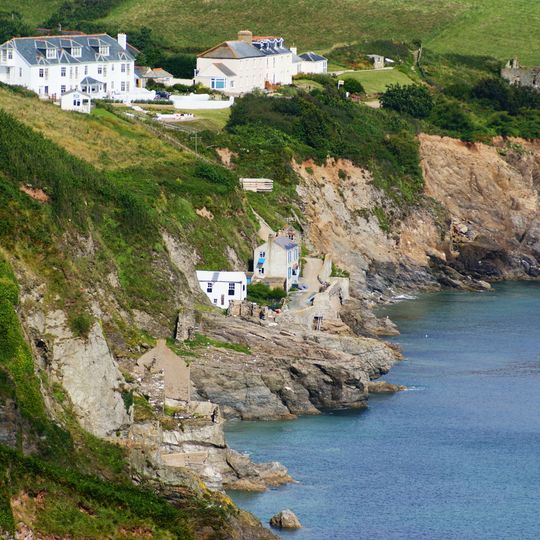
Hallsands, village in Devon, England, UK
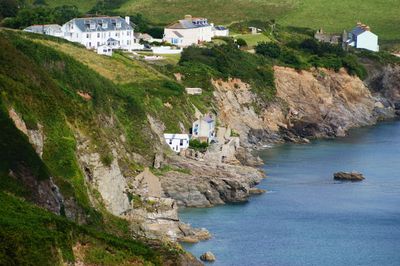
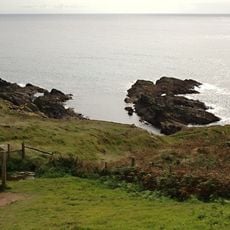
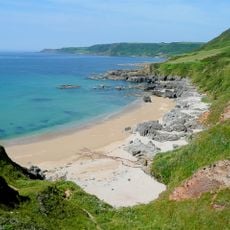
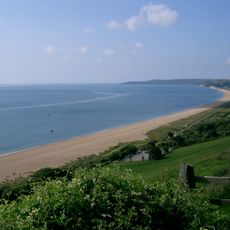
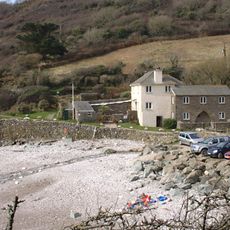
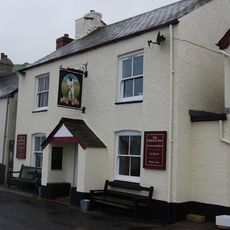
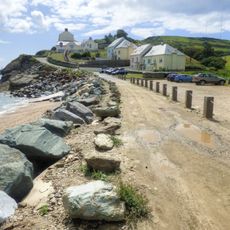
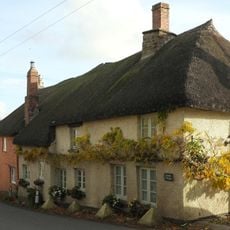
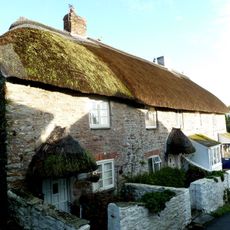
Hallsands was a small fishing village on the south coast of Devon, built on a rocky ledge behind extensive shingle and sand banks. The village consisted of around 37 houses, a pub called the London Inn, a bakery, and a few shops, all closely grouped together on a narrow strip between the sea and steep cliffs.
Hallsands was first mentioned in records in 1611 and grew into a thriving fishing settlement from the 18th to 19th centuries. The village was irreversibly damaged by large-scale shingle dredging starting in 1897 for naval shipyards in Plymouth, and a storm in 1917 destroyed most of the remaining houses.
The name Hallsands refers to the sand and shingle banks that once protected the village. The community was deeply tied to fishing, where men, women, and even children worked together, with trained dogs helping to pull boats ashore during bad weather.
The site is accessible via the South West Coast Path and has a viewing platform overlooking the ruins. The coast is actively eroding, so visitors should be prepared for uneven ground and possible path closures.
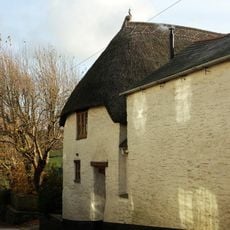
A single house, the Prettyjohn house, remained standing after the 1917 storm and became the home of Elizabeth Prettyjohn, who refused to leave and lived there until the 1960s. Today this house operates as a holiday cottage, offering direct insight into life in the lost village.
The community of curious travelers
AroundUs brings together thousands of curated places, local tips, and hidden gems, enriched daily by 92,519 contributors worldwide.