Cornubian batholith, Geological granite formation in Cornwall and Devon, Great Britain
The Cornubian batholith is a granite formation stretching roughly 250 kilometers beneath Cornwall and Devon, with six major areas where the rock reaches the surface. These exposed zones form rolling highlands and moorlands, each with distinct terrain and geology.
This granite formation developed roughly 280 million years ago during the Variscan mountain-building period, when molten rock pushed into the crust and cooled slowly over time. The resulting granite mass now underlies much of southwestern England.
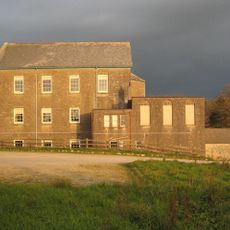
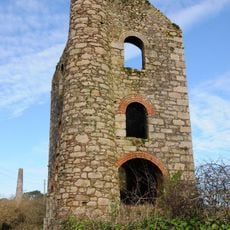
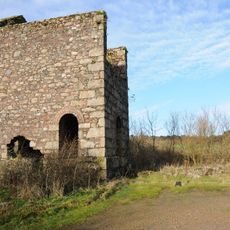
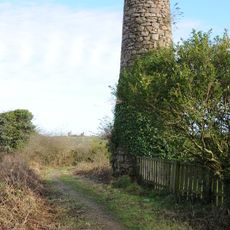
Mining for tin and copper around this granite formation has shaped how people in Cornwall developed their towns and industries over thousands of years, and the landscape still reflects this heritage today.
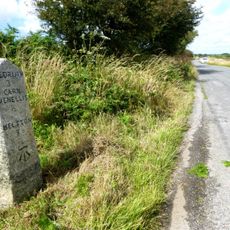
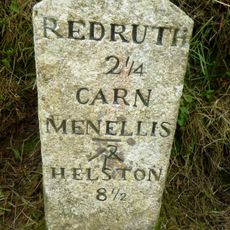
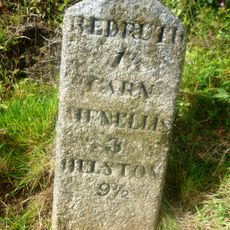
You can see the granite at multiple locations spread across Cornwall and Devon, such as Dartmoor, Bodmin Moor, St Austell, Carnmenellis, and Land's End. Each area offers different paths and ways to explore and observe the rock formations.
The granite here contains notably high levels of potassium, rubidium, tin, and tungsten compared to granite deposits elsewhere in the world. This chemical composition made it especially valuable for mining and shaped how the region developed economically.
The community of curious travelers
AroundUs brings together thousands of curated places, local tips, and hidden gems, enriched daily by 60,000 contributors worldwide.