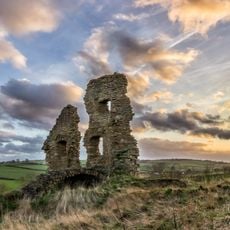
Hetton-le-Hole, town in the City of Sunderland in Tyne and Wear, England
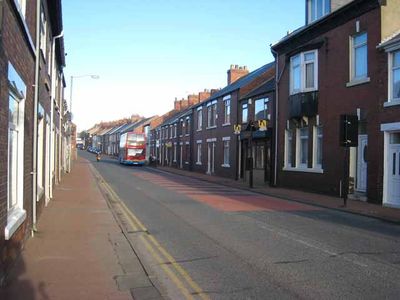
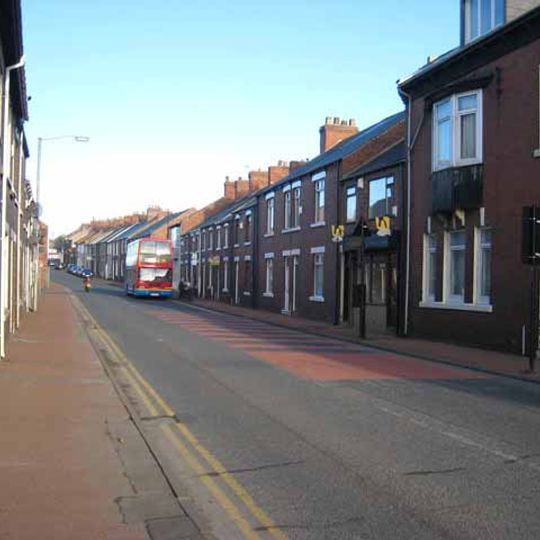
Hetton-le-Hole is a small town in northeast England in Tyne and Wear, built on a long history of coal mining. It features rows of brick houses with small gardens, a town center with shops and gathering places, and parks with walking paths for visitors to explore.
The town emerged after discovering high-quality coal in 1822 by the Hetton Coal Company, causing rapid population growth. The famous Hetton Railway, the first steam-powered railway, was built by George Stephenson to connect mines to ports, shaping railway history.
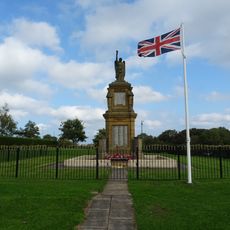
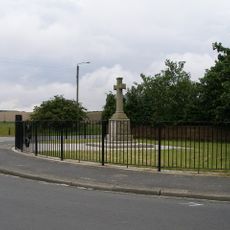
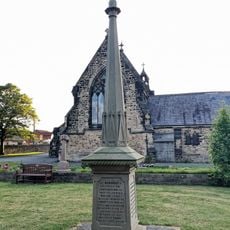
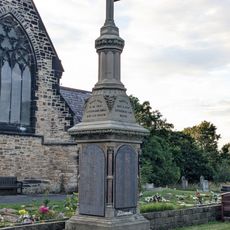
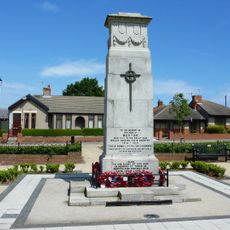
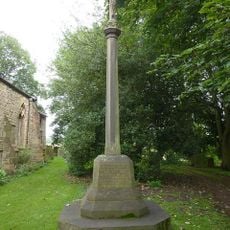
The town's name comes from old words meaning bramble and hollow, reflecting its geographic setting. The community maintains strong bonds today through local events, miners' memorials, and the Silver Band that won awards for its performances.
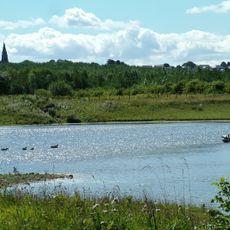
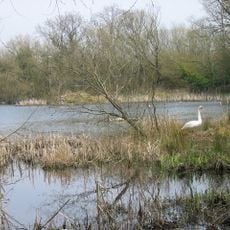
The town is easily reached by road from Sunderland and nearby towns, with regular buses connecting it to larger centers. It has a park with a pond and picnic areas, a sports center, a library, and several pubs that serve as gathering points for visitors.
The Hetton Railway was the world's first commercial railway to operate solely with steam locomotives, making it a milestone in railway history. A notable sculpture titled 'Da Said Men Don't Cry' depicts a miner and a boy miner, honoring the work of local miners.
The community of curious travelers
AroundUs brings together thousands of curated places, local tips, and hidden gems, enriched daily by 92,570 contributors worldwide.