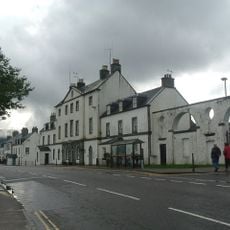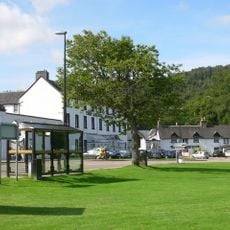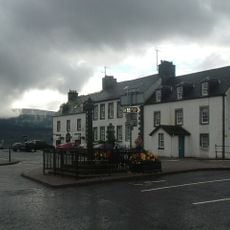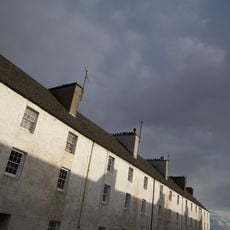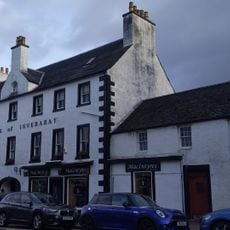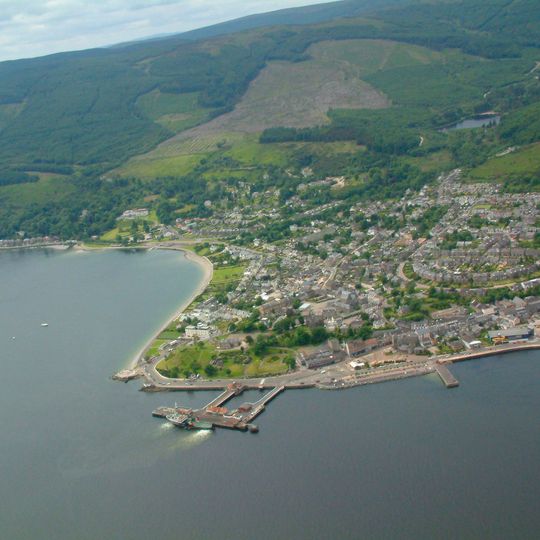
Argyll, Historic region in western Scotland
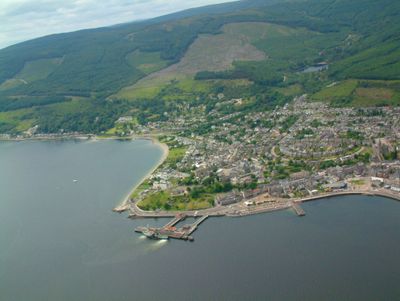
This historic county covers much of western Scotland's coast, extending across mainland areas and numerous islands scattered along the Atlantic. The landscape features deep sea inlets that cut between forested hills and bare mountains, creating a rugged shoreline with sheltered waters.
The name comes from Old Irish and means borderland of the Gaels, referring to the medieval kingdom that once existed here. During the 13th century the area became part of the Scottish kingdom and remained a separate administrative unit until the 20th century.
The Kilmartin Glen contains numerous archaeological monuments from the Neolithic and Bronze Age periods, with standing stones and burial cairns dating to 3000 BC.
Anyone exploring the region should plan several days, as many places are reached by winding coastal roads or ferry crossings. Weather changes quickly here and waterproof jackets with sturdy footwear are advisable year-round.
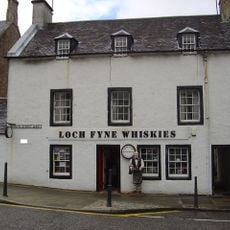
The coastline measures over 2,300 miles (3,700 km) and exceeds the entire length of the French seashore. More than two dozen distilleries are scattered across the area, producing local spirits with the taste of peat and salt air.
The community of curious travelers
AroundUs brings together thousands of curated places, local tips, and hidden gems, enriched daily by 91,902 contributors worldwide.