Barbican Centre, Arts centre in City of London, England
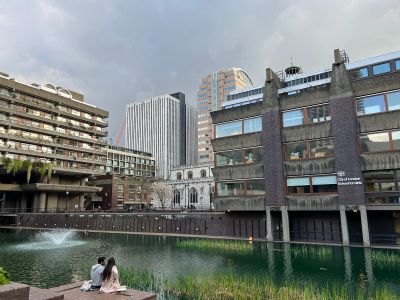
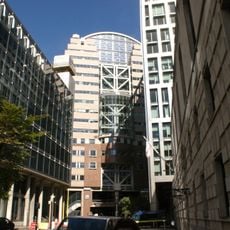
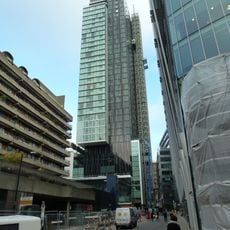
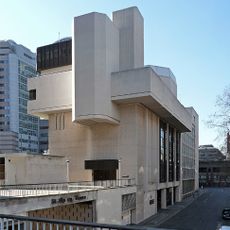
The Barbican Centre spans several floors in the heart of the City of London and brings together concert halls, theatres, galleries, and cinemas beneath raw concrete surfaces and tall glass fronts. The individual rooms are connected by elevated walkways, staircases, and expansive outdoor terraces that weave between the residential blocks of the surrounding estate.
The entire building complex arose in the 1970s on a site that had remained undeveloped for decades after the air raids of the Second World War. The arts centre itself opened in 1982 and formed the centerpiece of an ambitious plan to revive this destroyed neighborhood.
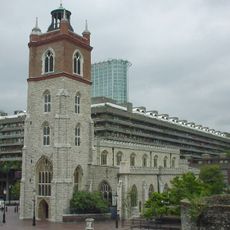
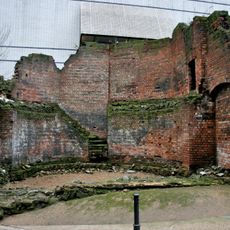
The name Barbican comes from a fortified outpost guarding the city's northern approach; the medieval watchtower claim is not supported. The centre opened on 3 March 1982, when Queen Elizabeth II inaugurated it as the City of London's gift to the nation. The Barbican Library on the second floor holds the 'London Collection' of historical books, some dating to the 18th century, all available on loan.
Several entrances are located at different levels so visitors can use different access routes depending on the venue. Lifts and ramps lead to all halls and exhibition spaces while signage inside the building helps to navigate the branching layout.
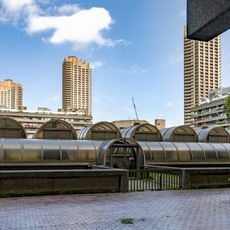
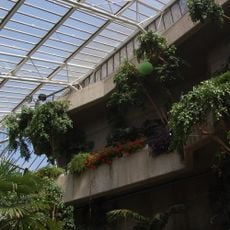
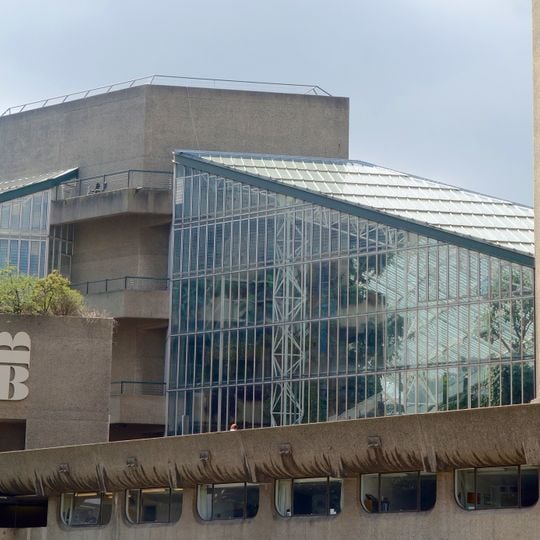
Above the fly tower of the theatre sits a glass-roofed conservatory that houses more than 1500 tropical plants and trees. This green space with its exotic vegetation is open to visitors and forms a surprising contrast to the grey concrete architecture around it.
The community of curious travelers
AroundUs brings together thousands of curated places, local tips, and hidden gems, enriched daily by 93,323 contributors worldwide.