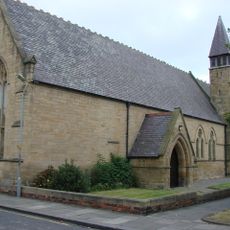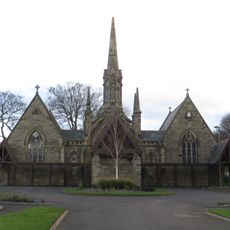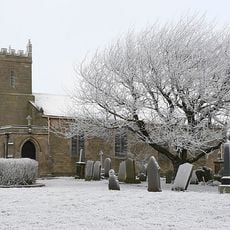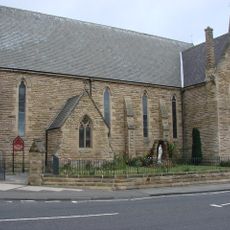
Blyth, Port town in Northumberland, England
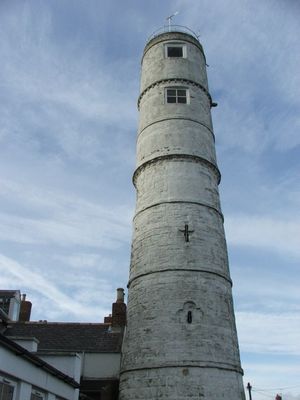
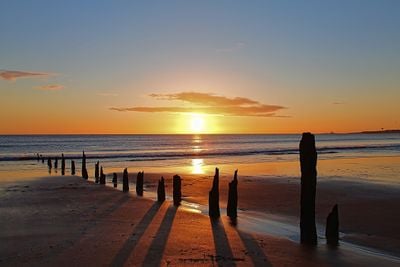
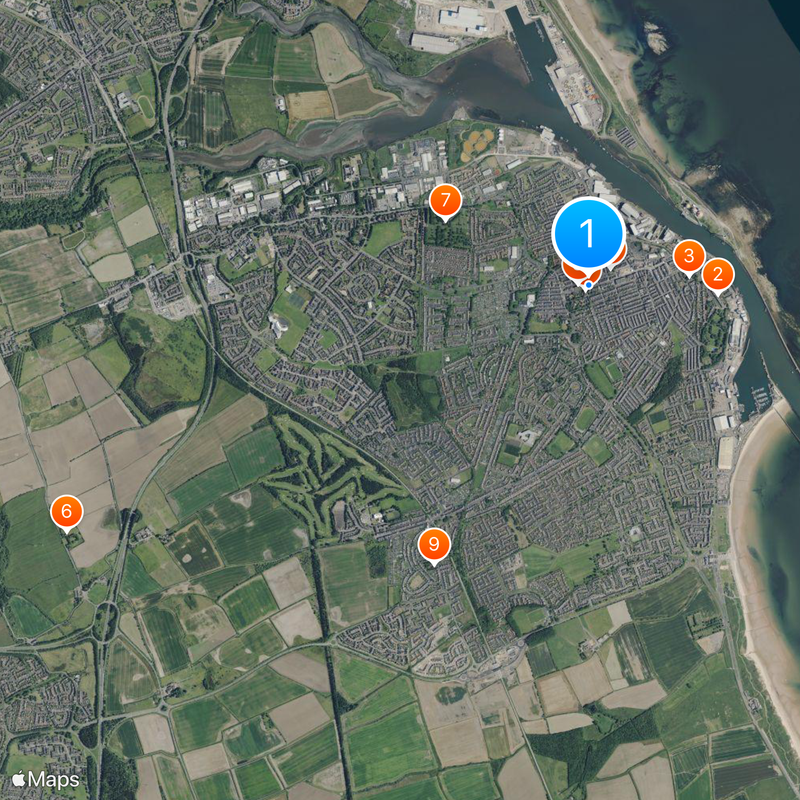
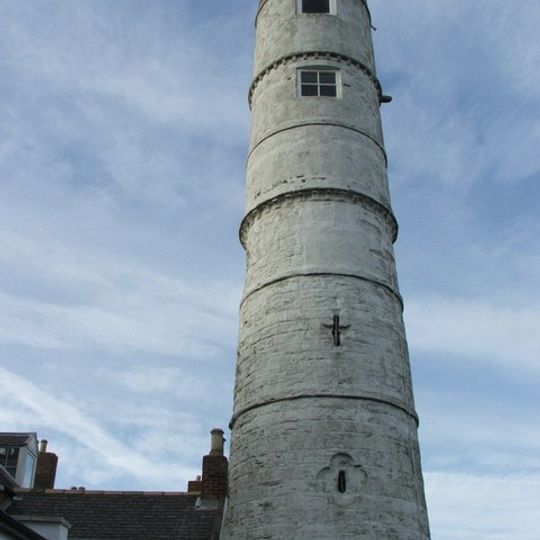
Blyth is a port settlement on the northeast coast of England where the mouth of the River Blyth flows into the sea and forms a natural harbor. The coastline stretches with sandy beaches and a path along the water, while the center holds shops and everyday facilities for residents and visitors.
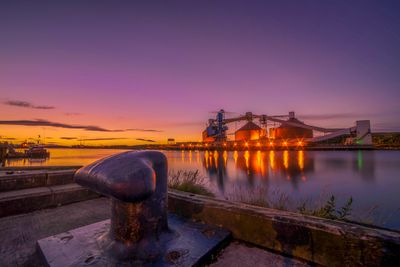
The harbor began in the 12th century with small shipping movements and grew over the centuries through coal transport. By the 1930s the facility became one of the largest coal export points in Europe, shaping the economy of the region for decades.
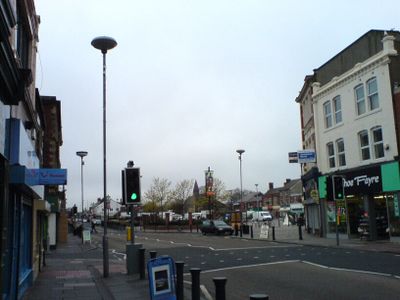
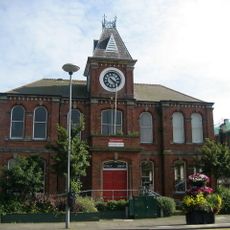
The name Blyth comes from Old English meaning gentle or cheerful, referring to the character of the settlement. Today the townscape shows a mix of port buildings and residential areas where locals often walk along the coastal promenade and use the closeness to the sea in daily life.
The beach promenade is accessible on any weekday and offers level paths for walks along the coast. The center sits close to the waterfront and can be reached on foot or by public transport from surrounding neighborhoods and towns.
Off the coast stand wind turbines from the early 1990s that were among the first of their kind in the offshore sector worldwide. These installations mark the beginning of modern wind energy use at sea and remain in operation today.
The community of curious travelers
AroundUs brings together thousands of curated places, local tips, and hidden gems, enriched daily by 92,788 contributors worldwide.