Dyea, ghost town
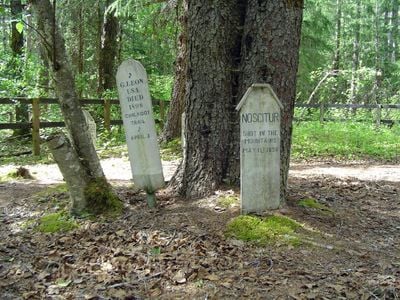
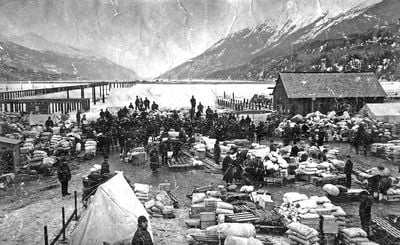
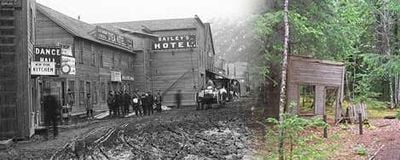
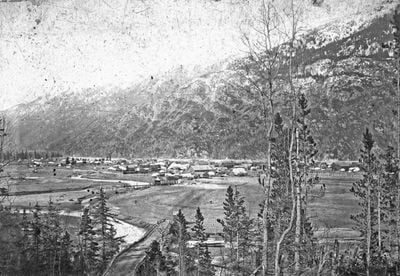
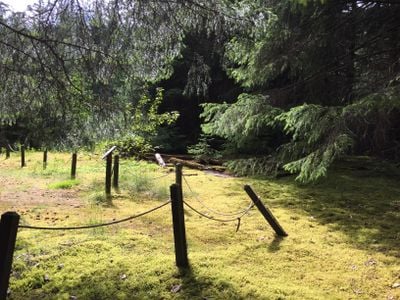
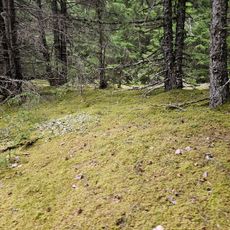
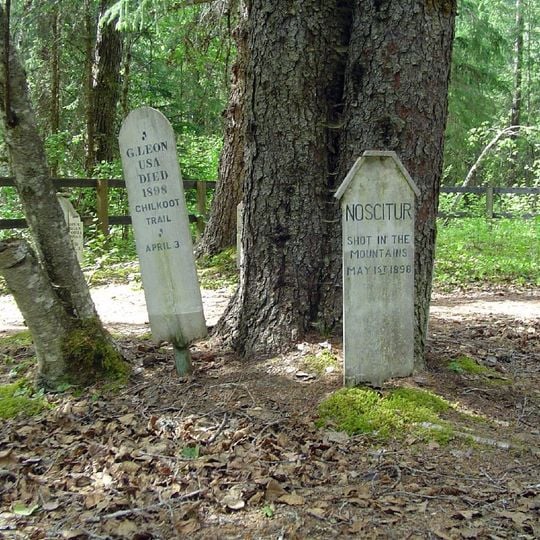
Dyea is a former settlement at the mouth of the Taiya River in Alaska where up to 3,500 people lived during the height of the Klondike Gold Rush in early 1898. Today only scattered ruins, old timber, and three cemeteries remain where more than 150 businesses, hotels, and bars once operated.
Dyea was established in 1886 as a trading post by John J. Healy and Edgar Wilson and exploded in size after 1897 when news of gold discoveries spread and thousands of prospectors arrived. Its decline came quickly after an avalanche in April 1898 and the opening of a railroad from Skagway that made the town unnecessary.
Dyea takes its name from the Tlingit word 'Dayéi,' meaning 'to pack,' reflecting the Native trading activity that centered on this location. The Chilkat and Chilkoot Tlingit people used this place as a trading hub for generations, and their role in the area's story remains an essential part of understanding what happened here.
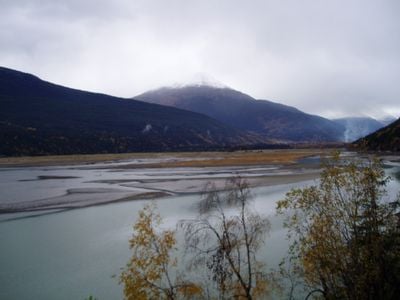
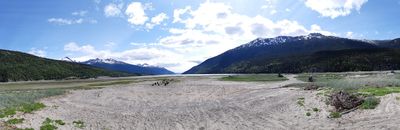
Visitors can explore the ruins of the old settlement along the Taiya River by following marked trails in the Klondike Gold Rush National Historical Park. Access is typically by water or through longer hikes, so plan for several hours of outdoor walking.
On Palm Sunday 1898, a massive avalanche on the Chilkoot Trail killed more than 60 people at once and made international headlines, contributing to Dyea's rapid decline. This mountain disaster remains one of the deadliest events of the gold rush era and is still remembered at the site today.
The community of curious travelers
AroundUs brings together thousands of curated places, local tips, and hidden gems, enriched daily by 90,827 contributors worldwide.