Eastern Great Lakes lowland forests, Forest ecoregion in the United States and Canada
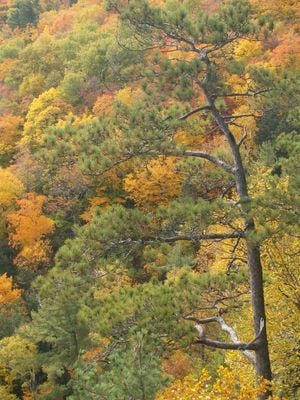
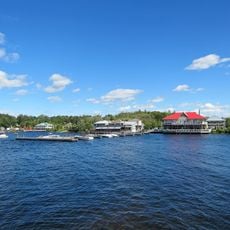
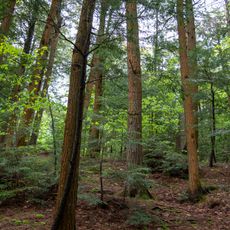
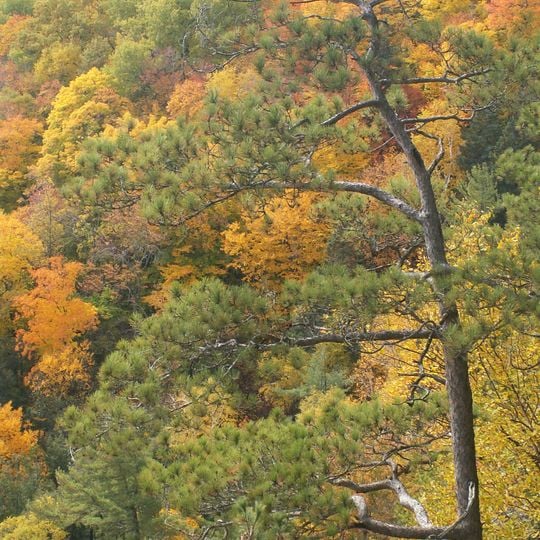
The Eastern Great Lakes lowland forests form a broad woodland ecoregion across the Great Lakes basin in the United States and Canada. It is a mix of deciduous and coniferous trees on rolling terrain shaped by glaciers, with many lakes and wetlands scattered throughout.
The ecoregion took its current shape after the last glaciers retreated, leaving behind the lake plains and moraines that define the landscape. In the 19th and 20th centuries, logging and farming changed large parts of the forest, and later conservation efforts helped protect remaining tracts.
The forests have long been used by local communities for recreation and education, and many parks offer guided walks that highlight traditional uses of the land. Visitors can join seasonal events like maple syrup demonstrations or birdwatching outings that connect people to the woods.
Access is through public lands, parks, and trails across the region, so plan your route in advance and check local conditions. The terrain varies from flat wetlands to gentle hills, so wear sturdy footwear and carry water, especially in remote sections.
The region is home to the eastern massasauga rattlesnake, a small venomous snake that is rarely seen and is protected in both countries. Its presence is a reminder that the forests still hold wild corners where careful walking matters.
The community of curious travelers
AroundUs brings together thousands of curated places, local tips, and hidden gems, enriched daily by 94,466 contributors worldwide.