Cochituate Aqueduct, Historic water supply structure in Massachusetts, United States
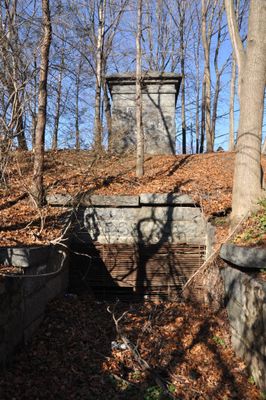
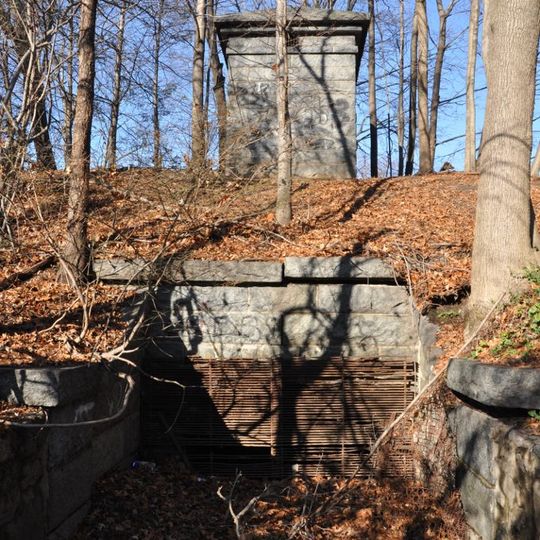
The Cochituate Aqueduct is a 19th-century water supply system in Massachusetts that runs through several communities, made up of open channels, underground pipes, and stone control structures. The route follows a mostly linear path and is now largely preserved as open land with accessible sections.
The project was developed in the 1840s when Boston was searching for a more reliable water supply and was built between 1846 and 1848. It remained the city's main water source for over a century before being replaced by newer systems.
The name comes from Lake Cochituate, the original reservoir that fed the city of Boston. Along the old canal, visitors can spot the granite bridges that once carried water across valleys and now serve as walking paths.
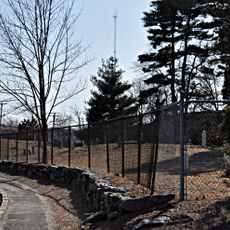
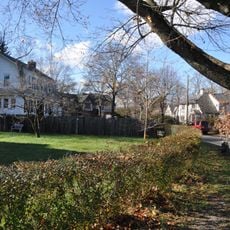
Several sections of the old canal are open to walkers and cyclists, with paths running through different communities. It is worth checking which section is most accessible before visiting, as conditions vary along the route.
When the aqueduct opened in 1848, water was directed to the Frog Pond on Boston Common as part of a public celebration, drawing large crowds to watch it flow. The granite bridges built for the system remain standing today and still show the construction methods used in the mid-19th century.
The community of curious travelers
AroundUs brings together thousands of curated places, local tips, and hidden gems, enriched daily by 92,363 contributors worldwide.