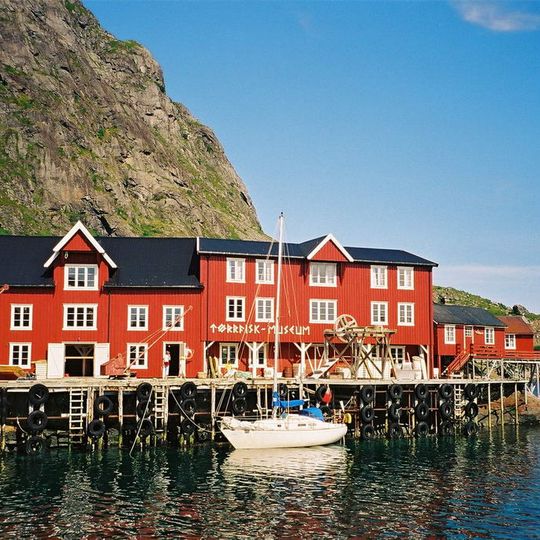
Lofoten Stockfish Museum, Maritime heritage museum in Å, Moskenes, Norway
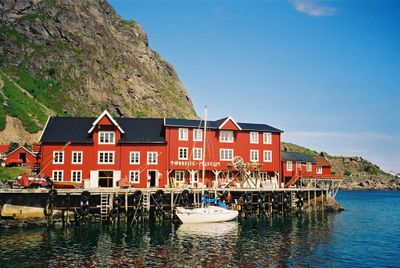
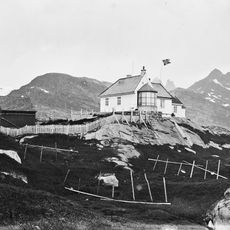
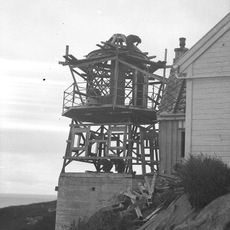
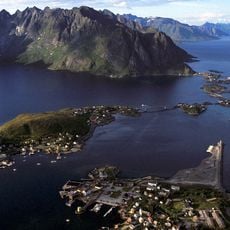
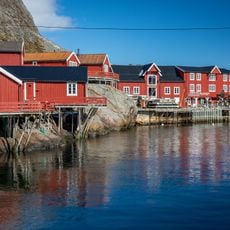
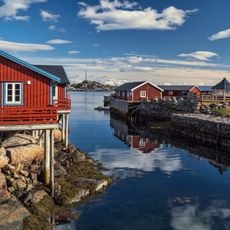
The Lofoten Stockfish Museum occupies a restored fish landing station and displays the traditional methods used to dry cod in the Arctic environment. The buildings and exhibits walk visitors through each stage of the preservation process, from the arrival of the catch to preparation for trade.
Trade in dried fish between Norway and Italy began in 1432 when Venetian sailor Pietro Querin was shipwrecked on the island of Røst and discovered the Lofoten islands. This encounter opened a trade route that would last for centuries and shape the local economy.
The museum reveals how fishing shaped everyday life and community bonds across generations in this remote region. The displays of tools and trading documents show the direct connection between local work and distant markets that depended on these goods.
The museum sits along the E10 route and is straightforward to reach, with a full visit taking about two hours. Guided tours in multiple languages help visitors understand the drying process and its role in the region's history.
The museum showcases a specialized winter air-drying process that transforms Arctic cod into a protected product with status similar to wine designations. This method depends on precise natural conditions and cannot be easily replicated elsewhere.
The community of curious travelers
AroundUs brings together thousands of curated places, local tips, and hidden gems, enriched daily by 60,000 contributors worldwide.