Ural Mountains, Mountain range in western Russia
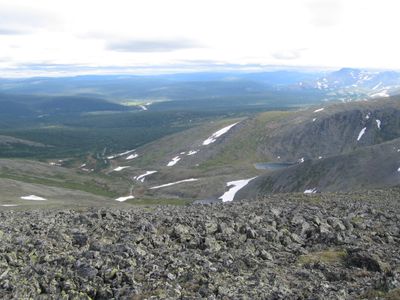
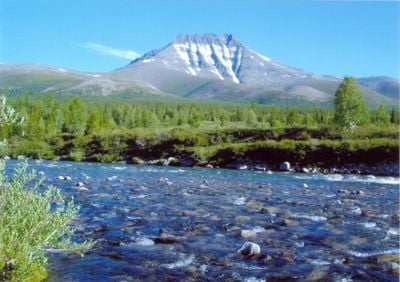
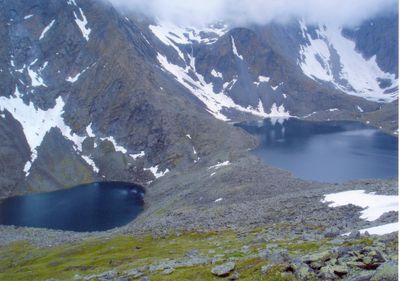
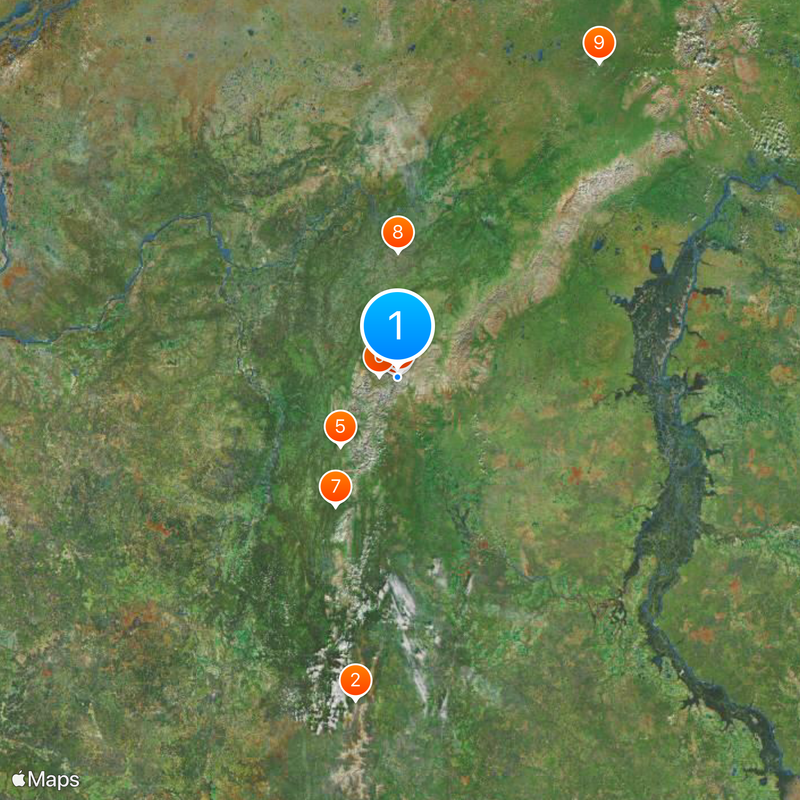
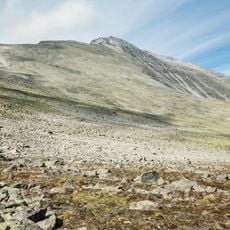
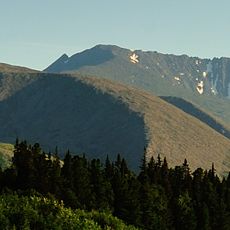
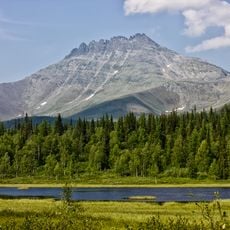
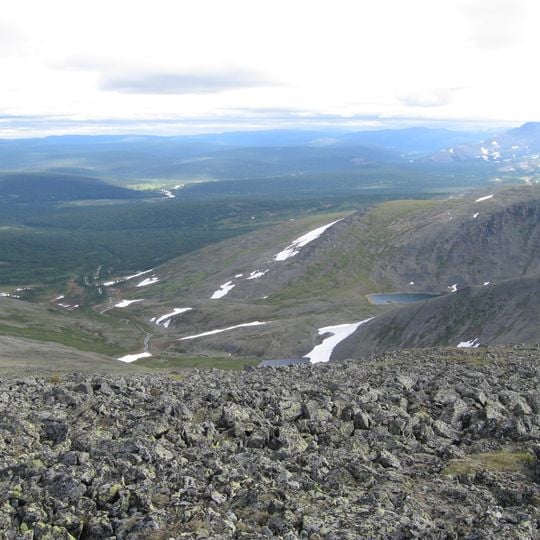
The chain runs for more than 2000 kilometers from the Arctic Ocean to Kazakhstan, forming a natural boundary between Europe and Asia. The peaks are mostly rounded and gentle, only in the northern part do sharper, jagged formations rise, carved by glaciers and rivers.
The chain formed during the creation of the supercontinent Pangaea around 350 million years ago and completed its development in the Triassic period. It later became an important route for fur trade and exploration expeditions into Siberia, advancing Russian expansion eastward.
Communities along the chain still work with semi-precious stones like malachite and amethyst, crafting jewelry and keepsakes in small workshops. Visitors can see the results of these traditions in museums and local markets, often buying directly from the artisans themselves.
The eastern slopes are harder to reach due to extensive mining activity, while the western sides offer more hiking trails and protected areas. Visitors should bring weatherproof clothing, as conditions can be cool and rainy even in summer.
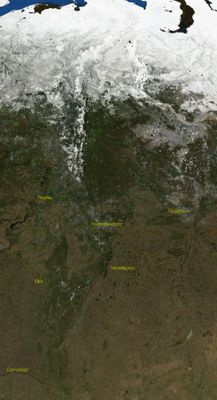
The entire system divides into five separate sections: Polar, Circumpolar, Northern, Middle and Southern, each with its own geological features and vegetation zones. In some spots in the middle section, you can walk between the European and Asian slopes in just a few hours.
The community of curious travelers
AroundUs brings together thousands of curated places, local tips, and hidden gems, enriched daily by 91,525 contributors worldwide.