Biysk Fortress, Military fortress in Biysk, Russia
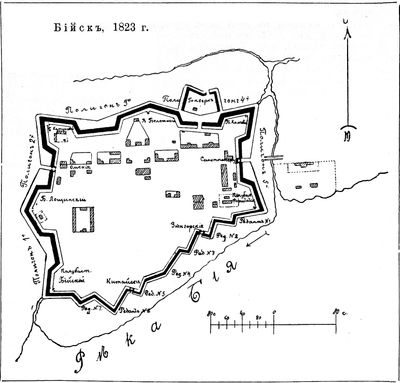
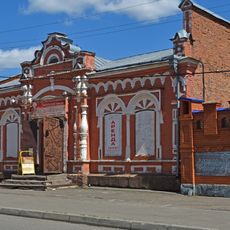
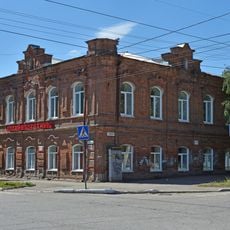
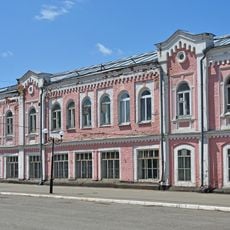
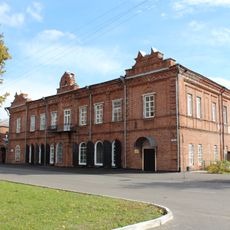
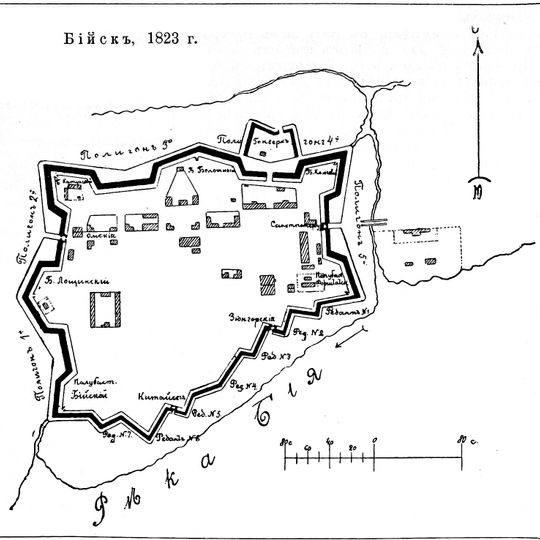
Biysk Fortress was a wooden fortification founded in 1718 on the right bank of the Biya River. Its first perimeter measured about 200 metres, with four three-storey log towers 15 metres high, and inside stood a powder magazine, granaries, a cookhouse, a chapel and the commandant's house. Nothing of the fortress survives; its outline is traced by the curve of Gilyov Lane, thought to follow the large Loshchinsky Bastion.
The first wooden fortress was built in 1718 on the right bank of the Biya after the Dzungars destroyed the Bikatun ostrog in 1710. It was rebuilt and enlarged in 1748–1751, when it became the main link of the Kolyvano-Kuznetsk fortified line. In 1768–1778 Colonel Pyotr Chetov oversaw its move two versts downstream, with six bastions and a garrison of over 3,000 men.
The fortress gave Biysk its start: in 1782 the military settlement was granted city status. Its five wooden towers bore the names Generalnaya, Moskovskaya, Kuznetskaya, Proyezzhaya and Bikatunskaya, and the western gate opened onto the road to Barnaul and the Katun fortress. From 1846 the War Ministry used the site as a place of political exile.
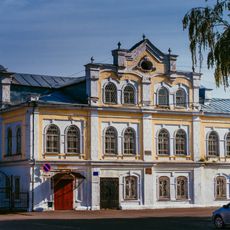
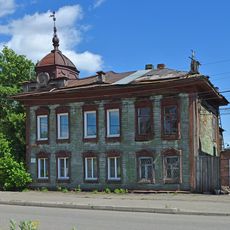
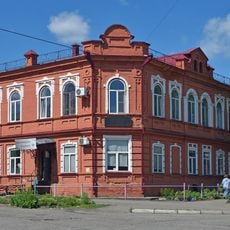
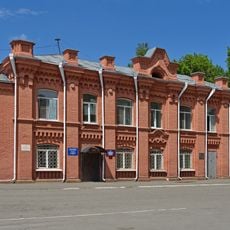
No fortress walls remain; the outline survives in the curve of pereulok Gilyova, which likely follows the line of the large Loshchinsky bastion. The first wooden fortress stood on the site of today's Skver imeni Fomchenko, between the Fomchenko and Rabochy lanes. Look for these street lines rather than standing structures.
By the late 18th century the fortress ranked second in Western Siberia, after Omsk, in area of military engineering works, garrison size and artillery. Its garrison exceeded 3,000 dragoons, soldiers and Cossacks, with 150 guns of various calibres.
The community of curious travelers
AroundUs brings together thousands of curated places, local tips, and hidden gems, enriched daily by 94,651 contributors worldwide.