Kurils Nature Reserve, Natural reserve in Yuzhno-Kurilsky District, Russia
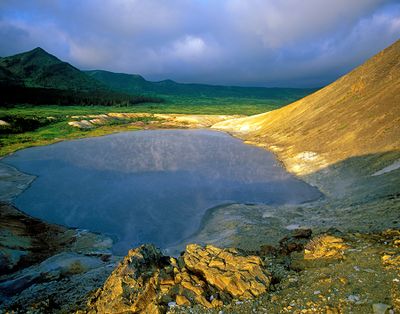
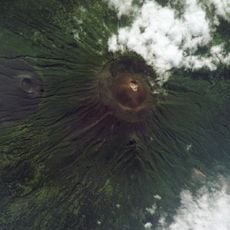
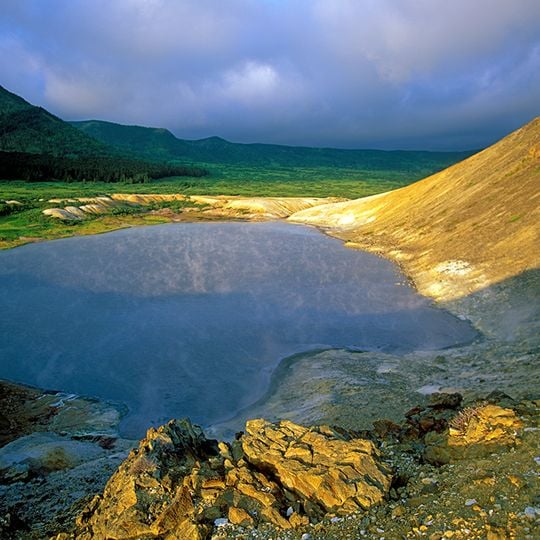
The Kurils Nature Reserve consists of three separate sectors: North Kunashir (49,899 ha) with the Dokuchaeva Ridge and the volcanoes Ruruy (1,485 m) and Tyatya (1,819 m), a Somma volcano whose summit collapsed into a caldera holding a new cone; South Kunashir (15,366 ha) around the Golovnin caldera (541 m), whose floor holds two mineralized lakes, Goryacheye and Kipyashcheye; and the 100 ha Lesser Kuril Ridge sector on the Oskolki and Demina islands.
The protected area was established in 1984 to safeguard the natural processes of the southern Kuril Islands. This decision aimed to preserve rare island ecosystems that had been shaped by geological and biological forces over thousands of years.
On the reserve and its buffer zone there are 66 archaeological and ethnographic monuments: campsites of ancient people, Ainu settlements and Japanese structures. The Ainu are the indigenous people of these islands, and their villages are part of this record. The reserve's administration is in Yuzhno-Kurilsk, and the territory is disputed between Russia and Japan.
Visiting this reserve requires special permits and visitors must follow strict guidelines to protect wildlife and habitats. Planning ahead and obtaining the necessary permissions before arrival is essential for anyone wanting to explore this protected area.
On the Lesser Kuril Ridge sector, the islands of Demin and Oskolki hold the largest summer seal rookeries in the Kurils, and the sea otter population has been re-established there. The reserve also reports 26 nesting pairs of Blakiston's fish owl, which breed across its forests.
The community of curious travelers
AroundUs brings together thousands of curated places, local tips, and hidden gems, enriched daily by 94,304 contributors worldwide.