Nativity Convent in Tver, Orthodox monastery in Tver, Russia
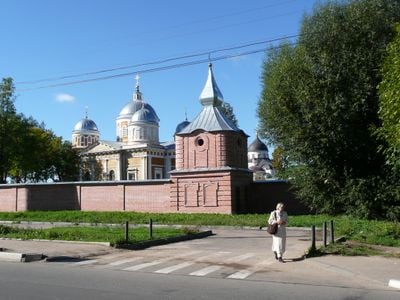
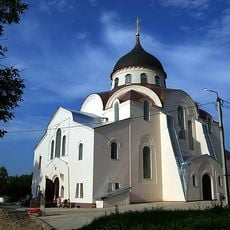
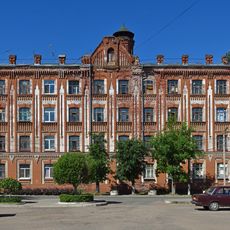
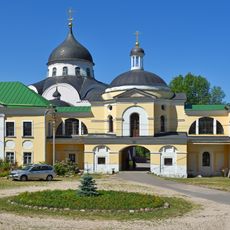
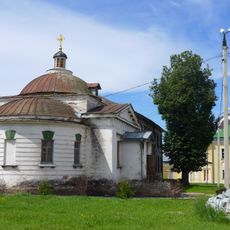
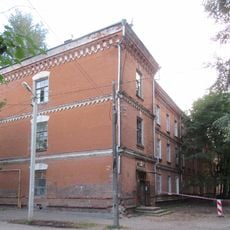
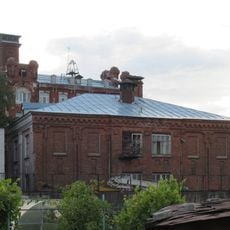
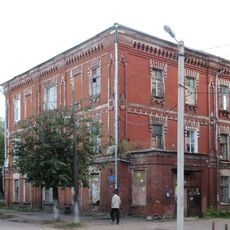
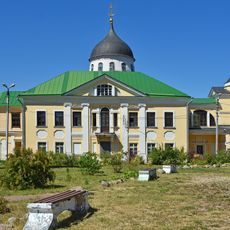
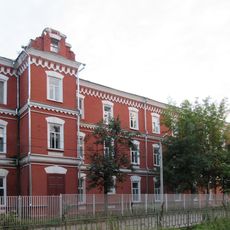
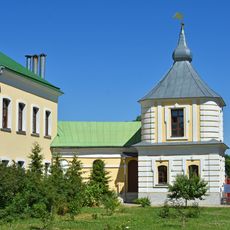
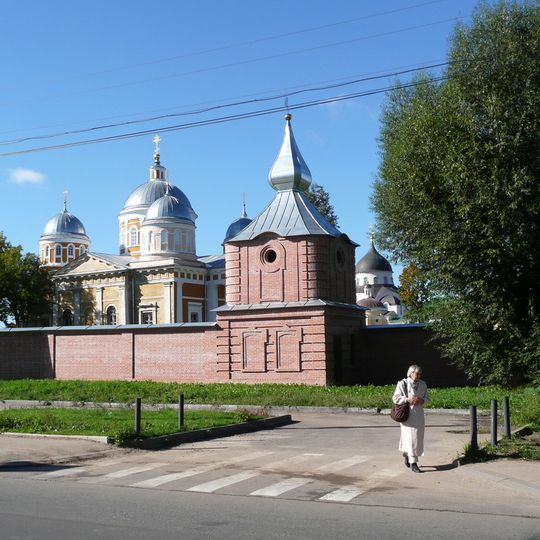
The Nativity Convent is a monastery complex in central Tver featuring the Nativity Cathedral as its main church, alongside the Trinity Church and various supporting structures. Stone walls surround the entire compound, creating a defined sacred space within the city.
First mentioned in a 1514 charter, the convent was founded, by tradition, at the turn of the 15th century with the blessing of Bishop Arsenius of Tver. Its stone ensemble took shape in the 19th century: a five-domed cathedral begun in 1812 collapsed the next year and was replaced by a new one consecrated in 1820, possibly designed by Carlo Rossi. The convent was closed in 1925 and revived on 1 April 1999.
The convent is a women's monastery of the Tver eparchy. Its main shrine was the wonder-working Tikhvin Icon of the Mother of God, brought in 1703 and later the goal of pilgrimages. Before the revolution a cross procession was held every 26 June, and the convent ran a school for girls of clerical background.
The convent stands in the south-western part of Tver, close to the Tmaka river. The main cathedral on the grounds has served as the Tver eparchy's cathedral since the 1990s, so services draw crowds. Visitors should dress modestly and keep quiet during worship; the interior of the Nativity Cathedral is still unrestored after Soviet decades.
The convent's main cathedral, finished in 1820 and consecrated by Archbishop Filaret (Drozdov), is often attributed to Carlo Rossi, though no documents confirm this. It replaced a five-domed cathedral that collapsed in 1813; the nuns had been evacuated to the Mologa-Afanasiev Monastery during the Napoleonic invasion, so none were hurt.
The community of curious travelers
AroundUs brings together thousands of curated places, local tips, and hidden gems, enriched daily by 94,550 contributors worldwide.