See the monuments around you in AROpen chests in the app
Around Us is built for your phone — point your camera at the streets and discover the monuments and places around you in augmented reality.Around Us is built for your phone — chests unlock when you walk, explore and capture nearby places.
Benin brings together centuries of history with landscapes that shift from the Atlantic coast to protected wilderness areas inland. The country holds places where royal dynasties left their mark, like the Royal Palaces of Abomey with walls decorated by Fon artisans, and coastal towns such as Ouidah where Portuguese forts now house museums telling the story of the region's complex past. In the north, Pendjari and W National Parks shelter elephants, lions, and leopards across savannas that stretch into neighboring countries, while along the coast, beaches like Coco Beach and Fidjrosse offer access to the Gulf of Guinea.
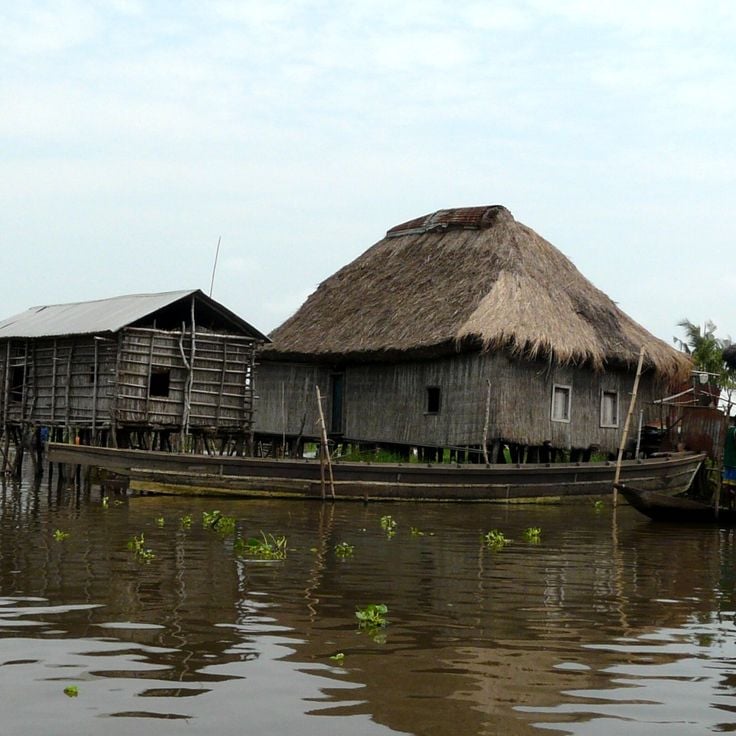
Daily life unfolds in spaces that reveal how people have adapted to their surroundings. Ganvié sits above Lake Nokoué, a settlement where wooden houses stand on stilts and canoes serve as the main way to move from place to place. In Cotonou, Dantokpa Market spreads out near the Ouémé River, filled with vendors selling everything from cloth to herbs. Churches built during the colonial era, including the red and white striped cathedral in Cotonou, punctuate the cities. Whether you're drawn to wildlife, the layers of human history, or the rhythm of markets and waterfront communities, Benin provides a window into West Africa that mixes old traditions with everyday moments still taking shape.
Benin brings together centuries of history with landscapes that shift from the Atlantic coast to protected wilderness areas inland. The country holds places where royal dynasties left their mark, like the Royal Palaces of Abomey with walls decorated by Fon artisans, and coastal towns such as Ouidah where Portuguese forts now house museums telling the story of the region's complex past. In the north, Pendjari and W National Parks shelter elephants, lions, and leopards across savannas that stretch into neighboring countries, while along the coast, beaches like Coco Beach and Fidjrosse offer access to the Gulf of Guinea.
Daily life unfolds in spaces that reveal how people have adapted to their surroundings. Ganvié sits above Lake Nokoué, a settlement where wooden houses stand on stilts and canoes serve as the main way to move from place to place. In Cotonou, Dantokpa Market spreads out near the Ouémé River, filled with vendors selling everything from cloth to herbs. Churches built during the colonial era, including the red and white striped cathedral in Cotonou, punctuate the cities. Whether you're drawn to wildlife, the layers of human history, or the rhythm of markets and waterfront communities, Benin provides a window into West Africa that mixes old traditions with everyday moments still taking shape.
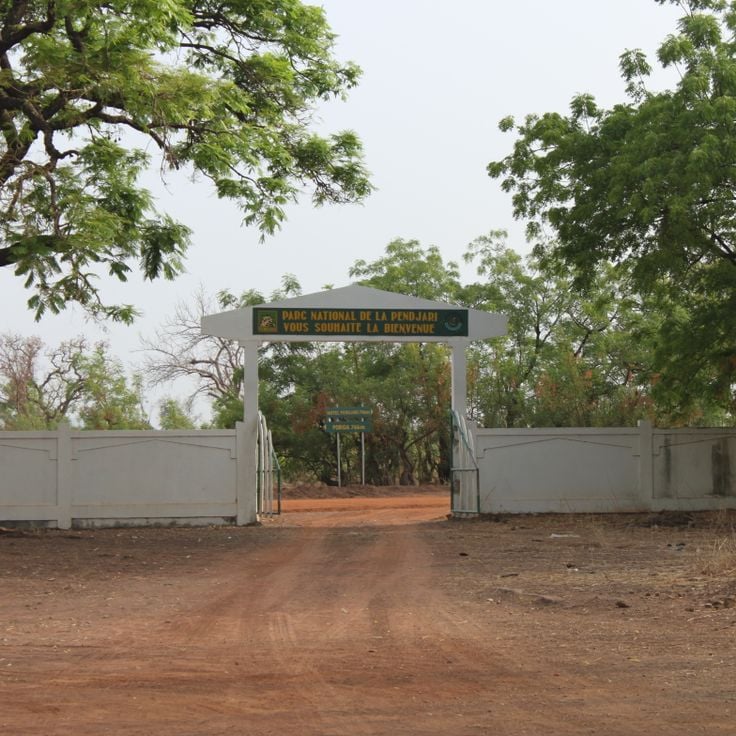
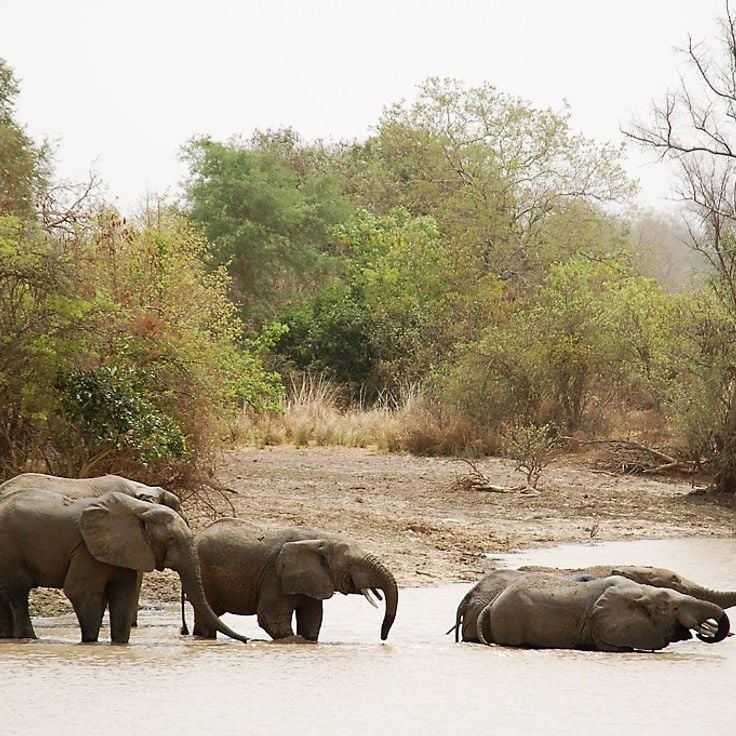
This park covers savannas and gallery forests along the Pendjari River, sheltering elephants, lions, leopards, buffaloes, and herds of antelope. The land continues into neighboring reserves in Burkina Faso and Niger, forming one of West Africa's larger continuous wilderness areas. Visitors drive tracks that wind between acacia scrub and open grasslands, passing waterholes where animals gather, especially during the dry season. Early mornings bring cooler temperatures and movement in the bush, when birds call and larger mammals come down to drink.
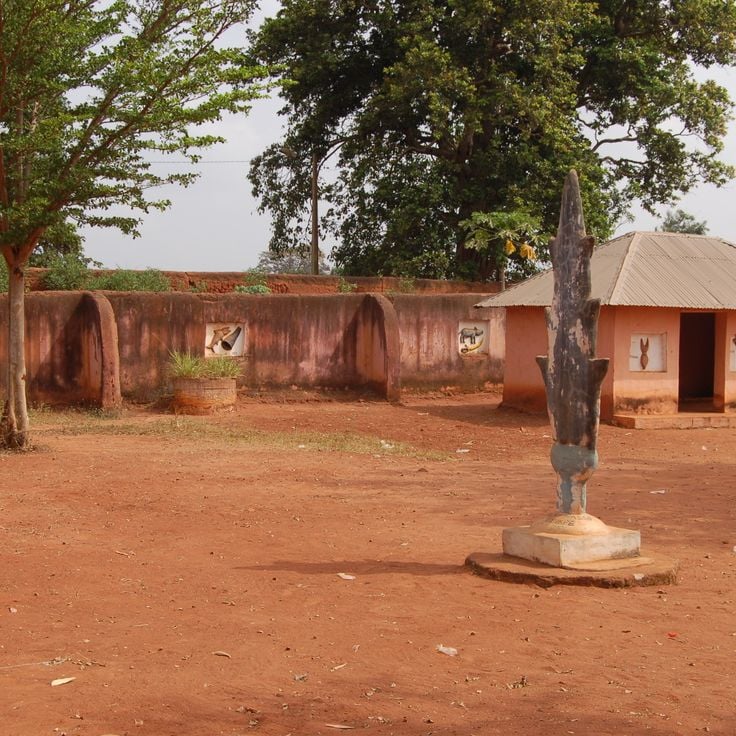
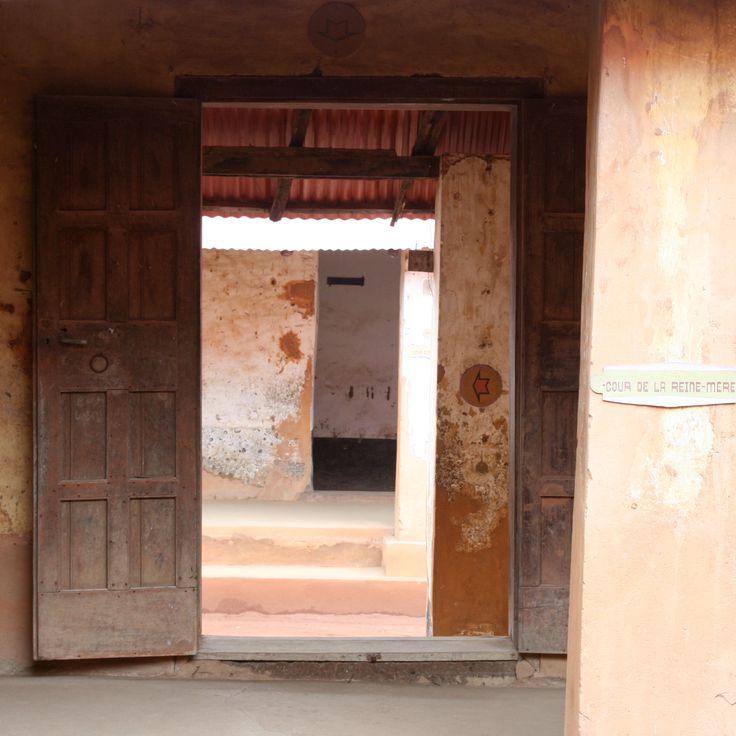
These royal palaces include twelve residences built by the Fon people between 1625 and 1900. The walls carry reliefs that show battles and royal ceremonies. The buildings served as seats of power for the kings of Dahomey and were constructed using traditional methods, with each ruler adding his own palace. Artisans carved the reliefs into the clay, telling stories of conquests, rituals, and life at court. Today you can walk through the courtyards and see the preserved images that offer a window into the history of the kingdom.
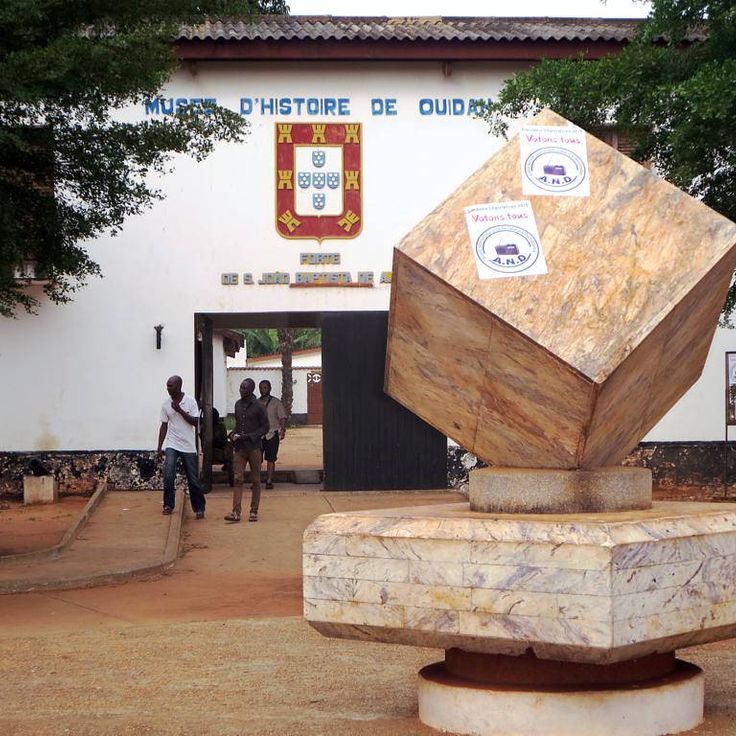
This museum sits inside a Portuguese fort from 1721 and shows the history of the Slave Coast through objects, photographs, and displays about local traditions. The rooms hold items from the era of trade, religious objects from Vodun culture, and records of the Dahomey royal dynasties. Visitors walk through courtyards with thick walls and explore galleries that explain how different groups lived and worked along this coast.
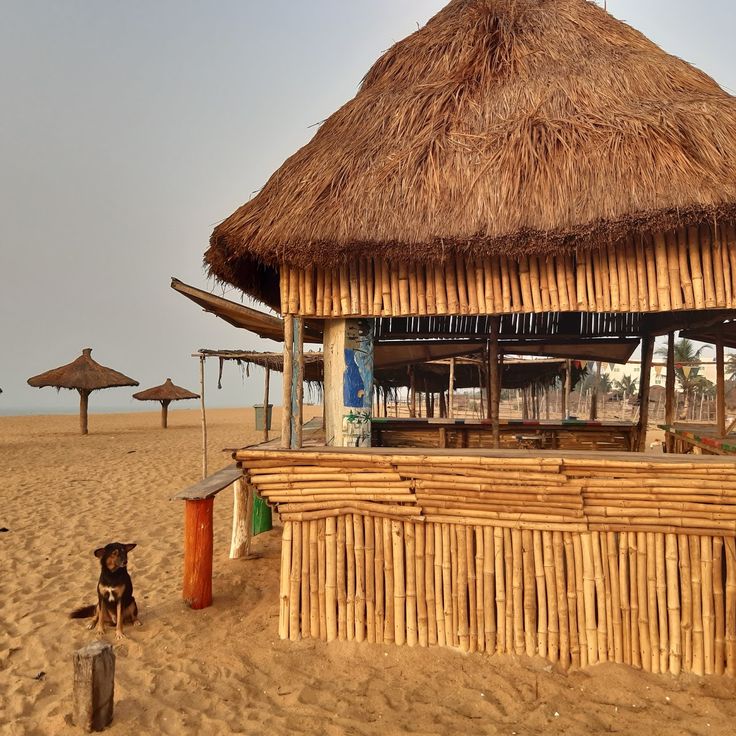
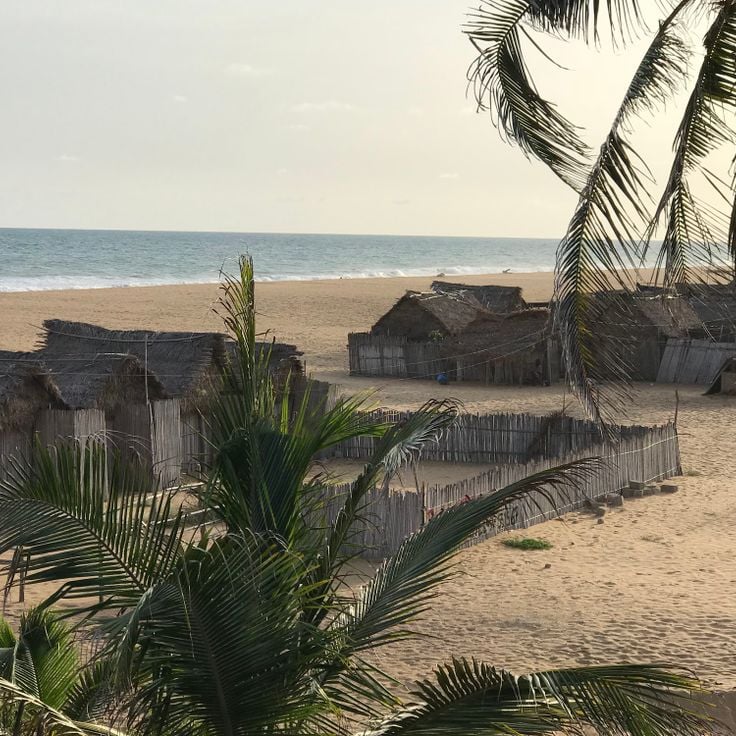
This beach stretches for several kilometers along the Gulf of Guinea. Palm trees line the shore while local fishermen work with traditional nets. The water is warm and the waves roll in steadily. In the morning, fishing boats head out to sea, and by evening they return with the day's catch. Along the sand, vendors sell fresh coconuts and grilled fish. The coast here is flat and wide, with fine sand that extends far inland. Some sections are busy, others quieter. You often see locals walking between the palms or resting in the shade.
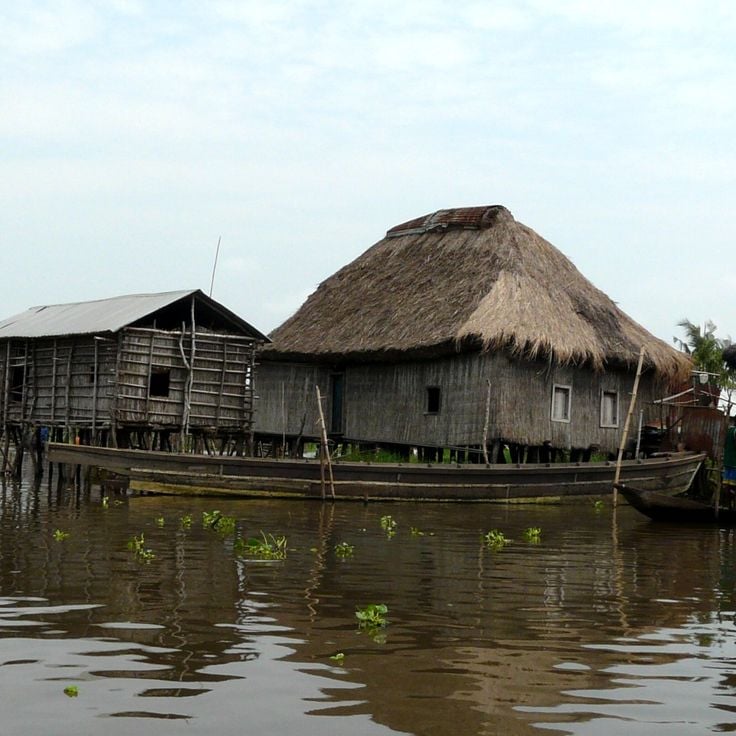
This settlement on Lake Nokoué consists of wooden houses raised on stilts above the water. Residents move between homes by canoe and use the lake for their livelihood. Ganvié shows a way of life adapted to the water over generations, where boats replace streets and families build their homes over the lake. Daily activities like fishing, trading, and going to school happen along the channels that run through the village.
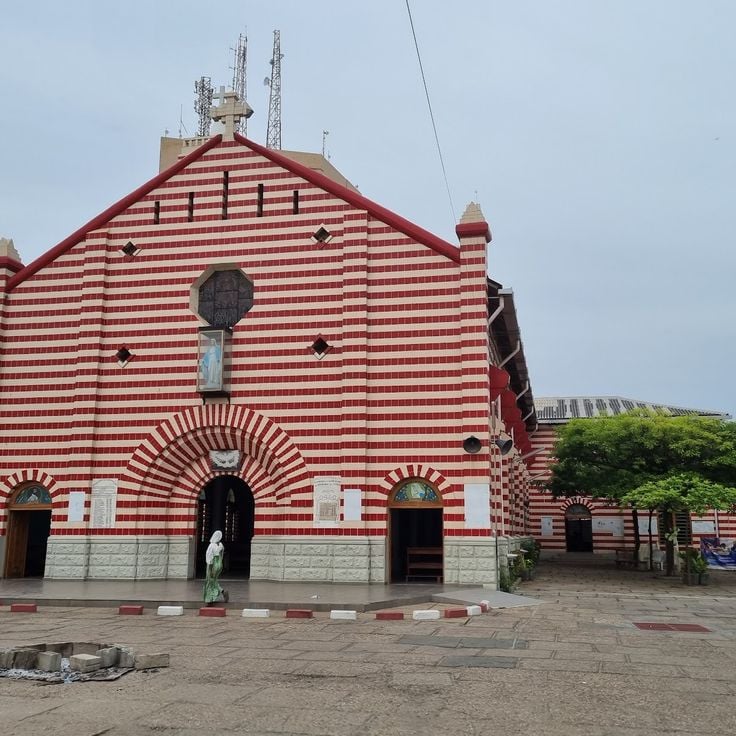
This cathedral rises in central Cotonou with two towers that have overlooked the streets since 1928. The facade shows red and white stripes running across the entire exterior, giving the building a pattern you can spot from a distance. The form follows gothic lines with arches and tall windows that let light into the interior. People gather in front of the main entrance for mass or stop by briefly to pause. The cathedral sits close enough to Dantokpa Market that you hear the activity of the city while walking through the church. The stripes on the walls have become a landmark, a point where visitors orient themselves when moving through the city.
This beach stretches along the Gulf of Guinea near Cotonou, where locals and visitors walk the sandy shore on weekends, swim in the water, or rest under palm trees that lean toward the sea. Fidjrosse Beach is lined with small restaurants serving grilled fish and cold drinks while fishermen prepare their nets or pull boats onto the sand. The morning brings quiet activity, and by afternoon families and groups gather to play soccer or watch the waves. Those who want can rent jet skis or canoes to ride the surf. The sand is dark, the water moves steadily, and the air smells of salt and fried food. Life mixes with leisure here, a place where the city meets the ocean and people come to unwind after work or spend a day by the water.
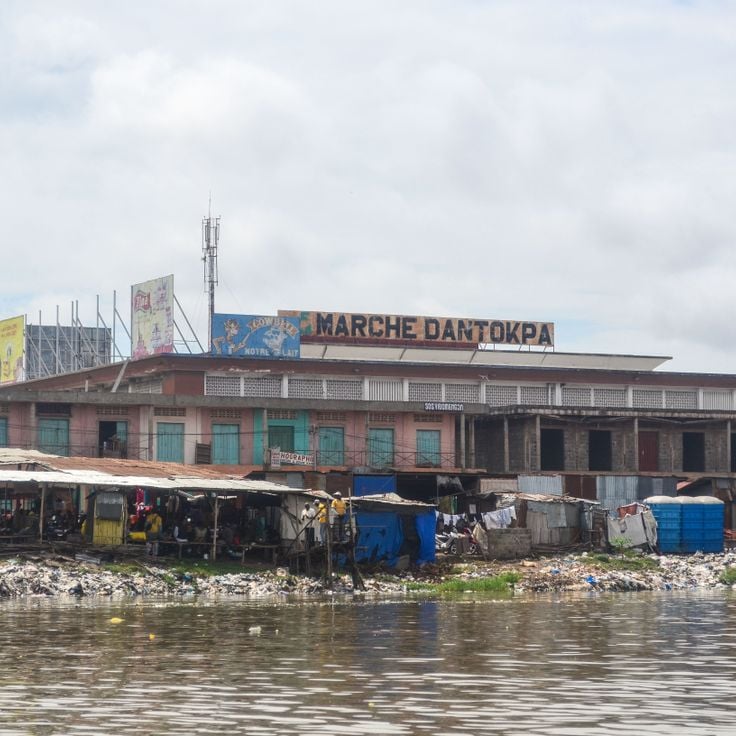
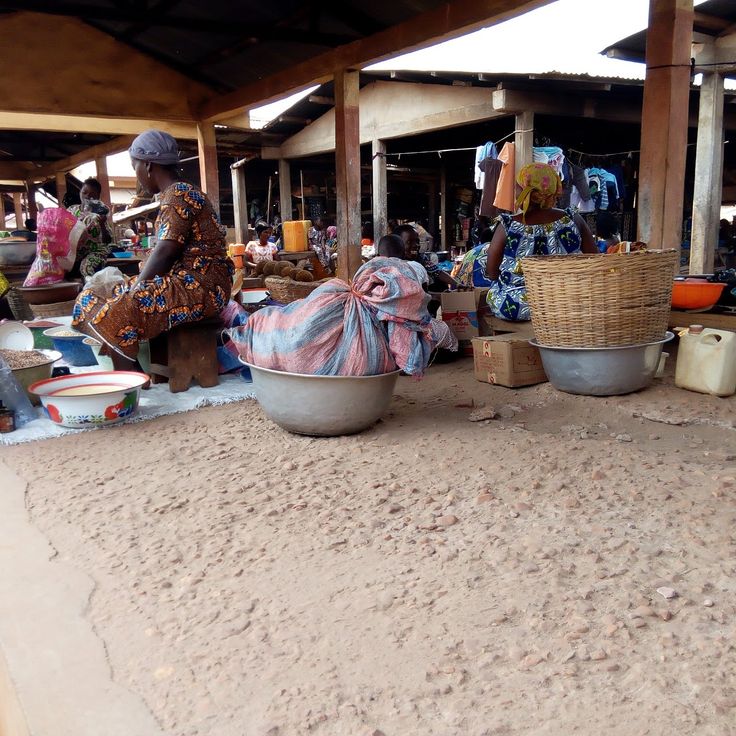
This market spreads across a wide area near the Ouémé River, bringing together stalls selling cloth, food, crafts, and traditional medicines under one roof. Vendors call out their goods while shoppers move through the aisles looking for whatever daily life demands. Dantokpa Market forms a hub of urban life in Cotonou, where local habits and trade relationships have developed over generations and still shape how people go about their everyday errands.
This park stretches across three countries and protects lions, elephants, buffalo, and many bird species. The Niger River forms its northern edge. Travelers looking for wildlife in Benin find savannas where large mammals move through open grasslands and riverbanks where waterbirds gather. The landscape changes between wide plains and gallery forests along the watercourses.
This museum displays traditional clothing, tools, masks, and ceremonial objects from the local cultures of Benin, documenting how different ethnic groups lived and shaped their rituals. The building was constructed in colonial style and preserves evidence of past ways of life. The exhibition helps visitors understand the craftsmanship and daily routines of earlier times and offers insight into religious practices and social structures of the region as you walk through the rooms and imagine how these objects were once used.
This coastal lake spreads north of Cotonou and connects to the Atlantic through a narrow channel. The water is shallow, fringed with reeds and mangroves, and serves as a base for fishermen who live in villages on stilts. Ganvié sits in the middle of the lake, a place you can reach only by canoe. Residents build their homes from wood and palm leaves, set up floating gardens, and catch fish using traps anchored in the water. In the mornings, canoes move between houses, bringing goods to market or children to school. The water mirrors the sky, and the air carries the smell of algae and smoke from cooking fires. The lake changes with the tides, swelling or shrinking, and people adjust their rhythm to the water.
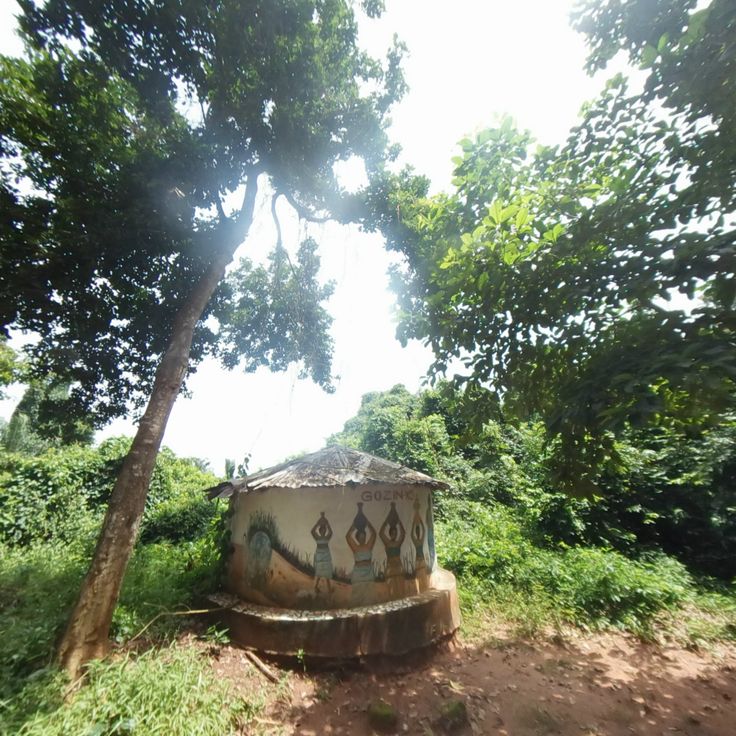
This forest in Ouémé Department serves as a site for Vodun ceremonies. People from nearby communities come here to pray under trees and leave offerings for their ancestors. Statues stand among the trunks, marking places where rituals take place. The Kpassè Forest is part of a living spiritual tradition that has been practiced for generations and continues to shape religious life in Benin.
This market is the commercial center of Bohicon in Zou Department. Vendors offer textiles, food products, handmade goods, and traditional medicines. Business starts early in the morning when most buyers arrive and continues throughout the day. People from the surrounding area come here to shop and trade. Stalls group by type of goods, making it easy for visitors to find what they need.
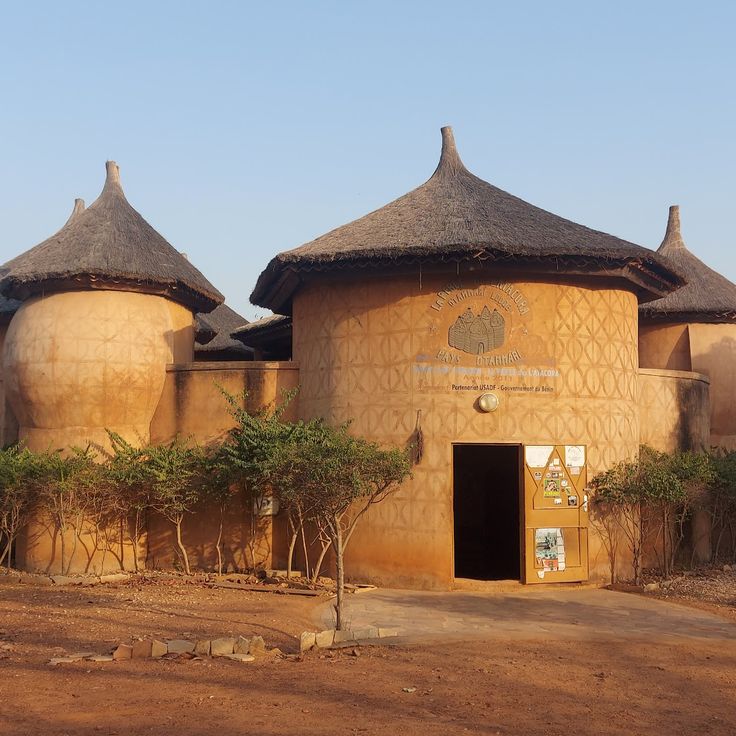
These fortified dwellings were built by the Somba people using clay and wood, with multiple stories combining living areas and grain storage rooms. Thick clay walls protect against heat and offer defense, while small window openings let in light and allow air to circulate. The Tata Houses stand alone or in small clusters across the landscape, showing how the Somba linked architecture to the needs of daily life and food preservation. Each structure follows a similar floor plan that has worked for generations, remaining a living example of handcrafted building tradition in northern Benin.
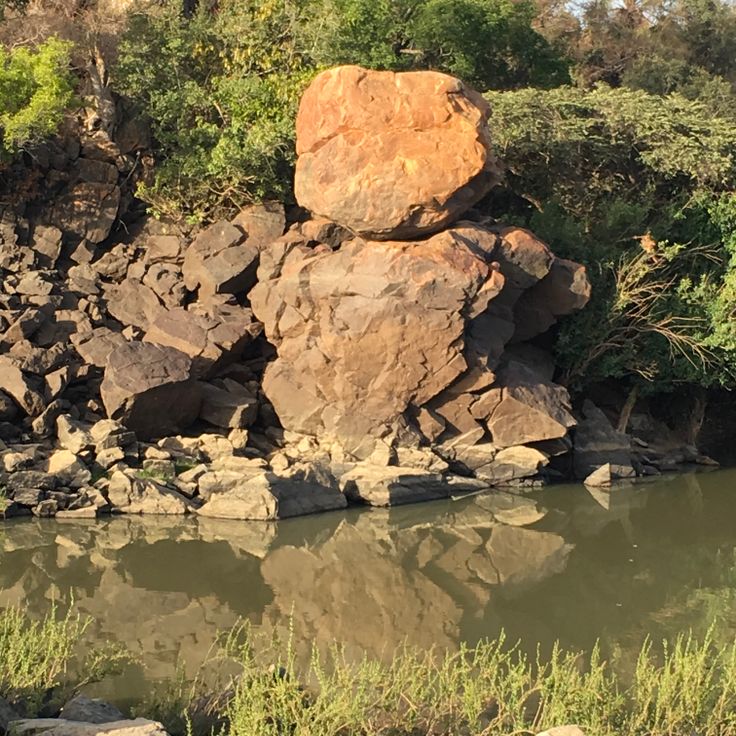
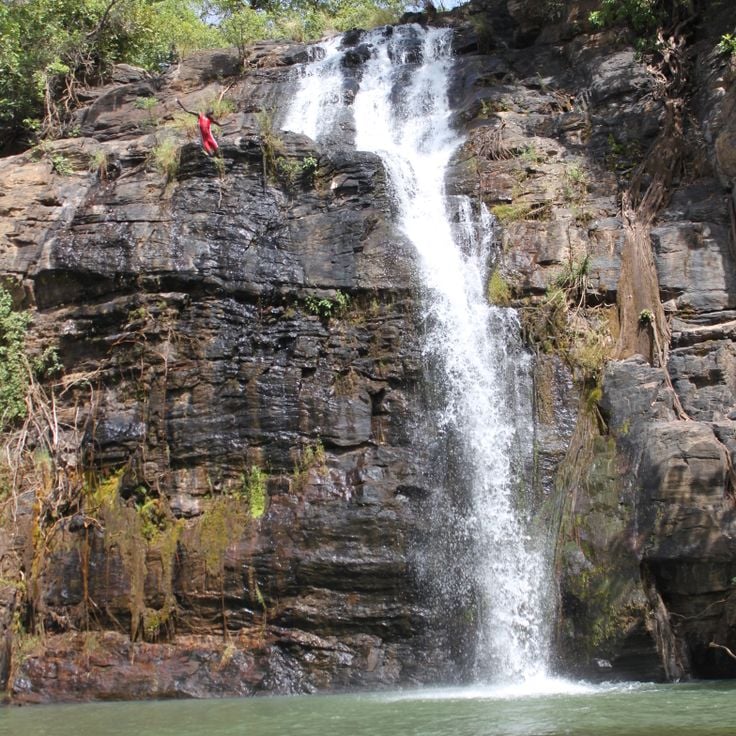
These falls drop over a 20-meter rock face into a shallow basin and deliver water year-round, with flow increasing between July and September. The falls sit within the Atacora Mountains near protected areas where elephants and other wildlife move through the savanna. Water rushes over dark rock and collects in a pool surrounded by trees and low shrubs. Visitors reach the base by a steep path that winds through dry grass and boulders. During the dry months the flow becomes calmer, but the falls never stop entirely. Local communities use the surrounding land for farming and small settlements, while this northern part of Benin shows a more open landscape and hotter climate compared to the greener coastal zone.
This botanical garden gathers native trees, medicinal plants, and flowers in an arboretum where labels identify species and visitors learn about the region's plant life. Papatia Gardens serves research and education, showing what grows in the area and how people have used it over time. Walking the paths, you find shaded sections under canopy trees and beds of plants that have been part of traditional medicine for generations. The place offers a quiet setting to see the variety of vegetation that thrives in Benin.
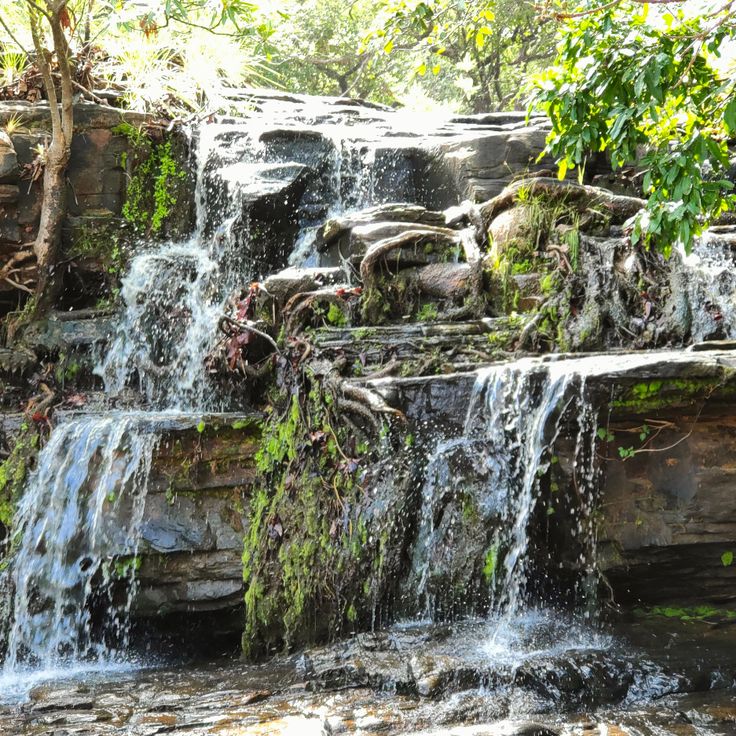
This waterfall near the border with Togo tumbles over granite boulders and forms pools where water collects at the base. The surroundings are forested, and in the early morning you can spot bird species that nest in the trees or forage along the banks. The path leading here passes through villages where people farm the land and tend small plots. Kota sits in a region that sees fewer travelers than the coastal cities or the northern parks, so you are often one of just a handful of visitors. The sound of falling water carries from a distance, and the rock around the cascade is smooth and covered in moss. Locals come here to wash clothes or cool off at the foot of the falls. The pools are shallow enough to stand in, and the water is cold. Palm trees and low shrubs grow around the area, providing shade. This spot shows how nature and daily routines are woven together in Benin, away from the routes most travelers follow.
This park is located in the Borgou region and offers rope courses at different heights along with six zip lines that span about 300 meters (980 feet). Marked paths lead through the forest surrounding the installations. Visitors can move through the canopy and experience the vegetation from an elevated perspective. The park combines physical activity with time spent in nature in an area that belongs to the less visited parts of Benin.
This trade center brings together the craft traditions of surrounding villages with everyday exchange. More than 200 stalls gather here, where weavers spread their fabrics, merchants scoop spices from wooden bowls, and artisans display objects made by hand. Fresh vegetables pile next to dried herbs, while textiles in many colors hang over wooden frames. People come from nearby communities to buy, sell, and share news. The smell of ground spices mixes with the rustle of cotton cloth. It is a place where the skills of craftspeople from Donga become visible and where the rhythm of daily trade connects with encounters between neighbors.
These limestone caves lie in the Atacora Department and consist of several chambers and passages that served as shelters for local people over centuries. Archaeologists found tools, pottery, and other traces of earlier inhabitants inside. The formations took shape through gradual erosion of the rock and now form a network of passages where you can still see marks left by those who sought refuge here. Some chambers are tall enough to stand upright in, while others form narrow corridors. The caves show how people used natural structures to protect themselves from conflict and storms. Visitors can walk through the passages and feel the cool air that flows from inside. The surrounding area is rocky terrain with scattered trees and shrubs.
This botanical garden belongs to Abomey-Calavi University and preserves native and other plant species across two hectares (about 5 acres). Students and specialists use the grounds for research and teaching. Between beds of medicinal herbs and experimental plots, species grow that show how plants thrive in the West African region and which have been used for healing for generations. Paths lead through groups of trees and smaller plants arranged by ecological or medical purpose. The site serves as a teaching tool for future biologists and pharmacists. On sunny days, gardeners work between the rows, pulling weeds or watering young seedlings. Visitors see how science and tradition come together in caring for plants, without large crowds disturbing the quiet.
This forest holds a place in local spiritual life, where religious ceremonies and traditional rites continue to take place among trees that have stood for centuries. The dense canopy shelters many animal species, and paths wind through a landscape that communities have protected as a space for worship and reflection. Walking through, you notice the quiet beneath old branches and the sense that the forest remains tied to practices passed down over generations. It is both a natural refuge and a living part of cultural memory.
This cascade falls over smooth granite stones that glisten under the tropical rain. Trees and palms stand at the edge, their roots reaching into the wet soil. On weekends families from nearby towns come to swim or sit in the shade. The water makes a steady sound that mixes with the rustle of leaves.
This park covers savannas and gallery forests along the Pendjari River, sheltering elephants, lions, leopards, buffaloes, and herds of antelope. The land continues into neighboring reserves in Burkina Faso and Niger, forming one of West Africa's larger continuous wilderness areas. Visitors drive tracks that wind between acacia scrub and open grasslands, passing waterholes where animals gather, especially during the dry season. Early mornings bring cooler temperatures and movement in the bush, when birds call and larger mammals come down to drink.
These royal palaces include twelve residences built by the Fon people between 1625 and 1900. The walls carry reliefs that show battles and royal ceremonies. The buildings served as seats of power for the kings of Dahomey and were constructed using traditional methods, with each ruler adding his own palace. Artisans carved the reliefs into the clay, telling stories of conquests, rituals, and life at court. Today you can walk through the courtyards and see the preserved images that offer a window into the history of the kingdom.
This museum sits inside a Portuguese fort from 1721 and shows the history of the Slave Coast through objects, photographs, and displays about local traditions. The rooms hold items from the era of trade, religious objects from Vodun culture, and records of the Dahomey royal dynasties. Visitors walk through courtyards with thick walls and explore galleries that explain how different groups lived and worked along this coast.
This beach stretches for several kilometers along the Gulf of Guinea. Palm trees line the shore while local fishermen work with traditional nets. The water is warm and the waves roll in steadily. In the morning, fishing boats head out to sea, and by evening they return with the day's catch. Along the sand, vendors sell fresh coconuts and grilled fish. The coast here is flat and wide, with fine sand that extends far inland. Some sections are busy, others quieter. You often see locals walking between the palms or resting in the shade.
This settlement on Lake Nokoué consists of wooden houses raised on stilts above the water. Residents move between homes by canoe and use the lake for their livelihood. Ganvié shows a way of life adapted to the water over generations, where boats replace streets and families build their homes over the lake. Daily activities like fishing, trading, and going to school happen along the channels that run through the village.
This cathedral rises in central Cotonou with two towers that have overlooked the streets since 1928. The facade shows red and white stripes running across the entire exterior, giving the building a pattern you can spot from a distance. The form follows gothic lines with arches and tall windows that let light into the interior. People gather in front of the main entrance for mass or stop by briefly to pause. The cathedral sits close enough to Dantokpa Market that you hear the activity of the city while walking through the church. The stripes on the walls have become a landmark, a point where visitors orient themselves when moving through the city.
This beach stretches along the Gulf of Guinea near Cotonou, where locals and visitors walk the sandy shore on weekends, swim in the water, or rest under palm trees that lean toward the sea. Fidjrosse Beach is lined with small restaurants serving grilled fish and cold drinks while fishermen prepare their nets or pull boats onto the sand. The morning brings quiet activity, and by afternoon families and groups gather to play soccer or watch the waves. Those who want can rent jet skis or canoes to ride the surf. The sand is dark, the water moves steadily, and the air smells of salt and fried food. Life mixes with leisure here, a place where the city meets the ocean and people come to unwind after work or spend a day by the water.
This market spreads across a wide area near the Ouémé River, bringing together stalls selling cloth, food, crafts, and traditional medicines under one roof. Vendors call out their goods while shoppers move through the aisles looking for whatever daily life demands. Dantokpa Market forms a hub of urban life in Cotonou, where local habits and trade relationships have developed over generations and still shape how people go about their everyday errands.
This park stretches across three countries and protects lions, elephants, buffalo, and many bird species. The Niger River forms its northern edge. Travelers looking for wildlife in Benin find savannas where large mammals move through open grasslands and riverbanks where waterbirds gather. The landscape changes between wide plains and gallery forests along the watercourses.
This museum displays traditional clothing, tools, masks, and ceremonial objects from the local cultures of Benin, documenting how different ethnic groups lived and shaped their rituals. The building was constructed in colonial style and preserves evidence of past ways of life. The exhibition helps visitors understand the craftsmanship and daily routines of earlier times and offers insight into religious practices and social structures of the region as you walk through the rooms and imagine how these objects were once used.
This coastal lake spreads north of Cotonou and connects to the Atlantic through a narrow channel. The water is shallow, fringed with reeds and mangroves, and serves as a base for fishermen who live in villages on stilts. Ganvié sits in the middle of the lake, a place you can reach only by canoe. Residents build their homes from wood and palm leaves, set up floating gardens, and catch fish using traps anchored in the water. In the mornings, canoes move between houses, bringing goods to market or children to school. The water mirrors the sky, and the air carries the smell of algae and smoke from cooking fires. The lake changes with the tides, swelling or shrinking, and people adjust their rhythm to the water.
This forest in Ouémé Department serves as a site for Vodun ceremonies. People from nearby communities come here to pray under trees and leave offerings for their ancestors. Statues stand among the trunks, marking places where rituals take place. The Kpassè Forest is part of a living spiritual tradition that has been practiced for generations and continues to shape religious life in Benin.
This market is the commercial center of Bohicon in Zou Department. Vendors offer textiles, food products, handmade goods, and traditional medicines. Business starts early in the morning when most buyers arrive and continues throughout the day. People from the surrounding area come here to shop and trade. Stalls group by type of goods, making it easy for visitors to find what they need.
These fortified dwellings were built by the Somba people using clay and wood, with multiple stories combining living areas and grain storage rooms. Thick clay walls protect against heat and offer defense, while small window openings let in light and allow air to circulate. The Tata Houses stand alone or in small clusters across the landscape, showing how the Somba linked architecture to the needs of daily life and food preservation. Each structure follows a similar floor plan that has worked for generations, remaining a living example of handcrafted building tradition in northern Benin.
These falls drop over a 20-meter rock face into a shallow basin and deliver water year-round, with flow increasing between July and September. The falls sit within the Atacora Mountains near protected areas where elephants and other wildlife move through the savanna. Water rushes over dark rock and collects in a pool surrounded by trees and low shrubs. Visitors reach the base by a steep path that winds through dry grass and boulders. During the dry months the flow becomes calmer, but the falls never stop entirely. Local communities use the surrounding land for farming and small settlements, while this northern part of Benin shows a more open landscape and hotter climate compared to the greener coastal zone.
This botanical garden gathers native trees, medicinal plants, and flowers in an arboretum where labels identify species and visitors learn about the region's plant life. Papatia Gardens serves research and education, showing what grows in the area and how people have used it over time. Walking the paths, you find shaded sections under canopy trees and beds of plants that have been part of traditional medicine for generations. The place offers a quiet setting to see the variety of vegetation that thrives in Benin.
This waterfall near the border with Togo tumbles over granite boulders and forms pools where water collects at the base. The surroundings are forested, and in the early morning you can spot bird species that nest in the trees or forage along the banks. The path leading here passes through villages where people farm the land and tend small plots. Kota sits in a region that sees fewer travelers than the coastal cities or the northern parks, so you are often one of just a handful of visitors. The sound of falling water carries from a distance, and the rock around the cascade is smooth and covered in moss. Locals come here to wash clothes or cool off at the foot of the falls. The pools are shallow enough to stand in, and the water is cold. Palm trees and low shrubs grow around the area, providing shade. This spot shows how nature and daily routines are woven together in Benin, away from the routes most travelers follow.
This park is located in the Borgou region and offers rope courses at different heights along with six zip lines that span about 300 meters (980 feet). Marked paths lead through the forest surrounding the installations. Visitors can move through the canopy and experience the vegetation from an elevated perspective. The park combines physical activity with time spent in nature in an area that belongs to the less visited parts of Benin.
This trade center brings together the craft traditions of surrounding villages with everyday exchange. More than 200 stalls gather here, where weavers spread their fabrics, merchants scoop spices from wooden bowls, and artisans display objects made by hand. Fresh vegetables pile next to dried herbs, while textiles in many colors hang over wooden frames. People come from nearby communities to buy, sell, and share news. The smell of ground spices mixes with the rustle of cotton cloth. It is a place where the skills of craftspeople from Donga become visible and where the rhythm of daily trade connects with encounters between neighbors.
These limestone caves lie in the Atacora Department and consist of several chambers and passages that served as shelters for local people over centuries. Archaeologists found tools, pottery, and other traces of earlier inhabitants inside. The formations took shape through gradual erosion of the rock and now form a network of passages where you can still see marks left by those who sought refuge here. Some chambers are tall enough to stand upright in, while others form narrow corridors. The caves show how people used natural structures to protect themselves from conflict and storms. Visitors can walk through the passages and feel the cool air that flows from inside. The surrounding area is rocky terrain with scattered trees and shrubs.
This botanical garden belongs to Abomey-Calavi University and preserves native and other plant species across two hectares (about 5 acres). Students and specialists use the grounds for research and teaching. Between beds of medicinal herbs and experimental plots, species grow that show how plants thrive in the West African region and which have been used for healing for generations. Paths lead through groups of trees and smaller plants arranged by ecological or medical purpose. The site serves as a teaching tool for future biologists and pharmacists. On sunny days, gardeners work between the rows, pulling weeds or watering young seedlings. Visitors see how science and tradition come together in caring for plants, without large crowds disturbing the quiet.
This forest holds a place in local spiritual life, where religious ceremonies and traditional rites continue to take place among trees that have stood for centuries. The dense canopy shelters many animal species, and paths wind through a landscape that communities have protected as a space for worship and reflection. Walking through, you notice the quiet beneath old branches and the sense that the forest remains tied to practices passed down over generations. It is both a natural refuge and a living part of cultural memory.
This cascade falls over smooth granite stones that glisten under the tropical rain. Trees and palms stand at the edge, their roots reaching into the wet soil. On weekends families from nearby towns come to swim or sit in the shade. The water makes a steady sound that mixes with the rustle of leaves.
This park covers savannas and gallery forests along the Pendjari River, sheltering elephants, lions, leopards, buffaloes, and herds of antelope. The land continues into neighboring reserves in Burkina Faso and Niger, forming one of West Africa's larger continuous wilderness areas. Visitors drive tracks that wind between acacia scrub and open grasslands, passing waterholes where animals gather, especially during the dry season. Early mornings bring cooler temperatures and movement in the bush, when birds call and larger mammals come down to drink.
These royal palaces include twelve residences built by the Fon people between 1625 and 1900. The walls carry reliefs that show battles and royal ceremonies. The buildings served as seats of power for the kings of Dahomey and were constructed using traditional methods, with each ruler adding his own palace. Artisans carved the reliefs into the clay, telling stories of conquests, rituals, and life at court. Today you can walk through the courtyards and see the preserved images that offer a window into the history of the kingdom.
This museum sits inside a Portuguese fort from 1721 and shows the history of the Slave Coast through objects, photographs, and displays about local traditions. The rooms hold items from the era of trade, religious objects from Vodun culture, and records of the Dahomey royal dynasties. Visitors walk through courtyards with thick walls and explore galleries that explain how different groups lived and worked along this coast.
This beach stretches for several kilometers along the Gulf of Guinea. Palm trees line the shore while local fishermen work with traditional nets. The water is warm and the waves roll in steadily. In the morning, fishing boats head out to sea, and by evening they return with the day's catch. Along the sand, vendors sell fresh coconuts and grilled fish. The coast here is flat and wide, with fine sand that extends far inland. Some sections are busy, others quieter. You often see locals walking between the palms or resting in the shade.
This settlement on Lake Nokoué consists of wooden houses raised on stilts above the water. Residents move between homes by canoe and use the lake for their livelihood. Ganvié shows a way of life adapted to the water over generations, where boats replace streets and families build their homes over the lake. Daily activities like fishing, trading, and going to school happen along the channels that run through the village.
This cathedral rises in central Cotonou with two towers that have overlooked the streets since 1928. The facade shows red and white stripes running across the entire exterior, giving the building a pattern you can spot from a distance. The form follows gothic lines with arches and tall windows that let light into the interior. People gather in front of the main entrance for mass or stop by briefly to pause. The cathedral sits close enough to Dantokpa Market that you hear the activity of the city while walking through the church. The stripes on the walls have become a landmark, a point where visitors orient themselves when moving through the city.
This beach stretches along the Gulf of Guinea near Cotonou, where locals and visitors walk the sandy shore on weekends, swim in the water, or rest under palm trees that lean toward the sea. Fidjrosse Beach is lined with small restaurants serving grilled fish and cold drinks while fishermen prepare their nets or pull boats onto the sand. The morning brings quiet activity, and by afternoon families and groups gather to play soccer or watch the waves. Those who want can rent jet skis or canoes to ride the surf. The sand is dark, the water moves steadily, and the air smells of salt and fried food. Life mixes with leisure here, a place where the city meets the ocean and people come to unwind after work or spend a day by the water.
This market spreads across a wide area near the Ouémé River, bringing together stalls selling cloth, food, crafts, and traditional medicines under one roof. Vendors call out their goods while shoppers move through the aisles looking for whatever daily life demands. Dantokpa Market forms a hub of urban life in Cotonou, where local habits and trade relationships have developed over generations and still shape how people go about their everyday errands.
This park stretches across three countries and protects lions, elephants, buffalo, and many bird species. The Niger River forms its northern edge. Travelers looking for wildlife in Benin find savannas where large mammals move through open grasslands and riverbanks where waterbirds gather. The landscape changes between wide plains and gallery forests along the watercourses.
This museum displays traditional clothing, tools, masks, and ceremonial objects from the local cultures of Benin, documenting how different ethnic groups lived and shaped their rituals. The building was constructed in colonial style and preserves evidence of past ways of life. The exhibition helps visitors understand the craftsmanship and daily routines of earlier times and offers insight into religious practices and social structures of the region as you walk through the rooms and imagine how these objects were once used.
This coastal lake spreads north of Cotonou and connects to the Atlantic through a narrow channel. The water is shallow, fringed with reeds and mangroves, and serves as a base for fishermen who live in villages on stilts. Ganvié sits in the middle of the lake, a place you can reach only by canoe. Residents build their homes from wood and palm leaves, set up floating gardens, and catch fish using traps anchored in the water. In the mornings, canoes move between houses, bringing goods to market or children to school. The water mirrors the sky, and the air carries the smell of algae and smoke from cooking fires. The lake changes with the tides, swelling or shrinking, and people adjust their rhythm to the water.
This forest in Ouémé Department serves as a site for Vodun ceremonies. People from nearby communities come here to pray under trees and leave offerings for their ancestors. Statues stand among the trunks, marking places where rituals take place. The Kpassè Forest is part of a living spiritual tradition that has been practiced for generations and continues to shape religious life in Benin.
This market is the commercial center of Bohicon in Zou Department. Vendors offer textiles, food products, handmade goods, and traditional medicines. Business starts early in the morning when most buyers arrive and continues throughout the day. People from the surrounding area come here to shop and trade. Stalls group by type of goods, making it easy for visitors to find what they need.
These fortified dwellings were built by the Somba people using clay and wood, with multiple stories combining living areas and grain storage rooms. Thick clay walls protect against heat and offer defense, while small window openings let in light and allow air to circulate. The Tata Houses stand alone or in small clusters across the landscape, showing how the Somba linked architecture to the needs of daily life and food preservation. Each structure follows a similar floor plan that has worked for generations, remaining a living example of handcrafted building tradition in northern Benin.
These falls drop over a 20-meter rock face into a shallow basin and deliver water year-round, with flow increasing between July and September. The falls sit within the Atacora Mountains near protected areas where elephants and other wildlife move through the savanna. Water rushes over dark rock and collects in a pool surrounded by trees and low shrubs. Visitors reach the base by a steep path that winds through dry grass and boulders. During the dry months the flow becomes calmer, but the falls never stop entirely. Local communities use the surrounding land for farming and small settlements, while this northern part of Benin shows a more open landscape and hotter climate compared to the greener coastal zone.
This botanical garden gathers native trees, medicinal plants, and flowers in an arboretum where labels identify species and visitors learn about the region's plant life. Papatia Gardens serves research and education, showing what grows in the area and how people have used it over time. Walking the paths, you find shaded sections under canopy trees and beds of plants that have been part of traditional medicine for generations. The place offers a quiet setting to see the variety of vegetation that thrives in Benin.
This waterfall near the border with Togo tumbles over granite boulders and forms pools where water collects at the base. The surroundings are forested, and in the early morning you can spot bird species that nest in the trees or forage along the banks. The path leading here passes through villages where people farm the land and tend small plots. Kota sits in a region that sees fewer travelers than the coastal cities or the northern parks, so you are often one of just a handful of visitors. The sound of falling water carries from a distance, and the rock around the cascade is smooth and covered in moss. Locals come here to wash clothes or cool off at the foot of the falls. The pools are shallow enough to stand in, and the water is cold. Palm trees and low shrubs grow around the area, providing shade. This spot shows how nature and daily routines are woven together in Benin, away from the routes most travelers follow.
This park is located in the Borgou region and offers rope courses at different heights along with six zip lines that span about 300 meters (980 feet). Marked paths lead through the forest surrounding the installations. Visitors can move through the canopy and experience the vegetation from an elevated perspective. The park combines physical activity with time spent in nature in an area that belongs to the less visited parts of Benin.
This trade center brings together the craft traditions of surrounding villages with everyday exchange. More than 200 stalls gather here, where weavers spread their fabrics, merchants scoop spices from wooden bowls, and artisans display objects made by hand. Fresh vegetables pile next to dried herbs, while textiles in many colors hang over wooden frames. People come from nearby communities to buy, sell, and share news. The smell of ground spices mixes with the rustle of cotton cloth. It is a place where the skills of craftspeople from Donga become visible and where the rhythm of daily trade connects with encounters between neighbors.
These limestone caves lie in the Atacora Department and consist of several chambers and passages that served as shelters for local people over centuries. Archaeologists found tools, pottery, and other traces of earlier inhabitants inside. The formations took shape through gradual erosion of the rock and now form a network of passages where you can still see marks left by those who sought refuge here. Some chambers are tall enough to stand upright in, while others form narrow corridors. The caves show how people used natural structures to protect themselves from conflict and storms. Visitors can walk through the passages and feel the cool air that flows from inside. The surrounding area is rocky terrain with scattered trees and shrubs.
This botanical garden belongs to Abomey-Calavi University and preserves native and other plant species across two hectares (about 5 acres). Students and specialists use the grounds for research and teaching. Between beds of medicinal herbs and experimental plots, species grow that show how plants thrive in the West African region and which have been used for healing for generations. Paths lead through groups of trees and smaller plants arranged by ecological or medical purpose. The site serves as a teaching tool for future biologists and pharmacists. On sunny days, gardeners work between the rows, pulling weeds or watering young seedlings. Visitors see how science and tradition come together in caring for plants, without large crowds disturbing the quiet.
This forest holds a place in local spiritual life, where religious ceremonies and traditional rites continue to take place among trees that have stood for centuries. The dense canopy shelters many animal species, and paths wind through a landscape that communities have protected as a space for worship and reflection. Walking through, you notice the quiet beneath old branches and the sense that the forest remains tied to practices passed down over generations. It is both a natural refuge and a living part of cultural memory.
This cascade falls over smooth granite stones that glisten under the tropical rain. Trees and palms stand at the edge, their roots reaching into the wet soil. On weekends families from nearby towns come to swim or sit in the shade. The water makes a steady sound that mixes with the rustle of leaves.