See the monuments around you in AROpen chests in the app
Around Us is built for your phone — point your camera at the streets and discover the monuments and places around you in augmented reality.Around Us is built for your phone — chests unlock when you walk, explore and capture nearby places.
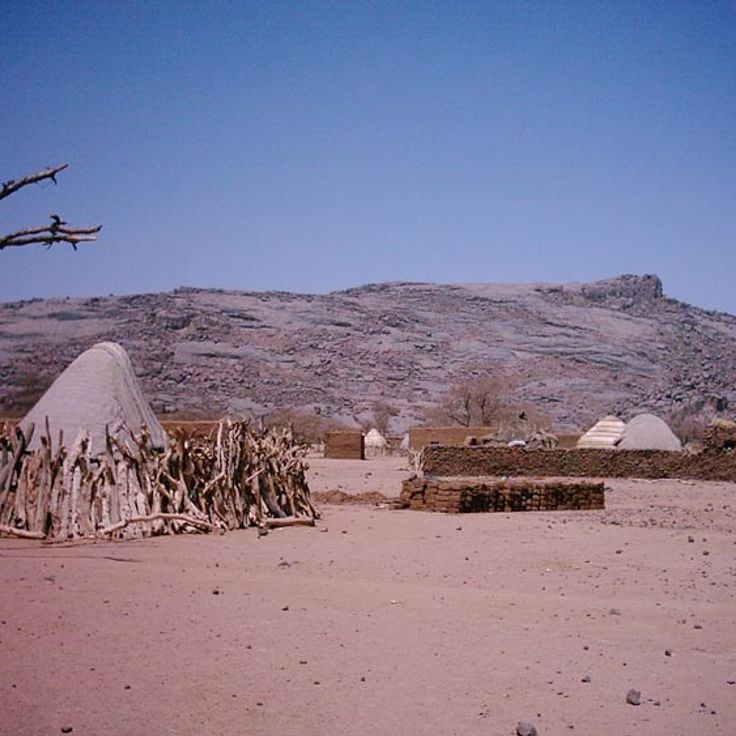
Niger reveals its character through desert expanses, mud architecture, and traces of centuries of trade and culture. The Ténéré Desert stretches across the southeast, bordered by the Aïr Mountains where oases such as Timia provide relief from the surrounding sand. Agadez holds the 16th-century Great Mosque with its towering minaret and the Sultan's Palace, both shaped from adobe brick in the Sahelian style. In Niamey, the National Museum displays tools, textiles, and artifacts from Haussa, Zarma, and Tuareg communities, while the Grand Market fills covered passages with spices, fabrics, and everyday goods.
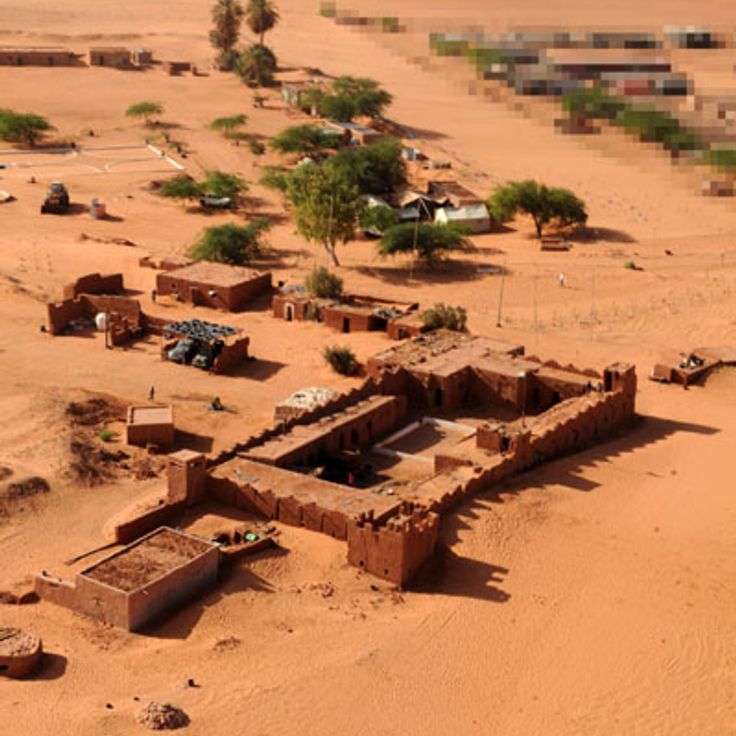
Fort de Madama stands in ruin far to the northeast, a French military post from 1931 that once guarded caravan routes between Niger and Libya. Zinder preserves its own Great Mosque and Fort Tanimoune, and Dosso keeps the Palace of the Chief and Tunguma Stone as markers of local authority. Abaaba National Park shelters black rhinoceroses and Sahelian antelopes across thorn scrub and grassland, showing efforts to protect wildlife in a demanding climate. These places together tell the story of a country shaped by desert conditions, ancient trade, and the meeting of different peoples and beliefs.
Niger reveals its character through desert expanses, mud architecture, and traces of centuries of trade and culture. The Ténéré Desert stretches across the southeast, bordered by the Aïr Mountains where oases such as Timia provide relief from the surrounding sand. Agadez holds the 16th-century Great Mosque with its towering minaret and the Sultan's Palace, both shaped from adobe brick in the Sahelian style. In Niamey, the National Museum displays tools, textiles, and artifacts from Haussa, Zarma, and Tuareg communities, while the Grand Market fills covered passages with spices, fabrics, and everyday goods.
Fort de Madama stands in ruin far to the northeast, a French military post from 1931 that once guarded caravan routes between Niger and Libya. Zinder preserves its own Great Mosque and Fort Tanimoune, and Dosso keeps the Palace of the Chief and Tunguma Stone as markers of local authority. Abaaba National Park shelters black rhinoceroses and Sahelian antelopes across thorn scrub and grassland, showing efforts to protect wildlife in a demanding climate. These places together tell the story of a country shaped by desert conditions, ancient trade, and the meeting of different peoples and beliefs.
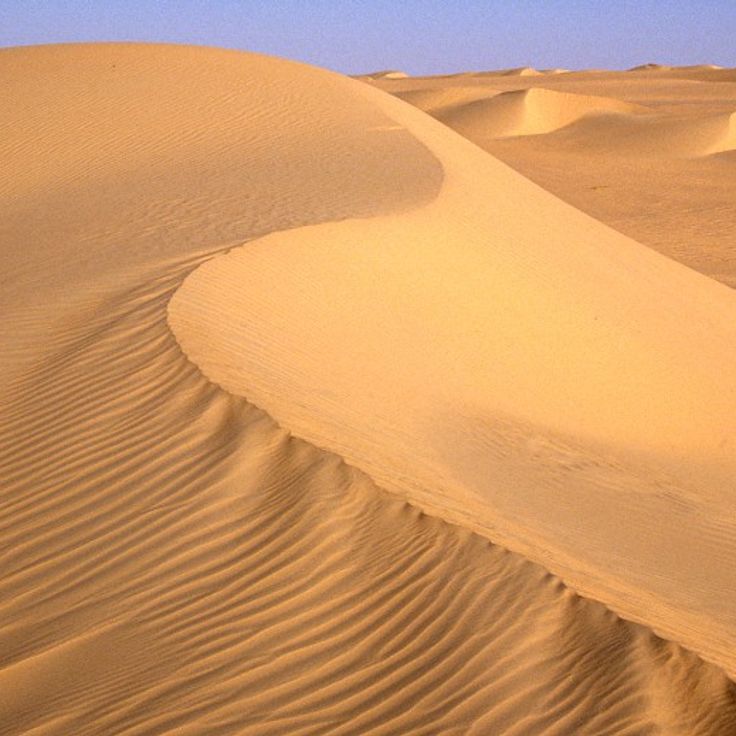
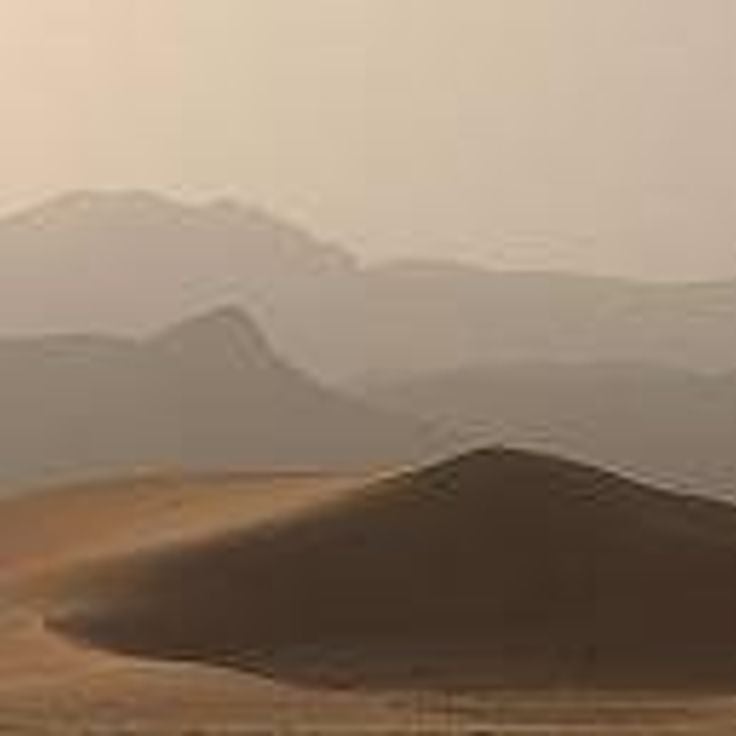
This desert extends across 150,000 square miles (400,000 square kilometers) in the southeastern Sahara, illustrating the extreme landscape diversity that Niger offers. The Ténéré consists of vast sand expanses and dunes where temperatures regularly exceed 105°F (40°C). The desert forms one of the most remote and arid areas on Earth, representing the natural environment that shapes the country alongside its historical sites and cultural centers.
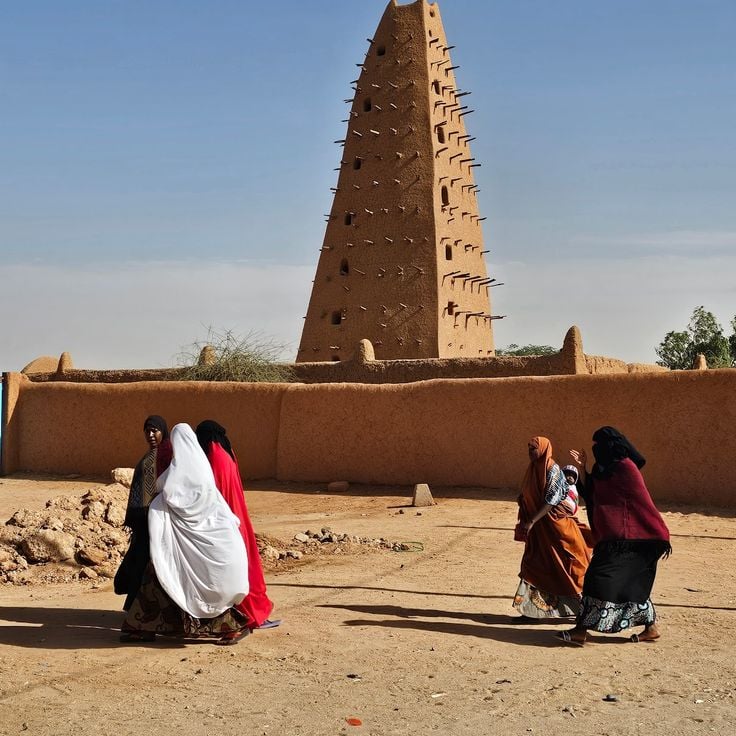
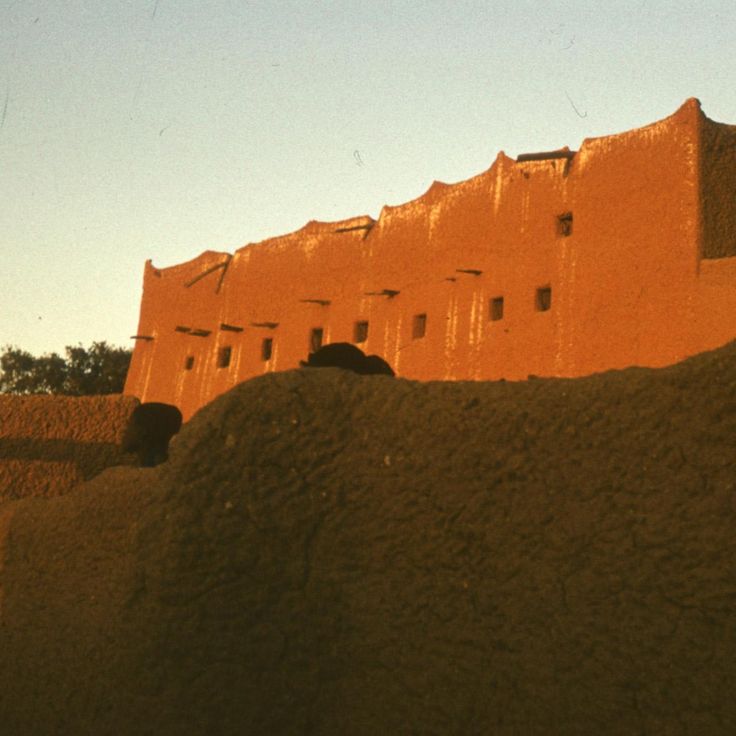
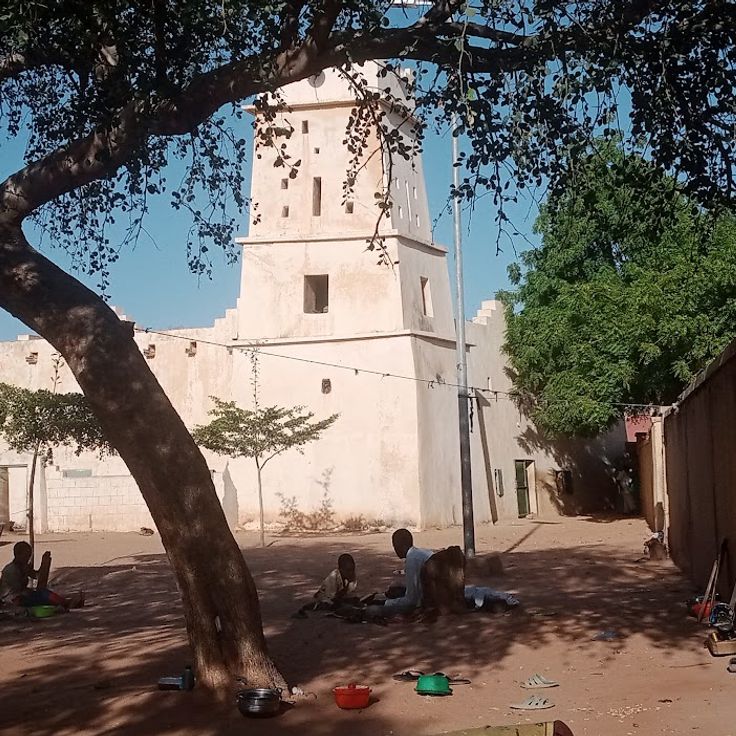
The Great Mosque of Agadez is a mudbrick religious building constructed in the 16th century and ranks among the notable structures in Niger's catalog of historical monuments. This mosque features a 27-meter (89-foot) minaret and demonstrates traditional Sahelian construction techniques characteristic of the region. The mosque stands in the center of Agadez and documents the religious and architectural history of the city across more than four centuries.
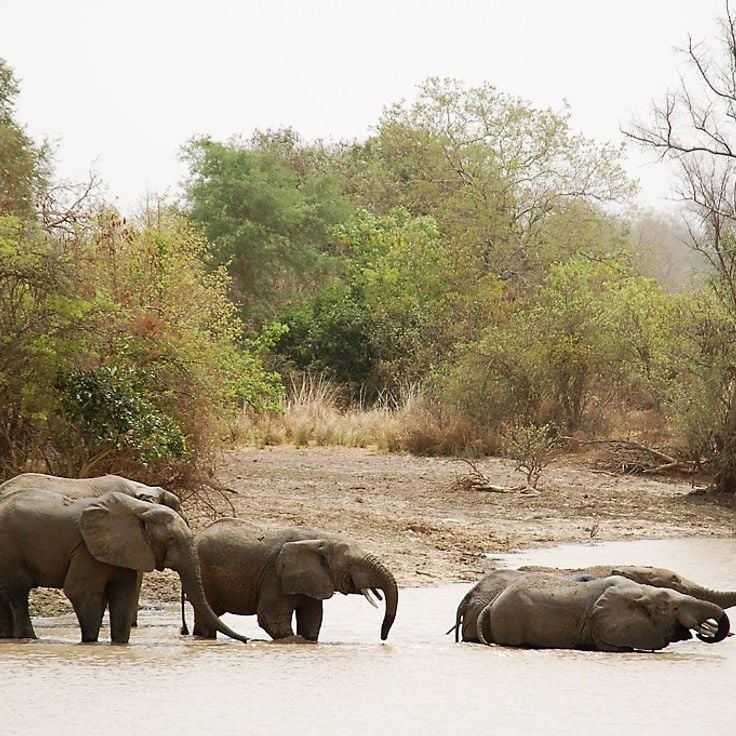
Abaaba National Park is a protected area covering 7,700 hectares (19,000 acres), established in 1987. The park shelters a population of black rhinoceroses and several species of Sahelian antelopes. This conservation area represents one of Niger's efforts to protect endangered wildlife in this challenging environmental zone. Visitors to the park encounter the characteristic vegetation of the Sahel, where thorn scrub savanna alternates with open grassland. The reserve operates within a demanding climate marked by extended dry seasons.
This French military post was built in 1931 in the Ténéré Desert and served as a checkpoint on the caravan route between Niger and Libya. Fort de Madama sits roughly 90 kilometers (55 miles) northeast of Dirkou and documents the French colonial period in the Sahara. The facility consisted of several buildings that provided shelter and protection for troops stationed here. Today the ruins of this outpost bear witness to France's military presence in one of Niger's most inhospitable areas. The fort illustrates the strategic importance of desert routes during colonial rule and forms part of the historical monuments that tell Niger's history.
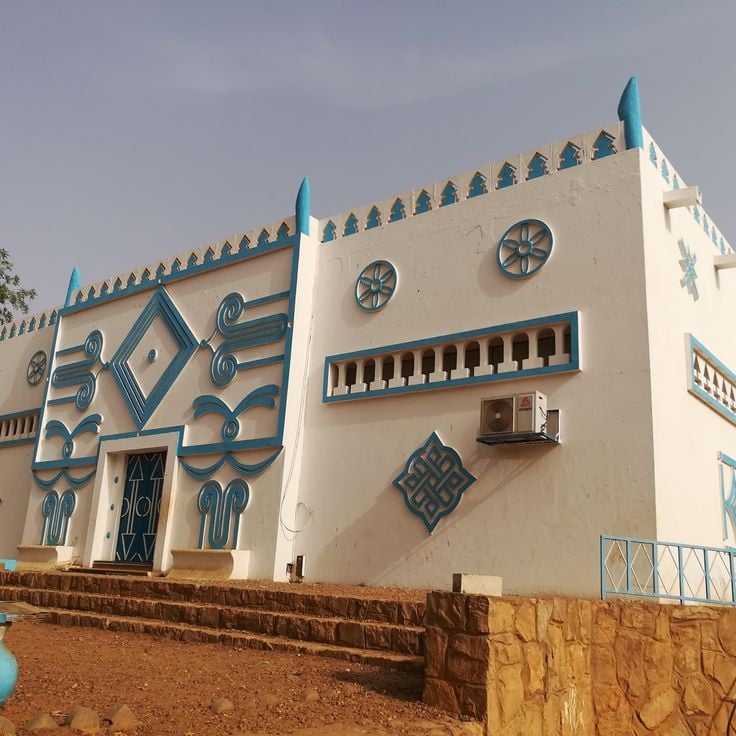
This residence serves as the official seat of the Sultan of Aïr and was built using traditional Hausa architecture with adobe construction. The building embodies the administrative and ceremonial functions of the sultanate government. The adobe brick construction follows the climatic requirements of the Sahara region and demonstrates centuries of building traditions. The palace stands at the center of Agadez and represents the continuing political structure that has existed since the 15th century. Visitors can view the exterior facade, which displays typical elements of Saharan mud architecture. The structure fits into the historic cityscape that has been recognized by UNESCO as a World Heritage site.
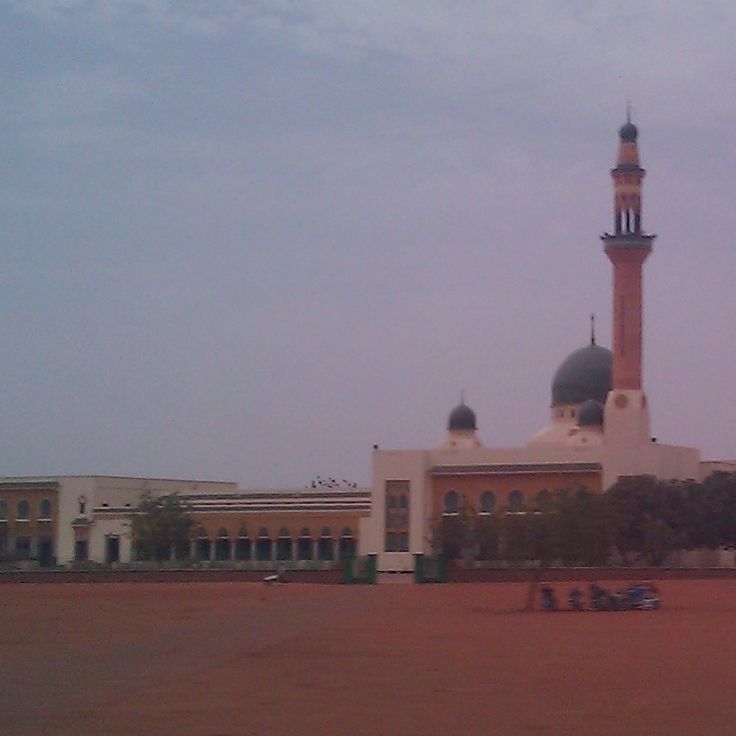
This mosque, built in the 1970s, serves as the main place of worship for the capital's Muslim population. The building features a tall minaret and a prayer hall that can accommodate several thousand worshippers. The Great Mosque of Niamey stands among the country's important religious structures that document its Islamic heritage and complement Niger's collection of historical monuments and cultural sites.
This agricultural facility includes a wildlife park, cultivation areas, and educational programs in Niger's capital. Youyou Farm provides insights into local farming practices and houses various animal species. The site serves both as a production facility and an educational center where visitors learn about sustainable cultivation methods and native fauna. The grounds combine practical agriculture with conservation and education efforts.
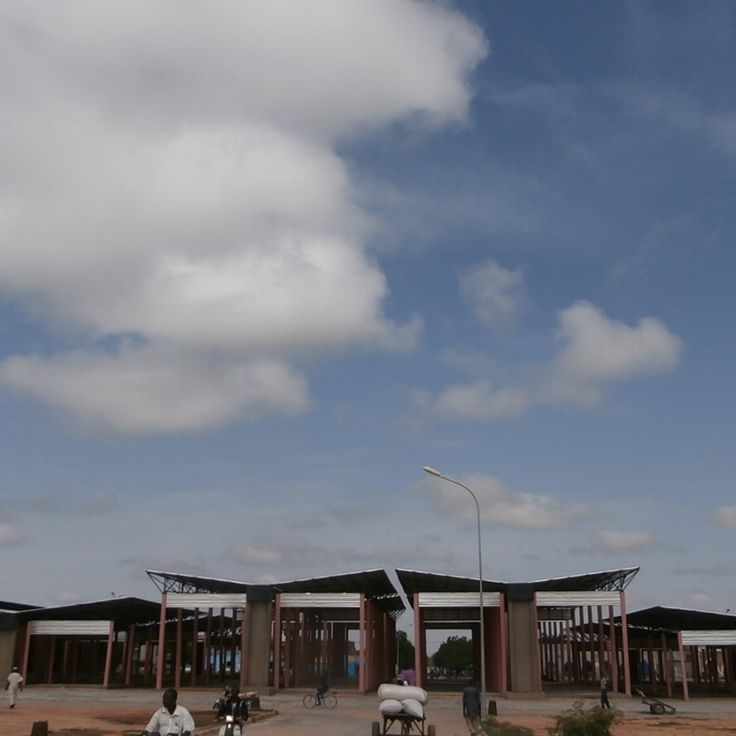
This market is Niamey's largest trading center, filling several covered passages with stalls selling food, textiles, crafts, and local products. Vendors here offer everything from spices and fresh vegetables to traditional fabrics, baskets, and household goods. The Grand Market represents Niger's urban commercial life and provides insight into daily provisioning for the city's population. The architecture combines modern roofing with traditional market structures, and the range of goods reflects both local production and regional trade connections.
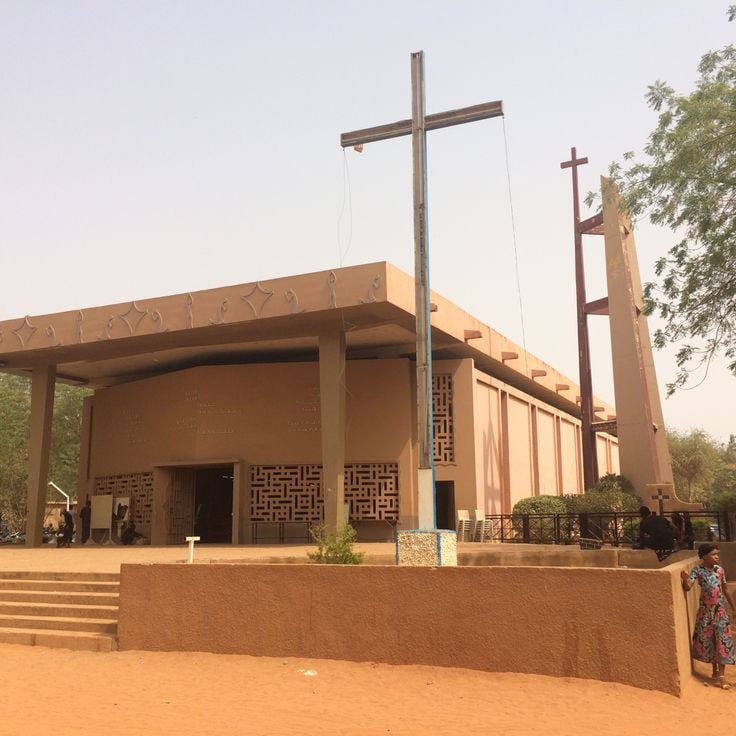
This cathedral stands at the center of Niamey and serves as the seat of the diocese of the Nigerien capital. The Catholic religious building was constructed during the 1950s and represents the Christian presence in a predominantly Muslim region. The architecture combines European religious building traditions with local climatic requirements. The structure forms part of the religious buildings that contribute to Niger's historical and cultural diversity, documenting the various faiths present in the country alongside mosques, museums and other places of worship.
This museum was founded in 1959 and displays archaeological finds, ethnographic objects and handicrafts from different regions of Niger. The collection includes prehistoric tools, traditional clothing, musical instruments and jewelry from the Haussa, Zarma, Tuareg and other ethnic groups. The grounds also contain an open-air museum with traditional dwellings from various parts of the country, a botanical garden and an enclosure housing live crocodiles. The institution serves as an important documentation center for the material culture of the nation and provides insights into the history of the region from the Paleolithic era to the present.
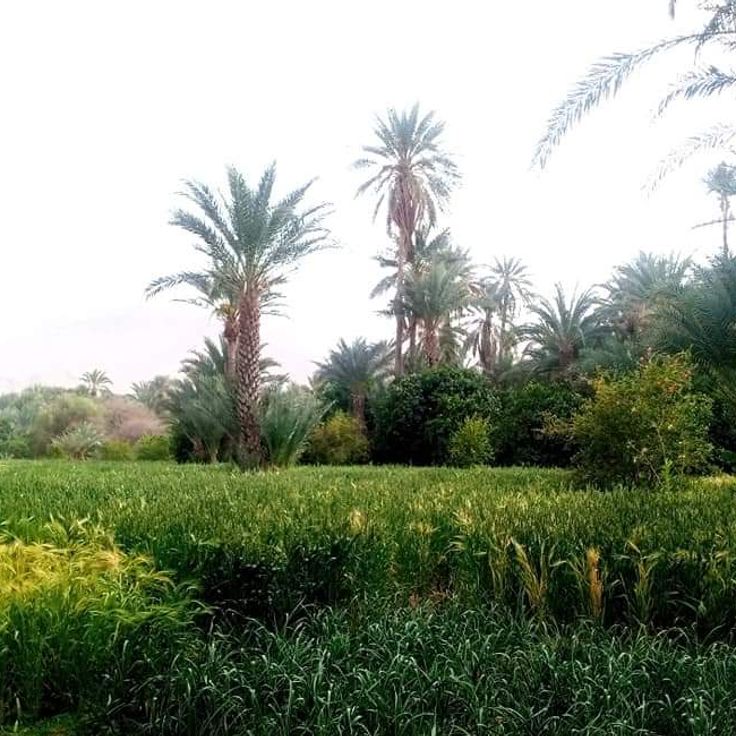
This oasis sits in the central section of the Aïr Massif at an elevation around 3,900 feet (1,200 meters). The residents of Timia have built terraced gardens over generations, irrigated by natural springs that flow from the rock formations. Date palms, pomegranate trees, fig trees, and vegetable plots thrive in these gardens. The water supply allows cultivation of tomatoes, onions, and various herbs. Narrow irrigation channels carry water through the terraced fields. The oasis forms a contrast to the surrounding desert landscape of the Ténéré and the rocky slopes of the Aïr Massif.
This volcanic mountain chain in central Niger extends across 84,000 square kilometers and rises to 2,022 meters above sea level. The Aïr Mountains form one of the most prominent natural features in the collection, demonstrating the country's geological diversity through rock formations, plateaus and wadis. The massif contains remnants of prehistoric settlements and serves today as habitat for wildlife. These mountains create a climatic barrier within the Sahara and allow modest vegetation to survive in some valleys.
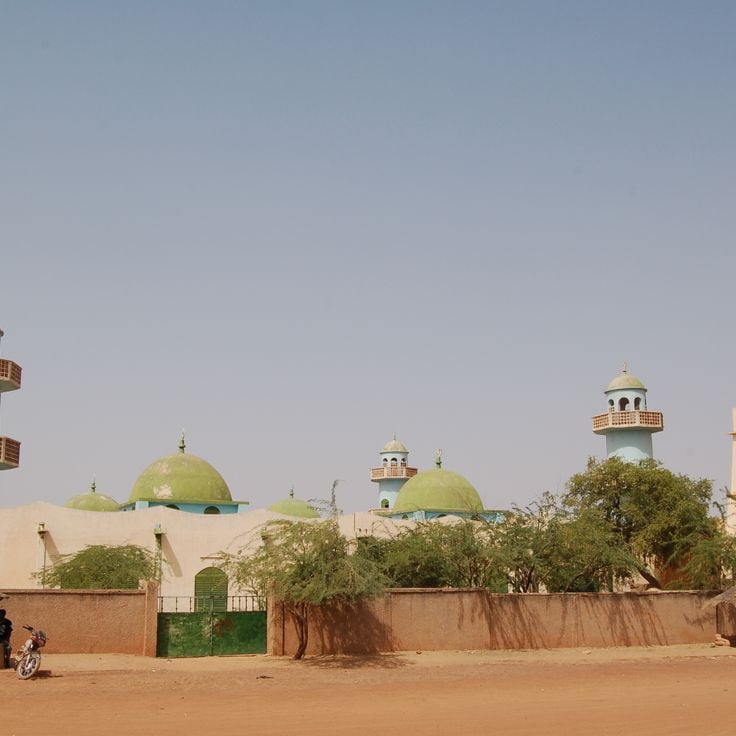
This mosque was built in the 1970s following the Sudanese architectural style and adds to the religious buildings that reflect Niger's Islamic heritage. The structure comprises a prayer hall and a central minaret, constructed using the mudbrick techniques typical of the region. The design follows architectural patterns common across the Sahel zone, adapted to the local climate and building traditions. This mosque serves the local community as a place of worship and religious gathering, representing the continuation of Islamic architectural practices in Niger.
This town sits in the Ighazar Valley and displays traditional earthen architecture alongside gardens sustained by irrigation systems that have functioned for centuries. Iferouane serves as a regional center for trade routes through the Aïr Mountains and offers insights into the ways of life maintained by Tuareg communities. The settlement preserves traditional building practices and agricultural methods adapted to the desert environment. Visitors can walk through narrow lanes between mud structures and explore the palm gardens that supply fresh produce to residents.
This mosque was built in the 19th century using mudbrick, a traditional material combining raw earth and straw. The Great Mosque of Zinder serves as the religious center of the city and represents an example of Sahelian architecture adapted to the local climate. The building stands as one of the historical monuments featured in Niger's architectural heritage. This mosque remains an active place of worship and draws visitors interested in religious structures and the history of Zinder.
This museum in the capital displays ethnographic objects, traditional musical instruments, and local crafts that document Niger's cultural diversity. The exhibitions include textiles, ceramics, jewelry, and historical documents on the country's history from precolonial times to independence. The building houses several halls with collections on different ethnic groups and their traditions.
This church dating from the 1930s stands in the capital and owes its name to the seventeen openings in its facade. The building was constructed with local materials and serves as a Catholic place of worship. The architecture combines European church traditions with the use of regional building materials and techniques. The seventeen doors and windows form the defining feature of the structure and allow air circulation in a hot climate.
This reserve protects the last population of free roaming West African giraffes in their natural habitat. Established in 1996, it safeguards a threatened subspecies now found only in this region of Niger. Visitors can observe the animals on guided tours as they feed among acacia trees and thorn scrub savanna. Located about 37 miles (60 kilometers) southeast of Niamey, the reserve documents successful conservation efforts, with the giraffe population recovering since its establishment.
This artisan center in Niamey houses workshops where craftsmen produce and sell leather goods, woven textiles, jewelry, and wood carvings. Wadata Artisanal Village allows visitors to observe the various techniques of Nigerien craftsmanship directly and purchase local products. The objects created here reflect the craft traditions maintained in different regions of the country and contribute to the economic development of the artisans.
This protected area covers 77,000 square kilometers (30,000 square miles) in the Saharan mountains and preserves an arid mountainous landscape with desert wildlife. The Aïr Natural Reserve hosts gazelles, Barbary sheep, and cheetahs adapted to extreme conditions. The site sits in northern Niger and includes rugged highlands with volcanic formations, seasonal water sources, and dry vegetation. Rangers monitor populations of migratory large mammals and work with local communities. The reserve ranks among the country's most important conservation areas and combines preservation efforts with traditional pastoralism.
This island is a center for traditional pottery making, where artisans produce terracotta objects using methods passed down through generations. Boubon Island sits in the Niger River and contributes to the cultural diversity of Niger documented in this collection through craft centers, markets, and historical sites. Visitors can observe the production process and engage directly with craftspeople who maintain skills inherited over time, creating functional and decorative pieces that reflect local traditions.
This transboundary reserve spans 220,000 hectares (544,000 acres) and protects populations of lions, elephants, buffaloes, baboons, hippos, and over 350 bird species. The park forms part of one of West Africa's largest conservation complexes, extending into neighboring Benin and Burkina Faso, and safeguards diverse ecosystems ranging from savanna grasslands to gallery forests along the Niger River. Wildlife viewing takes place on guided safaris, typically between December and May during the dry season when animals gather at watering holes.
This colonial fort built in 1912 in Sudanese style sits on a rocky promontory above the city. Fort Tanimoune houses a museum that provides insights into the colonial past and local history. As one of Niger's historical monuments, this structure complements the mudbrick mosques and sultans' palaces that document the country's cultural heritage. From this elevated position, the fort offers wide views across Zinder and the surrounding landscape. The building displays architectural features characteristic of the colonial period.
This historical site served as the capital of the Bornu Empire and ranks among the significant monuments that document Niger's history. The archaeological remains date from the 15th century and provide insights into the political and cultural importance of the region during the empire's peak. The site lies in the Sahelian zone and shows traces of the construction methods and urban organization of the period. Visiting here complements understanding of the historical kingdoms that existed in this part of West Africa before European colonial powers arrived.
This lake in the Maradi region spreads across several islands and adjacent forested areas that serve as a protected zone for various bird species. Lake Madarounfa offers insight into the less arid ecosystems of Niger and demonstrates how water sources affect local fauna. The forested sections surrounding the water body host nesting sites for migratory and native bird populations. Visitors can observe the islands from the shore and understand the role this lake plays as a habitat in a predominantly dry region.
This palace houses the traditional chief of Dosso and serves as a notable example of the region's mudbrick architecture. The building's walls feature decorations that trace the genealogy of rulers, providing insight into centuries of local leadership. The palace stands among the historical monuments that, along with religious structures, museums, and craft centers, document Niger's cultural heritage. Visitors can examine the traditional construction methods and the artistic representation of the ruling dynasty, which are central to understanding the area's history.
This rock monument in Dosso served historically as a place where local leaders delivered justice. The Tunguma Stone stands three meters (10 feet) tall and displays ancient engravings that provide insight into the legal traditions of the region. As part of Niger's historical monuments, this stone documents the administrative practices of past times. The engravings on its surface attest to the cultural importance of the site for local populations across generations.
This desert extends across 150,000 square miles (400,000 square kilometers) in the southeastern Sahara, illustrating the extreme landscape diversity that Niger offers. The Ténéré consists of vast sand expanses and dunes where temperatures regularly exceed 105°F (40°C). The desert forms one of the most remote and arid areas on Earth, representing the natural environment that shapes the country alongside its historical sites and cultural centers.
The Great Mosque of Agadez is a mudbrick religious building constructed in the 16th century and ranks among the notable structures in Niger's catalog of historical monuments. This mosque features a 27-meter (89-foot) minaret and demonstrates traditional Sahelian construction techniques characteristic of the region. The mosque stands in the center of Agadez and documents the religious and architectural history of the city across more than four centuries.
Abaaba National Park is a protected area covering 7,700 hectares (19,000 acres), established in 1987. The park shelters a population of black rhinoceroses and several species of Sahelian antelopes. This conservation area represents one of Niger's efforts to protect endangered wildlife in this challenging environmental zone. Visitors to the park encounter the characteristic vegetation of the Sahel, where thorn scrub savanna alternates with open grassland. The reserve operates within a demanding climate marked by extended dry seasons.
This French military post was built in 1931 in the Ténéré Desert and served as a checkpoint on the caravan route between Niger and Libya. Fort de Madama sits roughly 90 kilometers (55 miles) northeast of Dirkou and documents the French colonial period in the Sahara. The facility consisted of several buildings that provided shelter and protection for troops stationed here. Today the ruins of this outpost bear witness to France's military presence in one of Niger's most inhospitable areas. The fort illustrates the strategic importance of desert routes during colonial rule and forms part of the historical monuments that tell Niger's history.
This residence serves as the official seat of the Sultan of Aïr and was built using traditional Hausa architecture with adobe construction. The building embodies the administrative and ceremonial functions of the sultanate government. The adobe brick construction follows the climatic requirements of the Sahara region and demonstrates centuries of building traditions. The palace stands at the center of Agadez and represents the continuing political structure that has existed since the 15th century. Visitors can view the exterior facade, which displays typical elements of Saharan mud architecture. The structure fits into the historic cityscape that has been recognized by UNESCO as a World Heritage site.
This mosque, built in the 1970s, serves as the main place of worship for the capital's Muslim population. The building features a tall minaret and a prayer hall that can accommodate several thousand worshippers. The Great Mosque of Niamey stands among the country's important religious structures that document its Islamic heritage and complement Niger's collection of historical monuments and cultural sites.
This agricultural facility includes a wildlife park, cultivation areas, and educational programs in Niger's capital. Youyou Farm provides insights into local farming practices and houses various animal species. The site serves both as a production facility and an educational center where visitors learn about sustainable cultivation methods and native fauna. The grounds combine practical agriculture with conservation and education efforts.
This market is Niamey's largest trading center, filling several covered passages with stalls selling food, textiles, crafts, and local products. Vendors here offer everything from spices and fresh vegetables to traditional fabrics, baskets, and household goods. The Grand Market represents Niger's urban commercial life and provides insight into daily provisioning for the city's population. The architecture combines modern roofing with traditional market structures, and the range of goods reflects both local production and regional trade connections.
This cathedral stands at the center of Niamey and serves as the seat of the diocese of the Nigerien capital. The Catholic religious building was constructed during the 1950s and represents the Christian presence in a predominantly Muslim region. The architecture combines European religious building traditions with local climatic requirements. The structure forms part of the religious buildings that contribute to Niger's historical and cultural diversity, documenting the various faiths present in the country alongside mosques, museums and other places of worship.
This museum was founded in 1959 and displays archaeological finds, ethnographic objects and handicrafts from different regions of Niger. The collection includes prehistoric tools, traditional clothing, musical instruments and jewelry from the Haussa, Zarma, Tuareg and other ethnic groups. The grounds also contain an open-air museum with traditional dwellings from various parts of the country, a botanical garden and an enclosure housing live crocodiles. The institution serves as an important documentation center for the material culture of the nation and provides insights into the history of the region from the Paleolithic era to the present.
This oasis sits in the central section of the Aïr Massif at an elevation around 3,900 feet (1,200 meters). The residents of Timia have built terraced gardens over generations, irrigated by natural springs that flow from the rock formations. Date palms, pomegranate trees, fig trees, and vegetable plots thrive in these gardens. The water supply allows cultivation of tomatoes, onions, and various herbs. Narrow irrigation channels carry water through the terraced fields. The oasis forms a contrast to the surrounding desert landscape of the Ténéré and the rocky slopes of the Aïr Massif.
This volcanic mountain chain in central Niger extends across 84,000 square kilometers and rises to 2,022 meters above sea level. The Aïr Mountains form one of the most prominent natural features in the collection, demonstrating the country's geological diversity through rock formations, plateaus and wadis. The massif contains remnants of prehistoric settlements and serves today as habitat for wildlife. These mountains create a climatic barrier within the Sahara and allow modest vegetation to survive in some valleys.
This mosque was built in the 1970s following the Sudanese architectural style and adds to the religious buildings that reflect Niger's Islamic heritage. The structure comprises a prayer hall and a central minaret, constructed using the mudbrick techniques typical of the region. The design follows architectural patterns common across the Sahel zone, adapted to the local climate and building traditions. This mosque serves the local community as a place of worship and religious gathering, representing the continuation of Islamic architectural practices in Niger.
This town sits in the Ighazar Valley and displays traditional earthen architecture alongside gardens sustained by irrigation systems that have functioned for centuries. Iferouane serves as a regional center for trade routes through the Aïr Mountains and offers insights into the ways of life maintained by Tuareg communities. The settlement preserves traditional building practices and agricultural methods adapted to the desert environment. Visitors can walk through narrow lanes between mud structures and explore the palm gardens that supply fresh produce to residents.
This mosque was built in the 19th century using mudbrick, a traditional material combining raw earth and straw. The Great Mosque of Zinder serves as the religious center of the city and represents an example of Sahelian architecture adapted to the local climate. The building stands as one of the historical monuments featured in Niger's architectural heritage. This mosque remains an active place of worship and draws visitors interested in religious structures and the history of Zinder.
This museum in the capital displays ethnographic objects, traditional musical instruments, and local crafts that document Niger's cultural diversity. The exhibitions include textiles, ceramics, jewelry, and historical documents on the country's history from precolonial times to independence. The building houses several halls with collections on different ethnic groups and their traditions.
This church dating from the 1930s stands in the capital and owes its name to the seventeen openings in its facade. The building was constructed with local materials and serves as a Catholic place of worship. The architecture combines European church traditions with the use of regional building materials and techniques. The seventeen doors and windows form the defining feature of the structure and allow air circulation in a hot climate.
This reserve protects the last population of free roaming West African giraffes in their natural habitat. Established in 1996, it safeguards a threatened subspecies now found only in this region of Niger. Visitors can observe the animals on guided tours as they feed among acacia trees and thorn scrub savanna. Located about 37 miles (60 kilometers) southeast of Niamey, the reserve documents successful conservation efforts, with the giraffe population recovering since its establishment.
This artisan center in Niamey houses workshops where craftsmen produce and sell leather goods, woven textiles, jewelry, and wood carvings. Wadata Artisanal Village allows visitors to observe the various techniques of Nigerien craftsmanship directly and purchase local products. The objects created here reflect the craft traditions maintained in different regions of the country and contribute to the economic development of the artisans.
This protected area covers 77,000 square kilometers (30,000 square miles) in the Saharan mountains and preserves an arid mountainous landscape with desert wildlife. The Aïr Natural Reserve hosts gazelles, Barbary sheep, and cheetahs adapted to extreme conditions. The site sits in northern Niger and includes rugged highlands with volcanic formations, seasonal water sources, and dry vegetation. Rangers monitor populations of migratory large mammals and work with local communities. The reserve ranks among the country's most important conservation areas and combines preservation efforts with traditional pastoralism.
This island is a center for traditional pottery making, where artisans produce terracotta objects using methods passed down through generations. Boubon Island sits in the Niger River and contributes to the cultural diversity of Niger documented in this collection through craft centers, markets, and historical sites. Visitors can observe the production process and engage directly with craftspeople who maintain skills inherited over time, creating functional and decorative pieces that reflect local traditions.
This transboundary reserve spans 220,000 hectares (544,000 acres) and protects populations of lions, elephants, buffaloes, baboons, hippos, and over 350 bird species. The park forms part of one of West Africa's largest conservation complexes, extending into neighboring Benin and Burkina Faso, and safeguards diverse ecosystems ranging from savanna grasslands to gallery forests along the Niger River. Wildlife viewing takes place on guided safaris, typically between December and May during the dry season when animals gather at watering holes.
This colonial fort built in 1912 in Sudanese style sits on a rocky promontory above the city. Fort Tanimoune houses a museum that provides insights into the colonial past and local history. As one of Niger's historical monuments, this structure complements the mudbrick mosques and sultans' palaces that document the country's cultural heritage. From this elevated position, the fort offers wide views across Zinder and the surrounding landscape. The building displays architectural features characteristic of the colonial period.
This historical site served as the capital of the Bornu Empire and ranks among the significant monuments that document Niger's history. The archaeological remains date from the 15th century and provide insights into the political and cultural importance of the region during the empire's peak. The site lies in the Sahelian zone and shows traces of the construction methods and urban organization of the period. Visiting here complements understanding of the historical kingdoms that existed in this part of West Africa before European colonial powers arrived.
This lake in the Maradi region spreads across several islands and adjacent forested areas that serve as a protected zone for various bird species. Lake Madarounfa offers insight into the less arid ecosystems of Niger and demonstrates how water sources affect local fauna. The forested sections surrounding the water body host nesting sites for migratory and native bird populations. Visitors can observe the islands from the shore and understand the role this lake plays as a habitat in a predominantly dry region.
This palace houses the traditional chief of Dosso and serves as a notable example of the region's mudbrick architecture. The building's walls feature decorations that trace the genealogy of rulers, providing insight into centuries of local leadership. The palace stands among the historical monuments that, along with religious structures, museums, and craft centers, document Niger's cultural heritage. Visitors can examine the traditional construction methods and the artistic representation of the ruling dynasty, which are central to understanding the area's history.
This rock monument in Dosso served historically as a place where local leaders delivered justice. The Tunguma Stone stands three meters (10 feet) tall and displays ancient engravings that provide insight into the legal traditions of the region. As part of Niger's historical monuments, this stone documents the administrative practices of past times. The engravings on its surface attest to the cultural importance of the site for local populations across generations.
This desert extends across 150,000 square miles (400,000 square kilometers) in the southeastern Sahara, illustrating the extreme landscape diversity that Niger offers. The Ténéré consists of vast sand expanses and dunes where temperatures regularly exceed 105°F (40°C). The desert forms one of the most remote and arid areas on Earth, representing the natural environment that shapes the country alongside its historical sites and cultural centers.
The Great Mosque of Agadez is a mudbrick religious building constructed in the 16th century and ranks among the notable structures in Niger's catalog of historical monuments. This mosque features a 27-meter (89-foot) minaret and demonstrates traditional Sahelian construction techniques characteristic of the region. The mosque stands in the center of Agadez and documents the religious and architectural history of the city across more than four centuries.
Abaaba National Park is a protected area covering 7,700 hectares (19,000 acres), established in 1987. The park shelters a population of black rhinoceroses and several species of Sahelian antelopes. This conservation area represents one of Niger's efforts to protect endangered wildlife in this challenging environmental zone. Visitors to the park encounter the characteristic vegetation of the Sahel, where thorn scrub savanna alternates with open grassland. The reserve operates within a demanding climate marked by extended dry seasons.
This French military post was built in 1931 in the Ténéré Desert and served as a checkpoint on the caravan route between Niger and Libya. Fort de Madama sits roughly 90 kilometers (55 miles) northeast of Dirkou and documents the French colonial period in the Sahara. The facility consisted of several buildings that provided shelter and protection for troops stationed here. Today the ruins of this outpost bear witness to France's military presence in one of Niger's most inhospitable areas. The fort illustrates the strategic importance of desert routes during colonial rule and forms part of the historical monuments that tell Niger's history.
This residence serves as the official seat of the Sultan of Aïr and was built using traditional Hausa architecture with adobe construction. The building embodies the administrative and ceremonial functions of the sultanate government. The adobe brick construction follows the climatic requirements of the Sahara region and demonstrates centuries of building traditions. The palace stands at the center of Agadez and represents the continuing political structure that has existed since the 15th century. Visitors can view the exterior facade, which displays typical elements of Saharan mud architecture. The structure fits into the historic cityscape that has been recognized by UNESCO as a World Heritage site.
This mosque, built in the 1970s, serves as the main place of worship for the capital's Muslim population. The building features a tall minaret and a prayer hall that can accommodate several thousand worshippers. The Great Mosque of Niamey stands among the country's important religious structures that document its Islamic heritage and complement Niger's collection of historical monuments and cultural sites.
This agricultural facility includes a wildlife park, cultivation areas, and educational programs in Niger's capital. Youyou Farm provides insights into local farming practices and houses various animal species. The site serves both as a production facility and an educational center where visitors learn about sustainable cultivation methods and native fauna. The grounds combine practical agriculture with conservation and education efforts.
This market is Niamey's largest trading center, filling several covered passages with stalls selling food, textiles, crafts, and local products. Vendors here offer everything from spices and fresh vegetables to traditional fabrics, baskets, and household goods. The Grand Market represents Niger's urban commercial life and provides insight into daily provisioning for the city's population. The architecture combines modern roofing with traditional market structures, and the range of goods reflects both local production and regional trade connections.
This cathedral stands at the center of Niamey and serves as the seat of the diocese of the Nigerien capital. The Catholic religious building was constructed during the 1950s and represents the Christian presence in a predominantly Muslim region. The architecture combines European religious building traditions with local climatic requirements. The structure forms part of the religious buildings that contribute to Niger's historical and cultural diversity, documenting the various faiths present in the country alongside mosques, museums and other places of worship.
This museum was founded in 1959 and displays archaeological finds, ethnographic objects and handicrafts from different regions of Niger. The collection includes prehistoric tools, traditional clothing, musical instruments and jewelry from the Haussa, Zarma, Tuareg and other ethnic groups. The grounds also contain an open-air museum with traditional dwellings from various parts of the country, a botanical garden and an enclosure housing live crocodiles. The institution serves as an important documentation center for the material culture of the nation and provides insights into the history of the region from the Paleolithic era to the present.
This oasis sits in the central section of the Aïr Massif at an elevation around 3,900 feet (1,200 meters). The residents of Timia have built terraced gardens over generations, irrigated by natural springs that flow from the rock formations. Date palms, pomegranate trees, fig trees, and vegetable plots thrive in these gardens. The water supply allows cultivation of tomatoes, onions, and various herbs. Narrow irrigation channels carry water through the terraced fields. The oasis forms a contrast to the surrounding desert landscape of the Ténéré and the rocky slopes of the Aïr Massif.
This volcanic mountain chain in central Niger extends across 84,000 square kilometers and rises to 2,022 meters above sea level. The Aïr Mountains form one of the most prominent natural features in the collection, demonstrating the country's geological diversity through rock formations, plateaus and wadis. The massif contains remnants of prehistoric settlements and serves today as habitat for wildlife. These mountains create a climatic barrier within the Sahara and allow modest vegetation to survive in some valleys.
This mosque was built in the 1970s following the Sudanese architectural style and adds to the religious buildings that reflect Niger's Islamic heritage. The structure comprises a prayer hall and a central minaret, constructed using the mudbrick techniques typical of the region. The design follows architectural patterns common across the Sahel zone, adapted to the local climate and building traditions. This mosque serves the local community as a place of worship and religious gathering, representing the continuation of Islamic architectural practices in Niger.
This town sits in the Ighazar Valley and displays traditional earthen architecture alongside gardens sustained by irrigation systems that have functioned for centuries. Iferouane serves as a regional center for trade routes through the Aïr Mountains and offers insights into the ways of life maintained by Tuareg communities. The settlement preserves traditional building practices and agricultural methods adapted to the desert environment. Visitors can walk through narrow lanes between mud structures and explore the palm gardens that supply fresh produce to residents.
This mosque was built in the 19th century using mudbrick, a traditional material combining raw earth and straw. The Great Mosque of Zinder serves as the religious center of the city and represents an example of Sahelian architecture adapted to the local climate. The building stands as one of the historical monuments featured in Niger's architectural heritage. This mosque remains an active place of worship and draws visitors interested in religious structures and the history of Zinder.
This museum in the capital displays ethnographic objects, traditional musical instruments, and local crafts that document Niger's cultural diversity. The exhibitions include textiles, ceramics, jewelry, and historical documents on the country's history from precolonial times to independence. The building houses several halls with collections on different ethnic groups and their traditions.
This church dating from the 1930s stands in the capital and owes its name to the seventeen openings in its facade. The building was constructed with local materials and serves as a Catholic place of worship. The architecture combines European church traditions with the use of regional building materials and techniques. The seventeen doors and windows form the defining feature of the structure and allow air circulation in a hot climate.
This reserve protects the last population of free roaming West African giraffes in their natural habitat. Established in 1996, it safeguards a threatened subspecies now found only in this region of Niger. Visitors can observe the animals on guided tours as they feed among acacia trees and thorn scrub savanna. Located about 37 miles (60 kilometers) southeast of Niamey, the reserve documents successful conservation efforts, with the giraffe population recovering since its establishment.
This artisan center in Niamey houses workshops where craftsmen produce and sell leather goods, woven textiles, jewelry, and wood carvings. Wadata Artisanal Village allows visitors to observe the various techniques of Nigerien craftsmanship directly and purchase local products. The objects created here reflect the craft traditions maintained in different regions of the country and contribute to the economic development of the artisans.
This protected area covers 77,000 square kilometers (30,000 square miles) in the Saharan mountains and preserves an arid mountainous landscape with desert wildlife. The Aïr Natural Reserve hosts gazelles, Barbary sheep, and cheetahs adapted to extreme conditions. The site sits in northern Niger and includes rugged highlands with volcanic formations, seasonal water sources, and dry vegetation. Rangers monitor populations of migratory large mammals and work with local communities. The reserve ranks among the country's most important conservation areas and combines preservation efforts with traditional pastoralism.
This island is a center for traditional pottery making, where artisans produce terracotta objects using methods passed down through generations. Boubon Island sits in the Niger River and contributes to the cultural diversity of Niger documented in this collection through craft centers, markets, and historical sites. Visitors can observe the production process and engage directly with craftspeople who maintain skills inherited over time, creating functional and decorative pieces that reflect local traditions.
This transboundary reserve spans 220,000 hectares (544,000 acres) and protects populations of lions, elephants, buffaloes, baboons, hippos, and over 350 bird species. The park forms part of one of West Africa's largest conservation complexes, extending into neighboring Benin and Burkina Faso, and safeguards diverse ecosystems ranging from savanna grasslands to gallery forests along the Niger River. Wildlife viewing takes place on guided safaris, typically between December and May during the dry season when animals gather at watering holes.
This colonial fort built in 1912 in Sudanese style sits on a rocky promontory above the city. Fort Tanimoune houses a museum that provides insights into the colonial past and local history. As one of Niger's historical monuments, this structure complements the mudbrick mosques and sultans' palaces that document the country's cultural heritage. From this elevated position, the fort offers wide views across Zinder and the surrounding landscape. The building displays architectural features characteristic of the colonial period.
This historical site served as the capital of the Bornu Empire and ranks among the significant monuments that document Niger's history. The archaeological remains date from the 15th century and provide insights into the political and cultural importance of the region during the empire's peak. The site lies in the Sahelian zone and shows traces of the construction methods and urban organization of the period. Visiting here complements understanding of the historical kingdoms that existed in this part of West Africa before European colonial powers arrived.
This lake in the Maradi region spreads across several islands and adjacent forested areas that serve as a protected zone for various bird species. Lake Madarounfa offers insight into the less arid ecosystems of Niger and demonstrates how water sources affect local fauna. The forested sections surrounding the water body host nesting sites for migratory and native bird populations. Visitors can observe the islands from the shore and understand the role this lake plays as a habitat in a predominantly dry region.
This palace houses the traditional chief of Dosso and serves as a notable example of the region's mudbrick architecture. The building's walls feature decorations that trace the genealogy of rulers, providing insight into centuries of local leadership. The palace stands among the historical monuments that, along with religious structures, museums, and craft centers, document Niger's cultural heritage. Visitors can examine the traditional construction methods and the artistic representation of the ruling dynasty, which are central to understanding the area's history.
This rock monument in Dosso served historically as a place where local leaders delivered justice. The Tunguma Stone stands three meters (10 feet) tall and displays ancient engravings that provide insight into the legal traditions of the region. As part of Niger's historical monuments, this stone documents the administrative practices of past times. The engravings on its surface attest to the cultural importance of the site for local populations across generations.