Lake Nokoué, Protected wetland system near Cotonou, Benin
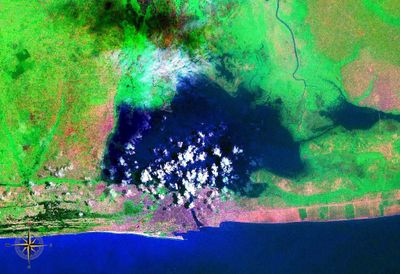
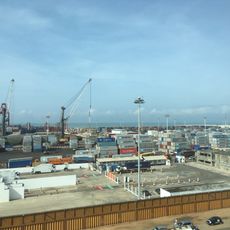
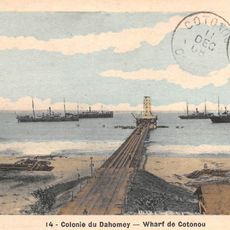
Lake Nokoué is a large wetland system in southern Benin that connects to the Atlantic Ocean through the port city of Cotonou. The waters receive significant inflow from the Ouémé River and create an ecosystem that supports many fish species.
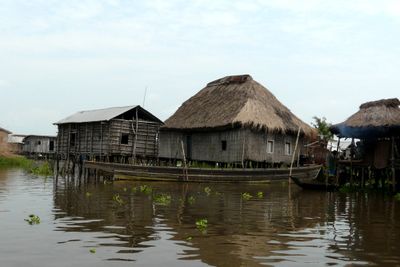
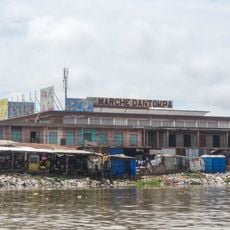
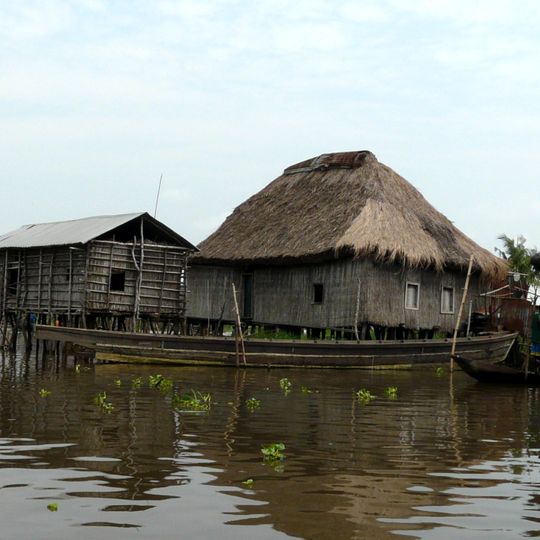
Lake Nokoué is a lagoon in southern Benin, fed by the Ouémé and Sô rivers, which carry sediments into it. Cotonou lies on its southern shore, and the stilt town of Ganvié on its northern edge. The lake was designated a Ramsar site in 2000 together with the Porto-Novo Lagoon.
Fishing families around the lake build acadja, enclosures of submerged branches that shelter fish before they are harvested. The technique is traditional fish rearing rather than a natural feature, and the dense brushwood screens are a familiar sight on the water. Fishing is artisanal, from small dugout canoes, and the catch is dominated by cichlids, clupeids and penaeids, about 85% of landings.
Visitors will find the best conditions for exploration between November and June, when water levels are lower and more of the landscape becomes visible. Hiring a local guide helps navigate the wetland safely and understand what you are seeing.
The lake's fish catch is dominated by three groups: cichlids, clupeids and penaeids together make up about 85% of the take. Fishing is artisanal, from small dugout canoes landing small batches, with an estimated production of 2 tonnes per hectare per year.
The community of curious travelers
AroundUs brings together thousands of curated places, local tips, and hidden gems, enriched daily by 93,133 contributors worldwide.