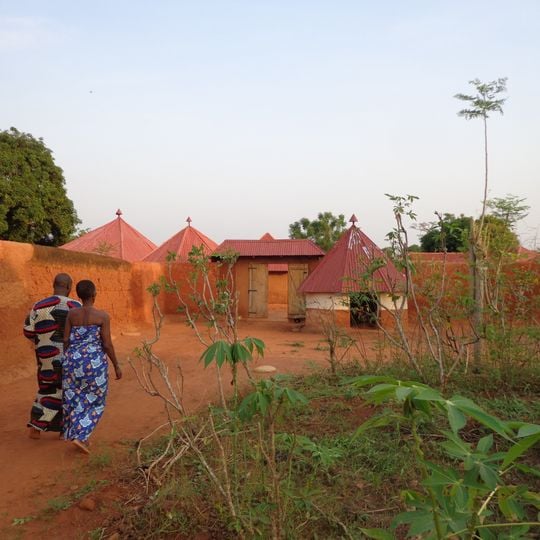
Benin, Country in West Africa
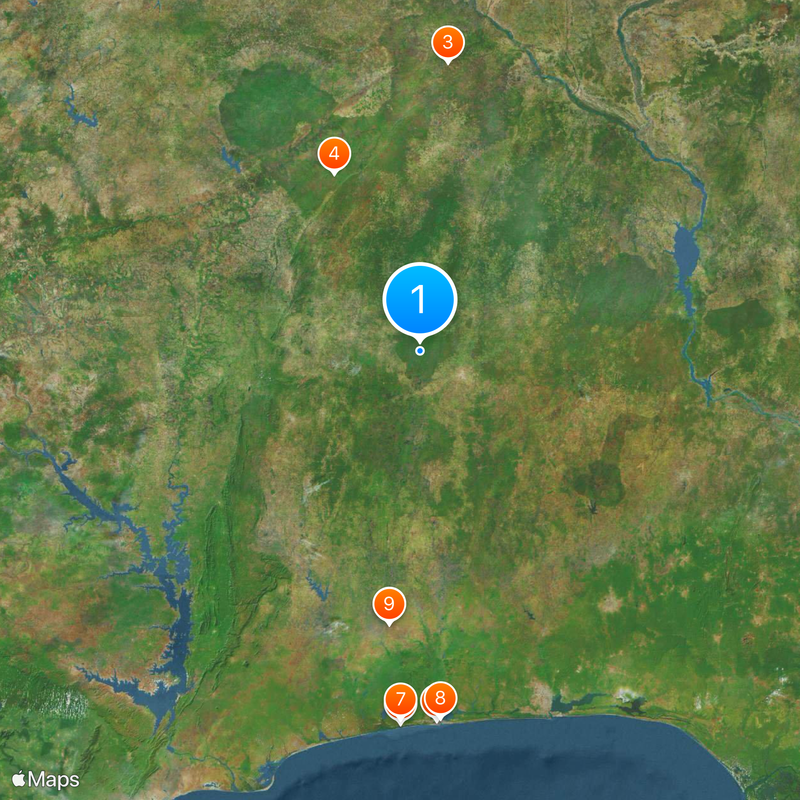
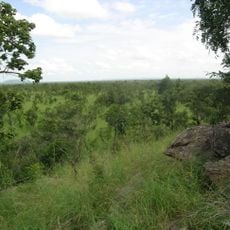
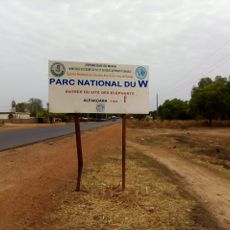
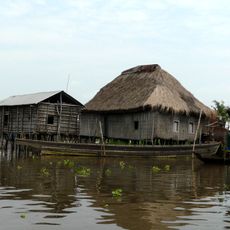
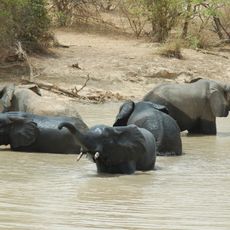
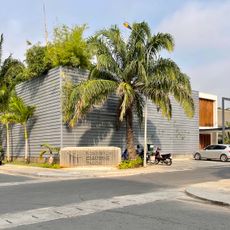
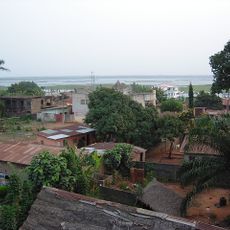
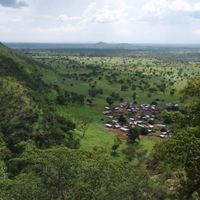
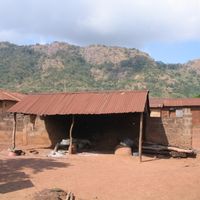
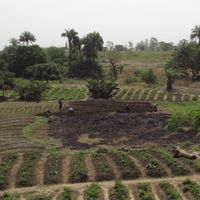
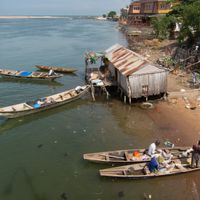
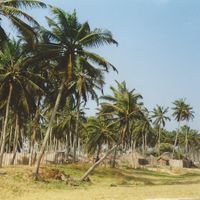
Benin is a West African state that stretches from the coast at the Gulf of Guinea northward over flat land, plateaus, and forested hills to the border at the Niger River. The landscape shifts from the humid south with palms and lagoons to dry savannas in the north, where small villages sit among fields.
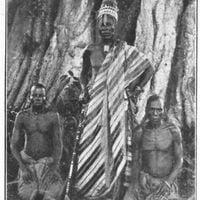
The Kingdom of Dahomey ruled this territory from the 17th century and traded along the coast, before France made it a colony in 1894. Independence came in 1960, and the name changed to Benin in 1975 to recall an ancient West African empire.
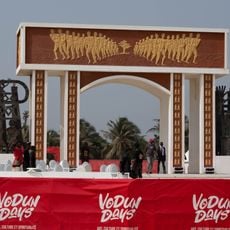
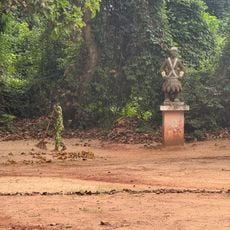
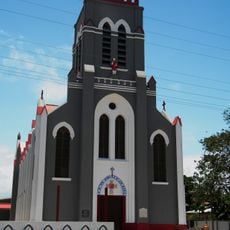
French serves as the official language in daily life, while Fon and Yoruba are spoken in markets and villages, reflecting the origins of the people. The voodoo tradition remains alive and shows itself in temples, ceremonies, and shrines that travelers observe throughout the country.
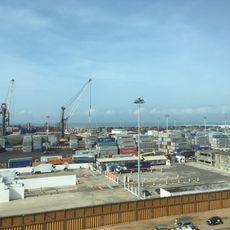
Cotonou serves as the main gateway with its international airport and harbor, while Porto-Novo remains the capital with government offices. The best time to visit is between November and February, when temperatures are bearable and rain is scarce.
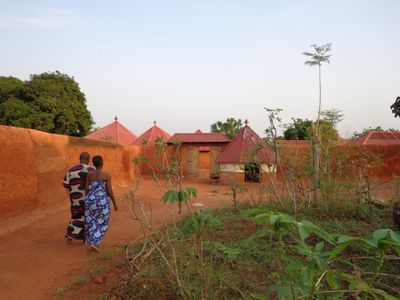
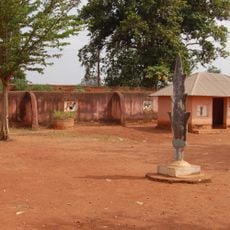
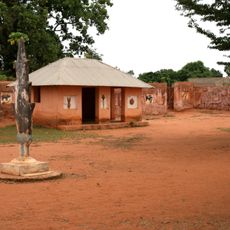
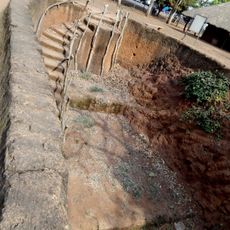
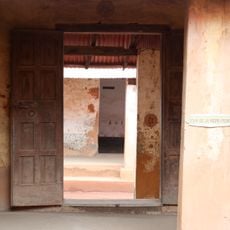
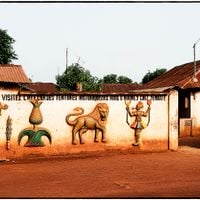
The royal palaces of Abomey show earthen architecture with walls decorated in relief and symbols that represent the rulers of the Dahomey empire. Today the buildings stand as a museum, where you can recognize the old craftsmanship and the stories of the kings in the courtyards.
The community of curious travelers
AroundUs brings together thousands of curated places, local tips, and hidden gems, enriched daily by 92,299 contributors worldwide.