Agongointo-Zoungoudo Underground Town, Underground archaeological settlement in Bohicon, Benin
Agongointo-Zoungoudo Underground Town is an archaeological site in Bohicon, central Benin, covering 7 hectares. It consists of 52 lateritic clay houses sunk about 10 metres below ground, with living rooms, bedrooms, kitchens and wells. In Fon-gbe these bunker-like dwellings are called "ahouandô", meaning "war hole".
The souterrains were dug in the 17th century under Dakodonou, second king of Abomey; those on the Abomey plateau date to the late 17th century. Archaeologists Randsborg and Merkyte first read them as purely military works, citing Fon oral history that the Dahomean army "disappeared" before the Oyo invaders and reappeared behind them. Since 2009 they also allow mining and water storage, a view historian Monroe Cameron shares.
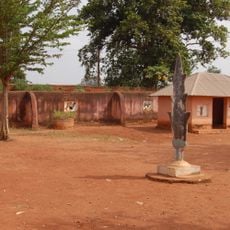
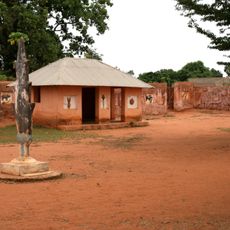
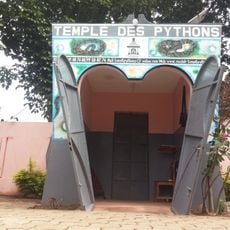
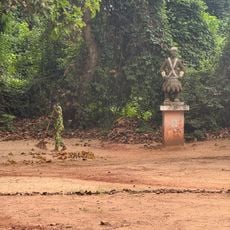
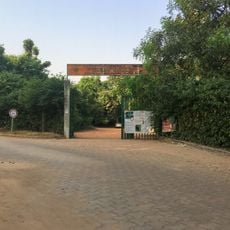
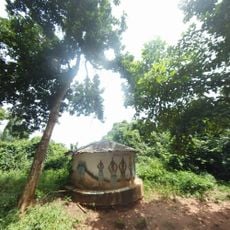
In Fon-gbe, the local language, these clay houses are called "ahouandô", meaning "hole of war". The archaeological park around the site also presents Vodun practice, for example the Dan fetish beside a strangler fig coiled around a baobab.
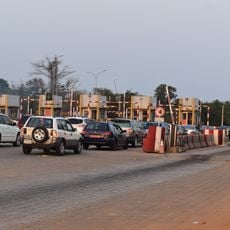
The site is positioned along the national highway connecting Cotonou to Parakou, making it accessible from the main regional route. Organized tours guide visitors through the underground structures and help explain how the different chambers were used.
The discovery of this underground complex happened by accident during road construction when heavy machinery unexpectedly uncovered one of the caves. This chance finding led archaeologists to investigate and map the entire network beneath the ground.
The community of curious travelers
AroundUs brings together thousands of curated places, local tips, and hidden gems, enriched daily by 92,811 contributors worldwide.