See the monuments around you in AROpen chests in the app
Around Us is built for your phone — point your camera at the streets and discover the monuments and places around you in augmented reality.Around Us is built for your phone — chests unlock when you walk, explore and capture nearby places.
New York City offers far more than the landmarks concentrated in Midtown Manhattan. The five boroughs hold parks, historic sites, art museums, and cultural centers that provide a deeper look into the life and history of the city. From elevated green spaces to centuries-old buildings, these places reveal different sides of New York.
This collection includes locations such as the High Line, a former railway line transformed into a public park, and the Morris-Jumel Mansion, an 18th-century house in Washington Heights. In Brooklyn, visitors can walk through Prospect Park or the Brooklyn Botanic Garden, while Green-Wood Cemetery showcases 19th-century landscape design. Queens is home to Flushing Meadows Corona Park and the Queens Night Market, where vendors serve food from around the world. The Apollo Theater in Harlem and the Frick Collection in Manhattan offer exhibitions and performances. Neighborhoods like Little Italy and destinations such as Smorgasburg and Coney Island are also part of this collection.
New York City offers far more than the landmarks concentrated in Midtown Manhattan. The five boroughs hold parks, historic sites, art museums, and cultural centers that provide a deeper look into the life and history of the city. From elevated green spaces to centuries-old buildings, these places reveal different sides of New York.
This collection includes locations such as the High Line, a former railway line transformed into a public park, and the Morris-Jumel Mansion, an 18th-century house in Washington Heights. In Brooklyn, visitors can walk through Prospect Park or the Brooklyn Botanic Garden, while Green-Wood Cemetery showcases 19th-century landscape design. Queens is home to Flushing Meadows Corona Park and the Queens Night Market, where vendors serve food from around the world. The Apollo Theater in Harlem and the Frick Collection in Manhattan offer exhibitions and performances. Neighborhoods like Little Italy and destinations such as Smorgasburg and Coney Island are also part of this collection.
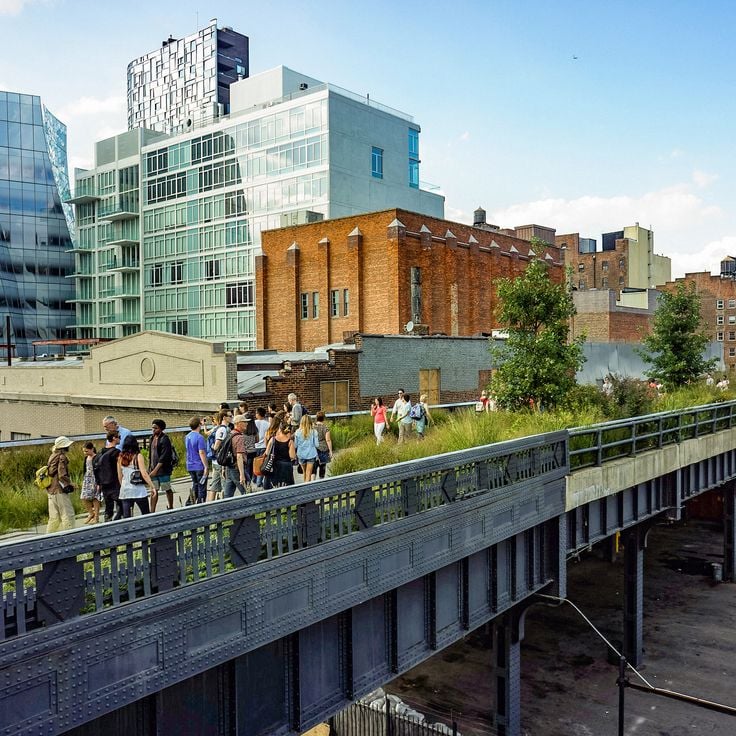
The High Line is a park built on a former elevated railway line on the west side of Manhattan. This green space runs for several blocks between Gansevoort Street and 34th Street, offering planted gardens, benches, and views down to the streets below. The path sits above street level, passing through neighborhoods like Chelsea and the Meatpacking District. Visitors walk among beds of grasses and perennials while the life of the city continues underneath. The High Line connects quiet corners with art installations and small plazas for resting, all while keeping its urban character intact.
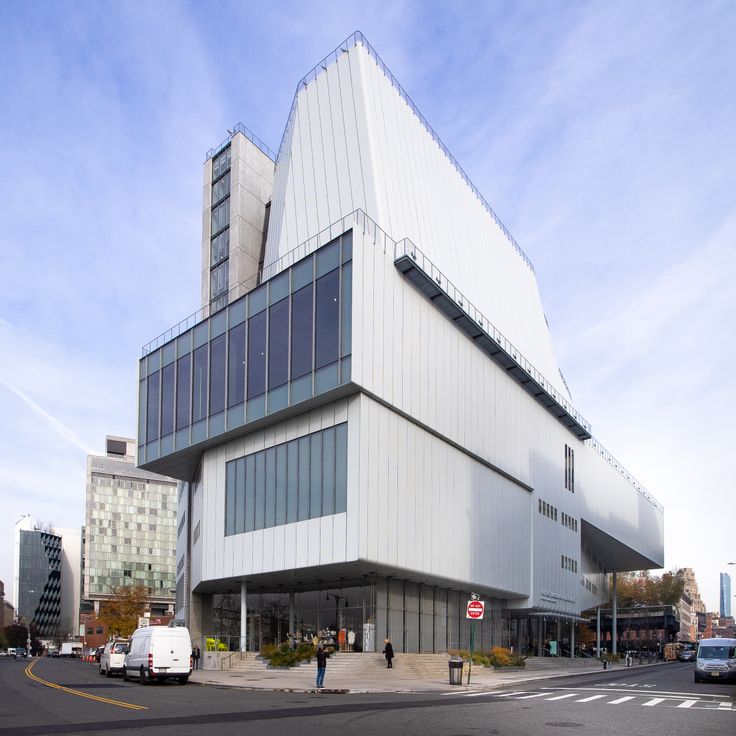
The Whitney Museum of American Art gathers and displays works by American artists from the twentieth and twenty-first centuries. Exhibition spaces occupy several floors in the Meatpacking District, offering rotating presentations of contemporary painting, sculpture, photography, and new media. This museum organizes thematic exhibitions and single-artist retrospectives on a regular basis. Upper floors open onto views of the Hudson River and surrounding neighborhoods. The collection includes works from various movements in American art, spanning the early decades of modernism through the present day.
Williamsburg and Prospect Park, New York, United States
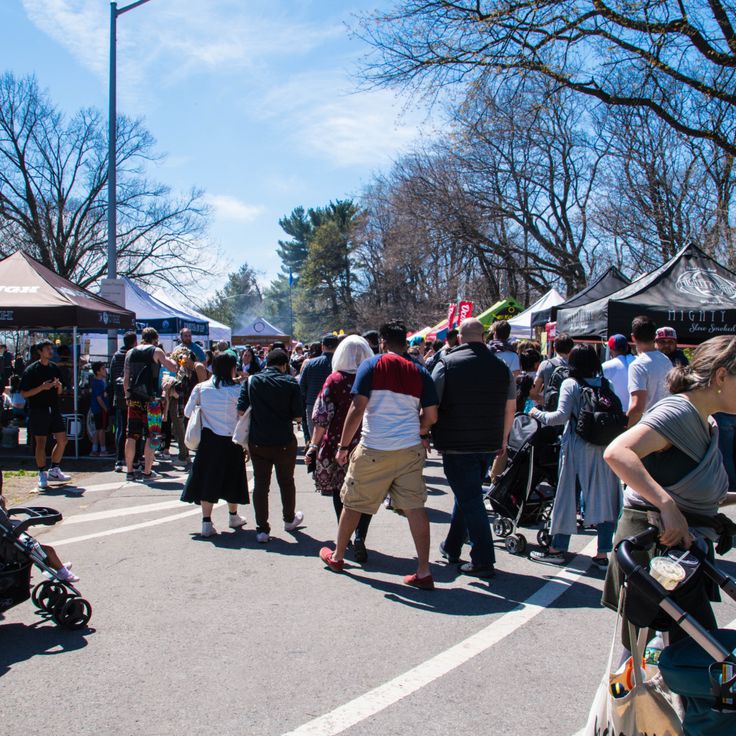
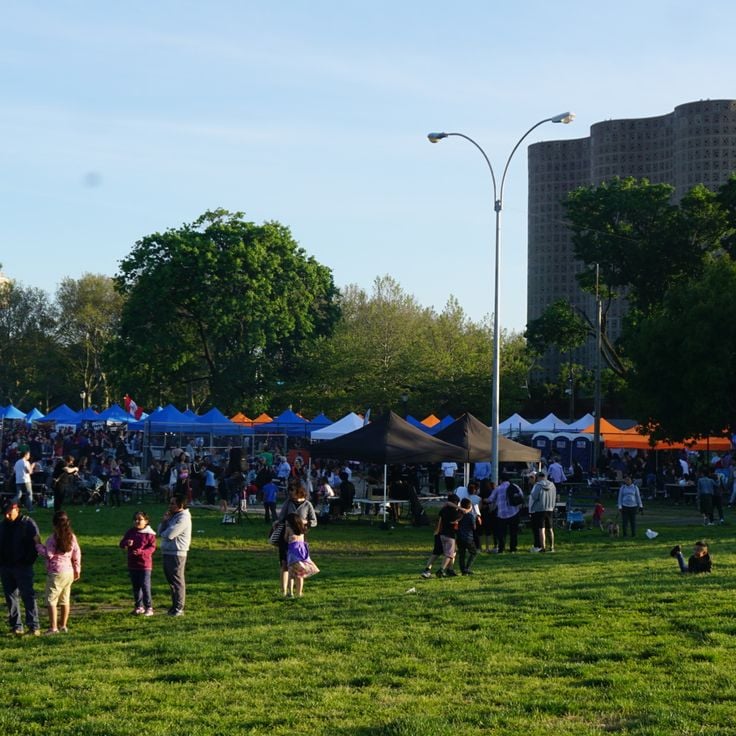
This open-air market takes place in Williamsburg and Prospect Park, drawing visitors with stalls that sell fresh dishes, street food, and artisanal products. The atmosphere is lively, with families, friends, and curious locals moving between tables, tasting new flavors. The market offers a mix of international cuisine and local specialties, from Asian noodles to Caribbean snacks. People come here to eat, socialize, and enjoy the relaxed weekend vibe.
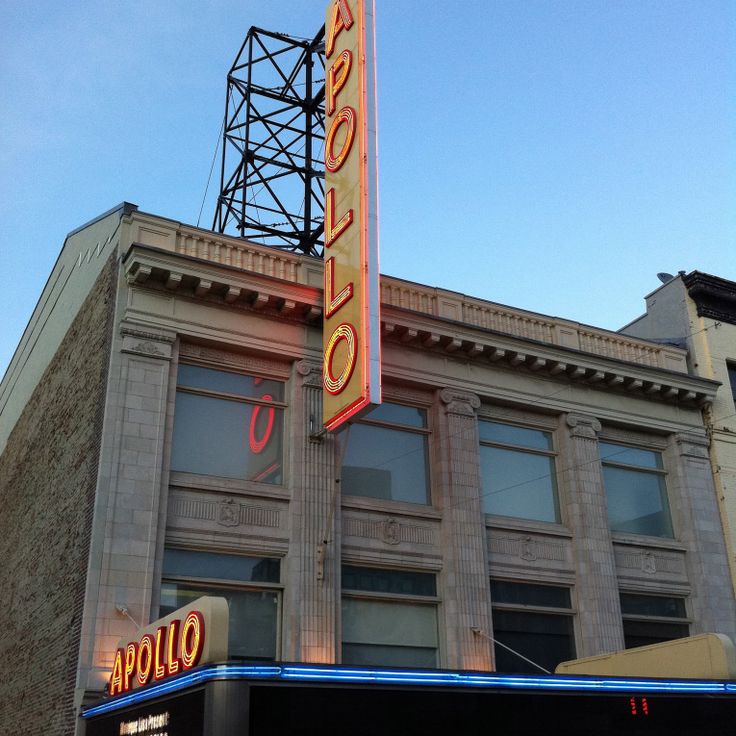
This music theater in Harlem opened in 1934 and shaped the history of African American music. Generations of musicians performed here, including many who later became famous worldwide. The weekly amateur nights gave countless talents their first stage. The theater remains an active venue for live performances where jazz, rhythm and blues, soul, and gospel fill the room. The atmosphere connects history with the present, and the audience participates actively in what happens on stage. A visit shows how music and community belong together in Harlem.
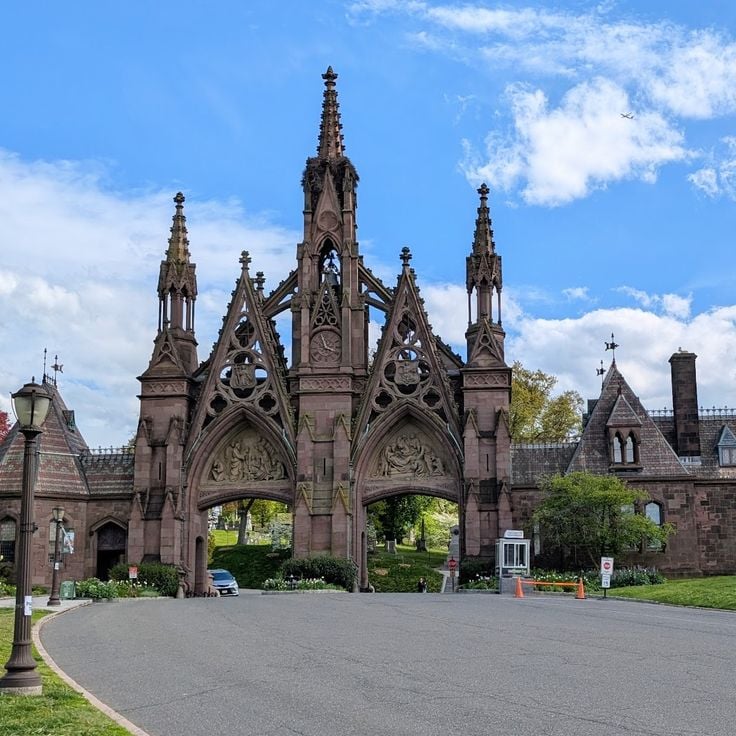
This cemetery in Brooklyn spreads across gentle hills and winding paths where graves, monuments, and statues from the 19th century rest among old trees. The grounds are among the alternative locations in New York City, where history and nature meet away from the usual tourist routes. Visitors walk through shaded lanes, past weathered sculptures and family crypts, while birds call from the canopy above. On quiet days, Green-Wood Cemetery feels like an open park where time slows down and the city loses its rush.
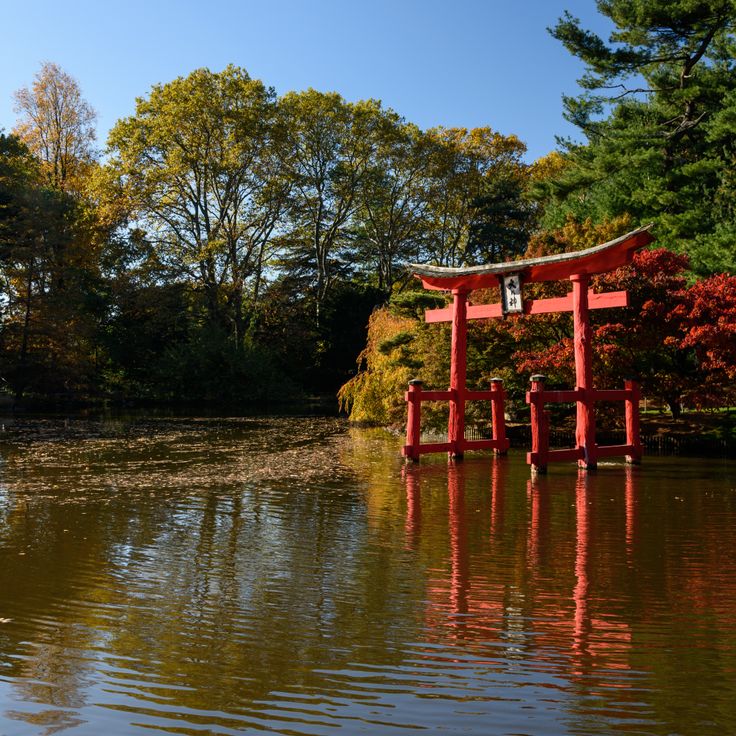
This garden spreads across 52 acres and features more than 14,000 plant species from different climate zones. A Japanese pond forms the heart of the grounds, surrounded by winding paths and stone lanterns. The conservatory houses tropical and subtropical collections, while outdoor areas display rose gardens, cherry trees, and native plants. The Brooklyn Botanic Garden sits between residential neighborhoods and Prospect Park, offering a quiet alternative to the better-known green spaces in Manhattan.
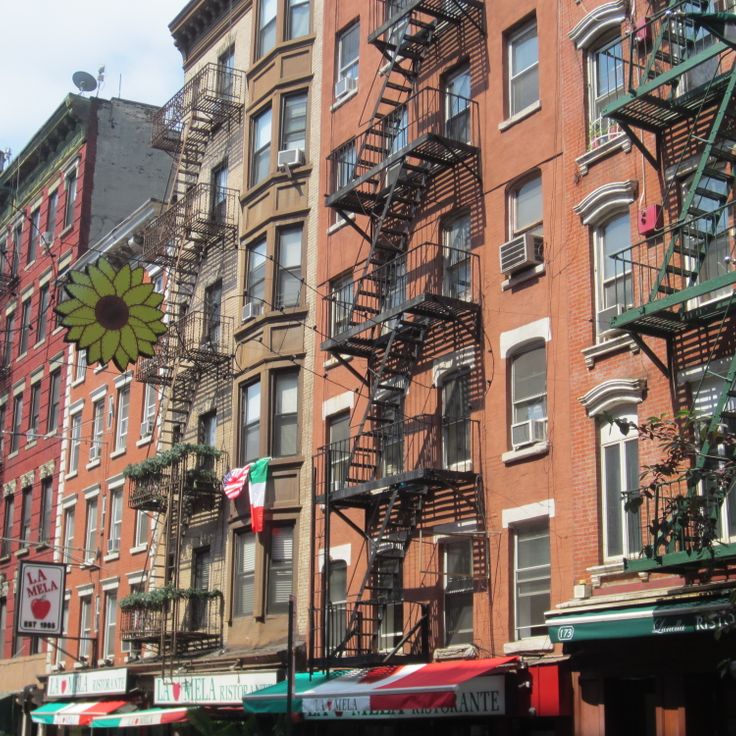
This historic district is known for its Italian restaurants, delicatessens, and cafes. The streets are lined with red, white, and green flags that recall the Italian immigration history of Manhattan. The Feast of San Gennaro, an annual street festival in September, draws visitors from across all boroughs. Mulberry Street forms the heart of the area, with sidewalk tables and small shops. Some bakeries and groceries have been run by the same families for generations. The atmosphere is especially lively on weekends when locals and tourists walk through the narrow streets.
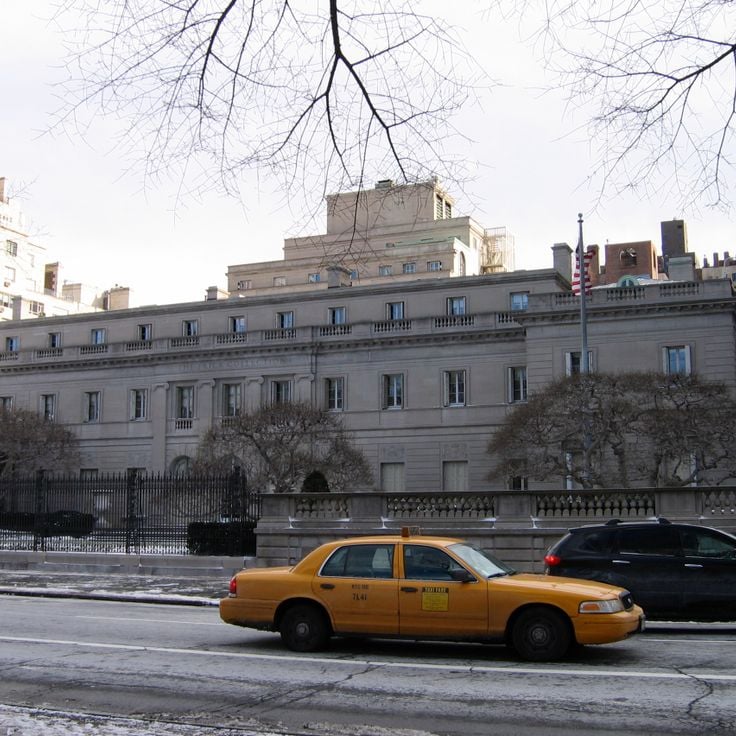
This museum displays European paintings, sculptures, and decorative objects from the 13th through the 19th centuries in a converted mansion that industrialist Henry Clay Frick once inhabited. The rooms are arranged as living spaces rather than typical museum galleries, so visitors view works by Vermeer, Rembrandt, Goya, and other masters in an intimate setting. An interior courtyard with a fountain separates the various wings, and the collection also includes French furniture, porcelain, and enamel. The location on Fifth Avenue makes this museum a quieter alternative to larger institutions in New York.
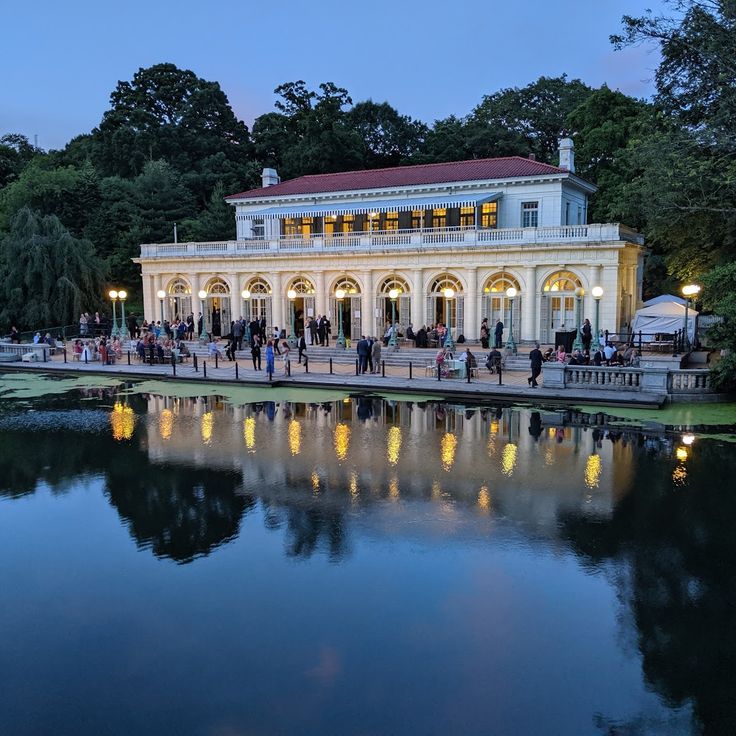
This park covers several Brooklyn neighborhoods and represents one of the most ambitious landscape architecture projects of the 19th century. The grounds include a gently rolling meadow that stretches about a mile, an artificial lake with wooded shores, a historic 19th-century boathouse, and a forested hill in the northern section. A small zoo sits on the eastern edge, while a covered theater in the southwest regularly hosts free performances. Sports fields, tennis courts, and picnic areas draw residents from across the surrounding area. Paths wind through dense tree groves, across open lawns, and along ponds used by migratory birds in autumn. On weekends, joggers, cyclists, and families with children populate the different zones, while weekdays bring a quieter atmosphere. The design follows a natural style that mimics hills, valleys, and waterways, creating the impression of being outside the city.
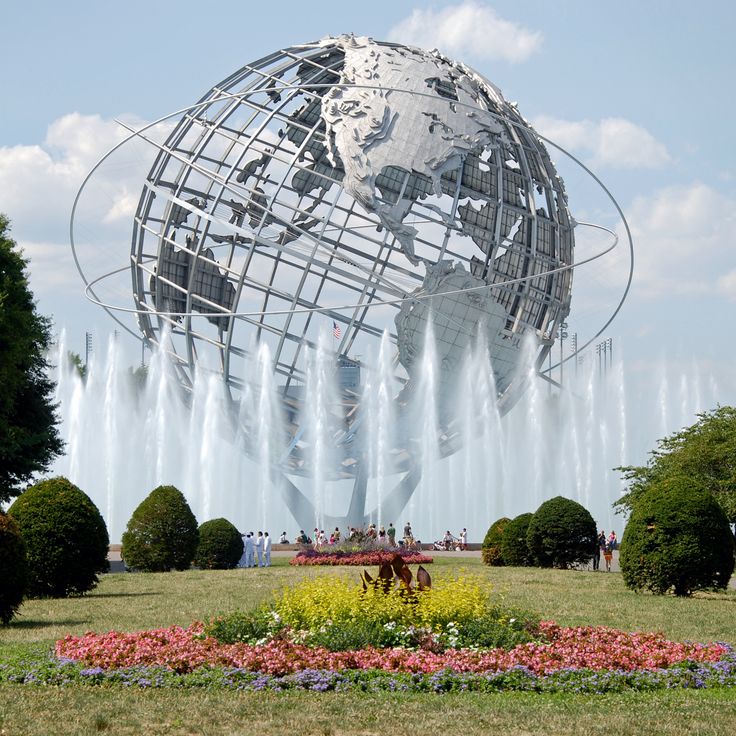
This park spreads across 898 acres in Queens and holds the New York Hall of Science Museum, the Queens Museum, the Queens Theatre, and the Queens Zoo. Flushing Meadows Corona Park hosted two world fairs and still carries traces of those events. Visitors find meadows, lakes, sports fields, and paths connecting the cultural sites. Families come here to spend the day outdoors or visit the museums and zoo scattered across the grounds.
The Snug Harbor Cultural Center occupies a large park area on Staten Island and preserves several 19th-century buildings that once housed retired sailors. Greek Revival architecture defines the complex, which today holds art galleries, theaters, and the Chinese Scholar's Garden. Visitors find exhibitions by regional artists, concerts, and performances in historic surroundings. The Chinese garden offers pavilions, ponds, and traditional landscaping that create a quiet space away from the city. This center shows a different side of New York where culture, history, and nature come together.
This seasonal market opens in Queens between spring and fall in the evening, gathering over one hundred stalls offering food from around the world, handcrafts and live performances by local artists. The atmosphere is informal and friendly, visitors wander between stalls tasting dishes from countries like Korea, Peru, Morocco and many others. The Queens Night Market is a place where the culinary diversity of New York shows itself in a compact space and where you mix with people coming from all kinds of neighborhoods across the city.
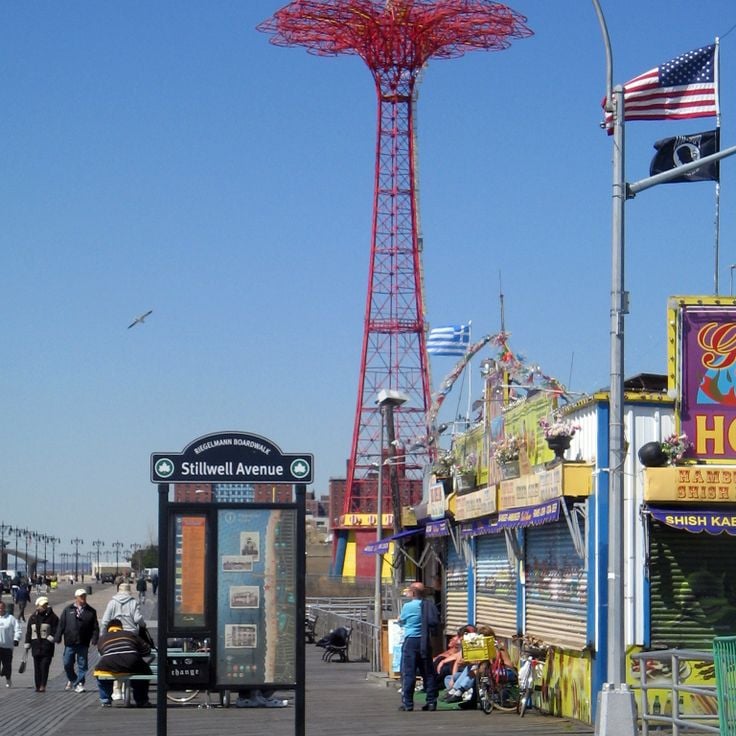
Coney Island is a seaside neighborhood with a three-mile beach and two classic amusement parks. Luna Park offers modern rides, while Deno's Wonder Wheel Park operates the historic Ferris wheel from 1920. The wooden boardwalk connects restaurants, arcades, and small shops. Families come in summer to swim, sunbathe, and experience the lively beachfront atmosphere. The New York Aquarium sits at the western end. This area has a long history as a beach resort and entertainment center since the late 1800s.
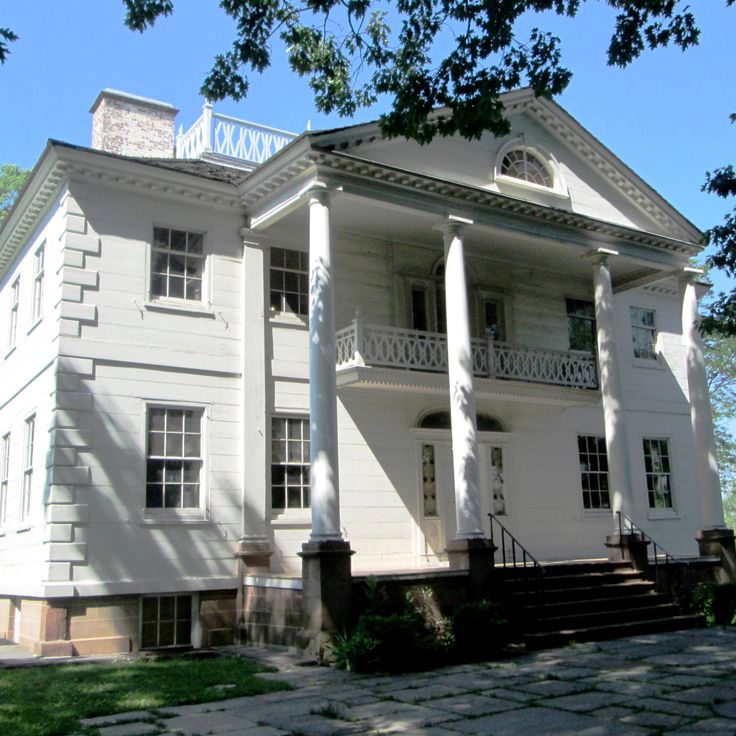
This mansion from 1765 served as headquarters for George Washington during the American Revolution, later used by British General Howe. The building stands on a hill in Washington Heights and remains the oldest surviving residence in Manhattan. The rooms display furniture and household items from the 18th and 19th centuries. A small garden surrounds the house. The architecture combines Georgian and Federal elements. Washington coordinated military operations from here in the fall of 1776. The house changed owners several times and was later occupied by the Jumel family.
Upper East Side, Manhattan, New York, United States
This small fast food counter on the Upper East Side has operated since 1932, keeping the tradition of the classic New York hot dog stand. The space is bare and straightforward, with orders prepared quickly and served on paper plates. Besides hot dogs with sauerkraut and onions, the spot offers freshly blended fruit drinks that locals appreciate. The atmosphere is functional and direct, the service plain, as you find in old Manhattan snack bars.
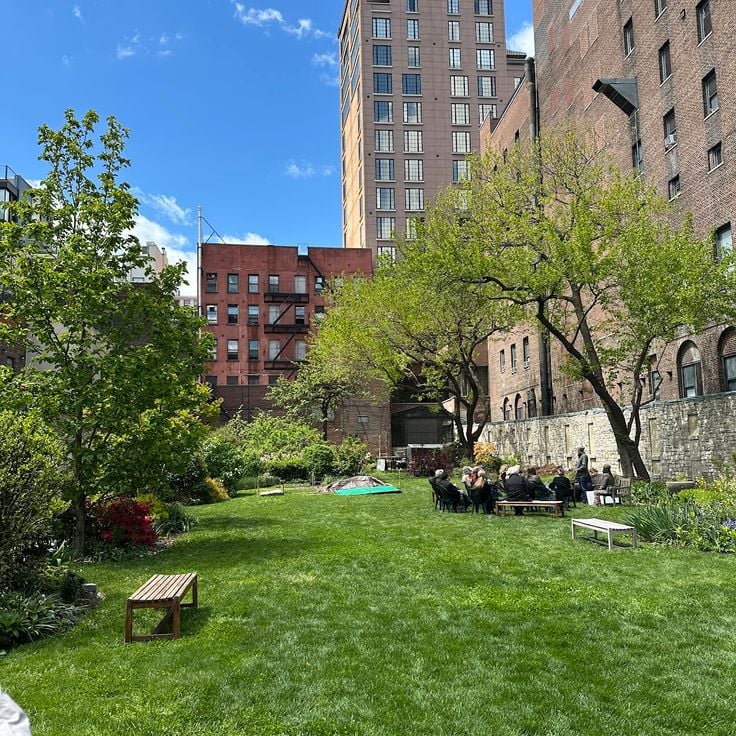
The New York Marble Cemetery opened in 1830 as the city's first private burial ground. This historic site in the East Village holds 156 underground marble vaults beneath a quiet garden. High walls surround the space, creating a hidden retreat in the middle of Manhattan. Visitors can walk through and see simple stone markers bearing the names of old New York families, while trees grow above the vaults and the city continues beyond the walls.
The High Line is a park built on a former elevated railway line on the west side of Manhattan. This green space runs for several blocks between Gansevoort Street and 34th Street, offering planted gardens, benches, and views down to the streets below. The path sits above street level, passing through neighborhoods like Chelsea and the Meatpacking District. Visitors walk among beds of grasses and perennials while the life of the city continues underneath. The High Line connects quiet corners with art installations and small plazas for resting, all while keeping its urban character intact.
The Whitney Museum of American Art gathers and displays works by American artists from the twentieth and twenty-first centuries. Exhibition spaces occupy several floors in the Meatpacking District, offering rotating presentations of contemporary painting, sculpture, photography, and new media. This museum organizes thematic exhibitions and single-artist retrospectives on a regular basis. Upper floors open onto views of the Hudson River and surrounding neighborhoods. The collection includes works from various movements in American art, spanning the early decades of modernism through the present day.
Williamsburg and Prospect Park, New York, United States
This open-air market takes place in Williamsburg and Prospect Park, drawing visitors with stalls that sell fresh dishes, street food, and artisanal products. The atmosphere is lively, with families, friends, and curious locals moving between tables, tasting new flavors. The market offers a mix of international cuisine and local specialties, from Asian noodles to Caribbean snacks. People come here to eat, socialize, and enjoy the relaxed weekend vibe.
This music theater in Harlem opened in 1934 and shaped the history of African American music. Generations of musicians performed here, including many who later became famous worldwide. The weekly amateur nights gave countless talents their first stage. The theater remains an active venue for live performances where jazz, rhythm and blues, soul, and gospel fill the room. The atmosphere connects history with the present, and the audience participates actively in what happens on stage. A visit shows how music and community belong together in Harlem.
This cemetery in Brooklyn spreads across gentle hills and winding paths where graves, monuments, and statues from the 19th century rest among old trees. The grounds are among the alternative locations in New York City, where history and nature meet away from the usual tourist routes. Visitors walk through shaded lanes, past weathered sculptures and family crypts, while birds call from the canopy above. On quiet days, Green-Wood Cemetery feels like an open park where time slows down and the city loses its rush.
This garden spreads across 52 acres and features more than 14,000 plant species from different climate zones. A Japanese pond forms the heart of the grounds, surrounded by winding paths and stone lanterns. The conservatory houses tropical and subtropical collections, while outdoor areas display rose gardens, cherry trees, and native plants. The Brooklyn Botanic Garden sits between residential neighborhoods and Prospect Park, offering a quiet alternative to the better-known green spaces in Manhattan.
This historic district is known for its Italian restaurants, delicatessens, and cafes. The streets are lined with red, white, and green flags that recall the Italian immigration history of Manhattan. The Feast of San Gennaro, an annual street festival in September, draws visitors from across all boroughs. Mulberry Street forms the heart of the area, with sidewalk tables and small shops. Some bakeries and groceries have been run by the same families for generations. The atmosphere is especially lively on weekends when locals and tourists walk through the narrow streets.
This museum displays European paintings, sculptures, and decorative objects from the 13th through the 19th centuries in a converted mansion that industrialist Henry Clay Frick once inhabited. The rooms are arranged as living spaces rather than typical museum galleries, so visitors view works by Vermeer, Rembrandt, Goya, and other masters in an intimate setting. An interior courtyard with a fountain separates the various wings, and the collection also includes French furniture, porcelain, and enamel. The location on Fifth Avenue makes this museum a quieter alternative to larger institutions in New York.
This park covers several Brooklyn neighborhoods and represents one of the most ambitious landscape architecture projects of the 19th century. The grounds include a gently rolling meadow that stretches about a mile, an artificial lake with wooded shores, a historic 19th-century boathouse, and a forested hill in the northern section. A small zoo sits on the eastern edge, while a covered theater in the southwest regularly hosts free performances. Sports fields, tennis courts, and picnic areas draw residents from across the surrounding area. Paths wind through dense tree groves, across open lawns, and along ponds used by migratory birds in autumn. On weekends, joggers, cyclists, and families with children populate the different zones, while weekdays bring a quieter atmosphere. The design follows a natural style that mimics hills, valleys, and waterways, creating the impression of being outside the city.
This park spreads across 898 acres in Queens and holds the New York Hall of Science Museum, the Queens Museum, the Queens Theatre, and the Queens Zoo. Flushing Meadows Corona Park hosted two world fairs and still carries traces of those events. Visitors find meadows, lakes, sports fields, and paths connecting the cultural sites. Families come here to spend the day outdoors or visit the museums and zoo scattered across the grounds.
The Snug Harbor Cultural Center occupies a large park area on Staten Island and preserves several 19th-century buildings that once housed retired sailors. Greek Revival architecture defines the complex, which today holds art galleries, theaters, and the Chinese Scholar's Garden. Visitors find exhibitions by regional artists, concerts, and performances in historic surroundings. The Chinese garden offers pavilions, ponds, and traditional landscaping that create a quiet space away from the city. This center shows a different side of New York where culture, history, and nature come together.
This seasonal market opens in Queens between spring and fall in the evening, gathering over one hundred stalls offering food from around the world, handcrafts and live performances by local artists. The atmosphere is informal and friendly, visitors wander between stalls tasting dishes from countries like Korea, Peru, Morocco and many others. The Queens Night Market is a place where the culinary diversity of New York shows itself in a compact space and where you mix with people coming from all kinds of neighborhoods across the city.
Coney Island is a seaside neighborhood with a three-mile beach and two classic amusement parks. Luna Park offers modern rides, while Deno's Wonder Wheel Park operates the historic Ferris wheel from 1920. The wooden boardwalk connects restaurants, arcades, and small shops. Families come in summer to swim, sunbathe, and experience the lively beachfront atmosphere. The New York Aquarium sits at the western end. This area has a long history as a beach resort and entertainment center since the late 1800s.
This mansion from 1765 served as headquarters for George Washington during the American Revolution, later used by British General Howe. The building stands on a hill in Washington Heights and remains the oldest surviving residence in Manhattan. The rooms display furniture and household items from the 18th and 19th centuries. A small garden surrounds the house. The architecture combines Georgian and Federal elements. Washington coordinated military operations from here in the fall of 1776. The house changed owners several times and was later occupied by the Jumel family.
Upper East Side, Manhattan, New York, United States
This small fast food counter on the Upper East Side has operated since 1932, keeping the tradition of the classic New York hot dog stand. The space is bare and straightforward, with orders prepared quickly and served on paper plates. Besides hot dogs with sauerkraut and onions, the spot offers freshly blended fruit drinks that locals appreciate. The atmosphere is functional and direct, the service plain, as you find in old Manhattan snack bars.
The New York Marble Cemetery opened in 1830 as the city's first private burial ground. This historic site in the East Village holds 156 underground marble vaults beneath a quiet garden. High walls surround the space, creating a hidden retreat in the middle of Manhattan. Visitors can walk through and see simple stone markers bearing the names of old New York families, while trees grow above the vaults and the city continues beyond the walls.
The High Line is a park built on a former elevated railway line on the west side of Manhattan. This green space runs for several blocks between Gansevoort Street and 34th Street, offering planted gardens, benches, and views down to the streets below. The path sits above street level, passing through neighborhoods like Chelsea and the Meatpacking District. Visitors walk among beds of grasses and perennials while the life of the city continues underneath. The High Line connects quiet corners with art installations and small plazas for resting, all while keeping its urban character intact.
The Whitney Museum of American Art gathers and displays works by American artists from the twentieth and twenty-first centuries. Exhibition spaces occupy several floors in the Meatpacking District, offering rotating presentations of contemporary painting, sculpture, photography, and new media. This museum organizes thematic exhibitions and single-artist retrospectives on a regular basis. Upper floors open onto views of the Hudson River and surrounding neighborhoods. The collection includes works from various movements in American art, spanning the early decades of modernism through the present day.
Williamsburg and Prospect Park, New York, United States
This open-air market takes place in Williamsburg and Prospect Park, drawing visitors with stalls that sell fresh dishes, street food, and artisanal products. The atmosphere is lively, with families, friends, and curious locals moving between tables, tasting new flavors. The market offers a mix of international cuisine and local specialties, from Asian noodles to Caribbean snacks. People come here to eat, socialize, and enjoy the relaxed weekend vibe.
This music theater in Harlem opened in 1934 and shaped the history of African American music. Generations of musicians performed here, including many who later became famous worldwide. The weekly amateur nights gave countless talents their first stage. The theater remains an active venue for live performances where jazz, rhythm and blues, soul, and gospel fill the room. The atmosphere connects history with the present, and the audience participates actively in what happens on stage. A visit shows how music and community belong together in Harlem.
This cemetery in Brooklyn spreads across gentle hills and winding paths where graves, monuments, and statues from the 19th century rest among old trees. The grounds are among the alternative locations in New York City, where history and nature meet away from the usual tourist routes. Visitors walk through shaded lanes, past weathered sculptures and family crypts, while birds call from the canopy above. On quiet days, Green-Wood Cemetery feels like an open park where time slows down and the city loses its rush.
This garden spreads across 52 acres and features more than 14,000 plant species from different climate zones. A Japanese pond forms the heart of the grounds, surrounded by winding paths and stone lanterns. The conservatory houses tropical and subtropical collections, while outdoor areas display rose gardens, cherry trees, and native plants. The Brooklyn Botanic Garden sits between residential neighborhoods and Prospect Park, offering a quiet alternative to the better-known green spaces in Manhattan.
This historic district is known for its Italian restaurants, delicatessens, and cafes. The streets are lined with red, white, and green flags that recall the Italian immigration history of Manhattan. The Feast of San Gennaro, an annual street festival in September, draws visitors from across all boroughs. Mulberry Street forms the heart of the area, with sidewalk tables and small shops. Some bakeries and groceries have been run by the same families for generations. The atmosphere is especially lively on weekends when locals and tourists walk through the narrow streets.
This museum displays European paintings, sculptures, and decorative objects from the 13th through the 19th centuries in a converted mansion that industrialist Henry Clay Frick once inhabited. The rooms are arranged as living spaces rather than typical museum galleries, so visitors view works by Vermeer, Rembrandt, Goya, and other masters in an intimate setting. An interior courtyard with a fountain separates the various wings, and the collection also includes French furniture, porcelain, and enamel. The location on Fifth Avenue makes this museum a quieter alternative to larger institutions in New York.
This park covers several Brooklyn neighborhoods and represents one of the most ambitious landscape architecture projects of the 19th century. The grounds include a gently rolling meadow that stretches about a mile, an artificial lake with wooded shores, a historic 19th-century boathouse, and a forested hill in the northern section. A small zoo sits on the eastern edge, while a covered theater in the southwest regularly hosts free performances. Sports fields, tennis courts, and picnic areas draw residents from across the surrounding area. Paths wind through dense tree groves, across open lawns, and along ponds used by migratory birds in autumn. On weekends, joggers, cyclists, and families with children populate the different zones, while weekdays bring a quieter atmosphere. The design follows a natural style that mimics hills, valleys, and waterways, creating the impression of being outside the city.
This park spreads across 898 acres in Queens and holds the New York Hall of Science Museum, the Queens Museum, the Queens Theatre, and the Queens Zoo. Flushing Meadows Corona Park hosted two world fairs and still carries traces of those events. Visitors find meadows, lakes, sports fields, and paths connecting the cultural sites. Families come here to spend the day outdoors or visit the museums and zoo scattered across the grounds.
The Snug Harbor Cultural Center occupies a large park area on Staten Island and preserves several 19th-century buildings that once housed retired sailors. Greek Revival architecture defines the complex, which today holds art galleries, theaters, and the Chinese Scholar's Garden. Visitors find exhibitions by regional artists, concerts, and performances in historic surroundings. The Chinese garden offers pavilions, ponds, and traditional landscaping that create a quiet space away from the city. This center shows a different side of New York where culture, history, and nature come together.
This seasonal market opens in Queens between spring and fall in the evening, gathering over one hundred stalls offering food from around the world, handcrafts and live performances by local artists. The atmosphere is informal and friendly, visitors wander between stalls tasting dishes from countries like Korea, Peru, Morocco and many others. The Queens Night Market is a place where the culinary diversity of New York shows itself in a compact space and where you mix with people coming from all kinds of neighborhoods across the city.
Coney Island is a seaside neighborhood with a three-mile beach and two classic amusement parks. Luna Park offers modern rides, while Deno's Wonder Wheel Park operates the historic Ferris wheel from 1920. The wooden boardwalk connects restaurants, arcades, and small shops. Families come in summer to swim, sunbathe, and experience the lively beachfront atmosphere. The New York Aquarium sits at the western end. This area has a long history as a beach resort and entertainment center since the late 1800s.
This mansion from 1765 served as headquarters for George Washington during the American Revolution, later used by British General Howe. The building stands on a hill in Washington Heights and remains the oldest surviving residence in Manhattan. The rooms display furniture and household items from the 18th and 19th centuries. A small garden surrounds the house. The architecture combines Georgian and Federal elements. Washington coordinated military operations from here in the fall of 1776. The house changed owners several times and was later occupied by the Jumel family.
Upper East Side, Manhattan, New York, United States
This small fast food counter on the Upper East Side has operated since 1932, keeping the tradition of the classic New York hot dog stand. The space is bare and straightforward, with orders prepared quickly and served on paper plates. Besides hot dogs with sauerkraut and onions, the spot offers freshly blended fruit drinks that locals appreciate. The atmosphere is functional and direct, the service plain, as you find in old Manhattan snack bars.
The New York Marble Cemetery opened in 1830 as the city's first private burial ground. This historic site in the East Village holds 156 underground marble vaults beneath a quiet garden. High walls surround the space, creating a hidden retreat in the middle of Manhattan. Visitors can walk through and see simple stone markers bearing the names of old New York families, while trees grow above the vaults and the city continues beyond the walls.