Albania: national parks, thermal springs, ancient ruins and Mediterranean coasts
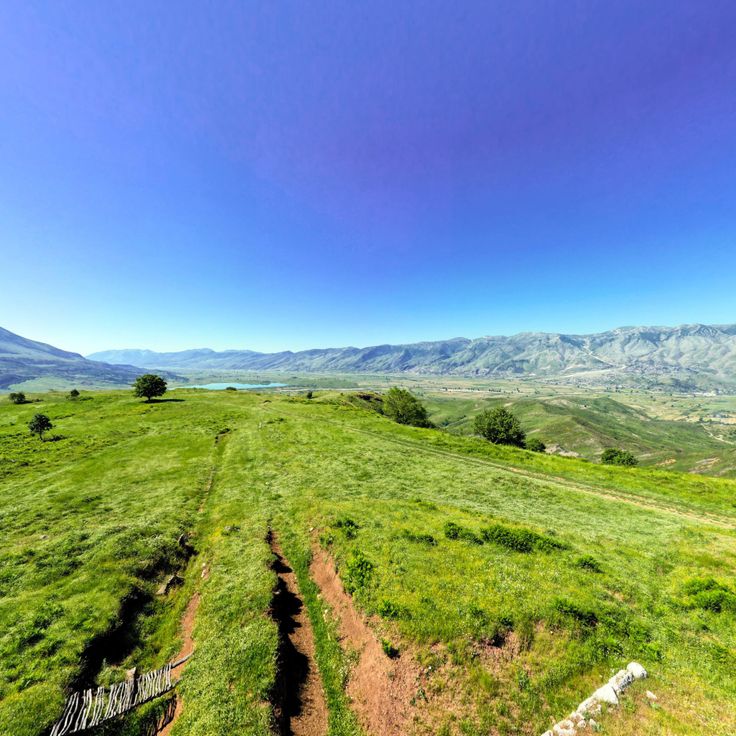
Albania offers a wide range of landscapes. From mountain peaks to rocky coasts, the country combines natural spaces with places full of stories. There are parks that protect valleys and high points, clear water sources, mountain villages where people still live as they did long ago, and coastal areas with beaches and cliffs. Each place tells part of the country’s story, from ancient times to the Middle Ages.
The natural sites in Albania give different experiences. You can walk in the northern Alps, explore river canyons, walk along cliffs overlooking the Ionian Sea, or visit mountain villages made of stone. Underground springs create deep blue pools, and the coastal waters are home to rare sea animals. Rocks and old buildings in the landscape show how nature and human history have mixed here over many thousands of years.
Every visit to Albania helps you see how the country keeps its natural and cultural features. Whether exploring the northern mountains, the rocky gorges inland, or the southern coasts, you will see landscapes shaped by time and communities keeping their traditions alive.
Albania: national parks, thermal springs, ancient ruins and Mediterranean coasts
Albania offers a wide range of landscapes. From mountain peaks to rocky coasts, the country combines natural spaces with places full of stories. There are parks that protect valleys and high points, clear water sources, mountain villages where people still live as they did long ago, and coastal areas with beaches and cliffs. Each place tells part of the country’s story, from ancient times to the Middle Ages.
The natural sites in Albania give different experiences. You can walk in the northern Alps, explore river canyons, walk along cliffs overlooking the Ionian Sea, or visit mountain villages made of stone. Underground springs create deep blue pools, and the coastal waters are home to rare sea animals. Rocks and old buildings in the landscape show how nature and human history have mixed here over many thousands of years.
Every visit to Albania helps you see how the country keeps its natural and cultural features. Whether exploring the northern mountains, the rocky gorges inland, or the southern coasts, you will see landscapes shaped by time and communities keeping their traditions alive.
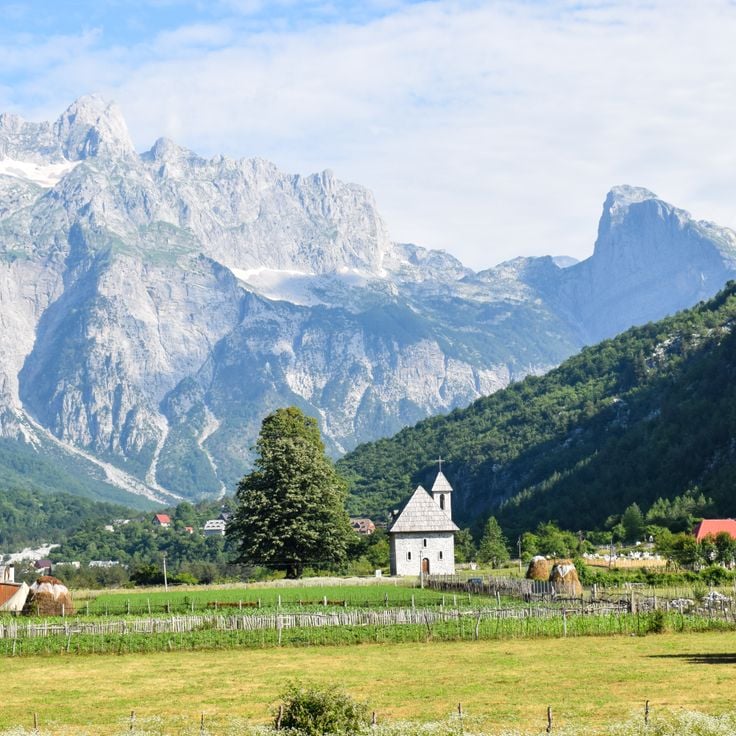
Theth National Park is the largest nature reserve in the Albanian Alps. The park contains high peaks, deep valleys, waterfalls and forested slopes dotted with traditional stone houses. Clear mountain streams flow through the landscape, and rock walls rise steeply around the valleys. Visitors can walk paths that connect remote villages where residents live much as their ancestors did. The park protects a landscape shaped by thousands of years of natural processes and human settlement. Here you can experience both the raw power of the mountains and the quiet rhythm of mountain communities.
The Blue Eye is a natural spring near Sarandë that stands out for its deep, dark blue center surrounded by clear water. This karstic spring forms where underground waters rise from great depths. The location sits in green surroundings and draws visitors who come to see the rare geological formation and swim in its waters. The spring is part of Albania's natural diversity and shows how water and rock have shaped this distinctive landscape over time.
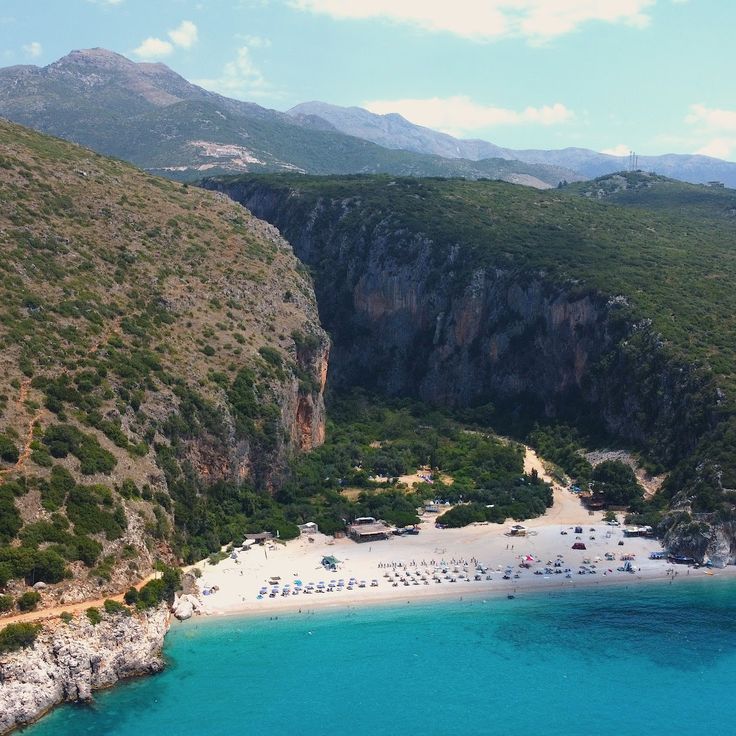
Gjipe Beach is an isolated strand you can only reach on foot. After a half-hour walk through a rocky canyon, you come to a wide pebble beach surrounded by tall limestone cliffs. The water is clear and the beach sits far from roads and towns. This place shows how remote some of Albania's coastline remains.
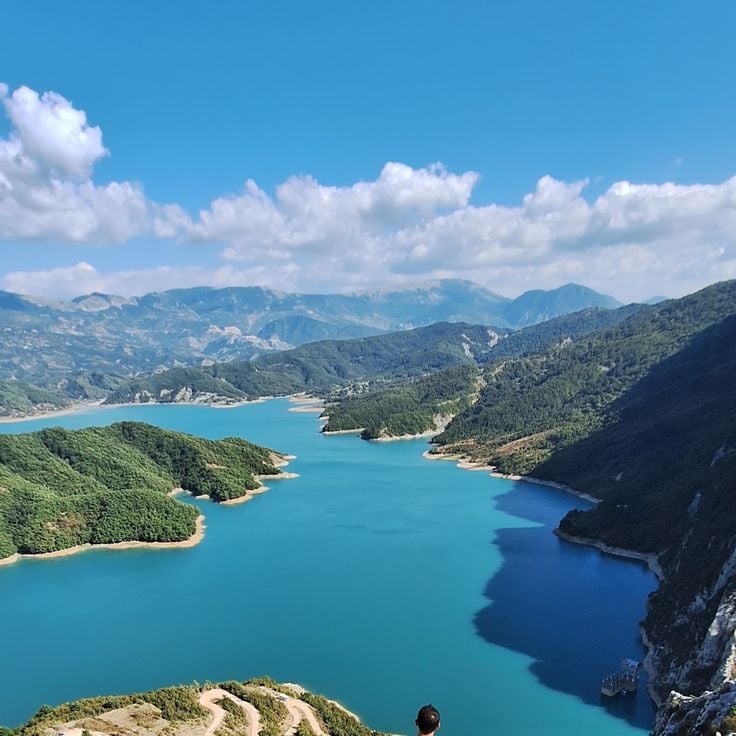
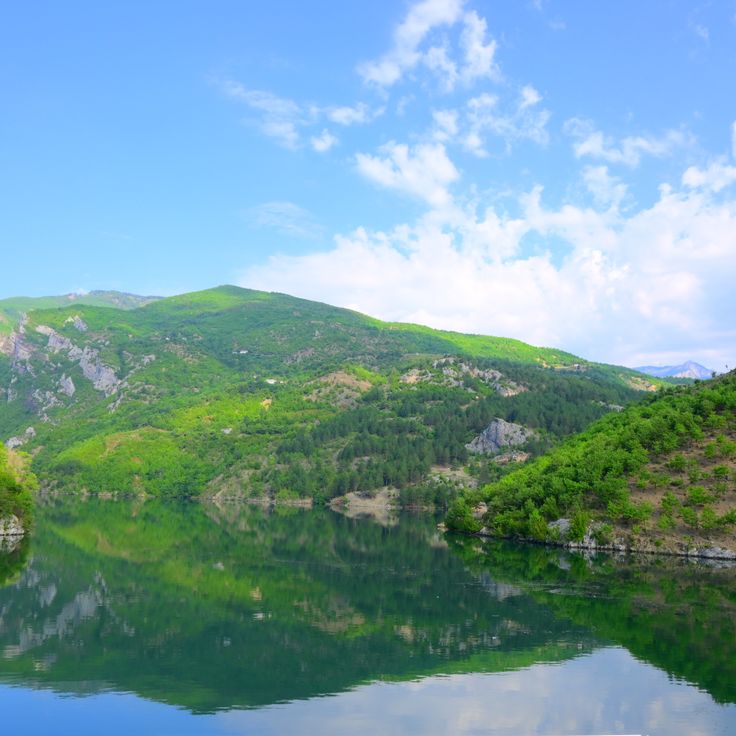
Lake Bovilla is an artificial reservoir created by the Terkuza River to supply drinking water to Tirana. The lake sits in a valley surrounded by mountains that rise to about 1500 meters. The green waters reflect the surrounding peaks and forests that grow along the shoreline. This reservoir shows how Albanian communities have adapted to their environment, building systems to bring water to the capital. Beyond its practical purpose, the lake offers a space where the landscape and human needs meet. Walking around the banks, you can see how mountains, water, and vegetation work together in the region.
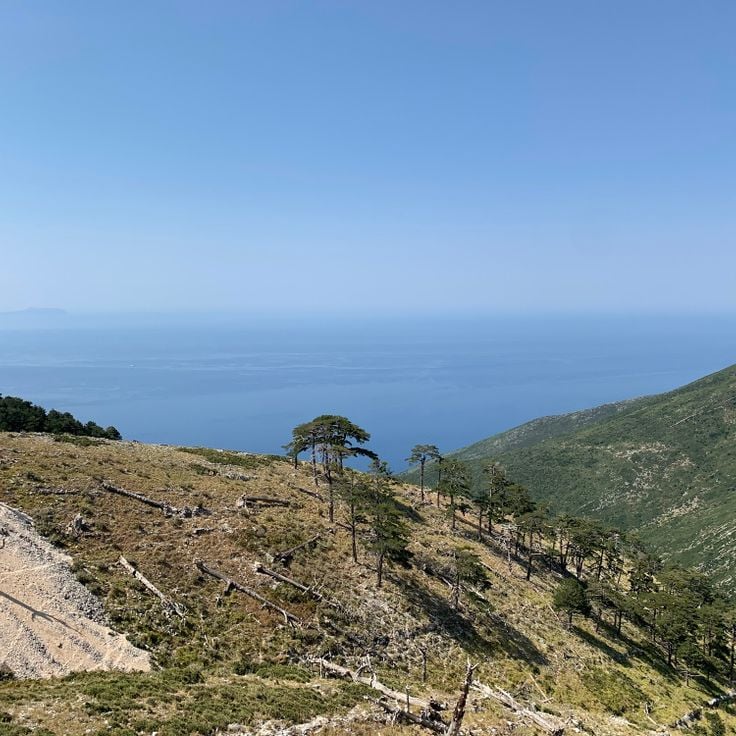
Llogara Pass is a mountain road that reaches about 1 000 meters in elevation and connects the Dukat valley to the Albanian Riviera. The winding route climbs through steep terrain, offering views of the Ionian coast from above. On clear days, you can see the coastline far below, while the mountain air feels cool and fresh. This pass is an important route for travelers and a place where people stop to take in the views and notice how the landscape shifts beneath them.
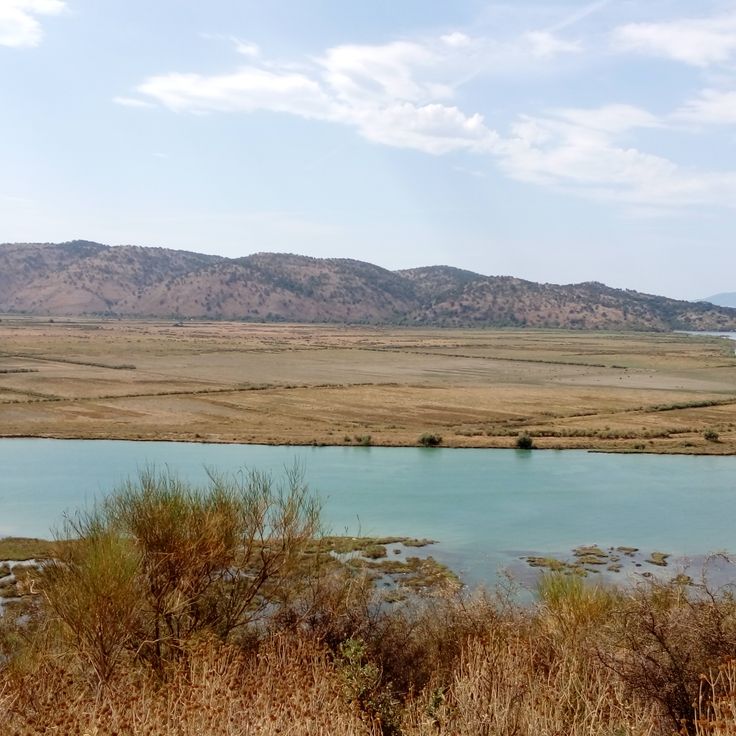
Butrint National Park is an archaeological site near Saranda that preserves remains of structures dating from the 7th century BC to the Middle Ages. Within its grounds stand the ruins of a Roman theater, public baths, and a baptistery. The park shows how different peoples lived and built on this land across many centuries. The ruins sit among forests, lakes, and views of the sea. Visitors can walk through the ancient structures and learn about the importance of this place in Albania's long history.
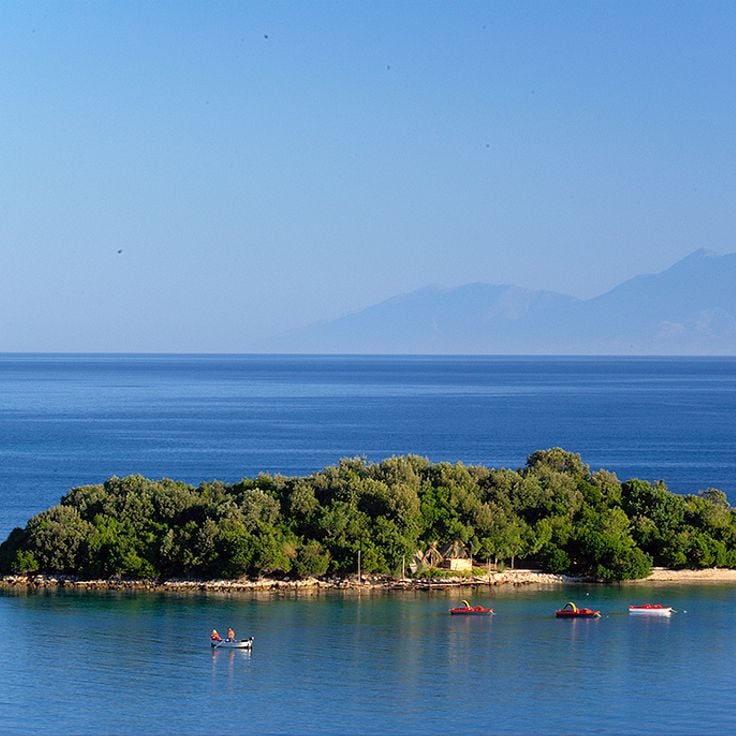
The Ksamil Islands sit just offshore in the Ionian Sea, a cluster of four small islands that are part of Albania's southern coast. Mediterranean plants grow on the rocky shores, and small beaches nestle between the stone formations. The water here is clear, and the underwater rocks create a varied seabed that supports marine life. Visitors can swim around the islands, explore the shallow waters, and enjoy the view of the coastline from the water. The islands show how the sea has shaped the landscape over time, carving and smoothing the rock.
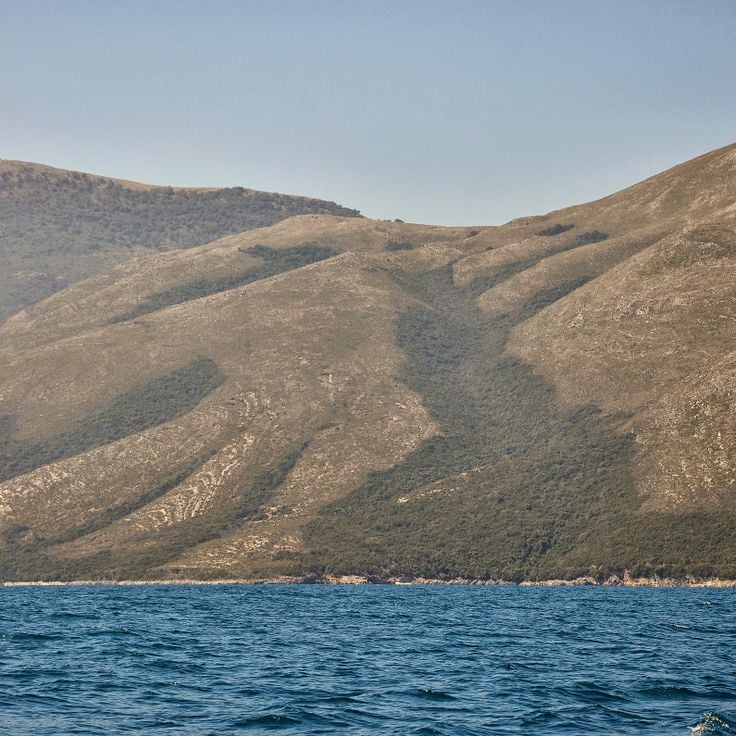
The Karaburun Peninsula separates the Adriatic from the Ionian Sea. Limestone cliffs with caves shape the coastline, while dolphins and Mediterranean monk seals inhabit the waters. This peninsula is part of Albania's system for protecting its natural spaces and shows how geology and wildlife come together here.
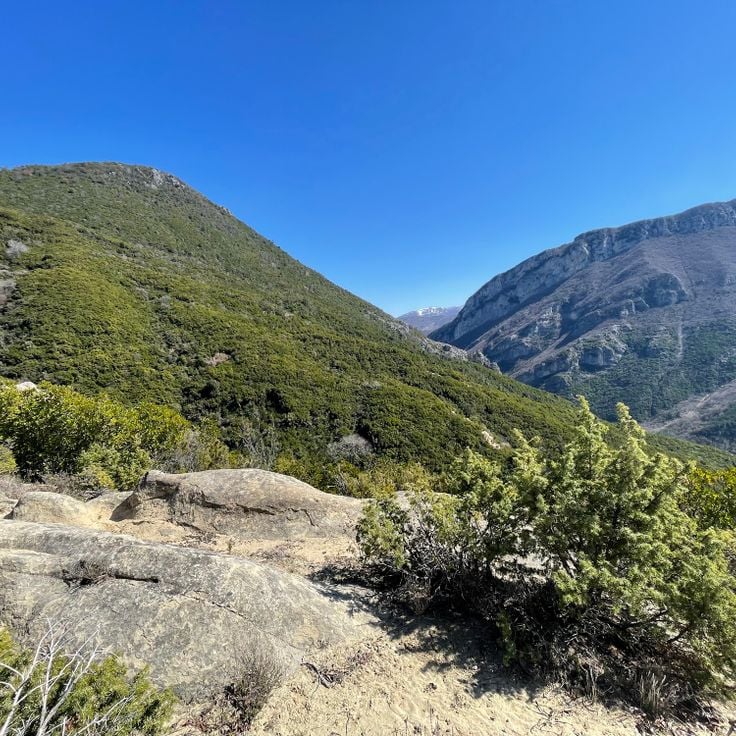
The Erzen River Gorge features limestone walls that rise along the river for several kilometers. The river has carved deep channels into the rock, creating a striking natural formation. Visitors can walk through narrow passages shaped by flowing water and observe the layered limestone structures. The Erzen waters continue to flow through the gorge, having smoothed the rock faces over time. This place shows how water has shaped Albania's landscape through the centuries.
Dardha is a mountain village situated at 1344 meters elevation where stone houses with wooden balconies line narrow streets. The residents maintain traditional ways of living and keep local customs alive through their daily practices. The village retains its rural character and offers a glimpse into how mountain communities have organized their lives over generations. Walking through Dardha, you encounter people who continue to practice traditional crafts and skills.
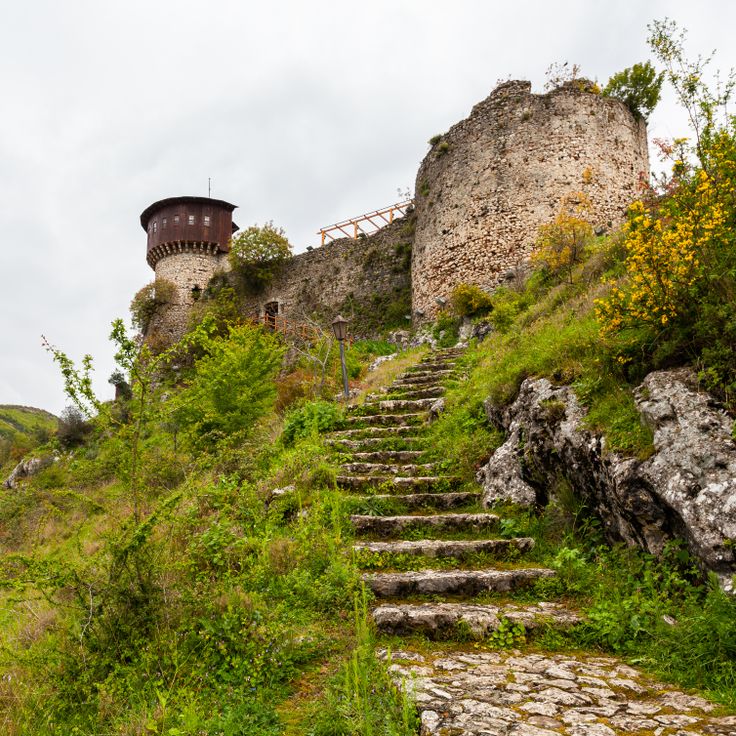
Petrela Castle is a triangular fortress that stands on a rocky hill. Built in the 5th century, it served as a military stronghold until the 20th century. The castle shows Albania's long history and the role that fortified structures played in defending the region. From its location, you can look out over the area around Tirana and understand how such castles once protected the land.
Lake Koman is a 34-kilometer-long reservoir created in 1978 by a hydroelectric dam. Sheer canyon walls rise 500 meters (1,640 feet) on either side of the water. The lake sits deep within a valley where mountains slope down steeply to meet the surface. Visitors travel by boat through this dramatic setting in northern Albania. The landscape shows how water and rock have shaped each other over time, creating this narrow passage between towering cliffs.
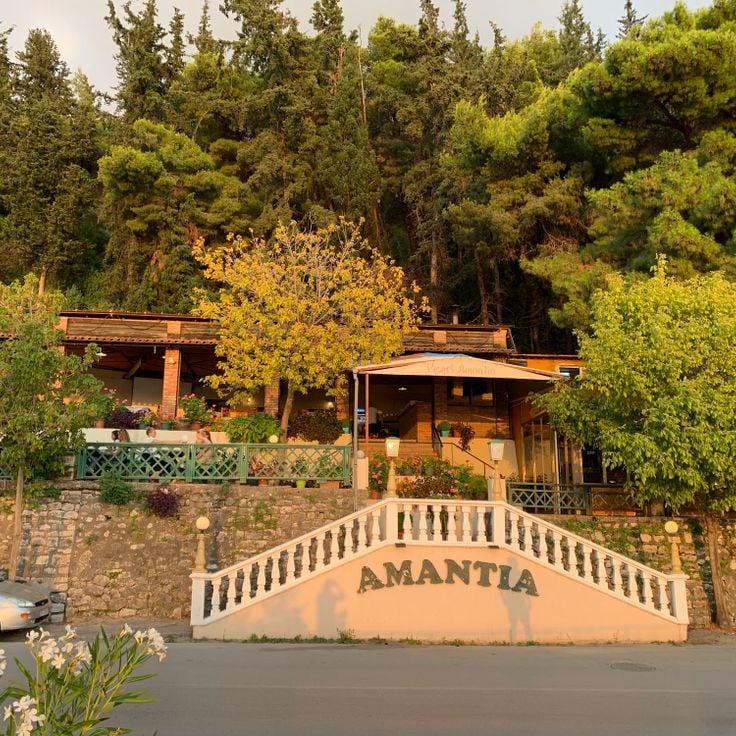
Amantia is an archaeological site near Vlorë that shows the remains of an ancient settlement. Stone walls and the ruins of an amphitheater reveal how people lived here during the Illyrian civilization of the 5th century BC. The site sits on a hillside and offers a window into the building techniques and daily life of these early inhabitants. Walking through the ruins, visitors can trace the layers of history that accumulated here over many centuries.
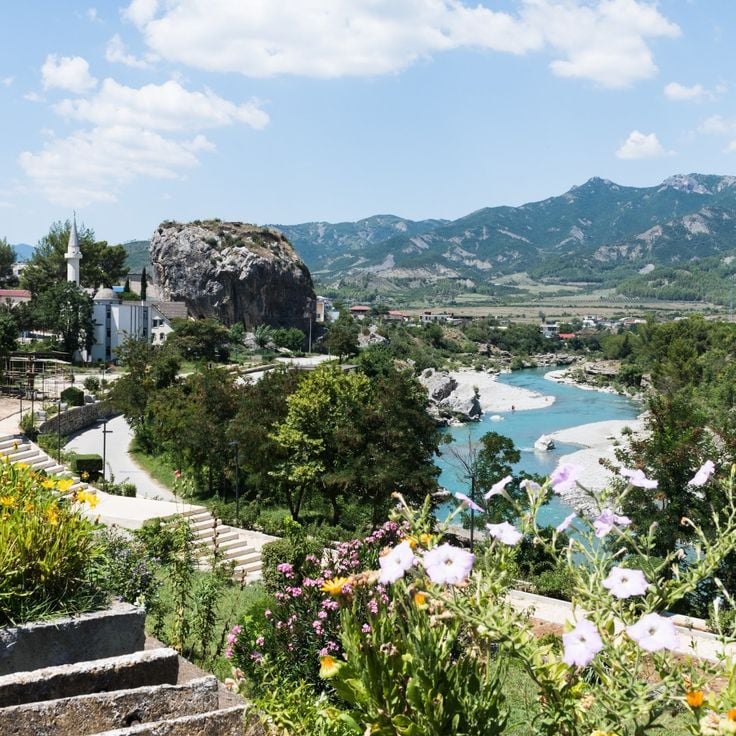
The thermal baths of Përmet are mineral springs with waters reaching 32 degrees Celsius (90 degrees Fahrenheit), located in a valley near limestone cliffs by the Vjosa River. The springs emerge from underground reservoirs where minerals collect in the water. The site sits in a quiet area surrounded by rock formations and plants. Visitors come to bathe in the warm pools and experience the water that has flowed through the earth for ages. This place reflects how nature provides warmth and minerals in a mountainous region of southern Albania.
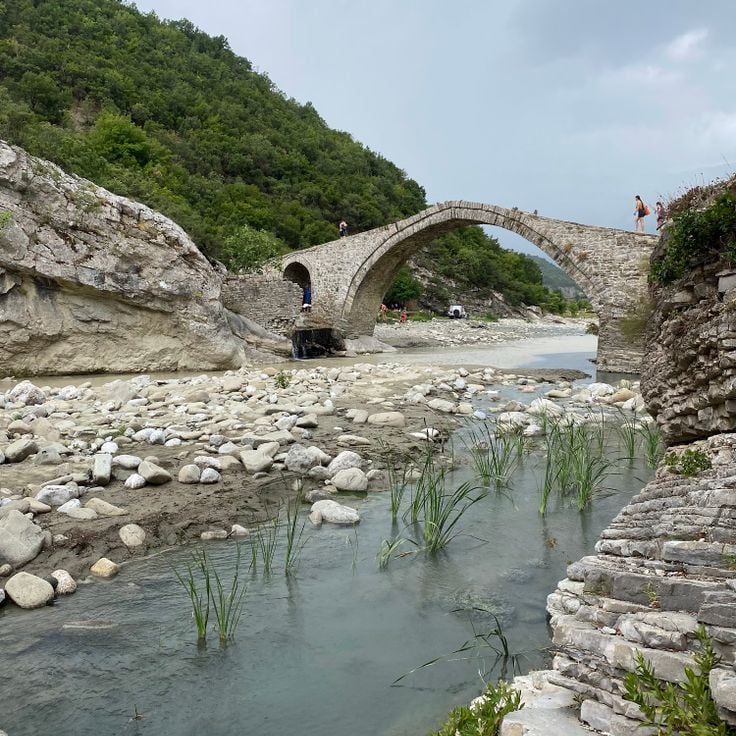
The Benja thermal pools are natural stone basins filled with mineral-rich water kept at about 30°C (86°F). They sit beside an arched Ottoman bridge from the 18th century. These pools are part of Albania's natural springs, drawing visitors who come to soak in the warm, sulfurous waters. The location blends nature with history, as the old bridge tells of the region's long past.
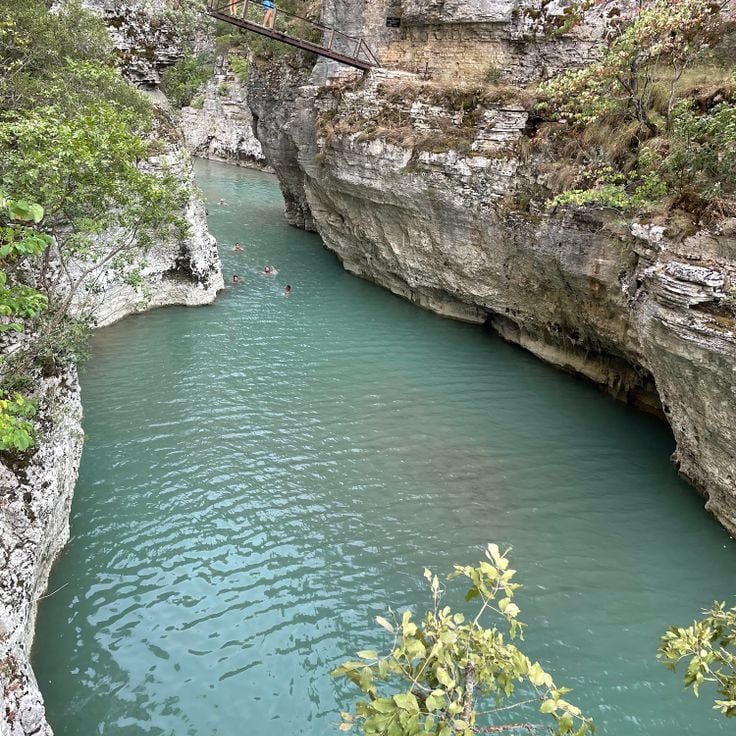
The Osumi Gorge near Berat is a canyon with vertical walls that rise 100 meters above the Osumi River. Water has carved deep rock faces and formed several waterfalls throughout the gorge. Visitors can experience whitewater rafting or hike along the cliffs to watch how the flowing water has shaped the stone over thousands of years. The gorge shows how natural forces have shaped Albania's landscape.
The Antigonea Archaeological Park sits in the hills near Gjirokastër and preserves the remains of an ancient city built in the 3rd century before Christ. The excavated site shows stone walls, bath facilities, residential quarters, and a Greek theater perched on a hillside. This place allows you to understand how people lived in this region during ancient times and reveals the connections between the natural landscape and human settlement.
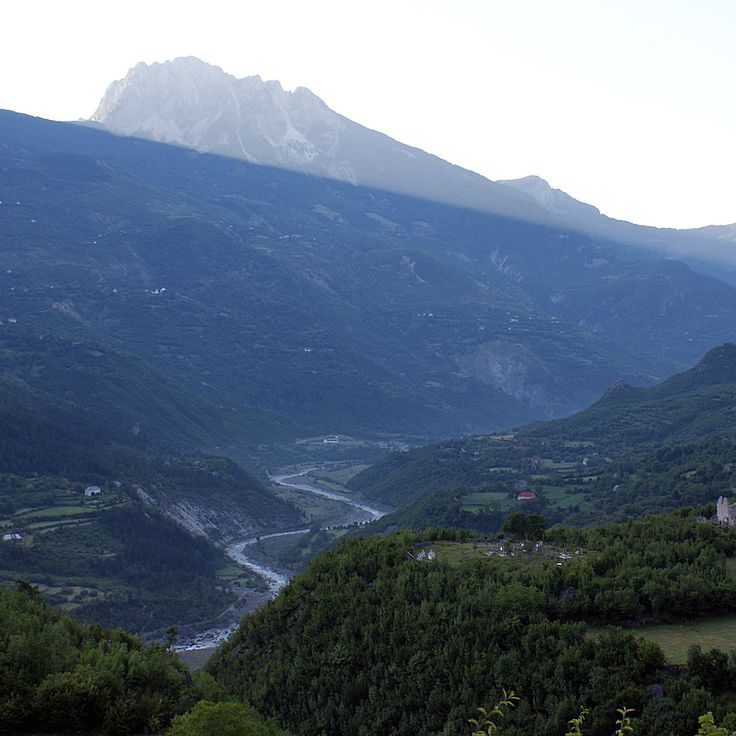
The Shala River is a mountain stream flowing through limestone gorges with pools of clear water. Beech forests and traditional alpine villages surround the river. This river shows how water and stone have shaped the landscape over time. The area represents the diverse natural spaces of Albania that lie between high mountains and cultivated valleys.
Theth National Park is the largest nature reserve in the Albanian Alps. The park contains high peaks, deep valleys, waterfalls and forested slopes dotted with traditional stone houses. Clear mountain streams flow through the landscape, and rock walls rise steeply around the valleys. Visitors can walk paths that connect remote villages where residents live much as their ancestors did. The park protects a landscape shaped by thousands of years of natural processes and human settlement. Here you can experience both the raw power of the mountains and the quiet rhythm of mountain communities.
The Blue Eye is a natural spring near Sarandë that stands out for its deep, dark blue center surrounded by clear water. This karstic spring forms where underground waters rise from great depths. The location sits in green surroundings and draws visitors who come to see the rare geological formation and swim in its waters. The spring is part of Albania's natural diversity and shows how water and rock have shaped this distinctive landscape over time.
Gjipe Beach is an isolated strand you can only reach on foot. After a half-hour walk through a rocky canyon, you come to a wide pebble beach surrounded by tall limestone cliffs. The water is clear and the beach sits far from roads and towns. This place shows how remote some of Albania's coastline remains.
Lake Bovilla is an artificial reservoir created by the Terkuza River to supply drinking water to Tirana. The lake sits in a valley surrounded by mountains that rise to about 1500 meters. The green waters reflect the surrounding peaks and forests that grow along the shoreline. This reservoir shows how Albanian communities have adapted to their environment, building systems to bring water to the capital. Beyond its practical purpose, the lake offers a space where the landscape and human needs meet. Walking around the banks, you can see how mountains, water, and vegetation work together in the region.
Llogara Pass is a mountain road that reaches about 1 000 meters in elevation and connects the Dukat valley to the Albanian Riviera. The winding route climbs through steep terrain, offering views of the Ionian coast from above. On clear days, you can see the coastline far below, while the mountain air feels cool and fresh. This pass is an important route for travelers and a place where people stop to take in the views and notice how the landscape shifts beneath them.
Butrint National Park is an archaeological site near Saranda that preserves remains of structures dating from the 7th century BC to the Middle Ages. Within its grounds stand the ruins of a Roman theater, public baths, and a baptistery. The park shows how different peoples lived and built on this land across many centuries. The ruins sit among forests, lakes, and views of the sea. Visitors can walk through the ancient structures and learn about the importance of this place in Albania's long history.
The Ksamil Islands sit just offshore in the Ionian Sea, a cluster of four small islands that are part of Albania's southern coast. Mediterranean plants grow on the rocky shores, and small beaches nestle between the stone formations. The water here is clear, and the underwater rocks create a varied seabed that supports marine life. Visitors can swim around the islands, explore the shallow waters, and enjoy the view of the coastline from the water. The islands show how the sea has shaped the landscape over time, carving and smoothing the rock.
The Karaburun Peninsula separates the Adriatic from the Ionian Sea. Limestone cliffs with caves shape the coastline, while dolphins and Mediterranean monk seals inhabit the waters. This peninsula is part of Albania's system for protecting its natural spaces and shows how geology and wildlife come together here.
The Erzen River Gorge features limestone walls that rise along the river for several kilometers. The river has carved deep channels into the rock, creating a striking natural formation. Visitors can walk through narrow passages shaped by flowing water and observe the layered limestone structures. The Erzen waters continue to flow through the gorge, having smoothed the rock faces over time. This place shows how water has shaped Albania's landscape through the centuries.
Dardha is a mountain village situated at 1344 meters elevation where stone houses with wooden balconies line narrow streets. The residents maintain traditional ways of living and keep local customs alive through their daily practices. The village retains its rural character and offers a glimpse into how mountain communities have organized their lives over generations. Walking through Dardha, you encounter people who continue to practice traditional crafts and skills.
Petrela Castle is a triangular fortress that stands on a rocky hill. Built in the 5th century, it served as a military stronghold until the 20th century. The castle shows Albania's long history and the role that fortified structures played in defending the region. From its location, you can look out over the area around Tirana and understand how such castles once protected the land.
Lake Koman is a 34-kilometer-long reservoir created in 1978 by a hydroelectric dam. Sheer canyon walls rise 500 meters (1,640 feet) on either side of the water. The lake sits deep within a valley where mountains slope down steeply to meet the surface. Visitors travel by boat through this dramatic setting in northern Albania. The landscape shows how water and rock have shaped each other over time, creating this narrow passage between towering cliffs.
Amantia is an archaeological site near Vlorë that shows the remains of an ancient settlement. Stone walls and the ruins of an amphitheater reveal how people lived here during the Illyrian civilization of the 5th century BC. The site sits on a hillside and offers a window into the building techniques and daily life of these early inhabitants. Walking through the ruins, visitors can trace the layers of history that accumulated here over many centuries.
The thermal baths of Përmet are mineral springs with waters reaching 32 degrees Celsius (90 degrees Fahrenheit), located in a valley near limestone cliffs by the Vjosa River. The springs emerge from underground reservoirs where minerals collect in the water. The site sits in a quiet area surrounded by rock formations and plants. Visitors come to bathe in the warm pools and experience the water that has flowed through the earth for ages. This place reflects how nature provides warmth and minerals in a mountainous region of southern Albania.
The Benja thermal pools are natural stone basins filled with mineral-rich water kept at about 30°C (86°F). They sit beside an arched Ottoman bridge from the 18th century. These pools are part of Albania's natural springs, drawing visitors who come to soak in the warm, sulfurous waters. The location blends nature with history, as the old bridge tells of the region's long past.
The Osumi Gorge near Berat is a canyon with vertical walls that rise 100 meters above the Osumi River. Water has carved deep rock faces and formed several waterfalls throughout the gorge. Visitors can experience whitewater rafting or hike along the cliffs to watch how the flowing water has shaped the stone over thousands of years. The gorge shows how natural forces have shaped Albania's landscape.
The Antigonea Archaeological Park sits in the hills near Gjirokastër and preserves the remains of an ancient city built in the 3rd century before Christ. The excavated site shows stone walls, bath facilities, residential quarters, and a Greek theater perched on a hillside. This place allows you to understand how people lived in this region during ancient times and reveals the connections between the natural landscape and human settlement.
The Shala River is a mountain stream flowing through limestone gorges with pools of clear water. Beech forests and traditional alpine villages surround the river. This river shows how water and stone have shaped the landscape over time. The area represents the diverse natural spaces of Albania that lie between high mountains and cultivated valleys.
Theth National Park is the largest nature reserve in the Albanian Alps. The park contains high peaks, deep valleys, waterfalls and forested slopes dotted with traditional stone houses. Clear mountain streams flow through the landscape, and rock walls rise steeply around the valleys. Visitors can walk paths that connect remote villages where residents live much as their ancestors did. The park protects a landscape shaped by thousands of years of natural processes and human settlement. Here you can experience both the raw power of the mountains and the quiet rhythm of mountain communities.
The Blue Eye is a natural spring near Sarandë that stands out for its deep, dark blue center surrounded by clear water. This karstic spring forms where underground waters rise from great depths. The location sits in green surroundings and draws visitors who come to see the rare geological formation and swim in its waters. The spring is part of Albania's natural diversity and shows how water and rock have shaped this distinctive landscape over time.
Gjipe Beach is an isolated strand you can only reach on foot. After a half-hour walk through a rocky canyon, you come to a wide pebble beach surrounded by tall limestone cliffs. The water is clear and the beach sits far from roads and towns. This place shows how remote some of Albania's coastline remains.
Lake Bovilla is an artificial reservoir created by the Terkuza River to supply drinking water to Tirana. The lake sits in a valley surrounded by mountains that rise to about 1500 meters. The green waters reflect the surrounding peaks and forests that grow along the shoreline. This reservoir shows how Albanian communities have adapted to their environment, building systems to bring water to the capital. Beyond its practical purpose, the lake offers a space where the landscape and human needs meet. Walking around the banks, you can see how mountains, water, and vegetation work together in the region.
Llogara Pass is a mountain road that reaches about 1 000 meters in elevation and connects the Dukat valley to the Albanian Riviera. The winding route climbs through steep terrain, offering views of the Ionian coast from above. On clear days, you can see the coastline far below, while the mountain air feels cool and fresh. This pass is an important route for travelers and a place where people stop to take in the views and notice how the landscape shifts beneath them.
Butrint National Park is an archaeological site near Saranda that preserves remains of structures dating from the 7th century BC to the Middle Ages. Within its grounds stand the ruins of a Roman theater, public baths, and a baptistery. The park shows how different peoples lived and built on this land across many centuries. The ruins sit among forests, lakes, and views of the sea. Visitors can walk through the ancient structures and learn about the importance of this place in Albania's long history.
The Ksamil Islands sit just offshore in the Ionian Sea, a cluster of four small islands that are part of Albania's southern coast. Mediterranean plants grow on the rocky shores, and small beaches nestle between the stone formations. The water here is clear, and the underwater rocks create a varied seabed that supports marine life. Visitors can swim around the islands, explore the shallow waters, and enjoy the view of the coastline from the water. The islands show how the sea has shaped the landscape over time, carving and smoothing the rock.
The Karaburun Peninsula separates the Adriatic from the Ionian Sea. Limestone cliffs with caves shape the coastline, while dolphins and Mediterranean monk seals inhabit the waters. This peninsula is part of Albania's system for protecting its natural spaces and shows how geology and wildlife come together here.
The Erzen River Gorge features limestone walls that rise along the river for several kilometers. The river has carved deep channels into the rock, creating a striking natural formation. Visitors can walk through narrow passages shaped by flowing water and observe the layered limestone structures. The Erzen waters continue to flow through the gorge, having smoothed the rock faces over time. This place shows how water has shaped Albania's landscape through the centuries.
Dardha is a mountain village situated at 1344 meters elevation where stone houses with wooden balconies line narrow streets. The residents maintain traditional ways of living and keep local customs alive through their daily practices. The village retains its rural character and offers a glimpse into how mountain communities have organized their lives over generations. Walking through Dardha, you encounter people who continue to practice traditional crafts and skills.
Petrela Castle is a triangular fortress that stands on a rocky hill. Built in the 5th century, it served as a military stronghold until the 20th century. The castle shows Albania's long history and the role that fortified structures played in defending the region. From its location, you can look out over the area around Tirana and understand how such castles once protected the land.
Lake Koman is a 34-kilometer-long reservoir created in 1978 by a hydroelectric dam. Sheer canyon walls rise 500 meters (1,640 feet) on either side of the water. The lake sits deep within a valley where mountains slope down steeply to meet the surface. Visitors travel by boat through this dramatic setting in northern Albania. The landscape shows how water and rock have shaped each other over time, creating this narrow passage between towering cliffs.
Amantia is an archaeological site near Vlorë that shows the remains of an ancient settlement. Stone walls and the ruins of an amphitheater reveal how people lived here during the Illyrian civilization of the 5th century BC. The site sits on a hillside and offers a window into the building techniques and daily life of these early inhabitants. Walking through the ruins, visitors can trace the layers of history that accumulated here over many centuries.
The thermal baths of Përmet are mineral springs with waters reaching 32 degrees Celsius (90 degrees Fahrenheit), located in a valley near limestone cliffs by the Vjosa River. The springs emerge from underground reservoirs where minerals collect in the water. The site sits in a quiet area surrounded by rock formations and plants. Visitors come to bathe in the warm pools and experience the water that has flowed through the earth for ages. This place reflects how nature provides warmth and minerals in a mountainous region of southern Albania.
The Benja thermal pools are natural stone basins filled with mineral-rich water kept at about 30°C (86°F). They sit beside an arched Ottoman bridge from the 18th century. These pools are part of Albania's natural springs, drawing visitors who come to soak in the warm, sulfurous waters. The location blends nature with history, as the old bridge tells of the region's long past.
The Osumi Gorge near Berat is a canyon with vertical walls that rise 100 meters above the Osumi River. Water has carved deep rock faces and formed several waterfalls throughout the gorge. Visitors can experience whitewater rafting or hike along the cliffs to watch how the flowing water has shaped the stone over thousands of years. The gorge shows how natural forces have shaped Albania's landscape.
The Antigonea Archaeological Park sits in the hills near Gjirokastër and preserves the remains of an ancient city built in the 3rd century before Christ. The excavated site shows stone walls, bath facilities, residential quarters, and a Greek theater perched on a hillside. This place allows you to understand how people lived in this region during ancient times and reveals the connections between the natural landscape and human settlement.
The Shala River is a mountain stream flowing through limestone gorges with pools of clear water. Beech forests and traditional alpine villages surround the river. This river shows how water and stone have shaped the landscape over time. The area represents the diverse natural spaces of Albania that lie between high mountains and cultivated valleys.