See the monuments around you in AROpen chests in the app
Around Us is built for your phone — point your camera at the streets and discover the monuments and places around you in augmented reality.Around Us is built for your phone — chests unlock when you walk, explore and capture nearby places.
Bordeaux, the wine capital and historic gem to explore in France
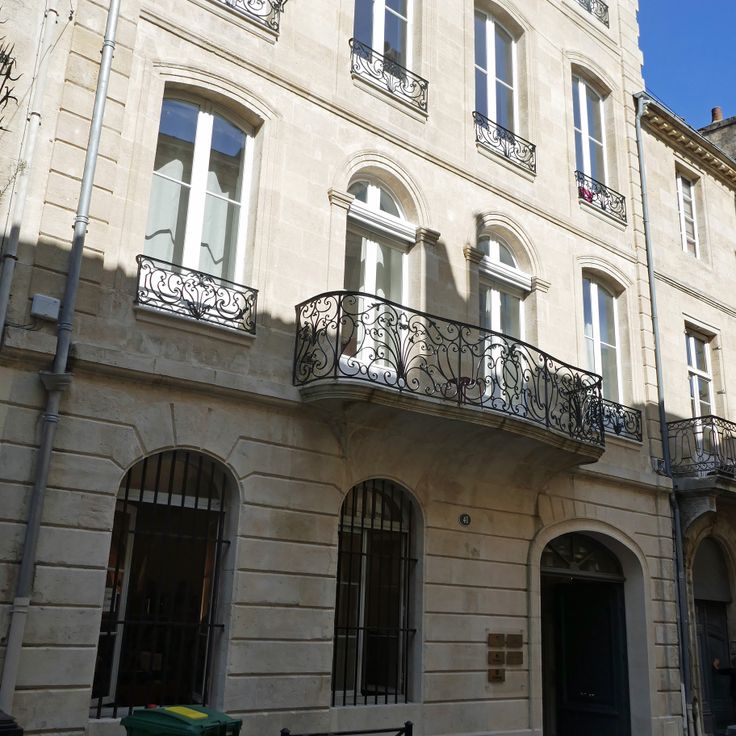
Bordeaux is a city where history and present-day life exist side by side. Broad streets and elegant facades from the 18th century shape the city, while modern projects like the Darwin Ecosystem and renewed riverbanks along the Garonne keep the city moving forward. Wine is more than a drink here – it is central to the region's identity. The Cité du Vin, museums, and wine merchants tell the story of centuries of trade that shaped this place. Visitors can walk through the columns of the Grand Théâtre, see their reflection in the Water Mirror, or cross the historic Pont de Pierre.
There is much to discover throughout the city. The Place de la Bourse shines with its balanced architecture, while Saint-André Cathedral and the Basilica of St. Michael show medieval craftsmanship. The Museum of Aquitaine traces the region's past, and the Marché des Capucins remains a lively market. Modern art museums like CAPC offer contemporary perspectives, and parks such as Jardin Public and Parc Bordelais provide space to walk and pause. Bordeaux holds tradition and progress in balance.
Bordeaux, the wine capital and historic gem to explore in France
Bordeaux is a city where history and present-day life exist side by side. Broad streets and elegant facades from the 18th century shape the city, while modern projects like the Darwin Ecosystem and renewed riverbanks along the Garonne keep the city moving forward. Wine is more than a drink here – it is central to the region's identity. The Cité du Vin, museums, and wine merchants tell the story of centuries of trade that shaped this place. Visitors can walk through the columns of the Grand Théâtre, see their reflection in the Water Mirror, or cross the historic Pont de Pierre.
There is much to discover throughout the city. The Place de la Bourse shines with its balanced architecture, while Saint-André Cathedral and the Basilica of St. Michael show medieval craftsmanship. The Museum of Aquitaine traces the region's past, and the Marché des Capucins remains a lively market. Modern art museums like CAPC offer contemporary perspectives, and parks such as Jardin Public and Parc Bordelais provide space to walk and pause. Bordeaux holds tradition and progress in balance.
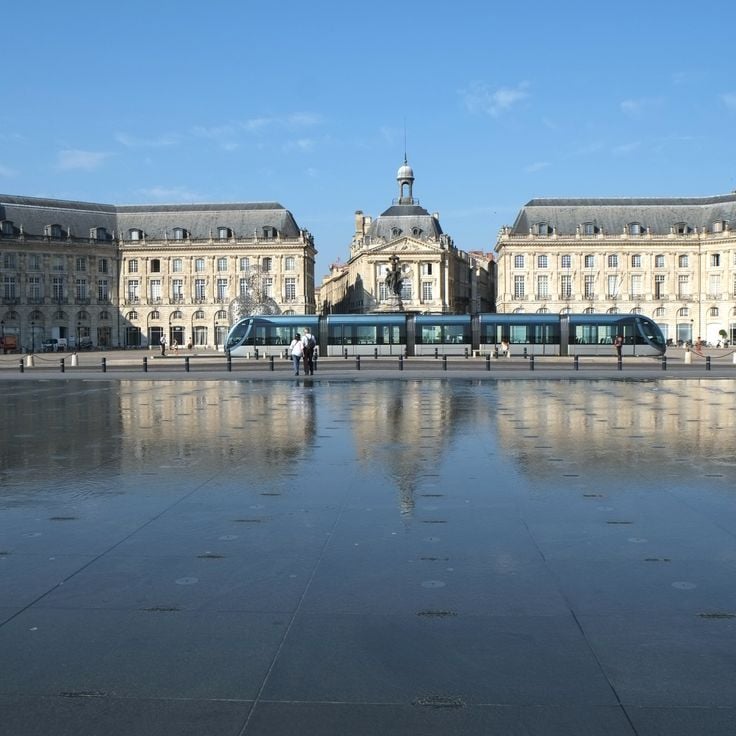
The Place de la Bourse is the heart of classical Bordeaux. This square shows the beauty of the city from the 18th century through its elegant light-colored stone facades. Water reflects the buildings and creates a calm view that changes throughout the day. Here you can admire the architecture that shaped Bordeaux during its prosperous time as the wine capital.
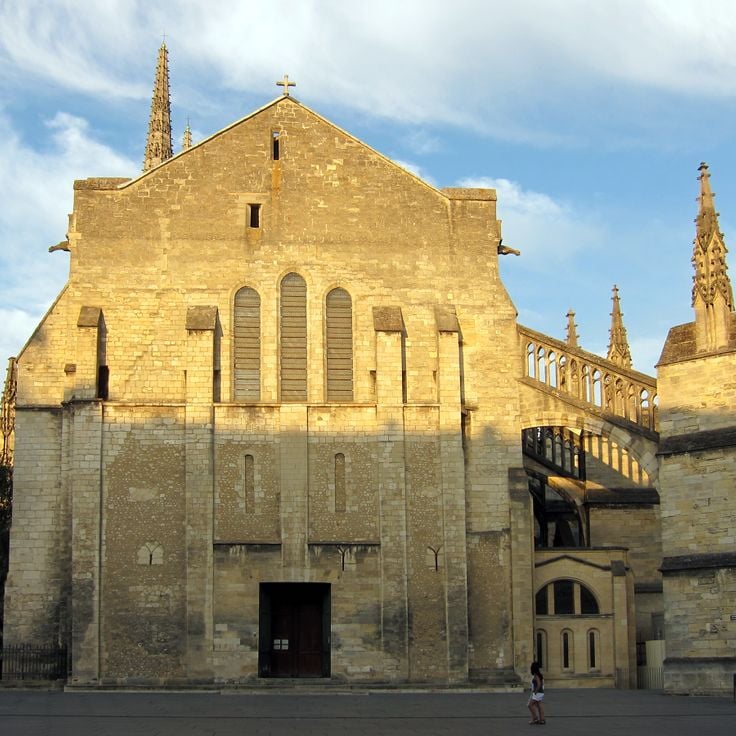
This cathedral is a major spiritual site and a Gothic masterpiece that has watched over Bordeaux for nearly a thousand years. Its grand vaults and stained glass windows tell the religious and architectural story of southwestern France. As part of Bordeaux, the wine capital with its deep historical roots, the cathedral connects spiritual life with the city's classical beauty and enduring traditions.
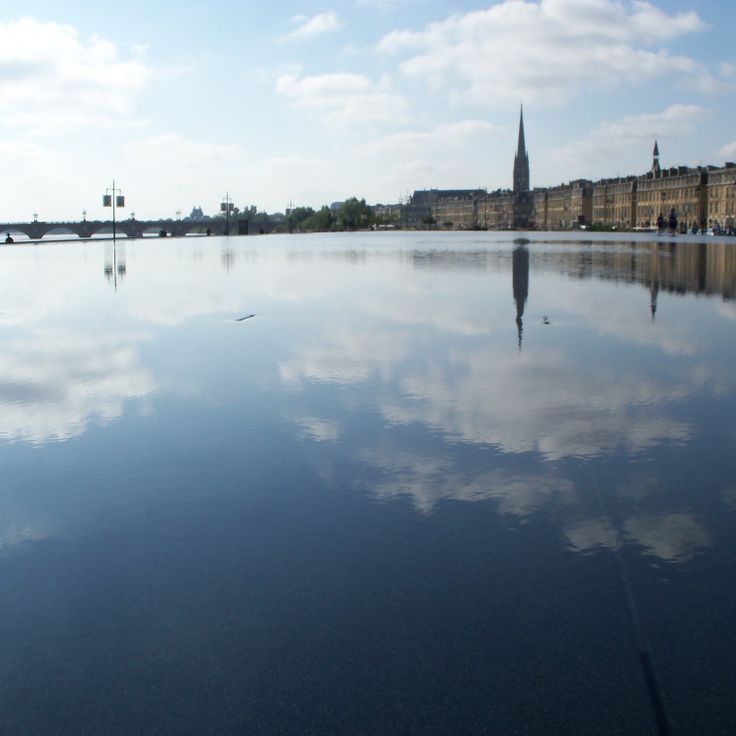
Facing the Garonne in Bordeaux, the wine capital of France, the Water Mirror is a large water slab that creates a space of quiet reflection. Here sky, stone, and passersby blend together in reflections and mist. This water feature has become a symbol of the contemporary city, showing how Bordeaux merges tradition with innovation.
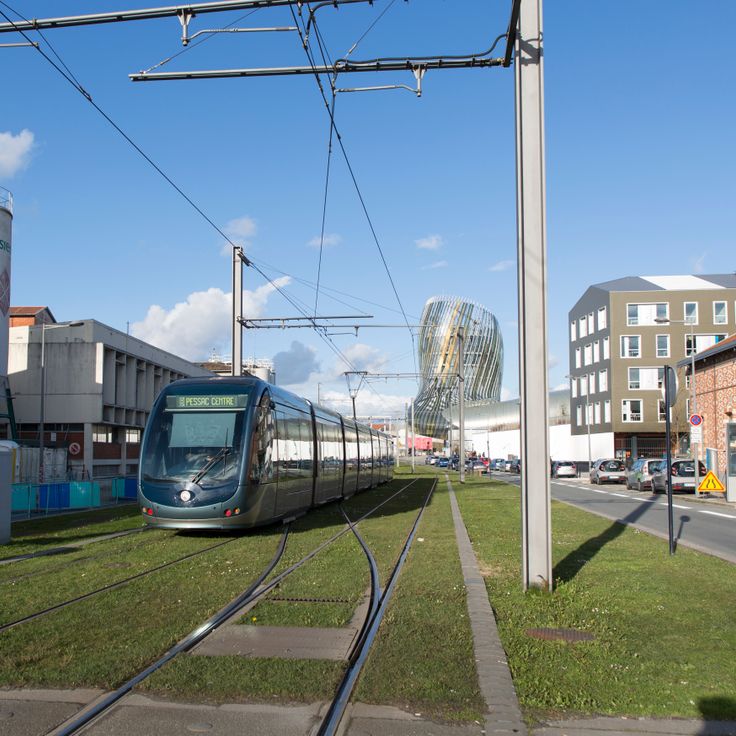
La Cité du Vin is a contemporary museum dedicated to winemaking around the world and anchors Bordeaux's identity as France's wine capital. It showcases terroirs, grape varieties, and aromas from wine regions across the globe. After exploring, visitors enjoy a tasting at the top of the building with panoramic views.
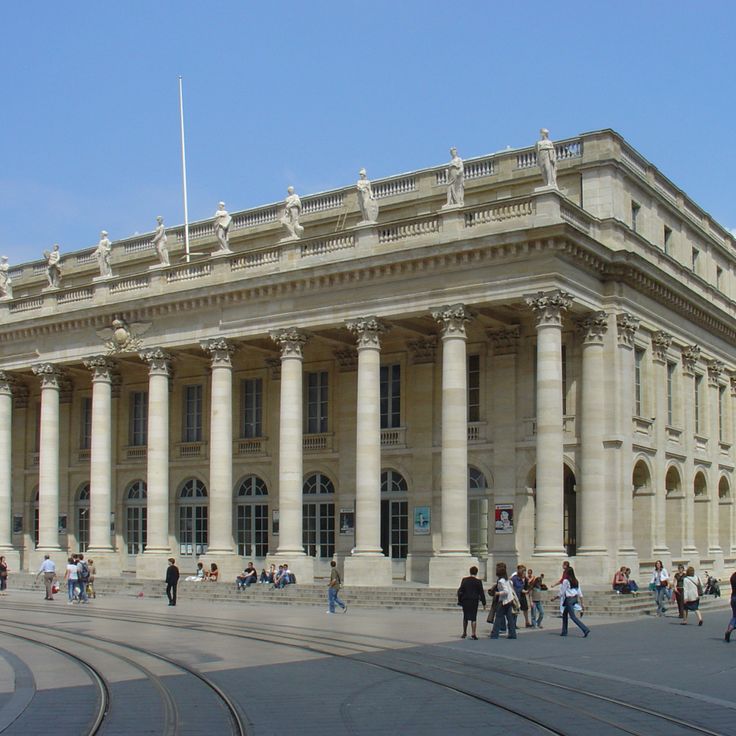
The Grand Théâtre de Bordeaux is an 18th-century theater with twelve Corinthian columns that anchors the cultural life of this wine capital. Its interior displays the refined details that mark leading European theaters. As one of Bordeaux's defining landmarks, it embodies the city's blend of historical elegance and living culture, hosting operas and ballets while standing as a symbol of the city's classical heritage.
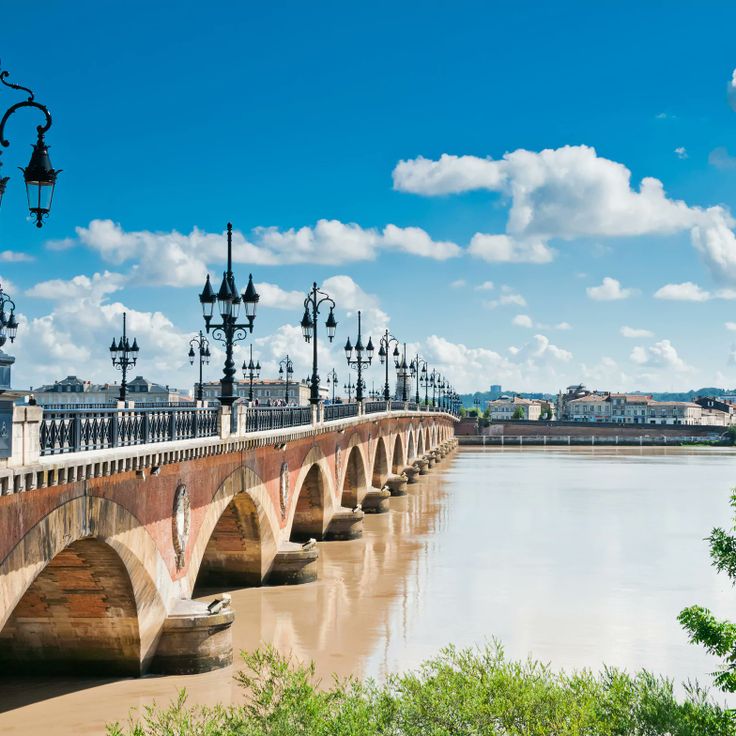
This bridge in Bordeaux was ordered by Napoleon I and has connected the two banks of the city since 1822. With its seventeen arches, it symbolizes the link between the past and the present of this wine capital. It shows how the city preserves its history while looking toward the modern era.
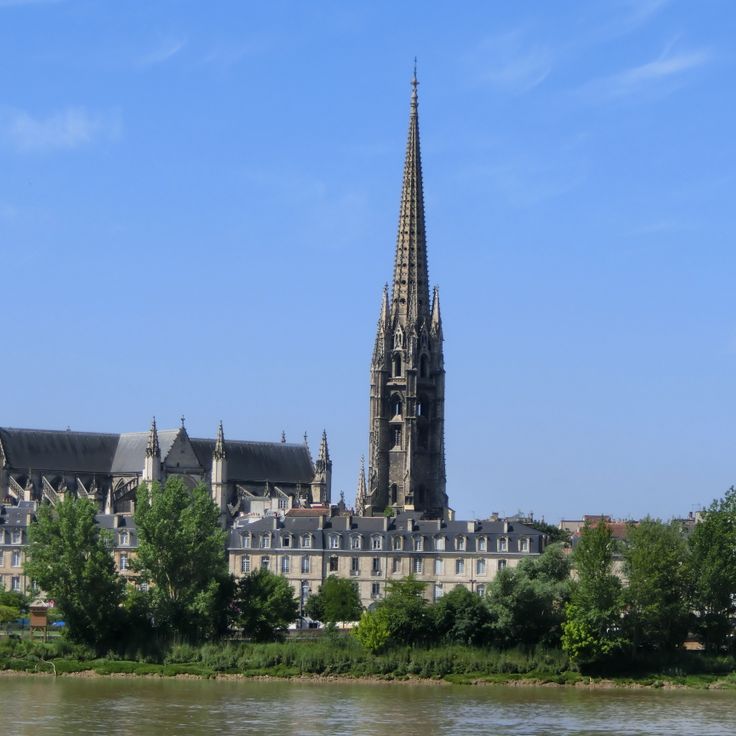
This Gothic basilica was built between the 14th and 16th centuries and stands as a major landmark in Bordeaux's skyline. The freestanding bell tower rises 114 meters high and can be seen from many parts of the city. Inside, stone carvings and windows create a sense of space and light. The basilica reflects the religious and artistic history of Bordeaux, showing how the city developed over centuries. It is one of the buildings that shaped the heritage of this French wine capital.
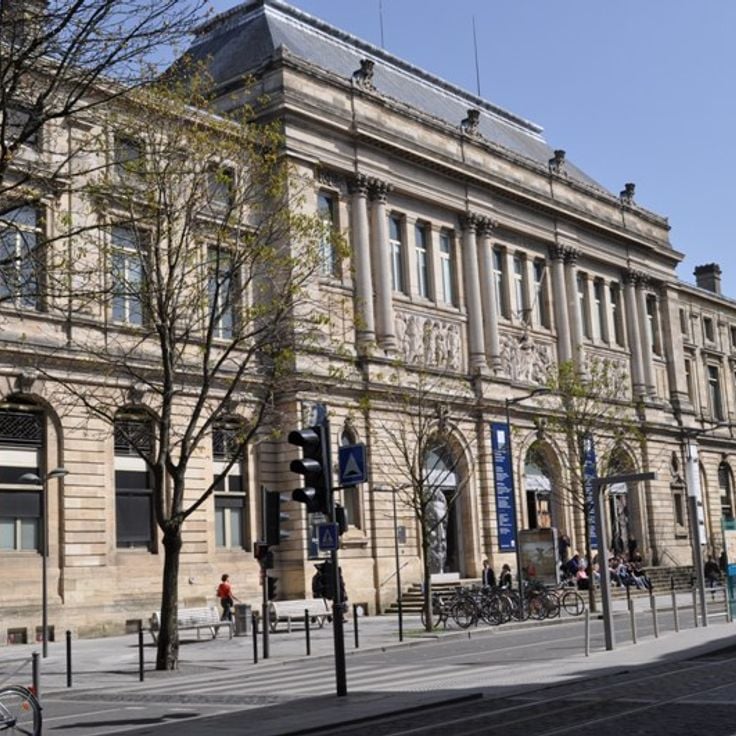
The Museum of Aquitaine serves as a record of the region within Bordeaux's story. It traces how the city developed from prehistoric times through the colonial era, showing the maritime trade that shaped its growth. The collections display objects, documents, and artworks that reveal how commerce, culture, and local traditions built the identity of this wine region. Visitors walk through centuries of history, seeing how Bordeaux became one of France's most important centers.
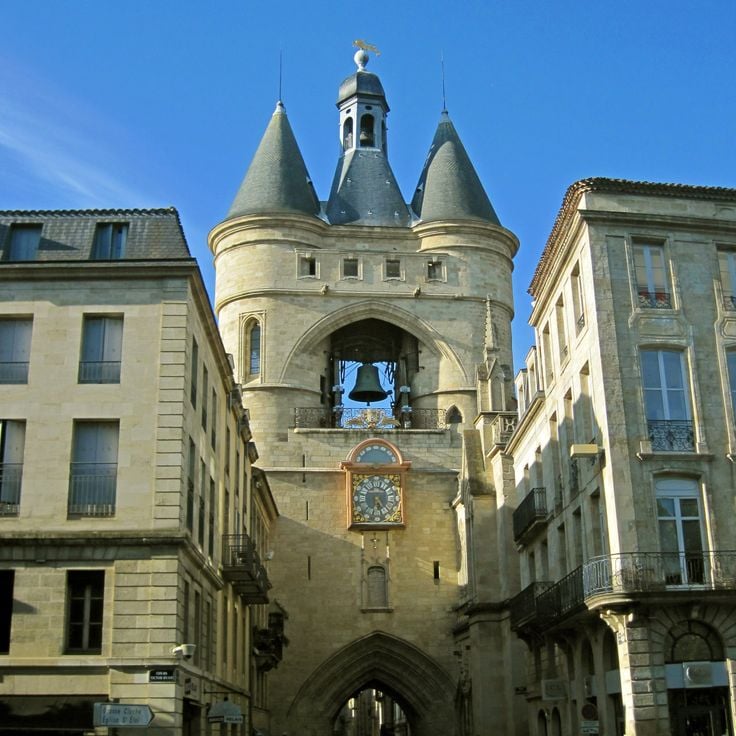
This medieval gate and 15th-century belfry stands as a landmark of Bordeaux's old quarter. The Grosse Cloche shapes the life of the historic center, rising between narrow streets and carved facades. Part of the city's rich heritage, this structure connects the classic elegance of Bordeaux with the stories of its past.
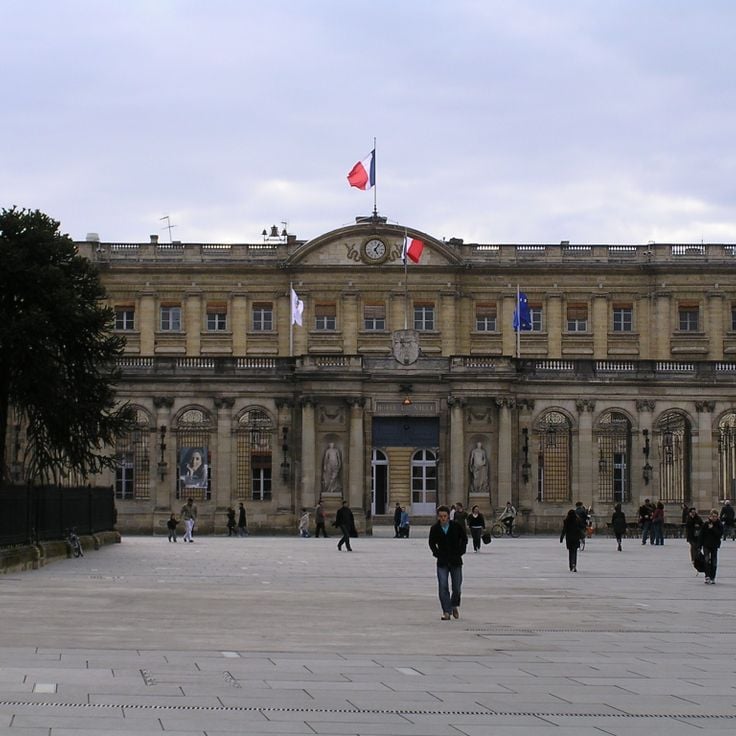
The Palais Rohan is an 18th-century palace that represents the history of Bordeaux, this elegant wine capital. Today, it houses the city administration of Bordeaux within its historical rooms, blending administrative functions with the architectural heritage of the region. As part of the rich cultural fabric of this city on the Garonne River, the Palais Rohan shows how Bordeaux brings together tradition and contemporary use.
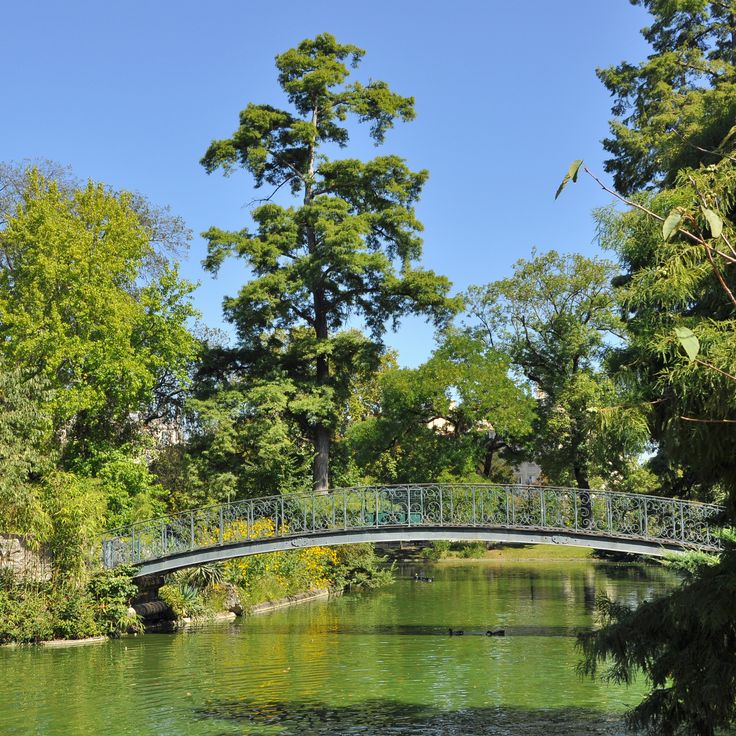
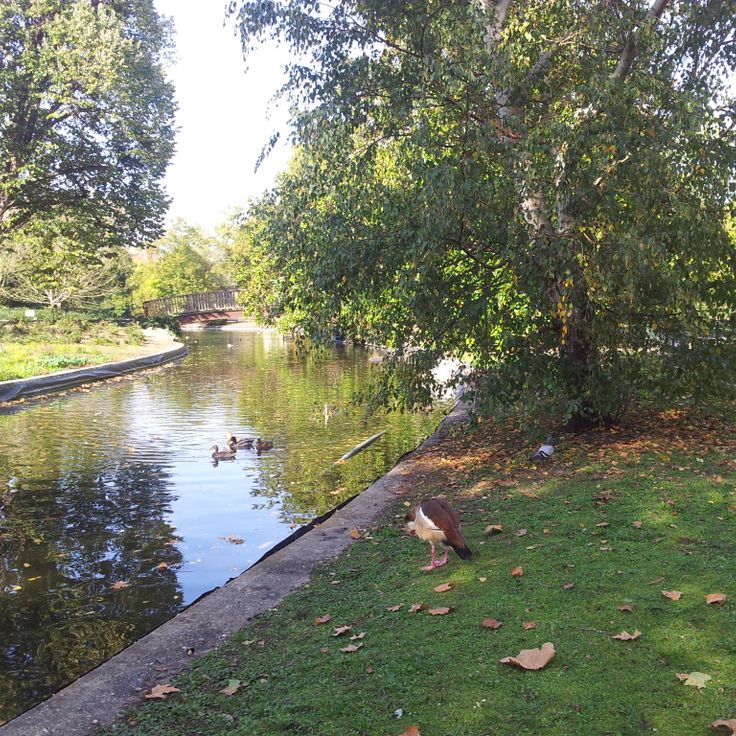
The Jardin Public is an 18th-century park that enriches Bordeaux, the wine capital and a historic gem to explore in France. With its water fountains, botanical gardens, and natural history museum, this garden offers a place to pause between classical elegance and greenery.
This museum is housed in former warehouses of the Chartrons district and tells the story of Bordeaux's wine trade. Visitors walk through spaces that once bustled with merchants and shipments, discovering how barrels, ledgers, and trading letters shaped the city's fortune. The Musée du Vin et du Négoce reveals how wine merchants built the identity of an entire region.
The CAPC Contemporary Art Museum is housed in a former warehouse transformed into a modern art space. It showcases works by international artists and offers insight into Bordeaux's art scene. This museum reflects the city's character, where tradition and innovation come together, and where every corner tells a part of French history.
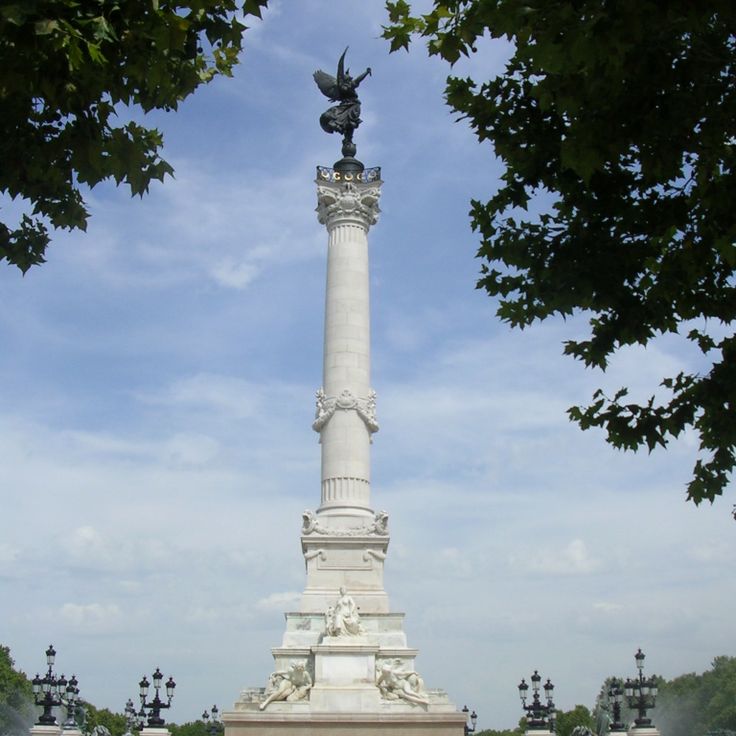
The Column of the Girondins stands 54 meters high over the Quai des Quinconces, a striking monument topped with bronze statues. Built in 1902, it commemorates the Girondins of the French Revolution. This landmark fits naturally within Bordeaux, a city whose identity has been shaped by history, wine, and the Garonne river. The column reflects Bordeaux's ability to honor its past while embracing change and moving forward.
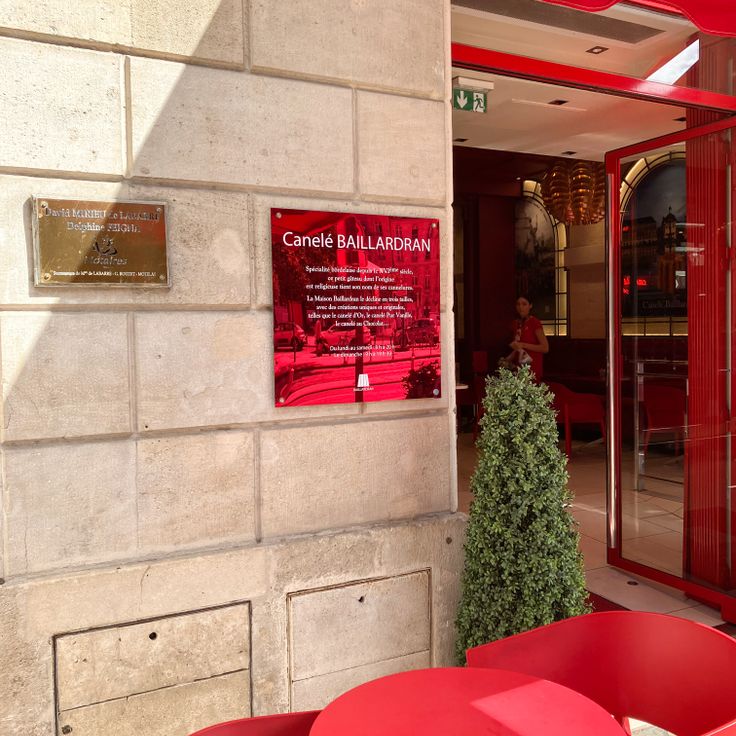
In this pastry shop in Bordeaux, Canelés Baillardran are small caramelized cakes that have become the city's sweet symbol. With their golden crust and soft center, they represent the culinary tradition of this wine city. The recipe is passed down here with precision and pride, making this place a local institution that reflects Bordeaux' history and identity.
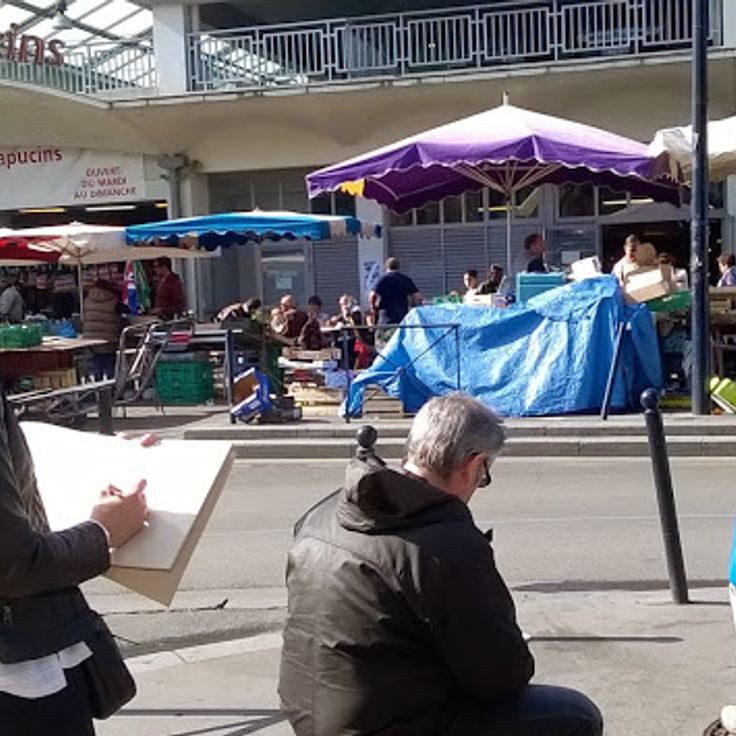
Known as 'the belly of Bordeaux', this covered market in the wine capital brings together producers, cheesemakers, fishmongers, and artisans. It is an authentic place where you can taste the true cuisine of the Southwest and where local traditions come alive.
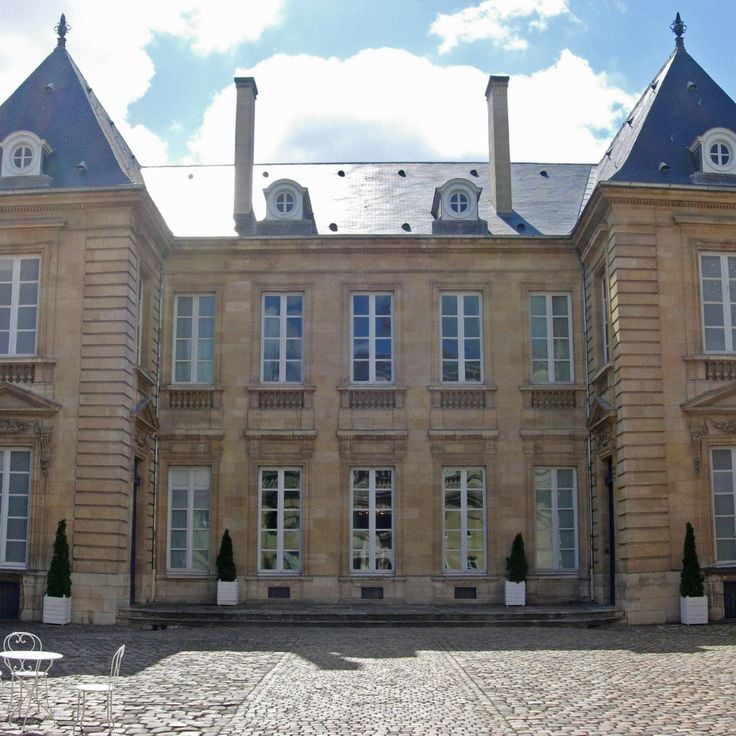
This municipal museum in Bordeaux displays French furniture, ceramics, glassware, and jewelry from the 18th and 19th centuries. The collection showcases interior design and craftsmanship of these periods, contributing to the city's rich artistic heritage and complementing Bordeaux's reputation as a center of culture and refinement.
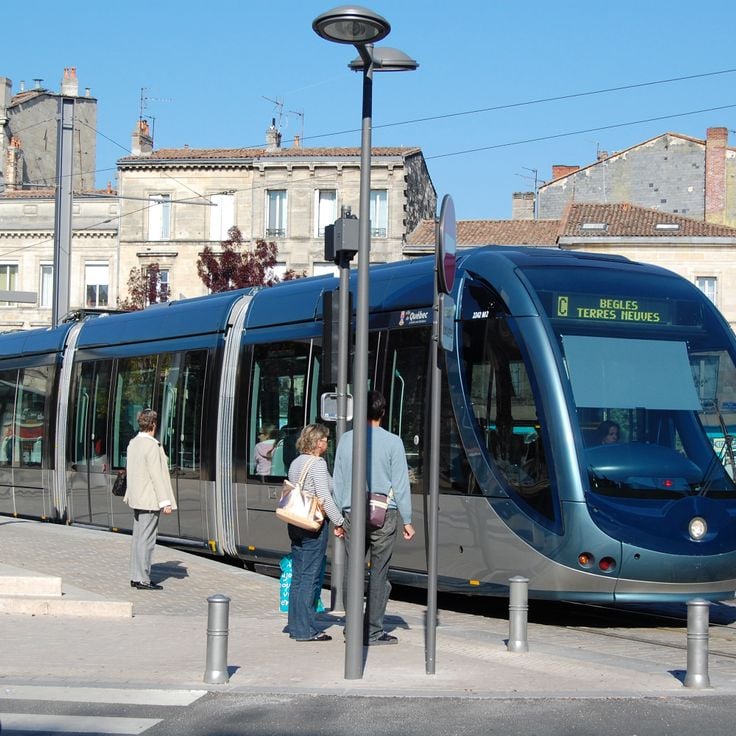
Place Paul Doumer is a public square in Bordeaux with a tram station near the Garonne river. It connects various transportation lines in the city center and serves as an important transit hub for residents and visitors exploring this historic French wine city.
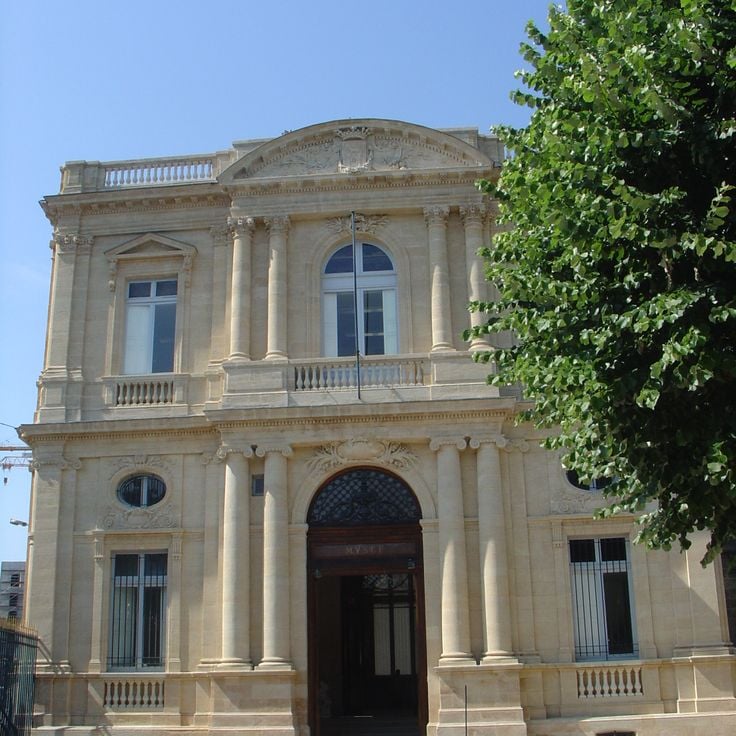
The Museum of Fine Arts in Bordeaux is a key part of this wine capital's artistic story. It houses European paintings and sculptures from the 15th to the 20th century within a former colonial mansion. The collection spans from works by old masters to modern pieces, creating a bridge between the classical elegance that defines the city and its ongoing cultural evolution.
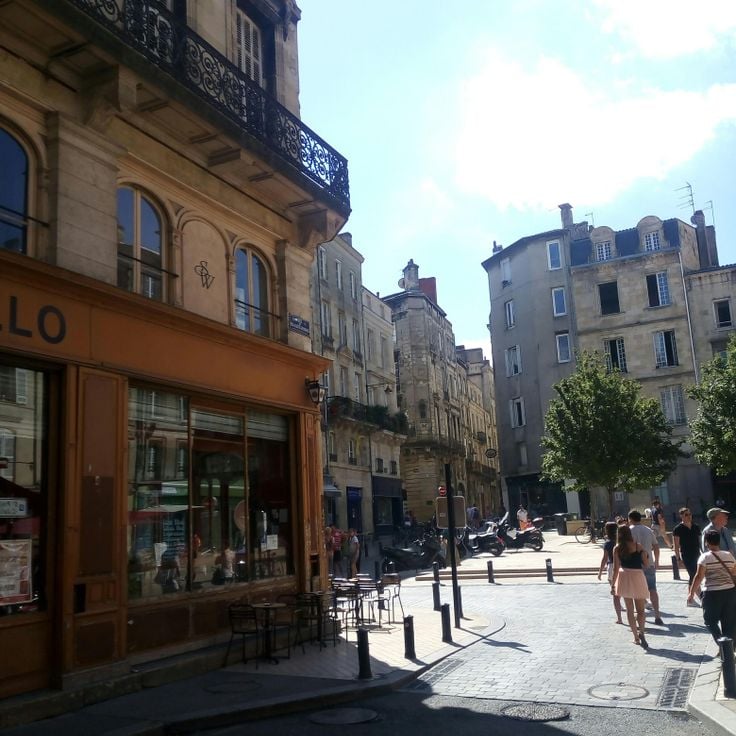
The Place Fernand Lafargue is a central square in the Saint-Pierre district of Bordeaux, a historical location that reflects the connection between classical elegance and everyday life. With its shops, restaurants, and outdoor terraces, this square shows how locals use and enjoy public spaces in this wine-shaped city. It is part of a destination where history can be felt on every street and where tradition meets modern activity.
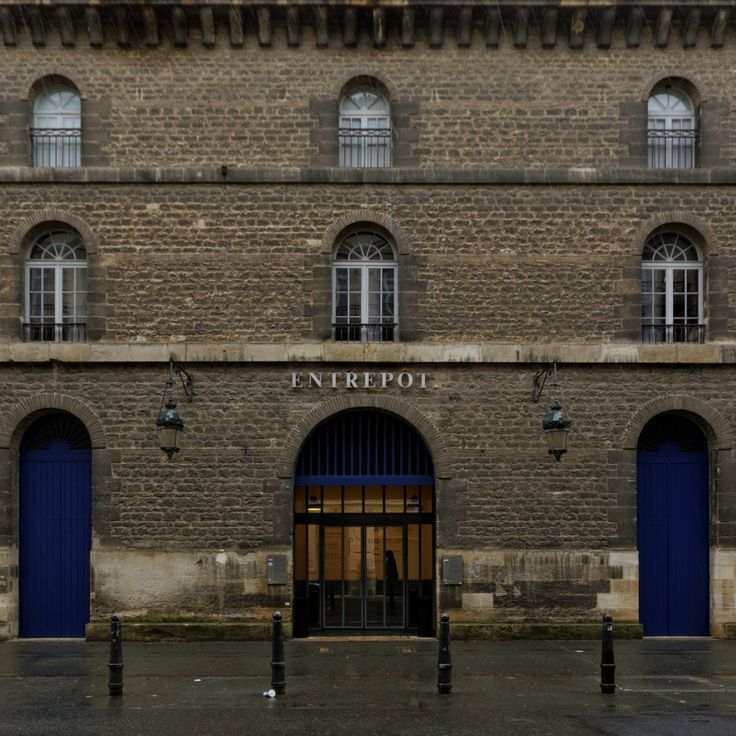
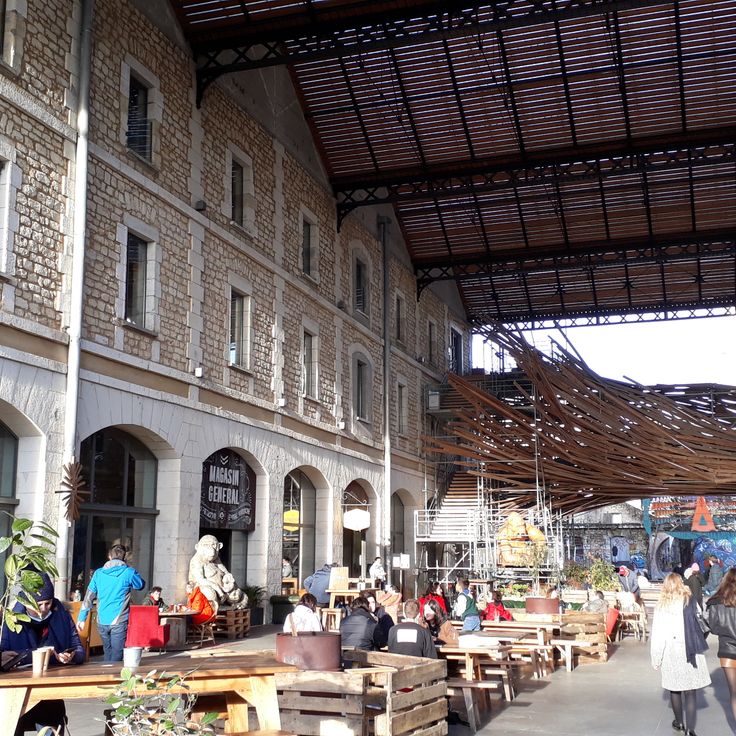
The Darwin Ecosystem in Bordeaux is a former military barracks transformed into an eco-friendly urban lab. This location represents the city's forward-looking side and shows how tradition and innovation come together. Here you will find organic cafés, a skatepark, shared offices, and street art. The Darwin Ecosystem is a space where alternative culture, creativity, and environmental awareness thrive, reflecting the spirit of a city that embraces both heritage and progress.
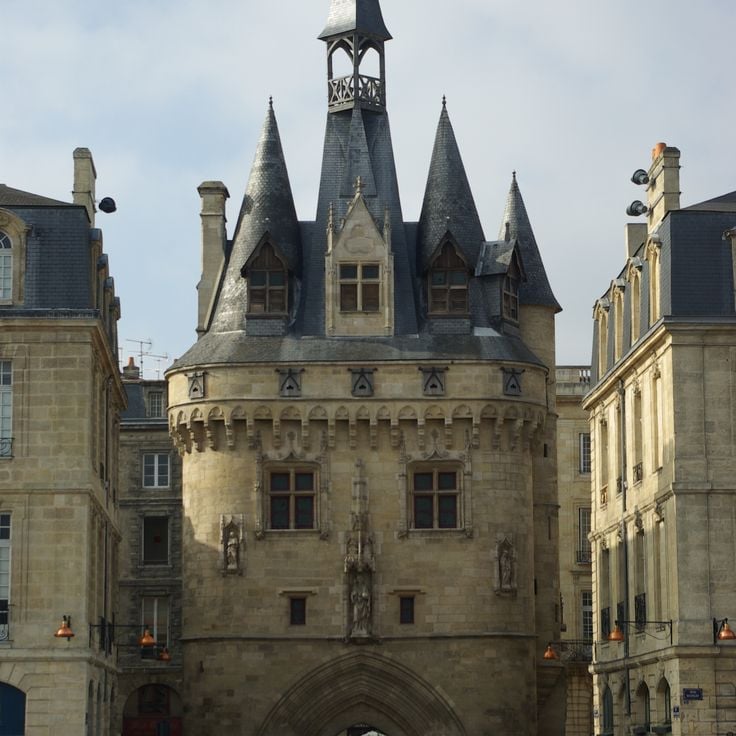
The Porte Cailhau is the ancient gateway to medieval Bordeaux, a Gothic tower that still marks the entry to the historic center. This gate stands as a reminder of the city's medieval past and fits within Bordeaux's story as a place where tradition and history meet at every corner. From its tower, visitors can see across the roofs of Old Bordeaux and connect with the city's layered history.
Arc en Rêve Centre d'architecture is a cultural center in Bordeaux dedicated to exploring urban planning, design, and contemporary architecture. The space fits naturally into this city's story of blending tradition with forward-thinking innovation. Regular exhibitions, conferences, and workshops here show how architecture and design shape the cities we live in today and tomorrow.
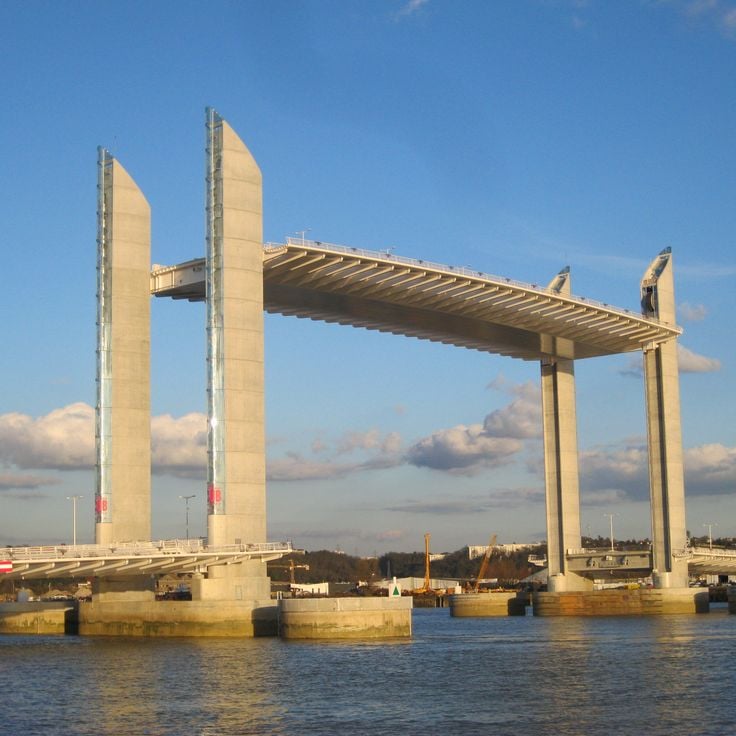
The Pont Jacques Chaban-Delmas is a striking example of contemporary infrastructure in Bordeaux. Opened in 2013, this lift bridge spans the Garonne with an elegant design that complements the city's historic riverside. Its sleek lines and functional architecture show how Bordeaux integrates modern development while respecting its classical heritage.
The green heart of Bordeaux, this large park welcomes joggers, children, and walkers beneath century-old tree-lined avenues. Located at the city center, it offers a natural retreat from the urban pace. The park fits naturally into Bordeaux's story of combining classical elegance with modern life, providing open space where locals and visitors pause to breathe and move freely.
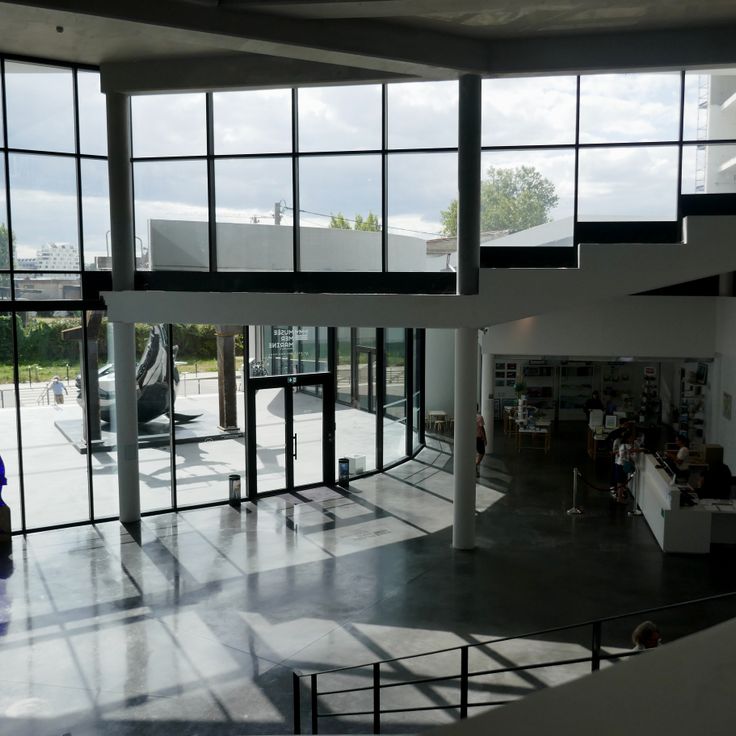
The Musée Mer Marine in Bordeaux sits in the Bassins à flot district and tells the maritime history of the city through ship models, old maps, and stories of sailors and explorers. It reveals how the Garonne River and the harbor shaped the life of this wine capital and connects the past with the present.
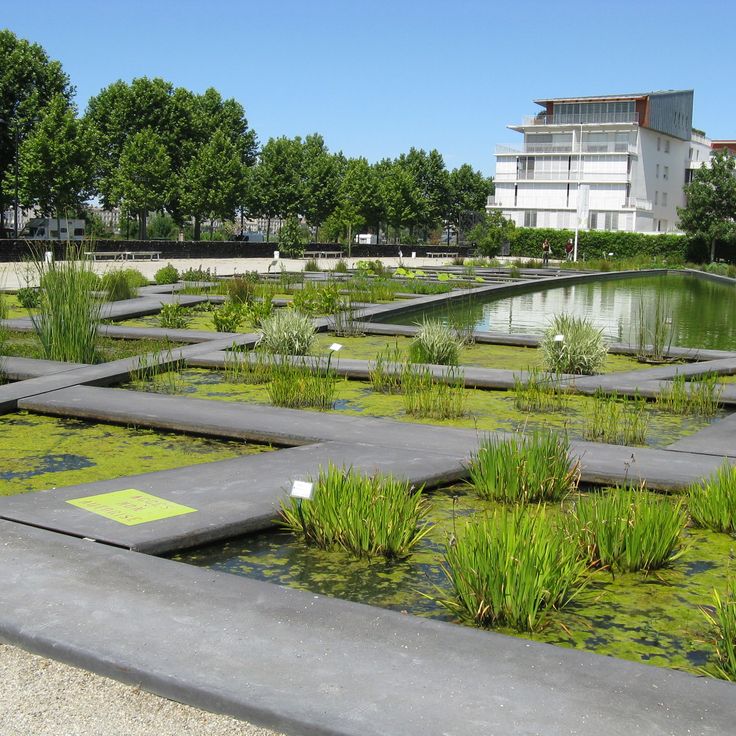
The Botanical Garden of La Bastide is a public garden in Bordeaux featuring six themed areas, greenhouses, and more than 3000 plant species from different regions of the world. This garden complements the city's cultural offerings and provides a peaceful place to walk and discover plant life from across the globe.
The Place de la Bourse is the heart of classical Bordeaux. This square shows the beauty of the city from the 18th century through its elegant light-colored stone facades. Water reflects the buildings and creates a calm view that changes throughout the day. Here you can admire the architecture that shaped Bordeaux during its prosperous time as the wine capital.
This cathedral is a major spiritual site and a Gothic masterpiece that has watched over Bordeaux for nearly a thousand years. Its grand vaults and stained glass windows tell the religious and architectural story of southwestern France. As part of Bordeaux, the wine capital with its deep historical roots, the cathedral connects spiritual life with the city's classical beauty and enduring traditions.
Facing the Garonne in Bordeaux, the wine capital of France, the Water Mirror is a large water slab that creates a space of quiet reflection. Here sky, stone, and passersby blend together in reflections and mist. This water feature has become a symbol of the contemporary city, showing how Bordeaux merges tradition with innovation.
La Cité du Vin is a contemporary museum dedicated to winemaking around the world and anchors Bordeaux's identity as France's wine capital. It showcases terroirs, grape varieties, and aromas from wine regions across the globe. After exploring, visitors enjoy a tasting at the top of the building with panoramic views.
The Grand Théâtre de Bordeaux is an 18th-century theater with twelve Corinthian columns that anchors the cultural life of this wine capital. Its interior displays the refined details that mark leading European theaters. As one of Bordeaux's defining landmarks, it embodies the city's blend of historical elegance and living culture, hosting operas and ballets while standing as a symbol of the city's classical heritage.
This bridge in Bordeaux was ordered by Napoleon I and has connected the two banks of the city since 1822. With its seventeen arches, it symbolizes the link between the past and the present of this wine capital. It shows how the city preserves its history while looking toward the modern era.
This Gothic basilica was built between the 14th and 16th centuries and stands as a major landmark in Bordeaux's skyline. The freestanding bell tower rises 114 meters high and can be seen from many parts of the city. Inside, stone carvings and windows create a sense of space and light. The basilica reflects the religious and artistic history of Bordeaux, showing how the city developed over centuries. It is one of the buildings that shaped the heritage of this French wine capital.
The Museum of Aquitaine serves as a record of the region within Bordeaux's story. It traces how the city developed from prehistoric times through the colonial era, showing the maritime trade that shaped its growth. The collections display objects, documents, and artworks that reveal how commerce, culture, and local traditions built the identity of this wine region. Visitors walk through centuries of history, seeing how Bordeaux became one of France's most important centers.
This medieval gate and 15th-century belfry stands as a landmark of Bordeaux's old quarter. The Grosse Cloche shapes the life of the historic center, rising between narrow streets and carved facades. Part of the city's rich heritage, this structure connects the classic elegance of Bordeaux with the stories of its past.
The Palais Rohan is an 18th-century palace that represents the history of Bordeaux, this elegant wine capital. Today, it houses the city administration of Bordeaux within its historical rooms, blending administrative functions with the architectural heritage of the region. As part of the rich cultural fabric of this city on the Garonne River, the Palais Rohan shows how Bordeaux brings together tradition and contemporary use.
The Jardin Public is an 18th-century park that enriches Bordeaux, the wine capital and a historic gem to explore in France. With its water fountains, botanical gardens, and natural history museum, this garden offers a place to pause between classical elegance and greenery.
This museum is housed in former warehouses of the Chartrons district and tells the story of Bordeaux's wine trade. Visitors walk through spaces that once bustled with merchants and shipments, discovering how barrels, ledgers, and trading letters shaped the city's fortune. The Musée du Vin et du Négoce reveals how wine merchants built the identity of an entire region.
The CAPC Contemporary Art Museum is housed in a former warehouse transformed into a modern art space. It showcases works by international artists and offers insight into Bordeaux's art scene. This museum reflects the city's character, where tradition and innovation come together, and where every corner tells a part of French history.
The Column of the Girondins stands 54 meters high over the Quai des Quinconces, a striking monument topped with bronze statues. Built in 1902, it commemorates the Girondins of the French Revolution. This landmark fits naturally within Bordeaux, a city whose identity has been shaped by history, wine, and the Garonne river. The column reflects Bordeaux's ability to honor its past while embracing change and moving forward.
In this pastry shop in Bordeaux, Canelés Baillardran are small caramelized cakes that have become the city's sweet symbol. With their golden crust and soft center, they represent the culinary tradition of this wine city. The recipe is passed down here with precision and pride, making this place a local institution that reflects Bordeaux' history and identity.
Known as 'the belly of Bordeaux', this covered market in the wine capital brings together producers, cheesemakers, fishmongers, and artisans. It is an authentic place where you can taste the true cuisine of the Southwest and where local traditions come alive.
This municipal museum in Bordeaux displays French furniture, ceramics, glassware, and jewelry from the 18th and 19th centuries. The collection showcases interior design and craftsmanship of these periods, contributing to the city's rich artistic heritage and complementing Bordeaux's reputation as a center of culture and refinement.
Place Paul Doumer is a public square in Bordeaux with a tram station near the Garonne river. It connects various transportation lines in the city center and serves as an important transit hub for residents and visitors exploring this historic French wine city.
The Museum of Fine Arts in Bordeaux is a key part of this wine capital's artistic story. It houses European paintings and sculptures from the 15th to the 20th century within a former colonial mansion. The collection spans from works by old masters to modern pieces, creating a bridge between the classical elegance that defines the city and its ongoing cultural evolution.
The Place Fernand Lafargue is a central square in the Saint-Pierre district of Bordeaux, a historical location that reflects the connection between classical elegance and everyday life. With its shops, restaurants, and outdoor terraces, this square shows how locals use and enjoy public spaces in this wine-shaped city. It is part of a destination where history can be felt on every street and where tradition meets modern activity.
The Darwin Ecosystem in Bordeaux is a former military barracks transformed into an eco-friendly urban lab. This location represents the city's forward-looking side and shows how tradition and innovation come together. Here you will find organic cafés, a skatepark, shared offices, and street art. The Darwin Ecosystem is a space where alternative culture, creativity, and environmental awareness thrive, reflecting the spirit of a city that embraces both heritage and progress.
The Porte Cailhau is the ancient gateway to medieval Bordeaux, a Gothic tower that still marks the entry to the historic center. This gate stands as a reminder of the city's medieval past and fits within Bordeaux's story as a place where tradition and history meet at every corner. From its tower, visitors can see across the roofs of Old Bordeaux and connect with the city's layered history.
Arc en Rêve Centre d'architecture is a cultural center in Bordeaux dedicated to exploring urban planning, design, and contemporary architecture. The space fits naturally into this city's story of blending tradition with forward-thinking innovation. Regular exhibitions, conferences, and workshops here show how architecture and design shape the cities we live in today and tomorrow.
The Pont Jacques Chaban-Delmas is a striking example of contemporary infrastructure in Bordeaux. Opened in 2013, this lift bridge spans the Garonne with an elegant design that complements the city's historic riverside. Its sleek lines and functional architecture show how Bordeaux integrates modern development while respecting its classical heritage.
The green heart of Bordeaux, this large park welcomes joggers, children, and walkers beneath century-old tree-lined avenues. Located at the city center, it offers a natural retreat from the urban pace. The park fits naturally into Bordeaux's story of combining classical elegance with modern life, providing open space where locals and visitors pause to breathe and move freely.
The Musée Mer Marine in Bordeaux sits in the Bassins à flot district and tells the maritime history of the city through ship models, old maps, and stories of sailors and explorers. It reveals how the Garonne River and the harbor shaped the life of this wine capital and connects the past with the present.
The Botanical Garden of La Bastide is a public garden in Bordeaux featuring six themed areas, greenhouses, and more than 3000 plant species from different regions of the world. This garden complements the city's cultural offerings and provides a peaceful place to walk and discover plant life from across the globe.
The Place de la Bourse is the heart of classical Bordeaux. This square shows the beauty of the city from the 18th century through its elegant light-colored stone facades. Water reflects the buildings and creates a calm view that changes throughout the day. Here you can admire the architecture that shaped Bordeaux during its prosperous time as the wine capital.
This cathedral is a major spiritual site and a Gothic masterpiece that has watched over Bordeaux for nearly a thousand years. Its grand vaults and stained glass windows tell the religious and architectural story of southwestern France. As part of Bordeaux, the wine capital with its deep historical roots, the cathedral connects spiritual life with the city's classical beauty and enduring traditions.
Facing the Garonne in Bordeaux, the wine capital of France, the Water Mirror is a large water slab that creates a space of quiet reflection. Here sky, stone, and passersby blend together in reflections and mist. This water feature has become a symbol of the contemporary city, showing how Bordeaux merges tradition with innovation.
La Cité du Vin is a contemporary museum dedicated to winemaking around the world and anchors Bordeaux's identity as France's wine capital. It showcases terroirs, grape varieties, and aromas from wine regions across the globe. After exploring, visitors enjoy a tasting at the top of the building with panoramic views.
The Grand Théâtre de Bordeaux is an 18th-century theater with twelve Corinthian columns that anchors the cultural life of this wine capital. Its interior displays the refined details that mark leading European theaters. As one of Bordeaux's defining landmarks, it embodies the city's blend of historical elegance and living culture, hosting operas and ballets while standing as a symbol of the city's classical heritage.
This bridge in Bordeaux was ordered by Napoleon I and has connected the two banks of the city since 1822. With its seventeen arches, it symbolizes the link between the past and the present of this wine capital. It shows how the city preserves its history while looking toward the modern era.
This Gothic basilica was built between the 14th and 16th centuries and stands as a major landmark in Bordeaux's skyline. The freestanding bell tower rises 114 meters high and can be seen from many parts of the city. Inside, stone carvings and windows create a sense of space and light. The basilica reflects the religious and artistic history of Bordeaux, showing how the city developed over centuries. It is one of the buildings that shaped the heritage of this French wine capital.
The Museum of Aquitaine serves as a record of the region within Bordeaux's story. It traces how the city developed from prehistoric times through the colonial era, showing the maritime trade that shaped its growth. The collections display objects, documents, and artworks that reveal how commerce, culture, and local traditions built the identity of this wine region. Visitors walk through centuries of history, seeing how Bordeaux became one of France's most important centers.
This medieval gate and 15th-century belfry stands as a landmark of Bordeaux's old quarter. The Grosse Cloche shapes the life of the historic center, rising between narrow streets and carved facades. Part of the city's rich heritage, this structure connects the classic elegance of Bordeaux with the stories of its past.
The Palais Rohan is an 18th-century palace that represents the history of Bordeaux, this elegant wine capital. Today, it houses the city administration of Bordeaux within its historical rooms, blending administrative functions with the architectural heritage of the region. As part of the rich cultural fabric of this city on the Garonne River, the Palais Rohan shows how Bordeaux brings together tradition and contemporary use.
The Jardin Public is an 18th-century park that enriches Bordeaux, the wine capital and a historic gem to explore in France. With its water fountains, botanical gardens, and natural history museum, this garden offers a place to pause between classical elegance and greenery.
This museum is housed in former warehouses of the Chartrons district and tells the story of Bordeaux's wine trade. Visitors walk through spaces that once bustled with merchants and shipments, discovering how barrels, ledgers, and trading letters shaped the city's fortune. The Musée du Vin et du Négoce reveals how wine merchants built the identity of an entire region.
The CAPC Contemporary Art Museum is housed in a former warehouse transformed into a modern art space. It showcases works by international artists and offers insight into Bordeaux's art scene. This museum reflects the city's character, where tradition and innovation come together, and where every corner tells a part of French history.
The Column of the Girondins stands 54 meters high over the Quai des Quinconces, a striking monument topped with bronze statues. Built in 1902, it commemorates the Girondins of the French Revolution. This landmark fits naturally within Bordeaux, a city whose identity has been shaped by history, wine, and the Garonne river. The column reflects Bordeaux's ability to honor its past while embracing change and moving forward.
In this pastry shop in Bordeaux, Canelés Baillardran are small caramelized cakes that have become the city's sweet symbol. With their golden crust and soft center, they represent the culinary tradition of this wine city. The recipe is passed down here with precision and pride, making this place a local institution that reflects Bordeaux' history and identity.
Known as 'the belly of Bordeaux', this covered market in the wine capital brings together producers, cheesemakers, fishmongers, and artisans. It is an authentic place where you can taste the true cuisine of the Southwest and where local traditions come alive.
This municipal museum in Bordeaux displays French furniture, ceramics, glassware, and jewelry from the 18th and 19th centuries. The collection showcases interior design and craftsmanship of these periods, contributing to the city's rich artistic heritage and complementing Bordeaux's reputation as a center of culture and refinement.
Place Paul Doumer is a public square in Bordeaux with a tram station near the Garonne river. It connects various transportation lines in the city center and serves as an important transit hub for residents and visitors exploring this historic French wine city.
The Museum of Fine Arts in Bordeaux is a key part of this wine capital's artistic story. It houses European paintings and sculptures from the 15th to the 20th century within a former colonial mansion. The collection spans from works by old masters to modern pieces, creating a bridge between the classical elegance that defines the city and its ongoing cultural evolution.
The Place Fernand Lafargue is a central square in the Saint-Pierre district of Bordeaux, a historical location that reflects the connection between classical elegance and everyday life. With its shops, restaurants, and outdoor terraces, this square shows how locals use and enjoy public spaces in this wine-shaped city. It is part of a destination where history can be felt on every street and where tradition meets modern activity.
The Darwin Ecosystem in Bordeaux is a former military barracks transformed into an eco-friendly urban lab. This location represents the city's forward-looking side and shows how tradition and innovation come together. Here you will find organic cafés, a skatepark, shared offices, and street art. The Darwin Ecosystem is a space where alternative culture, creativity, and environmental awareness thrive, reflecting the spirit of a city that embraces both heritage and progress.
The Porte Cailhau is the ancient gateway to medieval Bordeaux, a Gothic tower that still marks the entry to the historic center. This gate stands as a reminder of the city's medieval past and fits within Bordeaux's story as a place where tradition and history meet at every corner. From its tower, visitors can see across the roofs of Old Bordeaux and connect with the city's layered history.
Arc en Rêve Centre d'architecture is a cultural center in Bordeaux dedicated to exploring urban planning, design, and contemporary architecture. The space fits naturally into this city's story of blending tradition with forward-thinking innovation. Regular exhibitions, conferences, and workshops here show how architecture and design shape the cities we live in today and tomorrow.
The Pont Jacques Chaban-Delmas is a striking example of contemporary infrastructure in Bordeaux. Opened in 2013, this lift bridge spans the Garonne with an elegant design that complements the city's historic riverside. Its sleek lines and functional architecture show how Bordeaux integrates modern development while respecting its classical heritage.
The green heart of Bordeaux, this large park welcomes joggers, children, and walkers beneath century-old tree-lined avenues. Located at the city center, it offers a natural retreat from the urban pace. The park fits naturally into Bordeaux's story of combining classical elegance with modern life, providing open space where locals and visitors pause to breathe and move freely.
The Musée Mer Marine in Bordeaux sits in the Bassins à flot district and tells the maritime history of the city through ship models, old maps, and stories of sailors and explorers. It reveals how the Garonne River and the harbor shaped the life of this wine capital and connects the past with the present.
The Botanical Garden of La Bastide is a public garden in Bordeaux featuring six themed areas, greenhouses, and more than 3000 plant species from different regions of the world. This garden complements the city's cultural offerings and provides a peaceful place to walk and discover plant life from across the globe.