See the monuments around you in AROpen chests in the app
Around Us is built for your phone — point your camera at the streets and discover the monuments and places around you in augmented reality.Around Us is built for your phone — chests unlock when you walk, explore and capture nearby places.
Bordeaux offers photographers a range of subjects spanning from medieval architecture to contemporary structures. The medieval Porte Cailhau and the Grosse Cloche represent the city's historic gateways, while the Pont de Pierre, the oldest bridge in the city, crosses the Garonne River. The Place de la Bourse with its Miroir d'Eau attracts visitors and photographers alike. The Basilica of Saint-Michel dominates the southern district with its freestanding bell tower, and the Grand Théâtre displays neoclassical design at Place de la Comédie.
The city also presents its Roman past at the Palais Gallien, an ancient amphitheater ruin, as well as the Pey-Berland Tower beside the cathedral. Along the waterfront, Quai Richelieu and Quai des Chartrons provide perspectives on the river and the historic warehouses of the wine trade. The Jardin Public represents a formal urban park, while more recent developments such as the Cité du Vin and the modern Pont Jacques Chaban-Delmas showcase contemporary Bordeaux. From the pedestrian Rue Sainte-Catherine to hidden passages like Passage Sarget, the city offers numerous opportunities for different photographic approaches.
Bordeaux offers photographers a range of subjects spanning from medieval architecture to contemporary structures. The medieval Porte Cailhau and the Grosse Cloche represent the city's historic gateways, while the Pont de Pierre, the oldest bridge in the city, crosses the Garonne River. The Place de la Bourse with its Miroir d'Eau attracts visitors and photographers alike. The Basilica of Saint-Michel dominates the southern district with its freestanding bell tower, and the Grand Théâtre displays neoclassical design at Place de la Comédie.
The city also presents its Roman past at the Palais Gallien, an ancient amphitheater ruin, as well as the Pey-Berland Tower beside the cathedral. Along the waterfront, Quai Richelieu and Quai des Chartrons provide perspectives on the river and the historic warehouses of the wine trade. The Jardin Public represents a formal urban park, while more recent developments such as the Cité du Vin and the modern Pont Jacques Chaban-Delmas showcase contemporary Bordeaux. From the pedestrian Rue Sainte-Catherine to hidden passages like Passage Sarget, the city offers numerous opportunities for different photographic approaches.
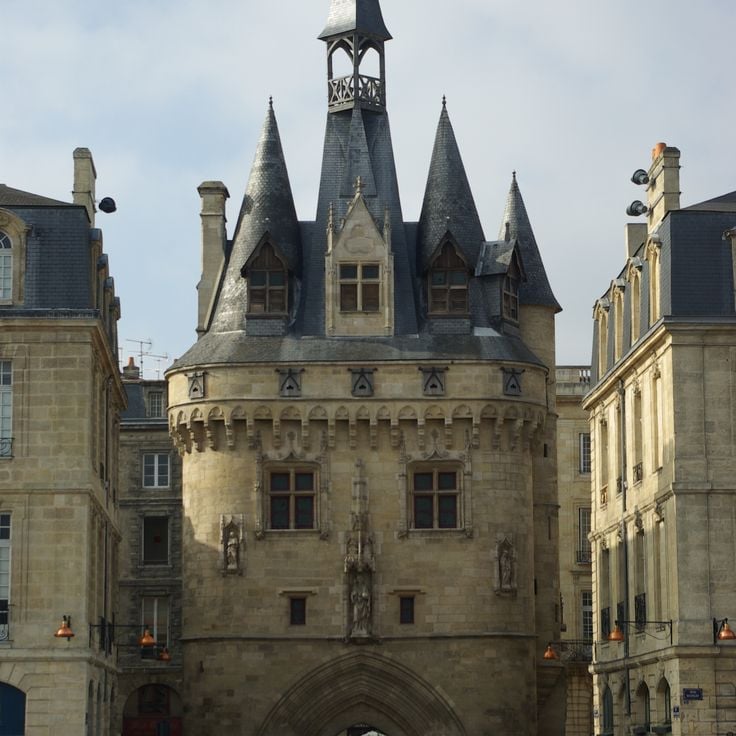
This 15th-century defensive gate rises 115 feet (35 meters) and displays stone carvings of the French royal coat of arms. The structure marks a passage through the historic city walls and documents medieval fortification architecture. The facade combines Gothic elements with Renaissance details and forms a landmark in the old quarter. Photographers can capture the stonework, the tower silhouette and the contrast with surrounding buildings.
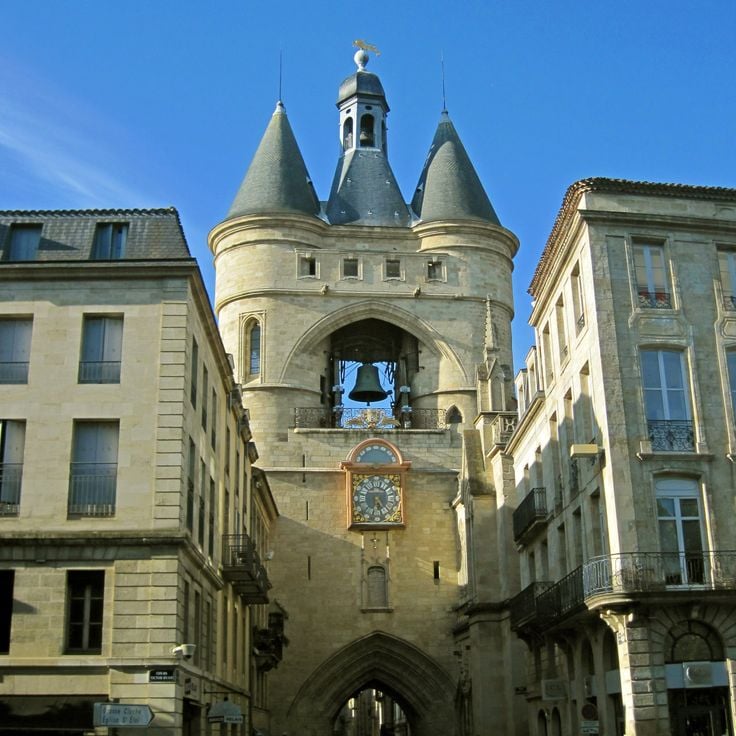
This 15th-century bell tower houses a bronze bell weighing 17,000 pounds (7,750 kilograms) and served as a prison until the 19th century. La Grosse Cloche stands between two medieval towers and has marked the Bordeaux skyline for centuries. The tower was originally built as part of the city walls and marked one of the main gates into the city. The structure combines defensive architecture with the function of a municipal timekeeper. Visitors can view the historic bell and the preserved prison cells. The facade still displays the original stonework and gilded clock face.
Rue Sainte-Catherine connects Place de la Victoire with the Grand Théâtre across 0.75 miles (1.2 kilometers) and contains around 250 shops. This pedestrian street offers photographers opportunities for architectural studies along its facades, street scenes with foot traffic, and perspectives toward the adjoining historic squares. The 18th and 19th-century buildings frame the commercial thoroughfare, while storefronts and crowd movement provide visual subjects for urban documentation.
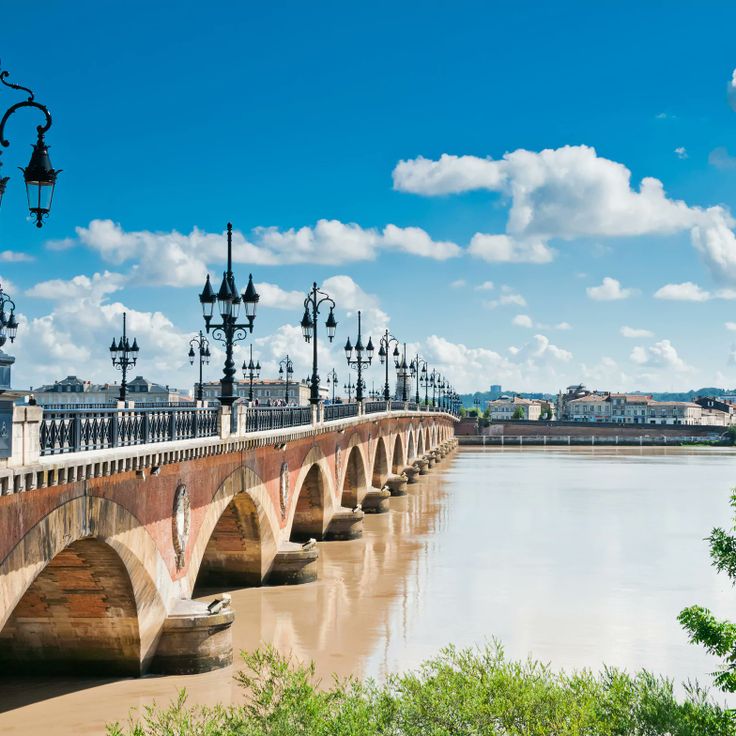
This stone bridge completed in 1822 extends 1,598 feet (487 meters) across the Garonne River and features 17 arches representing the letters in Napoleon's name. The structure links the left bank to the right bank and provides photographers with perspectives along the river and views of the classical arch design. The bridge serves as an active transportation route and allows for compositions that include pedestrian paths and tram lines crossing the historic center of Bordeaux.
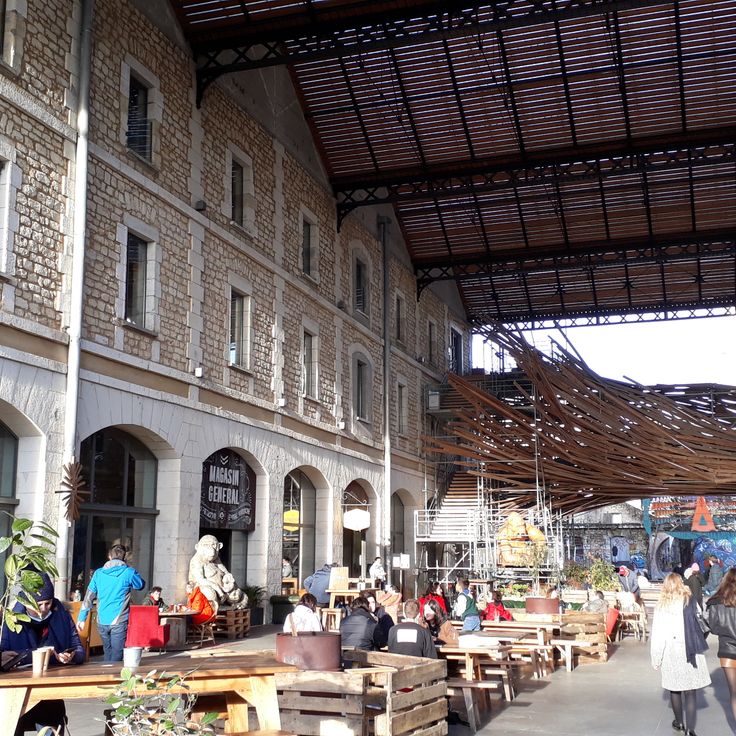
These converted military barracks span 20,000 square meters (about 215,000 square feet) and house art galleries, community gardens, shops and restaurants. The site combines historic military architecture with contemporary cultural uses, offering photographers contrasts between original structures and modern interventions. Outdoor spaces feature green areas and murals that complement the visual opportunities found within the restored barrack buildings.
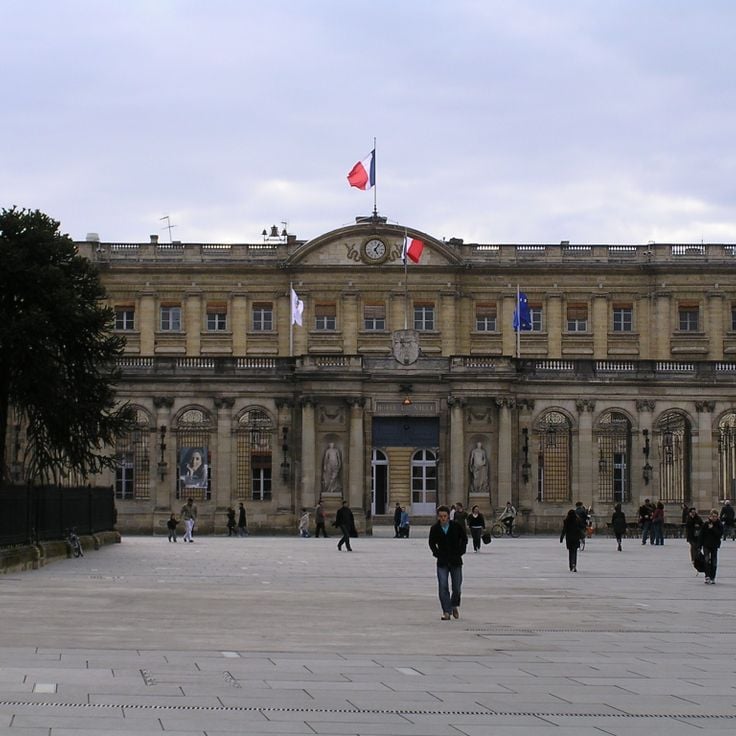
The Hôtel de Ville in Bordeaux presents 18th-century stone facades, a central courtyard and ceremonial halls furnished with period pieces and artworks. Photographers find symmetrical architecture, carved details on exterior walls and historic interiors with stucco work. The building stands at Place Pey Berland, complementing photographic opportunities around the cathedral and other historic structures in the city center.
This municipal park covers 28 hectares (69 acres) with mature trees, flowering gardens, walking paths, a lake and recreational areas. Photographers find varied landscapes, from formal French garden sections with geometric beds to more natural areas with lawns and wooded sections. The park provides changing light conditions throughout the day, particularly at sunrise and sunset along the water features. Vegetation includes both native and exotic species that offer different colors and textures across seasons.
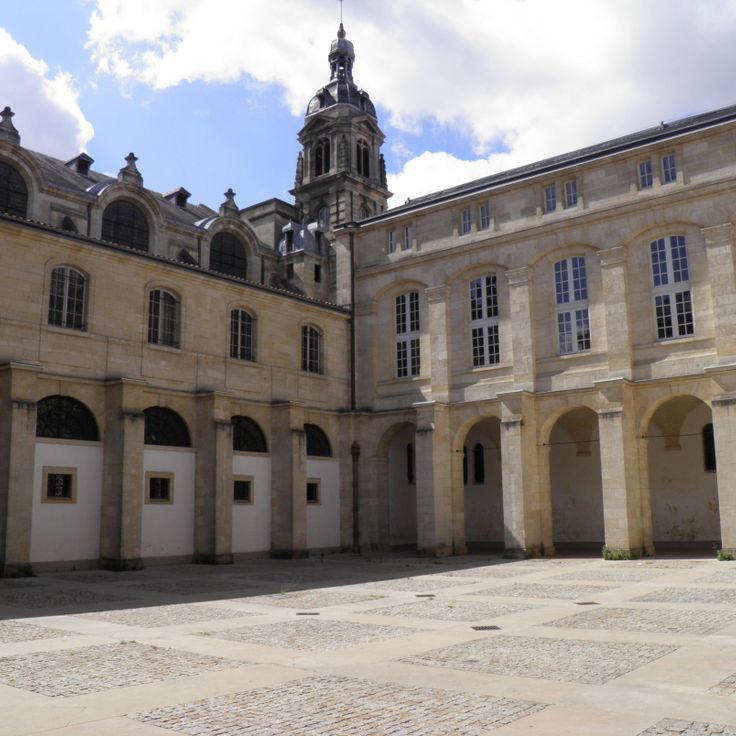
This historic courtyard of a former Dominican convent features stone columns, vaulted passages and a central garden with traditional French design elements. The architecture dates from the monastic tradition and offers photographers subjects of medieval structures in the center of Bordeaux.
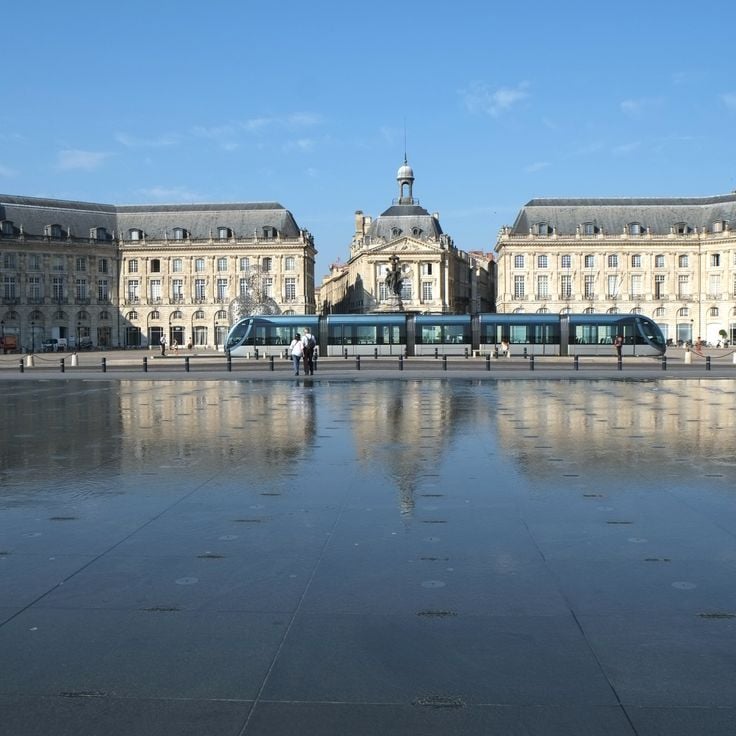
This 18th-century square features the Miroir d'Eau, a shallow reflecting pool that mirrors the facades of the surrounding buildings. The plaza connects historic architecture with contemporary installations and offers photographers changing light conditions from early morning through the blue hour. Reflections in the water vary according to time of day and weather conditions. The square sits directly on the Garonne and allows compositions combining river, architecture and reflections.
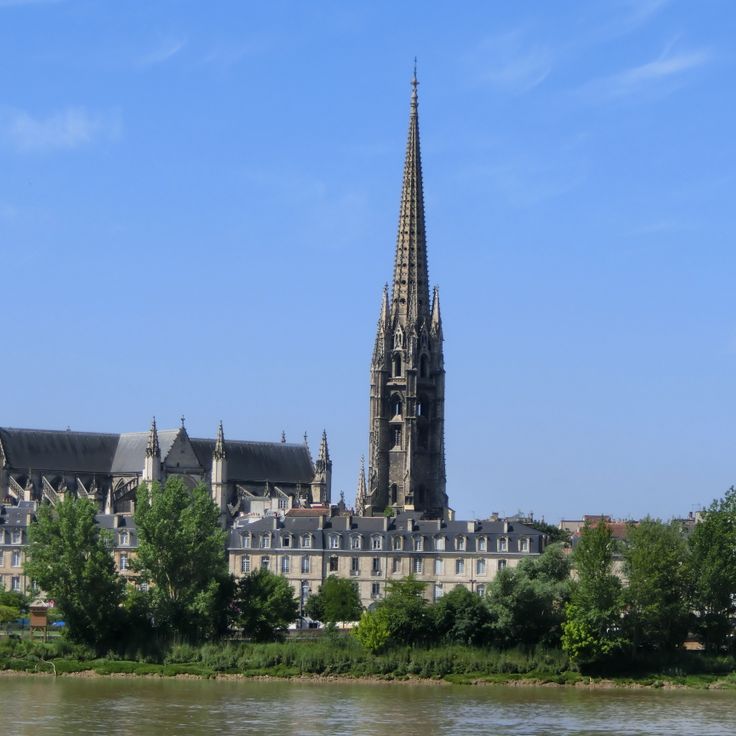
Basilique Saint-Michel rises with its freestanding 15th-century bell tower in a traditional working-class district south of the old town. The Gothic structure features a 377-foot (115-meter) campanile that provides viewing points over the tile rooftops, the Garonne and surrounding neighborhoods. The nave displays typical features of Flamboyant Gothic design with vaulted ceilings and stained glass windows.
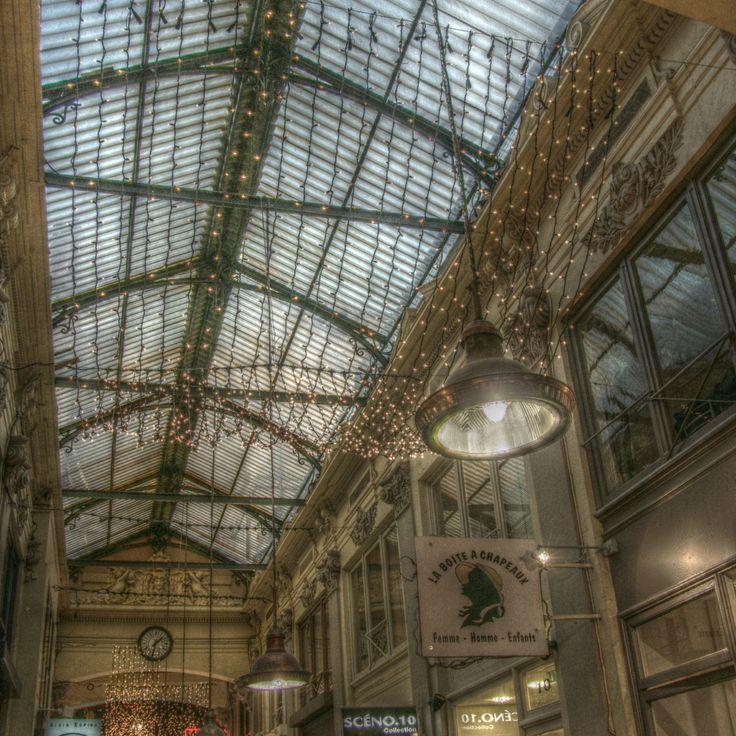
This nineteenth-century shopping arcade connects Rue Sainte-Catherine to Cours de l'Intendance through a glass-roofed interior. The Passage Sarget houses shops and boutiques within a preserved historical structure that displays elements of nineteenth-century French commercial architecture. The glass roof allows natural light and creates a photographic frame for capturing storefronts, architectural details and the passage of pedestrians through the space.
Le Chapeau Rouge sits near the opera house and provides angles on the Grand Théâtre facade, surrounded by classical stone buildings and cafés. This location in Bordeaux's photography collection works for capturing neoclassical architecture and urban life in the historic center of the city.
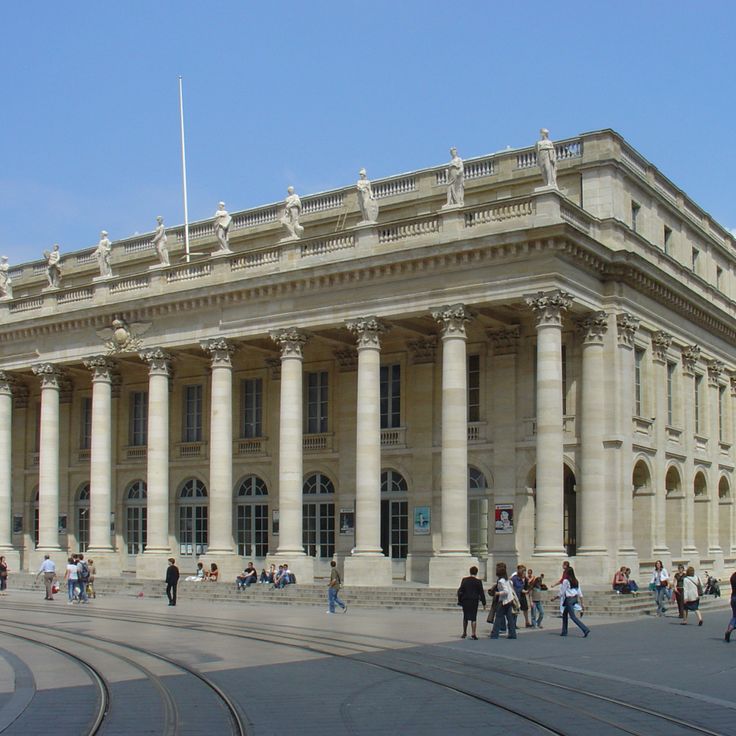
The Grand Théâtre from the 18th century features twelve Corinthian columns on its main facade, displaying nine Muses and three Goddesses. The theater provides photographers with opportunities to capture classical French architecture, from the columned portico to the sculptural details of the facade. The stone steps and symmetrical design of the exterior complement the architectural photography sites in Bordeaux that combine historic construction and public squares. The facade can be photographed at different times of day when light enhances the columns and statues.
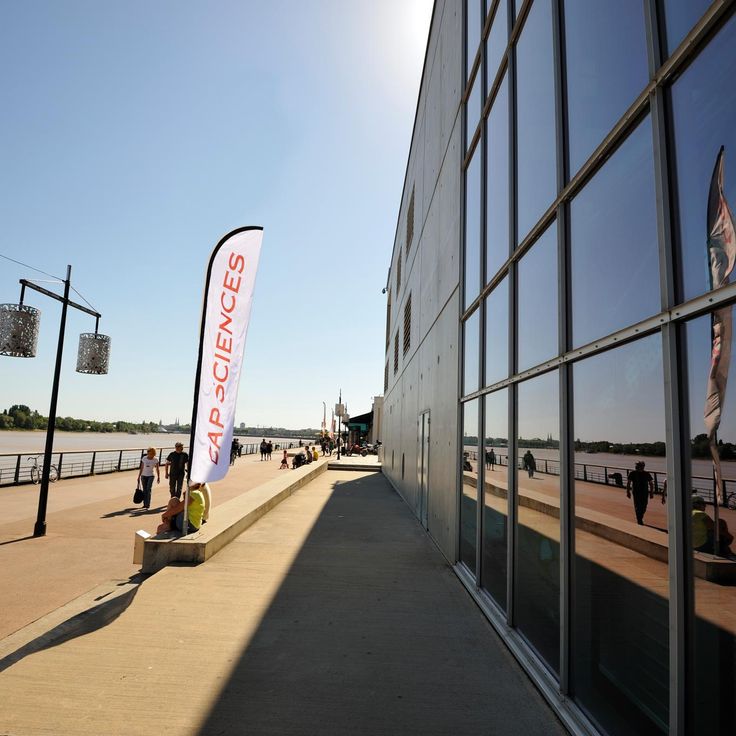
This science center occupies a converted maritime warehouse on the Garonne riverbank, displaying glass walls and steel structures from its shipping past. The hangar combines industrial architecture with contemporary design, offering photographers clean lines, reflective surfaces and the relationship between historical construction and modern educational use with views across the river.
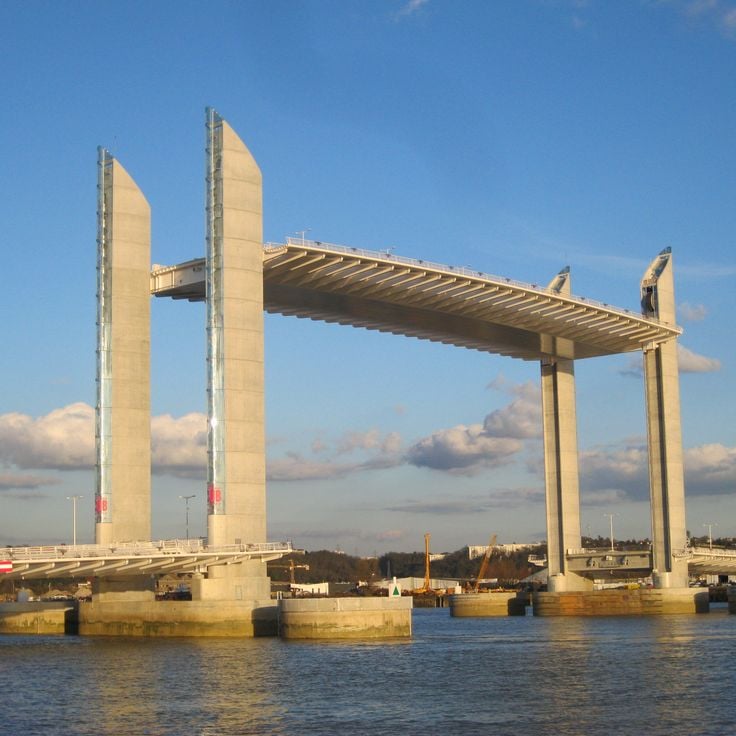
This lift bridge spans 385 feet (117 meters) across the Garonne with its central section rising to 174 feet (53 meters) to allow ships to pass. The modern structure connects both banks of the river and offers photographers various perspectives on the mechanics of the moving bridge and the water surface below. The construction integrates into the urban architecture and creates photographic subjects along the riverbank.
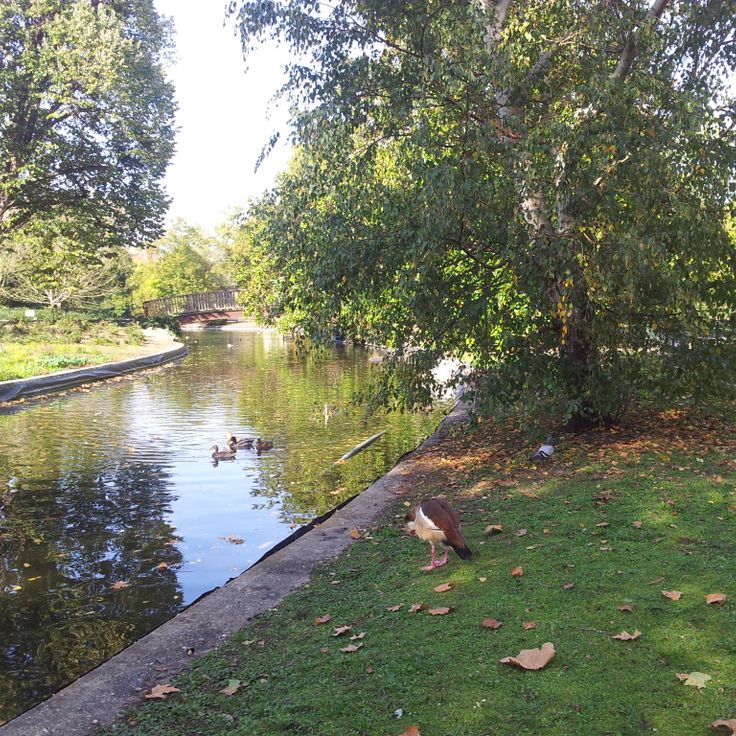
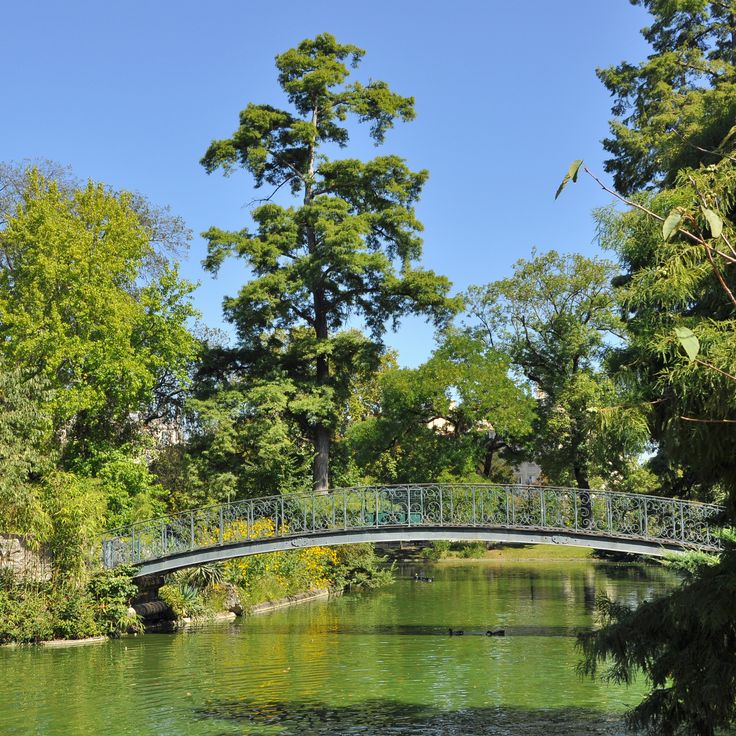
The Jardin Public extends across several acres with a botanical garden, paved pathways beneath centuries-old trees, and stone bridges crossing ponds. The park was established in the 18th century and features plane trees, magnolias, and a rose garden with several hundred varieties. Photographers can capture the symmetry of French garden design, shadow patterns beneath tree canopies, and reflections on the water. The grounds combine formal parterres with naturalistic areas and have served as a public recreation space in central Bordeaux since their opening.
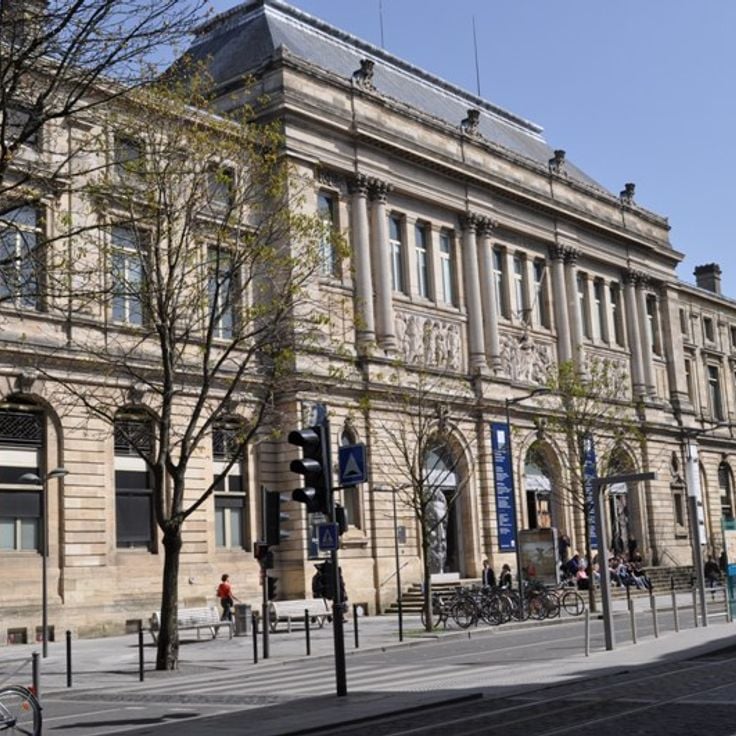
This regional museum spans millennia of Aquitaine history through archaeological finds from prehistoric caves, Roman statues, medieval sculptures and documents on transatlantic trade. The collections include Gallic coins, mosaics from Bordeaux, maritime instruments and ethnographic objects from former French colonies. The museum occupies a renovated 19th-century building with classical columns and multiple thematic galleries arranged chronologically from the Stone Age through the 20th century.
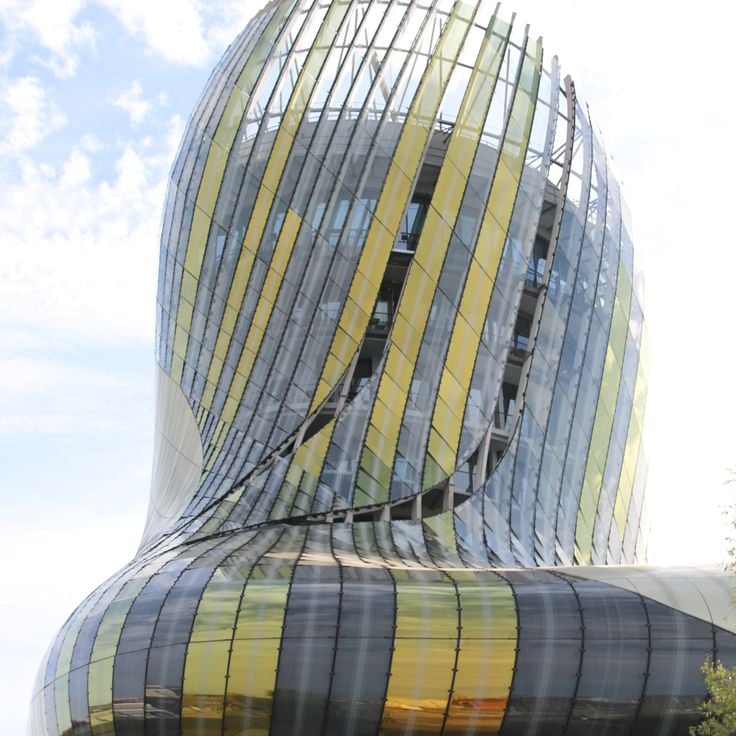
The Cité du Vin combines wine history with modern architecture in an aluminum and glass structure along the Garonne riverfront. This cultural center presents permanent and rotating exhibitions on viticulture, international wine culture and trade history. Visitors can participate in tastings, and the panoramic restaurant on the top floor takes advantage of views across the river and city.
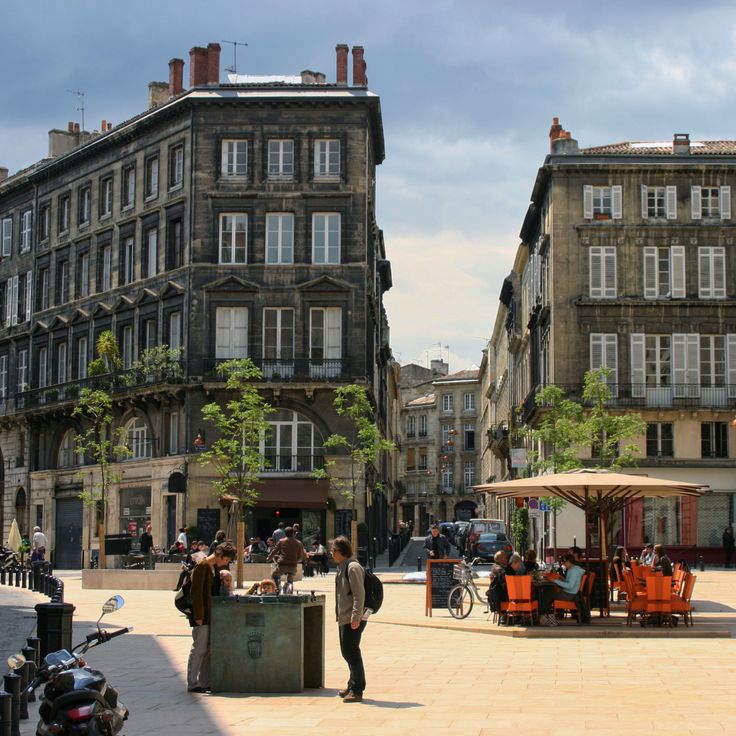
This historic square in Bordeaux offers photographers a subject that brings together stone buildings from past centuries with restaurants and cafés where locals gather for coffee and meals throughout the day, fitting into the city's range of architectural and social spaces.
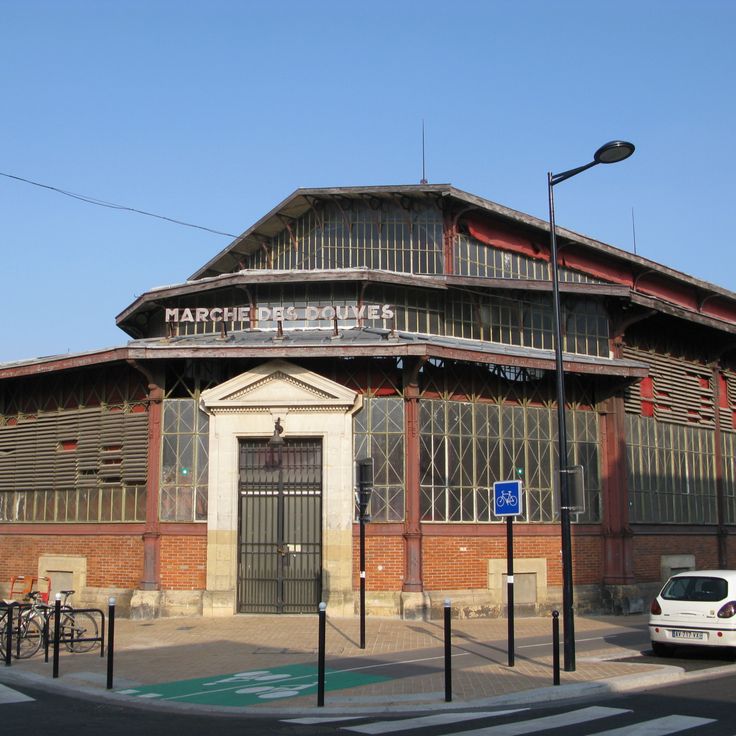
The Marché des Douves is a former market hall in Bordeaux that has been converted into a cultural center. The historic structure hosts regular events, rotating exhibitions and workshops for the local community. Photographers find subjects in the 19th-century industrial architecture as well as scenes from contemporary cultural life. The hall preserves its original architectural elements while incorporating modern cultural uses. The venue demonstrates the transformation of former market buildings into spaces for arts and community activities.
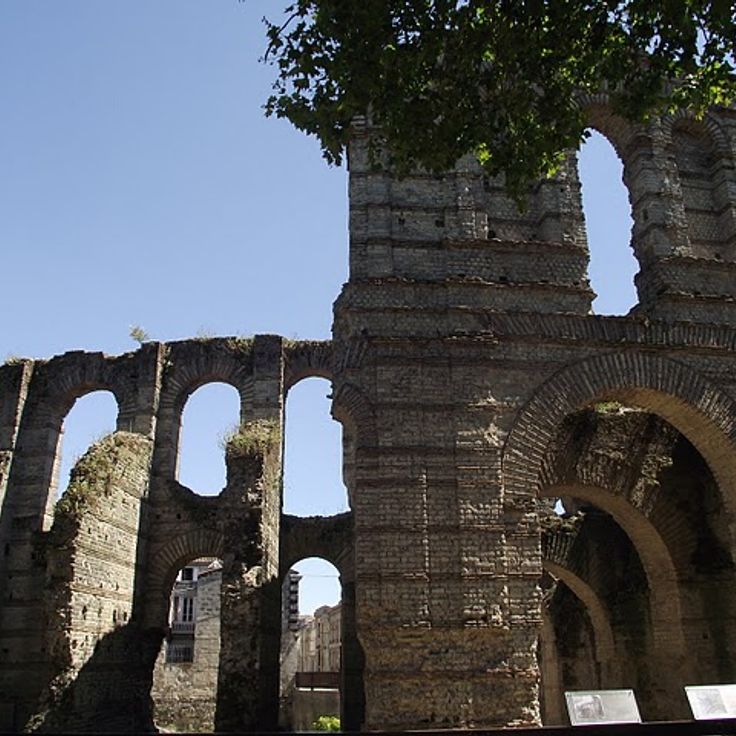
These stone remains of a Roman amphitheater from the 2nd century stand near the center of Bordeaux, displaying partially preserved arches and architectural elements from antiquity. The Palais Gallien is one of the oldest structures in the city and documents the Roman past of Burdigala, as Bordeaux was known in ancient times. The remaining limestone structures allow photographers to understand the dimensions of the original arena and capture the various stages of decay in the masonry. Free access enables shots at different times of day, with natural light highlighting the textures of the weathered stones.
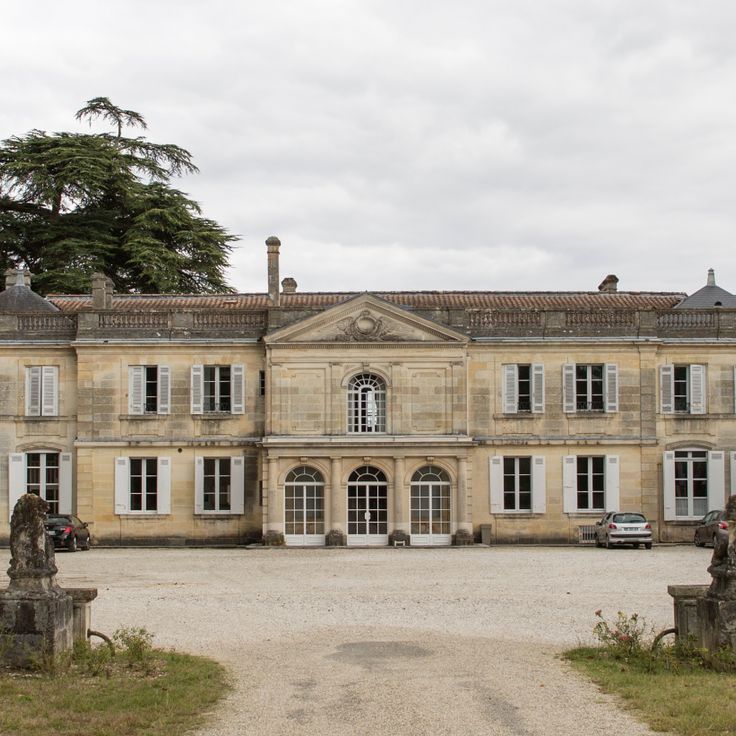
This 18th-century wine estate encompasses stone buildings, traditional cellars and 30 hectares (74 acres) of vineyards producing Bordeaux wines in the Médoc region. The property combines historic architecture with active wine production, offering photographers opportunities to capture façades built from regional stone, vaulted storage halls and extensive rows of vines across one of France's most established wine regions. The estate documents traditional viticulture in its working environment.
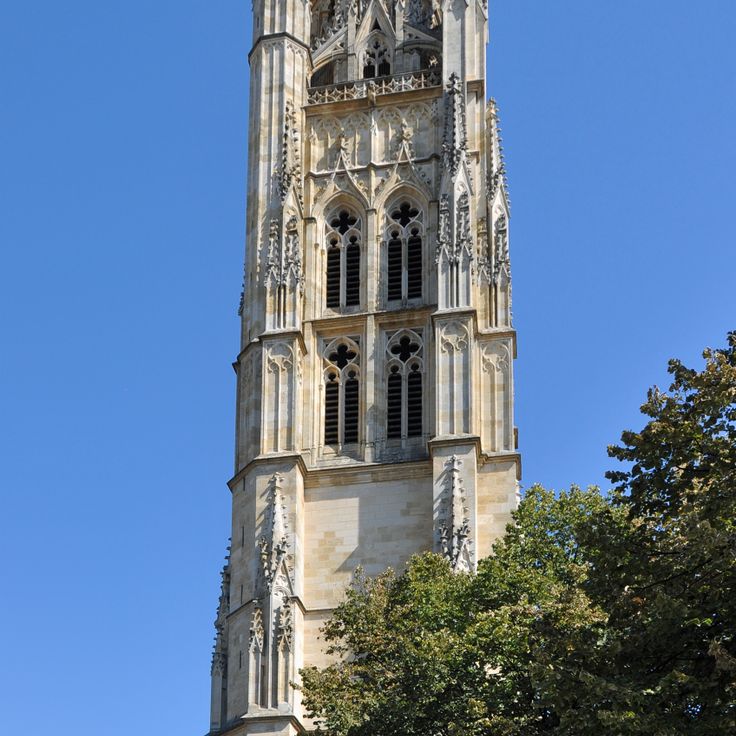
This Gothic tower from the 15th century rises 164 feet (50 meters) beside Saint-André Cathedral and offers views over Bordeaux from its observation platform. Tour Pey Berland serves as a freestanding bell tower and displays elements of late Gothic architecture. Photographers find perspectives on the historic old town, the Garonne River and surrounding rooftops. The ascent leads up a narrow spiral staircase with several hundred steps.
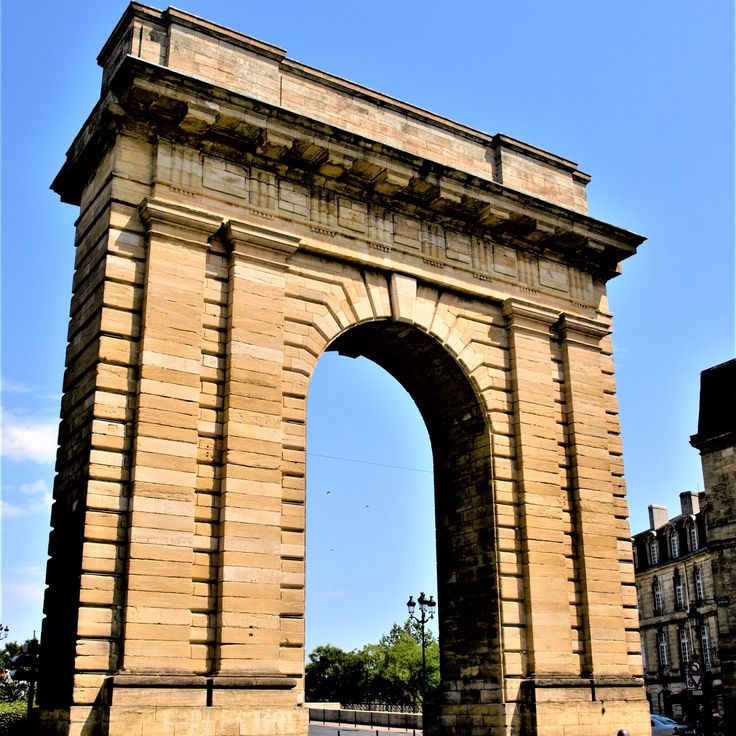
The Porte de Bourgogne has marked the eastern entrance to the city since 1751, replacing a medieval gate at the same location. The freestanding structure displays classical proportions with Corinthian columns and sculptural elements on both sides. The monument was built as part of the urban modernization under Intendant Tourny and now anchors the end of Quai de la Douane.
This medieval street presents 15th-century buildings with traditional French facades, narrow footpaths and preserved architectural details. The section provides street photography opportunities within a historic district of Bordeaux, marked by uneven cobblestone paving and tall limestone walls.
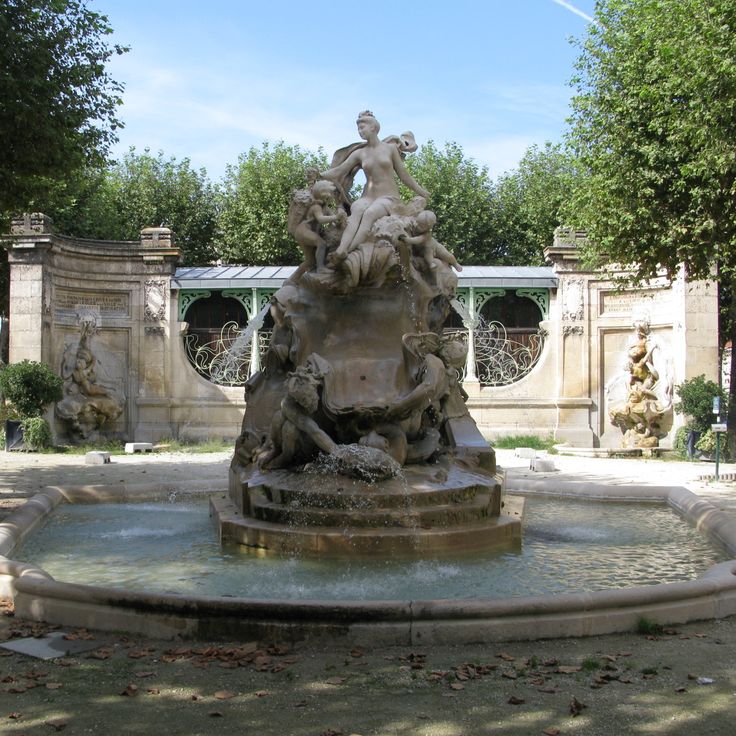
Fontaine Amédée-Larrieu displays stonework from the 19th century with geometric patterns and water features in a residential neighborhood near the city center. This fountain preserves its original architectural details and functional design. For photographers exploring Bordeaux, it offers a subject that shows the city's craftsmanship and urban history alongside the more famous monuments that define the city.
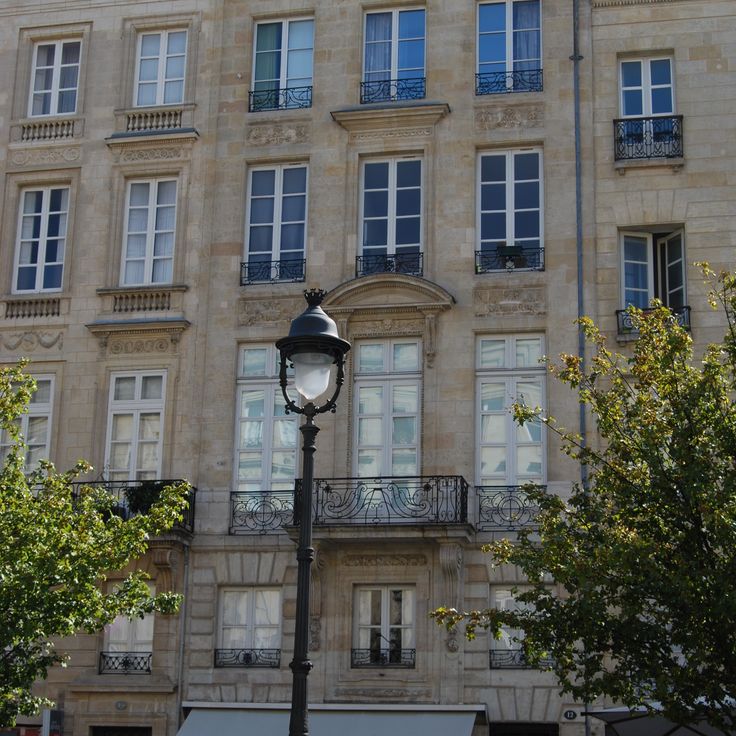
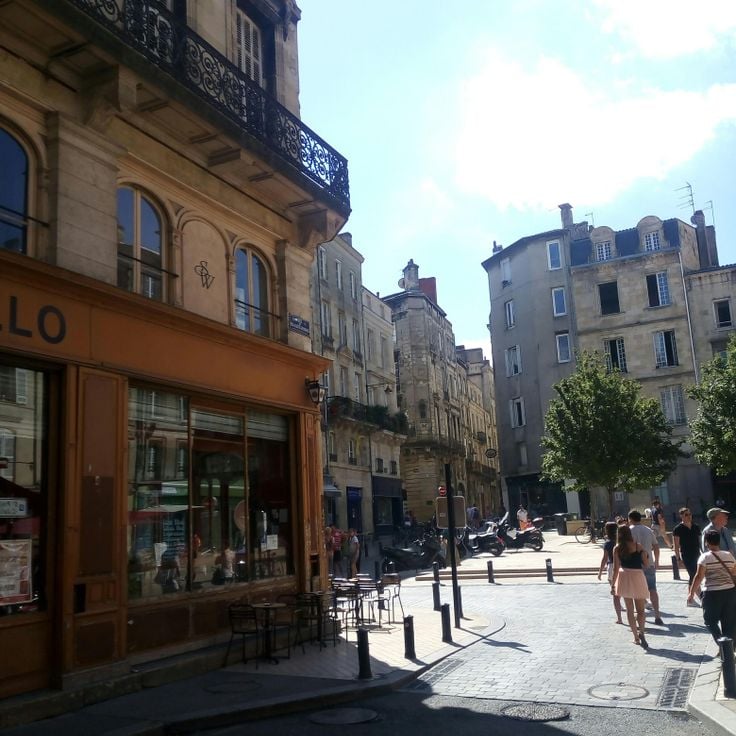
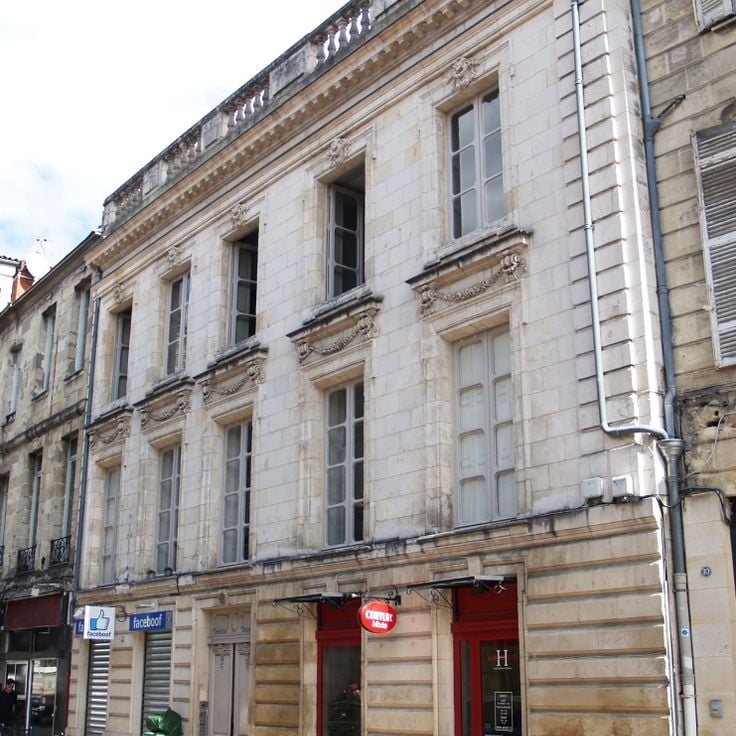
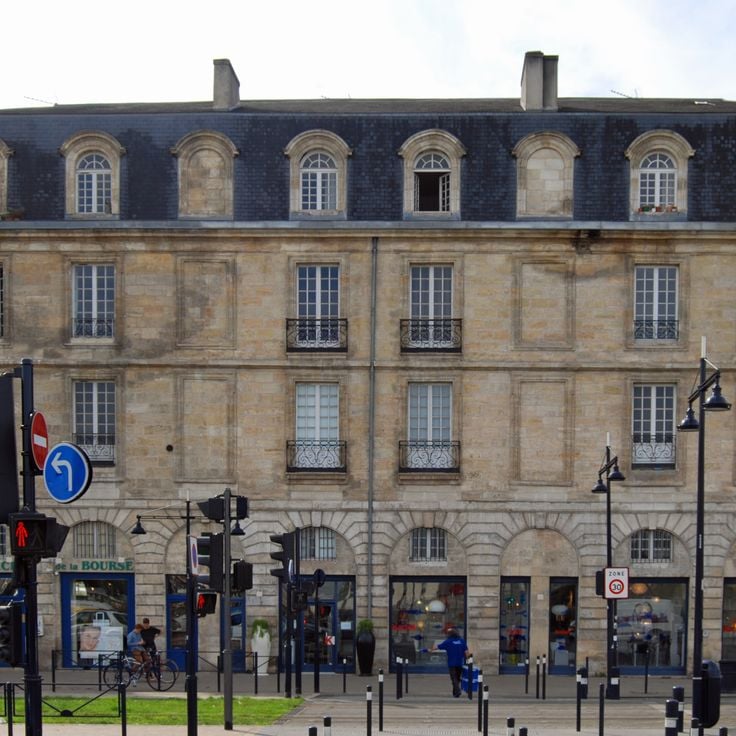
This shopping street presents 18th-century townhouses converted into retail spaces. The buildings display stone facades with decorated details and wrought-iron balconies. Photographers find classic French architecture along a busy pedestrian thoroughfare in the center of Bordeaux.
This medieval square in Bordeaux features the 15th-century Cailhau Gate, a key photographic subject for photographers exploring the city. Stone buildings surround the space, and outdoor cafes invite visitors to linger. As part of Bordeaux's medieval heritage alongside other landmarks such as the Basilica of Saint-Michel and the Pont de Pierre, this square offers views of the city's historic architecture.
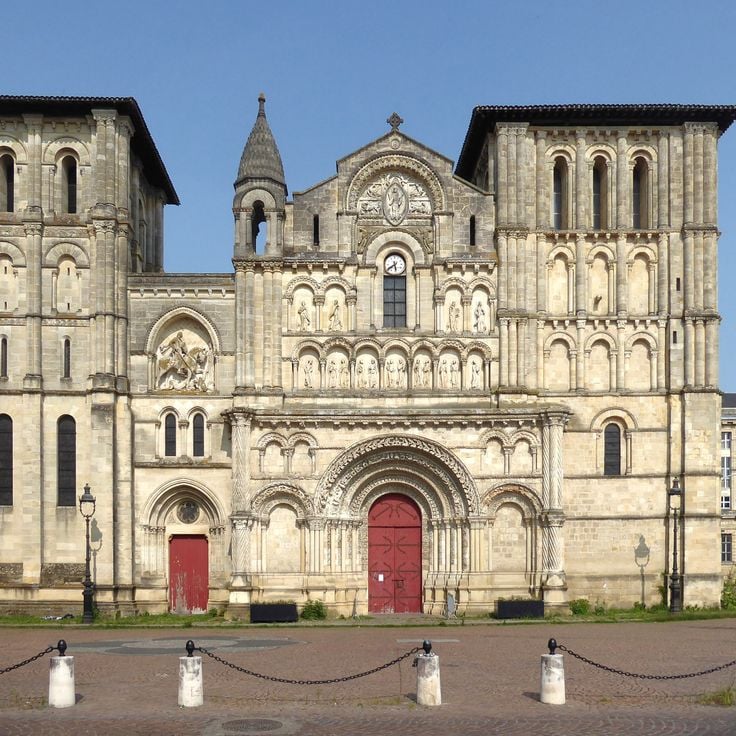
The Église Sainte-Croix is an 11th-century Benedictine monastic church that offers photographers in Bordeaux a compelling subject with its Romanesque facade adorned with stone carvings. The large Romanesque entrance portal displays intricate sculptural details carved in stone. This church documents in its walls the evolution of religious architecture in Bordeaux across several centuries, making it a valuable location for capturing the city's medieval heritage.
This bronze fountain from 1869 stands in the center of the Esplanade des Quinconces and depicts three figures from Greek mythology. Sculptor Louis Visconti designed the work, which was completed by his student after his death. The three Graces dance atop a column surrounded by dolphins and marine creatures. The fountain ranks among the most photographed monuments in Bordeaux and offers different perspectives for capturing images under varying light conditions.
The Quai Richelieu runs along the Garonne in the historic center and provides direct views across the river. This 18th-century stone promenade is lined with classical residential buildings and cafés that define the character of the waterfront. Photographers find changing light on the river, traditional facades and the activity of the port district as subjects throughout the day.
The Quai des Chartrons stretches along the Garonne and presents former stone warehouses now housing shops, restaurants and art galleries. This historic wine merchant district shows a connection between industrial architecture and contemporary use with direct river access. Photographers find compositions with restored facades, active riverfront promenades and vessels passing before the renovated trading houses.
This 15th-century defensive gate rises 115 feet (35 meters) and displays stone carvings of the French royal coat of arms. The structure marks a passage through the historic city walls and documents medieval fortification architecture. The facade combines Gothic elements with Renaissance details and forms a landmark in the old quarter. Photographers can capture the stonework, the tower silhouette and the contrast with surrounding buildings.
This 15th-century bell tower houses a bronze bell weighing 17,000 pounds (7,750 kilograms) and served as a prison until the 19th century. La Grosse Cloche stands between two medieval towers and has marked the Bordeaux skyline for centuries. The tower was originally built as part of the city walls and marked one of the main gates into the city. The structure combines defensive architecture with the function of a municipal timekeeper. Visitors can view the historic bell and the preserved prison cells. The facade still displays the original stonework and gilded clock face.
Rue Sainte-Catherine connects Place de la Victoire with the Grand Théâtre across 0.75 miles (1.2 kilometers) and contains around 250 shops. This pedestrian street offers photographers opportunities for architectural studies along its facades, street scenes with foot traffic, and perspectives toward the adjoining historic squares. The 18th and 19th-century buildings frame the commercial thoroughfare, while storefronts and crowd movement provide visual subjects for urban documentation.
This stone bridge completed in 1822 extends 1,598 feet (487 meters) across the Garonne River and features 17 arches representing the letters in Napoleon's name. The structure links the left bank to the right bank and provides photographers with perspectives along the river and views of the classical arch design. The bridge serves as an active transportation route and allows for compositions that include pedestrian paths and tram lines crossing the historic center of Bordeaux.
These converted military barracks span 20,000 square meters (about 215,000 square feet) and house art galleries, community gardens, shops and restaurants. The site combines historic military architecture with contemporary cultural uses, offering photographers contrasts between original structures and modern interventions. Outdoor spaces feature green areas and murals that complement the visual opportunities found within the restored barrack buildings.
The Hôtel de Ville in Bordeaux presents 18th-century stone facades, a central courtyard and ceremonial halls furnished with period pieces and artworks. Photographers find symmetrical architecture, carved details on exterior walls and historic interiors with stucco work. The building stands at Place Pey Berland, complementing photographic opportunities around the cathedral and other historic structures in the city center.
This municipal park covers 28 hectares (69 acres) with mature trees, flowering gardens, walking paths, a lake and recreational areas. Photographers find varied landscapes, from formal French garden sections with geometric beds to more natural areas with lawns and wooded sections. The park provides changing light conditions throughout the day, particularly at sunrise and sunset along the water features. Vegetation includes both native and exotic species that offer different colors and textures across seasons.
This historic courtyard of a former Dominican convent features stone columns, vaulted passages and a central garden with traditional French design elements. The architecture dates from the monastic tradition and offers photographers subjects of medieval structures in the center of Bordeaux.
This 18th-century square features the Miroir d'Eau, a shallow reflecting pool that mirrors the facades of the surrounding buildings. The plaza connects historic architecture with contemporary installations and offers photographers changing light conditions from early morning through the blue hour. Reflections in the water vary according to time of day and weather conditions. The square sits directly on the Garonne and allows compositions combining river, architecture and reflections.
Basilique Saint-Michel rises with its freestanding 15th-century bell tower in a traditional working-class district south of the old town. The Gothic structure features a 377-foot (115-meter) campanile that provides viewing points over the tile rooftops, the Garonne and surrounding neighborhoods. The nave displays typical features of Flamboyant Gothic design with vaulted ceilings and stained glass windows.
This nineteenth-century shopping arcade connects Rue Sainte-Catherine to Cours de l'Intendance through a glass-roofed interior. The Passage Sarget houses shops and boutiques within a preserved historical structure that displays elements of nineteenth-century French commercial architecture. The glass roof allows natural light and creates a photographic frame for capturing storefronts, architectural details and the passage of pedestrians through the space.
Le Chapeau Rouge sits near the opera house and provides angles on the Grand Théâtre facade, surrounded by classical stone buildings and cafés. This location in Bordeaux's photography collection works for capturing neoclassical architecture and urban life in the historic center of the city.
The Grand Théâtre from the 18th century features twelve Corinthian columns on its main facade, displaying nine Muses and three Goddesses. The theater provides photographers with opportunities to capture classical French architecture, from the columned portico to the sculptural details of the facade. The stone steps and symmetrical design of the exterior complement the architectural photography sites in Bordeaux that combine historic construction and public squares. The facade can be photographed at different times of day when light enhances the columns and statues.
This science center occupies a converted maritime warehouse on the Garonne riverbank, displaying glass walls and steel structures from its shipping past. The hangar combines industrial architecture with contemporary design, offering photographers clean lines, reflective surfaces and the relationship between historical construction and modern educational use with views across the river.
This lift bridge spans 385 feet (117 meters) across the Garonne with its central section rising to 174 feet (53 meters) to allow ships to pass. The modern structure connects both banks of the river and offers photographers various perspectives on the mechanics of the moving bridge and the water surface below. The construction integrates into the urban architecture and creates photographic subjects along the riverbank.
The Jardin Public extends across several acres with a botanical garden, paved pathways beneath centuries-old trees, and stone bridges crossing ponds. The park was established in the 18th century and features plane trees, magnolias, and a rose garden with several hundred varieties. Photographers can capture the symmetry of French garden design, shadow patterns beneath tree canopies, and reflections on the water. The grounds combine formal parterres with naturalistic areas and have served as a public recreation space in central Bordeaux since their opening.
This regional museum spans millennia of Aquitaine history through archaeological finds from prehistoric caves, Roman statues, medieval sculptures and documents on transatlantic trade. The collections include Gallic coins, mosaics from Bordeaux, maritime instruments and ethnographic objects from former French colonies. The museum occupies a renovated 19th-century building with classical columns and multiple thematic galleries arranged chronologically from the Stone Age through the 20th century.
The Cité du Vin combines wine history with modern architecture in an aluminum and glass structure along the Garonne riverfront. This cultural center presents permanent and rotating exhibitions on viticulture, international wine culture and trade history. Visitors can participate in tastings, and the panoramic restaurant on the top floor takes advantage of views across the river and city.
This historic square in Bordeaux offers photographers a subject that brings together stone buildings from past centuries with restaurants and cafés where locals gather for coffee and meals throughout the day, fitting into the city's range of architectural and social spaces.
The Marché des Douves is a former market hall in Bordeaux that has been converted into a cultural center. The historic structure hosts regular events, rotating exhibitions and workshops for the local community. Photographers find subjects in the 19th-century industrial architecture as well as scenes from contemporary cultural life. The hall preserves its original architectural elements while incorporating modern cultural uses. The venue demonstrates the transformation of former market buildings into spaces for arts and community activities.
These stone remains of a Roman amphitheater from the 2nd century stand near the center of Bordeaux, displaying partially preserved arches and architectural elements from antiquity. The Palais Gallien is one of the oldest structures in the city and documents the Roman past of Burdigala, as Bordeaux was known in ancient times. The remaining limestone structures allow photographers to understand the dimensions of the original arena and capture the various stages of decay in the masonry. Free access enables shots at different times of day, with natural light highlighting the textures of the weathered stones.
This 18th-century wine estate encompasses stone buildings, traditional cellars and 30 hectares (74 acres) of vineyards producing Bordeaux wines in the Médoc region. The property combines historic architecture with active wine production, offering photographers opportunities to capture façades built from regional stone, vaulted storage halls and extensive rows of vines across one of France's most established wine regions. The estate documents traditional viticulture in its working environment.
This Gothic tower from the 15th century rises 164 feet (50 meters) beside Saint-André Cathedral and offers views over Bordeaux from its observation platform. Tour Pey Berland serves as a freestanding bell tower and displays elements of late Gothic architecture. Photographers find perspectives on the historic old town, the Garonne River and surrounding rooftops. The ascent leads up a narrow spiral staircase with several hundred steps.
The Porte de Bourgogne has marked the eastern entrance to the city since 1751, replacing a medieval gate at the same location. The freestanding structure displays classical proportions with Corinthian columns and sculptural elements on both sides. The monument was built as part of the urban modernization under Intendant Tourny and now anchors the end of Quai de la Douane.
This medieval street presents 15th-century buildings with traditional French facades, narrow footpaths and preserved architectural details. The section provides street photography opportunities within a historic district of Bordeaux, marked by uneven cobblestone paving and tall limestone walls.
Fontaine Amédée-Larrieu displays stonework from the 19th century with geometric patterns and water features in a residential neighborhood near the city center. This fountain preserves its original architectural details and functional design. For photographers exploring Bordeaux, it offers a subject that shows the city's craftsmanship and urban history alongside the more famous monuments that define the city.
This shopping street presents 18th-century townhouses converted into retail spaces. The buildings display stone facades with decorated details and wrought-iron balconies. Photographers find classic French architecture along a busy pedestrian thoroughfare in the center of Bordeaux.
This medieval square in Bordeaux features the 15th-century Cailhau Gate, a key photographic subject for photographers exploring the city. Stone buildings surround the space, and outdoor cafes invite visitors to linger. As part of Bordeaux's medieval heritage alongside other landmarks such as the Basilica of Saint-Michel and the Pont de Pierre, this square offers views of the city's historic architecture.
The Église Sainte-Croix is an 11th-century Benedictine monastic church that offers photographers in Bordeaux a compelling subject with its Romanesque facade adorned with stone carvings. The large Romanesque entrance portal displays intricate sculptural details carved in stone. This church documents in its walls the evolution of religious architecture in Bordeaux across several centuries, making it a valuable location for capturing the city's medieval heritage.
This bronze fountain from 1869 stands in the center of the Esplanade des Quinconces and depicts three figures from Greek mythology. Sculptor Louis Visconti designed the work, which was completed by his student after his death. The three Graces dance atop a column surrounded by dolphins and marine creatures. The fountain ranks among the most photographed monuments in Bordeaux and offers different perspectives for capturing images under varying light conditions.
The Quai Richelieu runs along the Garonne in the historic center and provides direct views across the river. This 18th-century stone promenade is lined with classical residential buildings and cafés that define the character of the waterfront. Photographers find changing light on the river, traditional facades and the activity of the port district as subjects throughout the day.
The Quai des Chartrons stretches along the Garonne and presents former stone warehouses now housing shops, restaurants and art galleries. This historic wine merchant district shows a connection between industrial architecture and contemporary use with direct river access. Photographers find compositions with restored facades, active riverfront promenades and vessels passing before the renovated trading houses.
This 15th-century defensive gate rises 115 feet (35 meters) and displays stone carvings of the French royal coat of arms. The structure marks a passage through the historic city walls and documents medieval fortification architecture. The facade combines Gothic elements with Renaissance details and forms a landmark in the old quarter. Photographers can capture the stonework, the tower silhouette and the contrast with surrounding buildings.
This 15th-century bell tower houses a bronze bell weighing 17,000 pounds (7,750 kilograms) and served as a prison until the 19th century. La Grosse Cloche stands between two medieval towers and has marked the Bordeaux skyline for centuries. The tower was originally built as part of the city walls and marked one of the main gates into the city. The structure combines defensive architecture with the function of a municipal timekeeper. Visitors can view the historic bell and the preserved prison cells. The facade still displays the original stonework and gilded clock face.
Rue Sainte-Catherine connects Place de la Victoire with the Grand Théâtre across 0.75 miles (1.2 kilometers) and contains around 250 shops. This pedestrian street offers photographers opportunities for architectural studies along its facades, street scenes with foot traffic, and perspectives toward the adjoining historic squares. The 18th and 19th-century buildings frame the commercial thoroughfare, while storefronts and crowd movement provide visual subjects for urban documentation.
This stone bridge completed in 1822 extends 1,598 feet (487 meters) across the Garonne River and features 17 arches representing the letters in Napoleon's name. The structure links the left bank to the right bank and provides photographers with perspectives along the river and views of the classical arch design. The bridge serves as an active transportation route and allows for compositions that include pedestrian paths and tram lines crossing the historic center of Bordeaux.
These converted military barracks span 20,000 square meters (about 215,000 square feet) and house art galleries, community gardens, shops and restaurants. The site combines historic military architecture with contemporary cultural uses, offering photographers contrasts between original structures and modern interventions. Outdoor spaces feature green areas and murals that complement the visual opportunities found within the restored barrack buildings.
The Hôtel de Ville in Bordeaux presents 18th-century stone facades, a central courtyard and ceremonial halls furnished with period pieces and artworks. Photographers find symmetrical architecture, carved details on exterior walls and historic interiors with stucco work. The building stands at Place Pey Berland, complementing photographic opportunities around the cathedral and other historic structures in the city center.
This municipal park covers 28 hectares (69 acres) with mature trees, flowering gardens, walking paths, a lake and recreational areas. Photographers find varied landscapes, from formal French garden sections with geometric beds to more natural areas with lawns and wooded sections. The park provides changing light conditions throughout the day, particularly at sunrise and sunset along the water features. Vegetation includes both native and exotic species that offer different colors and textures across seasons.
This historic courtyard of a former Dominican convent features stone columns, vaulted passages and a central garden with traditional French design elements. The architecture dates from the monastic tradition and offers photographers subjects of medieval structures in the center of Bordeaux.
This 18th-century square features the Miroir d'Eau, a shallow reflecting pool that mirrors the facades of the surrounding buildings. The plaza connects historic architecture with contemporary installations and offers photographers changing light conditions from early morning through the blue hour. Reflections in the water vary according to time of day and weather conditions. The square sits directly on the Garonne and allows compositions combining river, architecture and reflections.
Basilique Saint-Michel rises with its freestanding 15th-century bell tower in a traditional working-class district south of the old town. The Gothic structure features a 377-foot (115-meter) campanile that provides viewing points over the tile rooftops, the Garonne and surrounding neighborhoods. The nave displays typical features of Flamboyant Gothic design with vaulted ceilings and stained glass windows.
This nineteenth-century shopping arcade connects Rue Sainte-Catherine to Cours de l'Intendance through a glass-roofed interior. The Passage Sarget houses shops and boutiques within a preserved historical structure that displays elements of nineteenth-century French commercial architecture. The glass roof allows natural light and creates a photographic frame for capturing storefronts, architectural details and the passage of pedestrians through the space.
Le Chapeau Rouge sits near the opera house and provides angles on the Grand Théâtre facade, surrounded by classical stone buildings and cafés. This location in Bordeaux's photography collection works for capturing neoclassical architecture and urban life in the historic center of the city.
The Grand Théâtre from the 18th century features twelve Corinthian columns on its main facade, displaying nine Muses and three Goddesses. The theater provides photographers with opportunities to capture classical French architecture, from the columned portico to the sculptural details of the facade. The stone steps and symmetrical design of the exterior complement the architectural photography sites in Bordeaux that combine historic construction and public squares. The facade can be photographed at different times of day when light enhances the columns and statues.
This science center occupies a converted maritime warehouse on the Garonne riverbank, displaying glass walls and steel structures from its shipping past. The hangar combines industrial architecture with contemporary design, offering photographers clean lines, reflective surfaces and the relationship between historical construction and modern educational use with views across the river.
This lift bridge spans 385 feet (117 meters) across the Garonne with its central section rising to 174 feet (53 meters) to allow ships to pass. The modern structure connects both banks of the river and offers photographers various perspectives on the mechanics of the moving bridge and the water surface below. The construction integrates into the urban architecture and creates photographic subjects along the riverbank.
The Jardin Public extends across several acres with a botanical garden, paved pathways beneath centuries-old trees, and stone bridges crossing ponds. The park was established in the 18th century and features plane trees, magnolias, and a rose garden with several hundred varieties. Photographers can capture the symmetry of French garden design, shadow patterns beneath tree canopies, and reflections on the water. The grounds combine formal parterres with naturalistic areas and have served as a public recreation space in central Bordeaux since their opening.
This regional museum spans millennia of Aquitaine history through archaeological finds from prehistoric caves, Roman statues, medieval sculptures and documents on transatlantic trade. The collections include Gallic coins, mosaics from Bordeaux, maritime instruments and ethnographic objects from former French colonies. The museum occupies a renovated 19th-century building with classical columns and multiple thematic galleries arranged chronologically from the Stone Age through the 20th century.
The Cité du Vin combines wine history with modern architecture in an aluminum and glass structure along the Garonne riverfront. This cultural center presents permanent and rotating exhibitions on viticulture, international wine culture and trade history. Visitors can participate in tastings, and the panoramic restaurant on the top floor takes advantage of views across the river and city.
This historic square in Bordeaux offers photographers a subject that brings together stone buildings from past centuries with restaurants and cafés where locals gather for coffee and meals throughout the day, fitting into the city's range of architectural and social spaces.
The Marché des Douves is a former market hall in Bordeaux that has been converted into a cultural center. The historic structure hosts regular events, rotating exhibitions and workshops for the local community. Photographers find subjects in the 19th-century industrial architecture as well as scenes from contemporary cultural life. The hall preserves its original architectural elements while incorporating modern cultural uses. The venue demonstrates the transformation of former market buildings into spaces for arts and community activities.
These stone remains of a Roman amphitheater from the 2nd century stand near the center of Bordeaux, displaying partially preserved arches and architectural elements from antiquity. The Palais Gallien is one of the oldest structures in the city and documents the Roman past of Burdigala, as Bordeaux was known in ancient times. The remaining limestone structures allow photographers to understand the dimensions of the original arena and capture the various stages of decay in the masonry. Free access enables shots at different times of day, with natural light highlighting the textures of the weathered stones.
This 18th-century wine estate encompasses stone buildings, traditional cellars and 30 hectares (74 acres) of vineyards producing Bordeaux wines in the Médoc region. The property combines historic architecture with active wine production, offering photographers opportunities to capture façades built from regional stone, vaulted storage halls and extensive rows of vines across one of France's most established wine regions. The estate documents traditional viticulture in its working environment.
This Gothic tower from the 15th century rises 164 feet (50 meters) beside Saint-André Cathedral and offers views over Bordeaux from its observation platform. Tour Pey Berland serves as a freestanding bell tower and displays elements of late Gothic architecture. Photographers find perspectives on the historic old town, the Garonne River and surrounding rooftops. The ascent leads up a narrow spiral staircase with several hundred steps.
The Porte de Bourgogne has marked the eastern entrance to the city since 1751, replacing a medieval gate at the same location. The freestanding structure displays classical proportions with Corinthian columns and sculptural elements on both sides. The monument was built as part of the urban modernization under Intendant Tourny and now anchors the end of Quai de la Douane.
This medieval street presents 15th-century buildings with traditional French facades, narrow footpaths and preserved architectural details. The section provides street photography opportunities within a historic district of Bordeaux, marked by uneven cobblestone paving and tall limestone walls.
Fontaine Amédée-Larrieu displays stonework from the 19th century with geometric patterns and water features in a residential neighborhood near the city center. This fountain preserves its original architectural details and functional design. For photographers exploring Bordeaux, it offers a subject that shows the city's craftsmanship and urban history alongside the more famous monuments that define the city.
This shopping street presents 18th-century townhouses converted into retail spaces. The buildings display stone facades with decorated details and wrought-iron balconies. Photographers find classic French architecture along a busy pedestrian thoroughfare in the center of Bordeaux.
This medieval square in Bordeaux features the 15th-century Cailhau Gate, a key photographic subject for photographers exploring the city. Stone buildings surround the space, and outdoor cafes invite visitors to linger. As part of Bordeaux's medieval heritage alongside other landmarks such as the Basilica of Saint-Michel and the Pont de Pierre, this square offers views of the city's historic architecture.
The Église Sainte-Croix is an 11th-century Benedictine monastic church that offers photographers in Bordeaux a compelling subject with its Romanesque facade adorned with stone carvings. The large Romanesque entrance portal displays intricate sculptural details carved in stone. This church documents in its walls the evolution of religious architecture in Bordeaux across several centuries, making it a valuable location for capturing the city's medieval heritage.
This bronze fountain from 1869 stands in the center of the Esplanade des Quinconces and depicts three figures from Greek mythology. Sculptor Louis Visconti designed the work, which was completed by his student after his death. The three Graces dance atop a column surrounded by dolphins and marine creatures. The fountain ranks among the most photographed monuments in Bordeaux and offers different perspectives for capturing images under varying light conditions.
The Quai Richelieu runs along the Garonne in the historic center and provides direct views across the river. This 18th-century stone promenade is lined with classical residential buildings and cafés that define the character of the waterfront. Photographers find changing light on the river, traditional facades and the activity of the port district as subjects throughout the day.
The Quai des Chartrons stretches along the Garonne and presents former stone warehouses now housing shops, restaurants and art galleries. This historic wine merchant district shows a connection between industrial architecture and contemporary use with direct river access. Photographers find compositions with restored facades, active riverfront promenades and vessels passing before the renovated trading houses.