See the monuments around you in AROpen chests in the app
Around Us is built for your phone — point your camera at the streets and discover the monuments and places around you in augmented reality.Around Us is built for your phone — chests unlock when you walk, explore and capture nearby places.
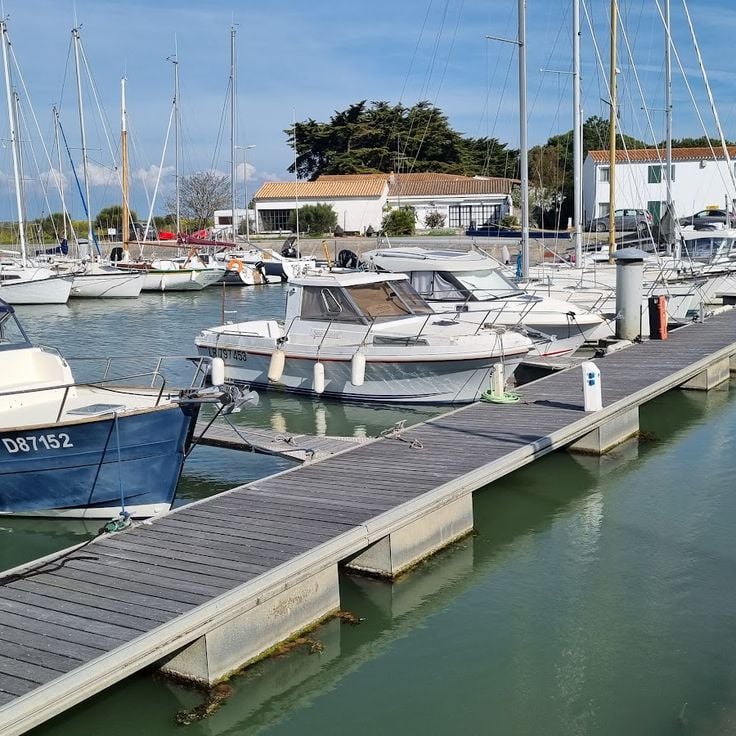
The Île de Ré reveals preserved sites beyond its main destinations. The salt marshes of Loix and the Lilleau des Niges Nature Reserve host more than 300 species of migratory birds, while the Baleines Lighthouse offers a view of the Atlantic Ocean. Beaches such as Trousse Chemise and Les Grenettes are characterized by their natural dunes and conditions suitable for water sports. The Fier d'Ars Port maintains its traditional fishing activity with boats and houses with green shutters.
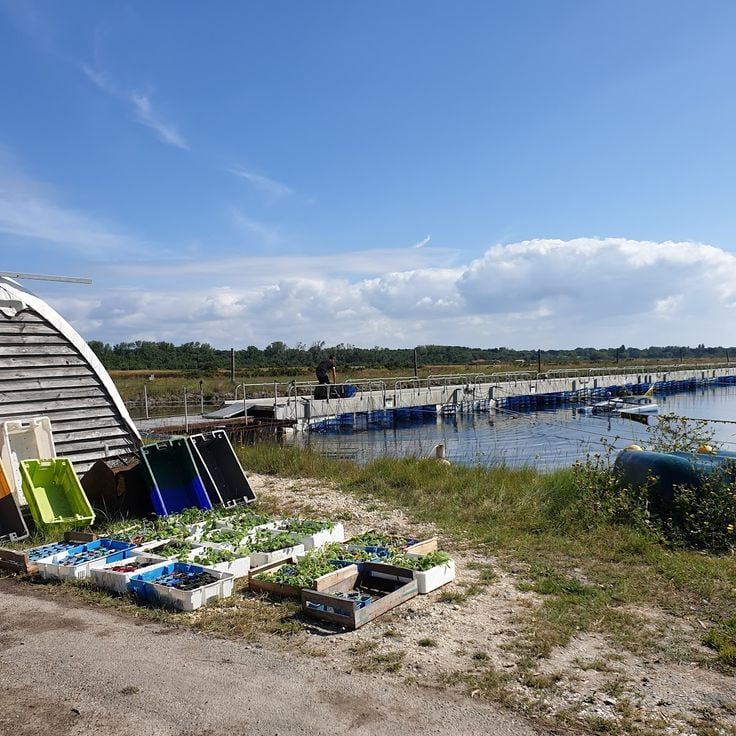
The Salt Eco-museum traces the history of salt harvesting and the work of salt workers in the marshes. The Baleines Farm combines agricultural production with shellfish farming near the coast. Villages like Loix offer traditional shops and exhibitions on local customs. These sites reflect the maritime heritage and traditions shaping the island's identity for generations.
The Île de Ré reveals preserved sites beyond its main destinations. The salt marshes of Loix and the Lilleau des Niges Nature Reserve host more than 300 species of migratory birds, while the Baleines Lighthouse offers a view of the Atlantic Ocean. Beaches such as Trousse Chemise and Les Grenettes are characterized by their natural dunes and conditions suitable for water sports. The Fier d'Ars Port maintains its traditional fishing activity with boats and houses with green shutters.
The Salt Eco-museum traces the history of salt harvesting and the work of salt workers in the marshes. The Baleines Farm combines agricultural production with shellfish farming near the coast. Villages like Loix offer traditional shops and exhibitions on local customs. These sites reflect the maritime heritage and traditions shaping the island's identity for generations.
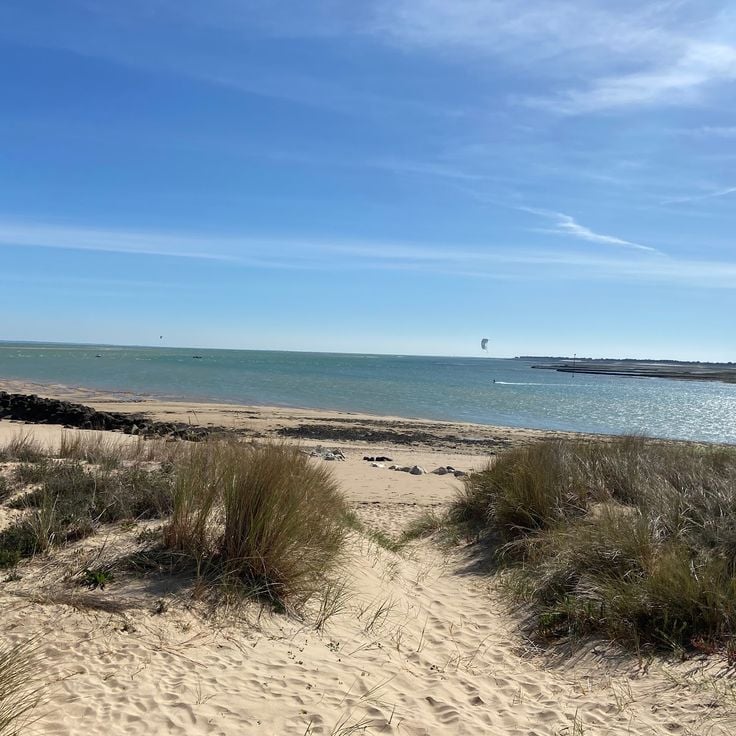
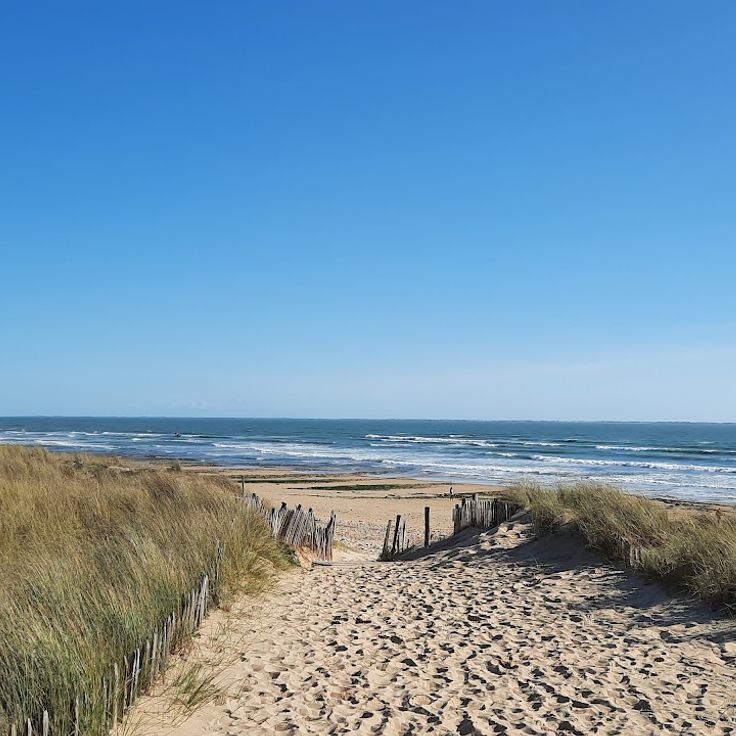
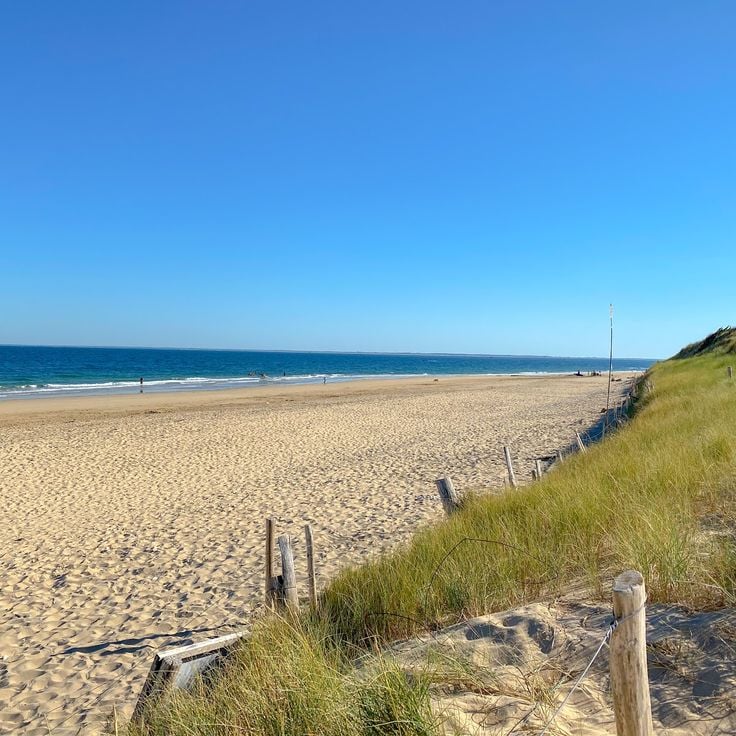
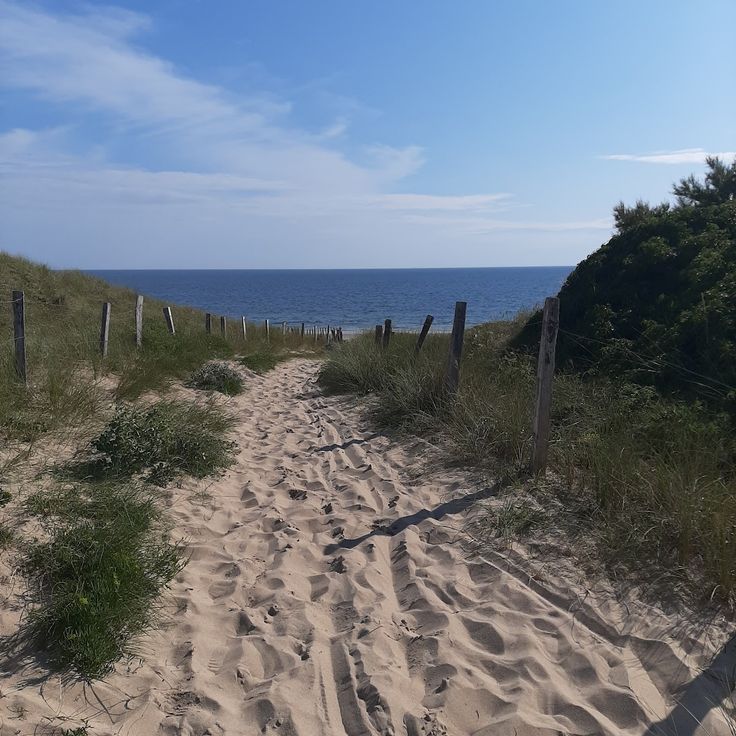
The beach of Trousse Chemise stretches along the coast of Les Portes-en-Ré with natural sand dunes and a pine forest behind it. A walking path runs along the shore and leads to this quiet part of the island. This beach reflects the natural landscape found throughout Île de Ré, away from the main tourist areas.
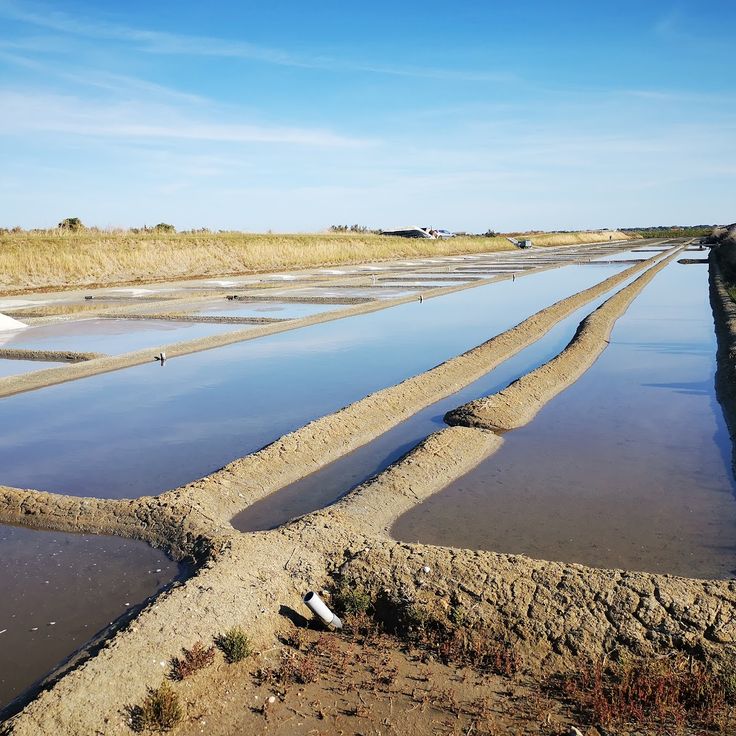
The village of Loix is located in the northern part of Île de Ré and preserves its identity as a salt-producing place. The salt marshes are still worked today and produce the characteristic white gold of the region. Narrow lanes lead to small shops that sell local products. The local museum documents the history of salt extraction and displays the tools and working methods of the salt workers.
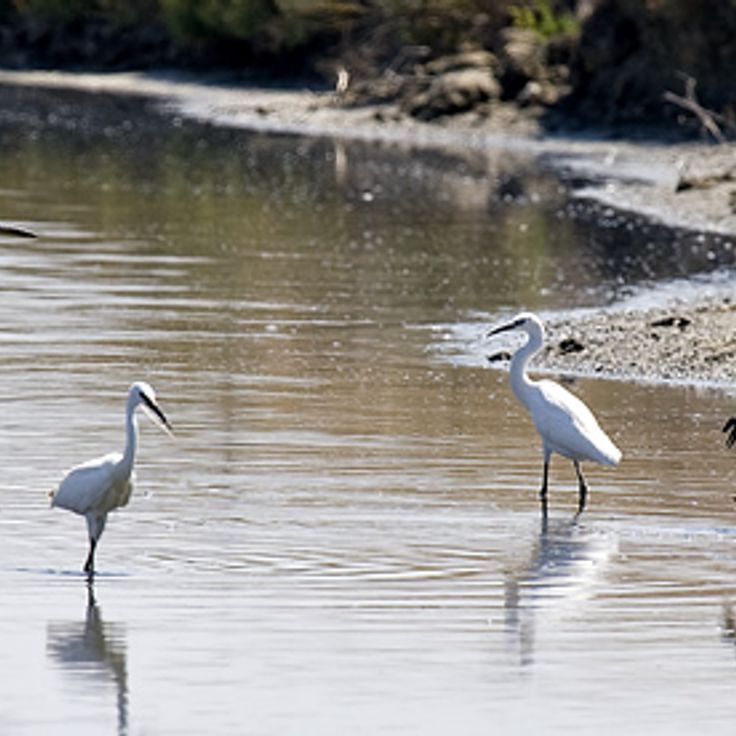
Lilleau des Niges nature reserve in this collection is a protected space that spreads across salt marshes and mudflats. More than 300 bird species use this place for nesting and as a stopover during migration. Salt basins and open water areas provide habitat for wading birds, ducks, and herons that you can observe throughout the seasons.
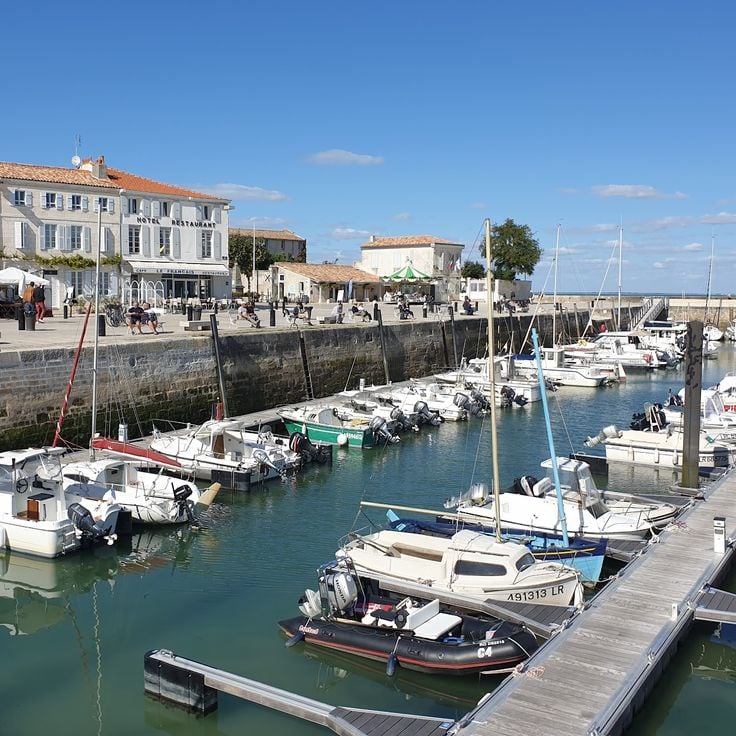
Port du Fier d'Ars keeps its traditional fishing activity alive with small boats moored at the quays. Typical houses with white facades and green shutters line the harbor basin, giving this place its distinctive character on the Île de Ré. You can watch fishermen at work and feel the daily rhythm of a working harbor that has changed little over time.
Ferme des Baleines sits near the lighthouse of Saint-Clément and combines agriculture with shellfish farming. This farm produces local goods and raises various species of shellfish and crustaceans. Visitors can learn about the processing methods and purchase regional products made from island production.
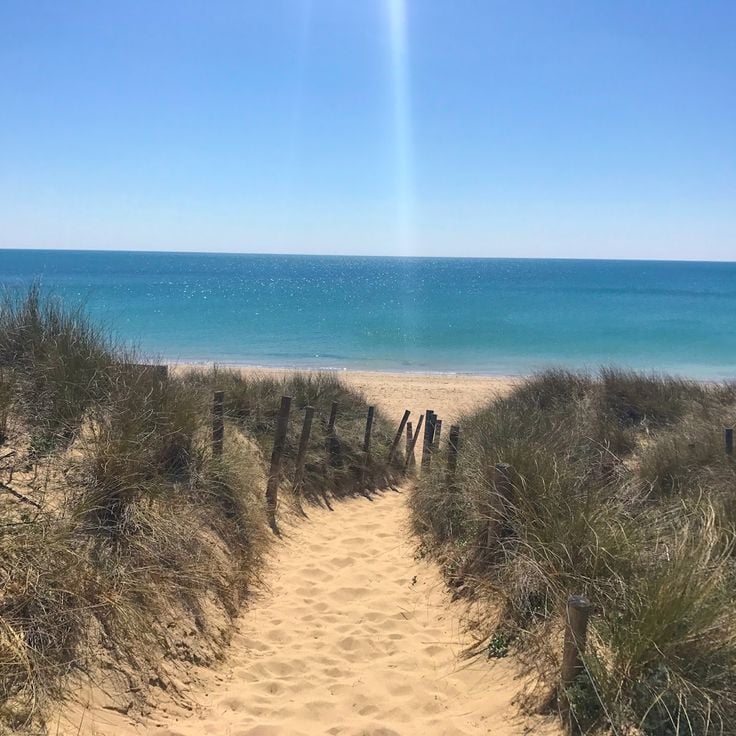
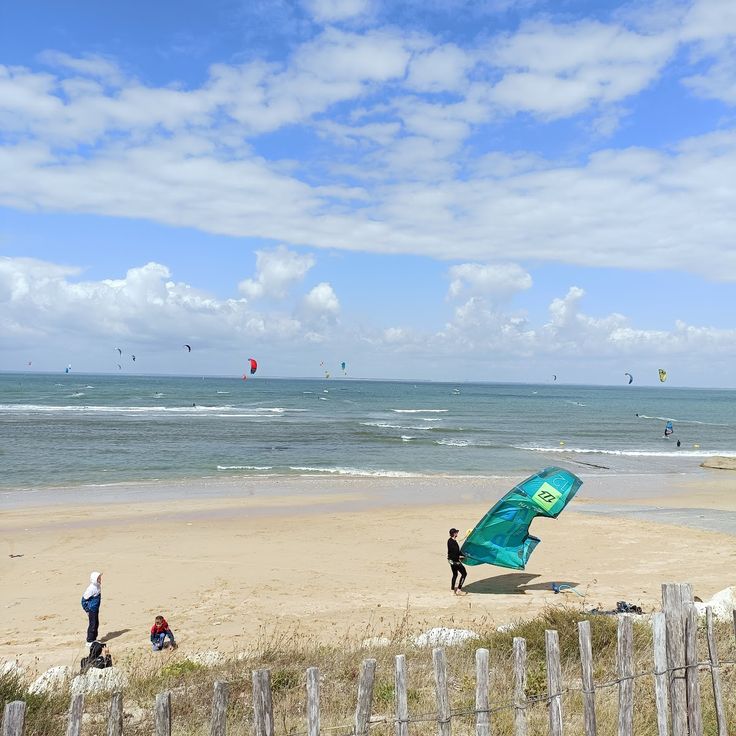
Plage des Grenettes sits on the north coast of Île de Ré and offers surfers regular waves generated by its exposed position on the Atlantic. This beach has fine sand and is appreciated by water sports enthusiasts for its stable conditions. It is part of the island's hidden places, where natural dunes and coastal activities shape daily life.
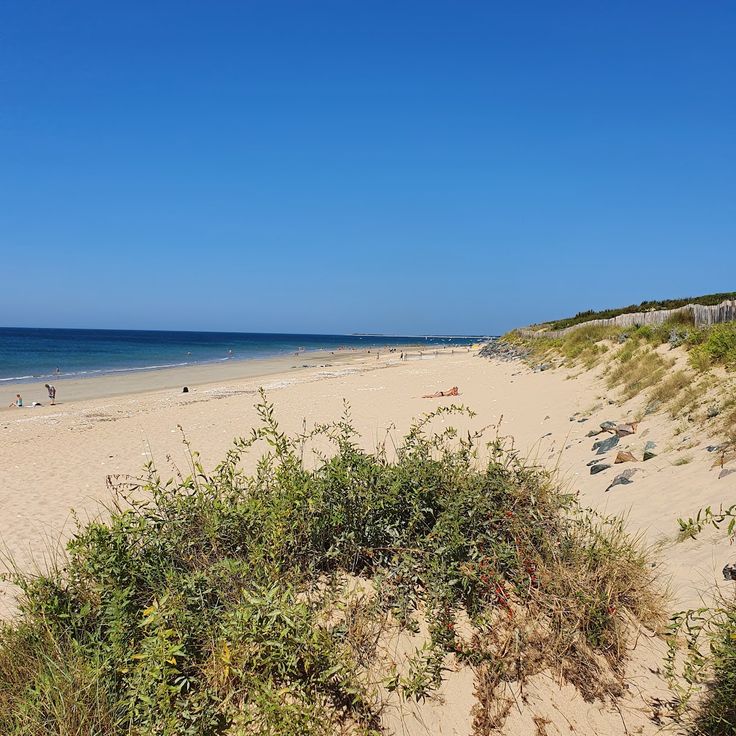
Plage du Petit Sergent is a sandy beach along the Atlantic coast in La Couarde-sur-Mer, featuring fine sand stretching along the shoreline. A footpath runs parallel to the sea, providing direct access to this section of coast. This beach is part of the hidden places found on Île de Ré beyond its main attractions. Here, visitors find a quieter side of the island, away from the crowds, where the natural landscape remains largely unchanged.
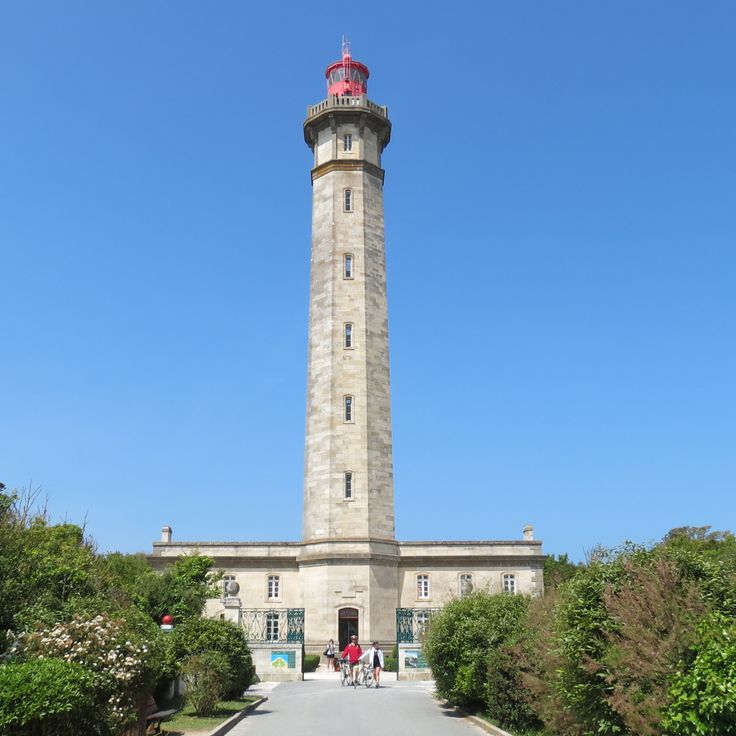
The Phare des Baleines stands at the western tip of Île de Ré and offers views over the Atlantic Ocean and the coastal landscape. Built in 1854, the lighthouse has 257 steps leading to its top. Beside the main tower sits an older lighthouse from the 17th century, and a museum tells the story of navigation and maritime activity in the region.
The Salt Museum in Loix tells the story of how salt was harvested on the Île de Ré over many years. Inside, you see the tools salt workers used and learn how the salt marshes operated. The exhibits show why this work was so important to the region and how families built their lives around this trade.
Plage du Canot de Sauvetage is a sandy beach located near the center of La Couarde-sur-Mer, featuring a lifeguard station during summer months. The beach sits about 200 meters from restaurants and shops in the town center. This beach fits into the maritime traditions of Île de Ré, where shores like this one display natural dunes and conditions suitable for water sports.
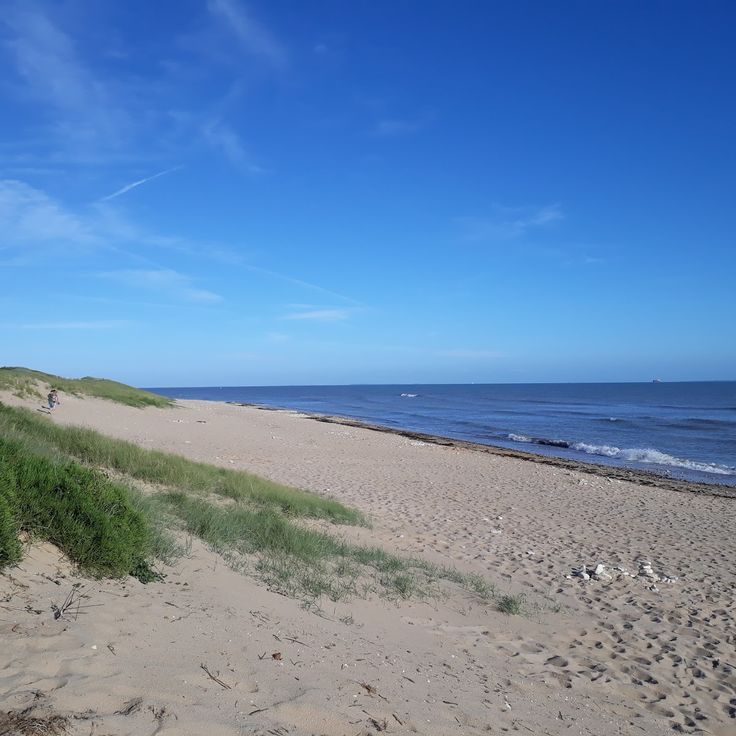
Conche des Baleines beach stretches along the southwestern coast of Île de Ré for several kilometers. Maritime pines grow along the shore, giving the place its character. Marked trails lead through the trees to different sections of the beach. The water here is relatively calm, sheltered from strong waves. Natural sand dunes cover parts of the shore, with beach grasses and other plants growing on them. Many people come to swim or take walks along the water.
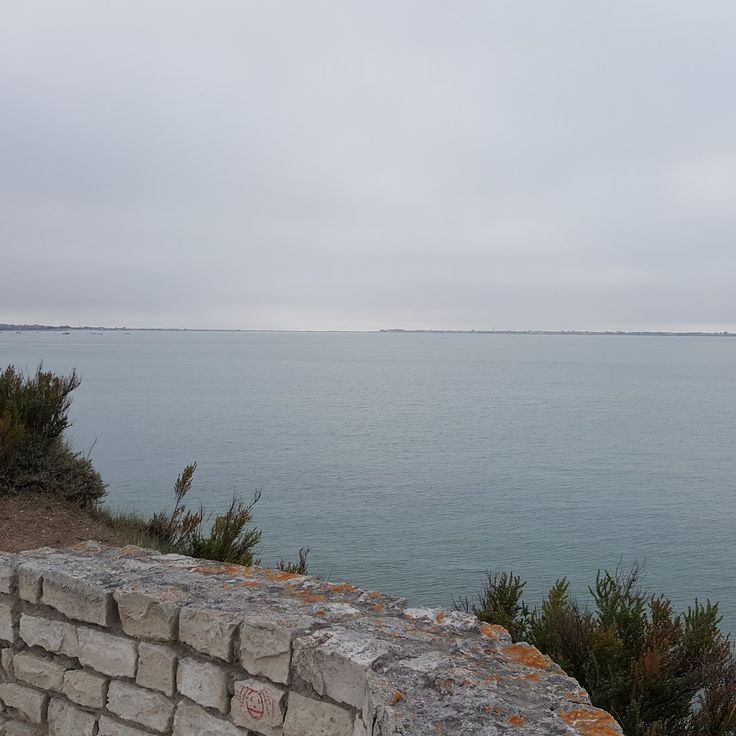
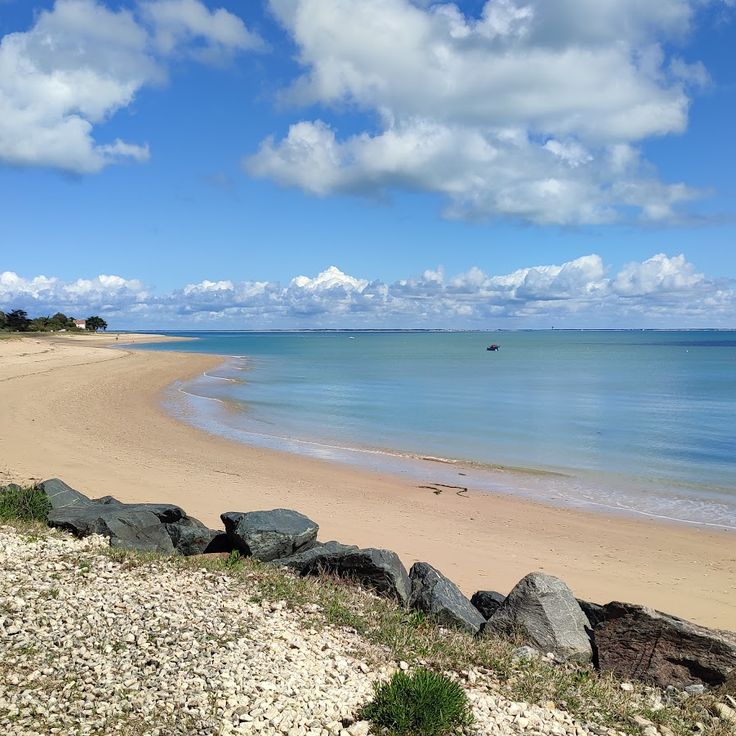
Plage du Petit Bec sits at the northern tip of Île de Ré and looks out toward the Vendée coast. From this natural beach, you can watch merchant ships and ferries heading toward the port of La Rochelle. This spot offers a quiet place to observe the maritime traffic moving through the Pertuis Breton strait.
Redoute Beach stretches at the foot of the fort of the same name, a military installation from the 17th century built to defend the island's access. This sandy beach offers a direct view of the historic fortification and sits just next to the port of Rivedoux-Plage. The beach is part of the hidden spots of Île de Ré, where history and nature meet.
La Loge Beach sits at the northern tip of Île de Ré, between the Atlantic Ocean and the Fier d'Ars bay. This beach is characterized by fine sand that extends along a coastline shaped by tidal movements. The location attracts walkers and nature watchers seeking a quiet place to explore.
The Anse du Fourneau beach is one of the hidden places on Île de Ré, nestled in a natural cove surrounded by maritime pines. The fine sand and gentle entry into the water make this spot a pleasant swimming place away from crowds. This beach reflects the maritime heritage of the island and shows the natural landscapes that have shaped the island's identity for generations.
The Gouillauds dune is part of the public coastal domain of Île de Ré and runs along the shoreline. Plants adapted to sandy and salty soils grow in this area. The dune protects the coast from erosion caused by wind and waves, helping to keep the beach stable.
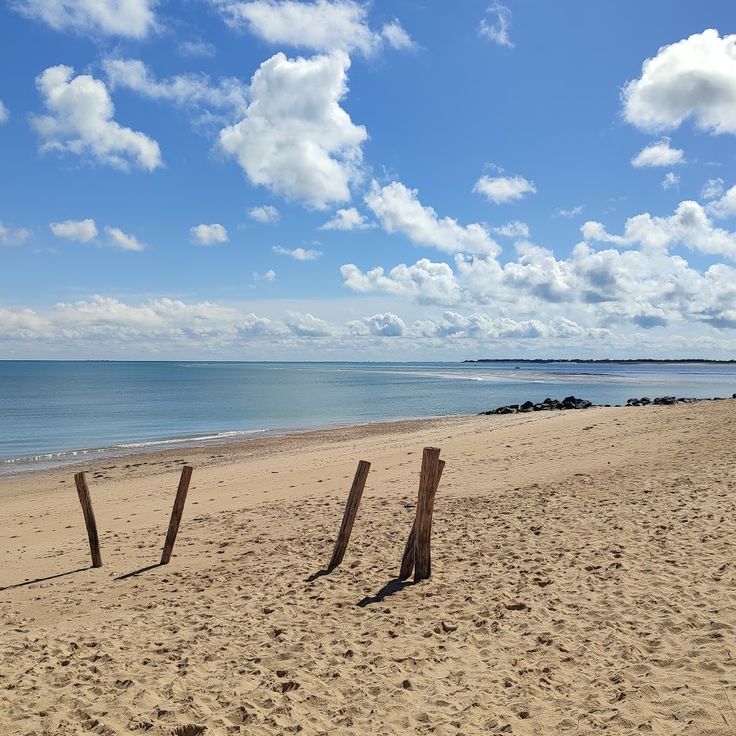
The Port Notre-Dame Beach extends for several hundred meters along the northern coast of the island. Fine sand borders the vast salt marshes that characterize this region. Its northern orientation provides natural protection from the dominant western winds and allows for calmer swimming than on the island's southern beaches.
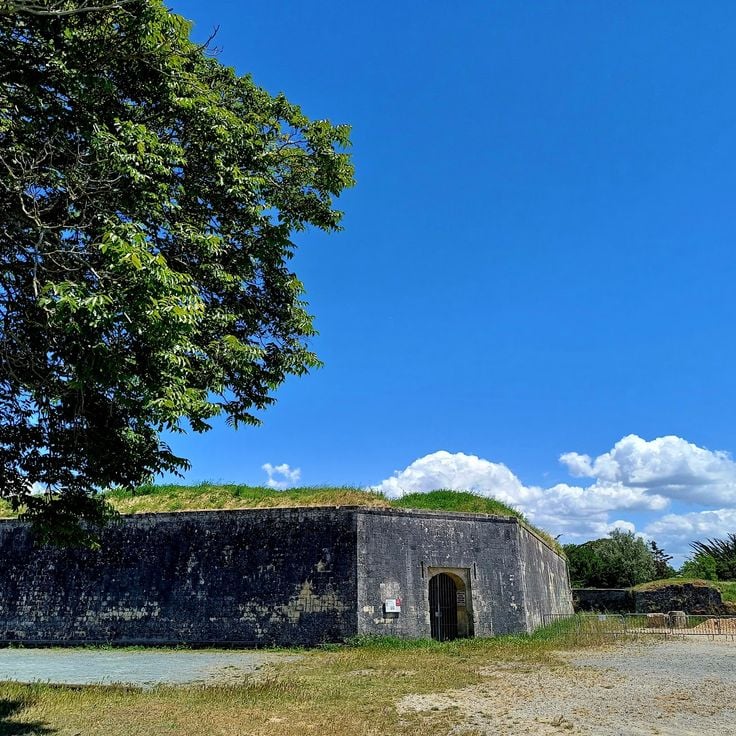
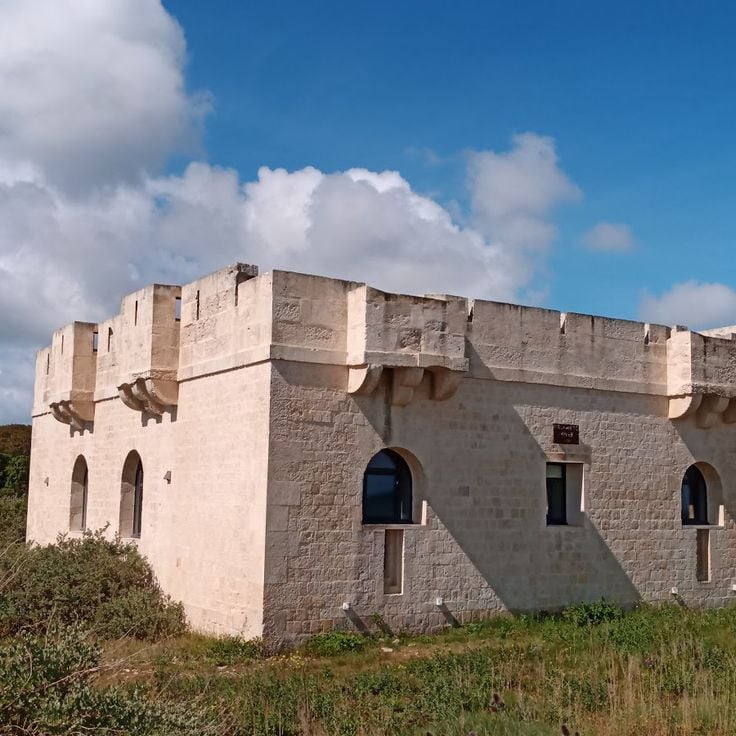
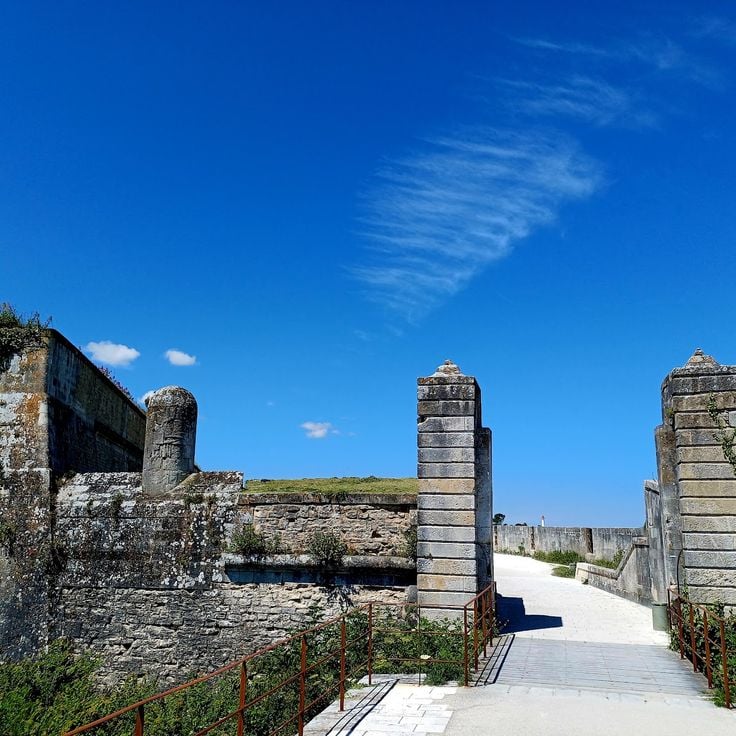
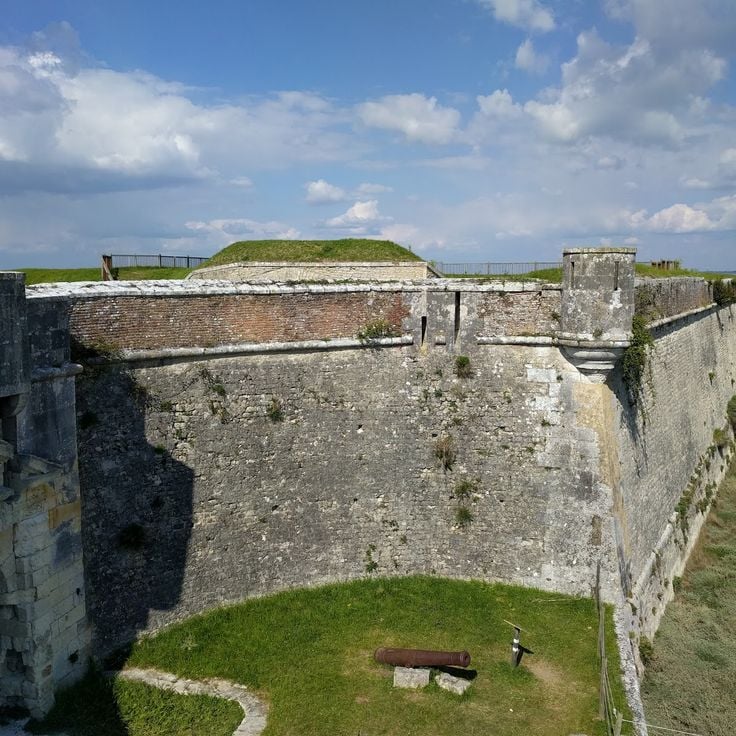
The Ancienne Batterie de Sablanceaux is a 17th-century military fort with thick stone walls, gun emplacements, and artillery platforms facing the Atlantic Ocean. This structure protected the coast of Île de Ré and reflects the island's maritime past. Visitors can walk around the well-preserved fortification and look out toward the sea. The battery tells the story of when this island needed defense against attacks from the water.
Plage de la Basse Benaie is a family beach in La Couarde-sur-Mer with a gentle slope into the water. The beach has public showers and accessible paths for people with disabilities. A lifeguard watches the swimming area during summer months.
Peu Bernard naturist beach in La Couarde-sur-Mer is a 500-meter stretch of coast along the Atlantic Ocean. The beach sits between natural dunes and the sea, sheltered by a pine forest zone. A path leads through this forest to reach the sand. It is one of the hidden places of Île de Ré that lies beyond the main destinations and reflects the island's authentic character.
Plage des Anneries stretches along the northern coast of Île de Ré and reveals the island's natural character. Fine sand and natural dunes create a habitat for local plants. From this vantage point, you look out over the Atlantic, while the tides reshape the shoreline daily. This beach embodies the coastal landscapes that have defined the island for generations.
Pointe du Grouin is a fortification from the 19th century standing above a natural beach. This structure connects military history with the coastal landscape and provides access to a quiet stretch of shore surrounded by remnants of old defensive structures. Here you can see how Loix once protected its coastline and how this place still tells the story of its past.
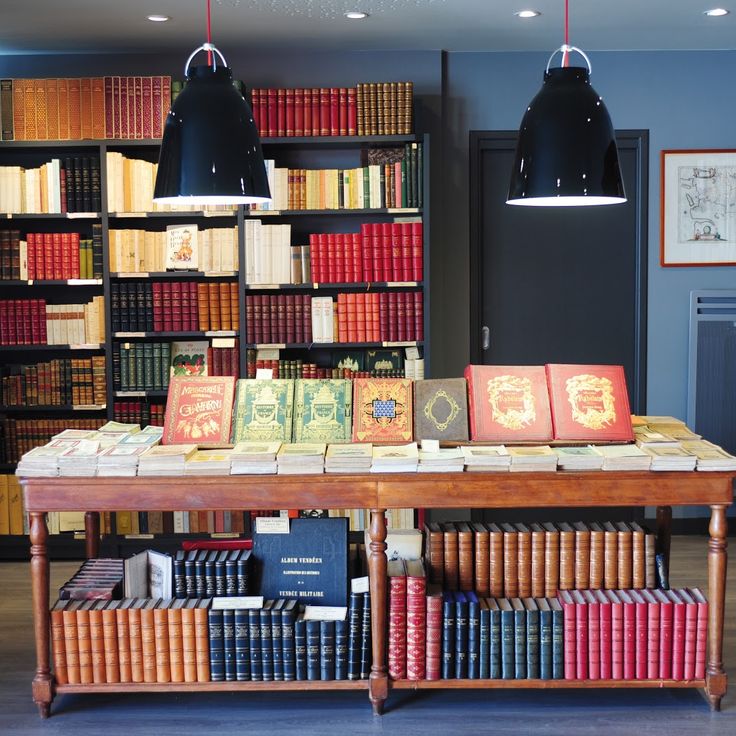
Maison Quillet is a workshop dedicated to bookbinding and the restoration of old books. Artisans here use traditional methods to work with leather and paper. Visitors can discover the different steps of the craft and observe the care given to each book.
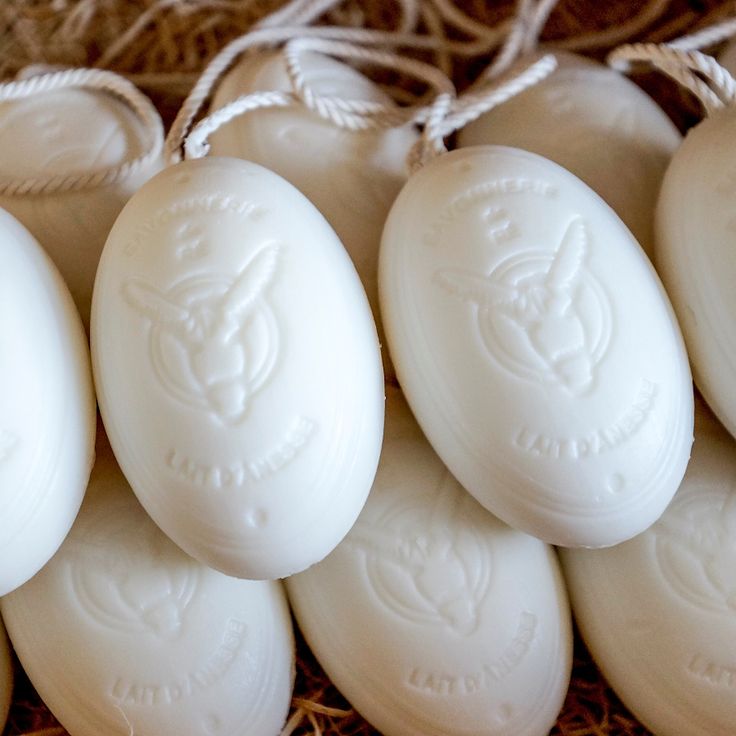
This soap workshop in Loix makes its products using traditional craft methods. The production uses regional ingredients from the island, especially sea salt from the local salt marshes and seaweed from the Atlantic. The workshop is located in the village of Loix and shows the different steps of soap making. It is one of the places on Île de Ré that keeps traditional craft techniques alive and uses regional resources.
L'Abeille de Ré is a beekeeping farm in the village of Loix that produces local honey from the island's diverse flowers. Visitors can learn how bees work and discover traditional honey-making methods. The farm sells honey along with other hive products like pollen, royal jelly, and propolis.
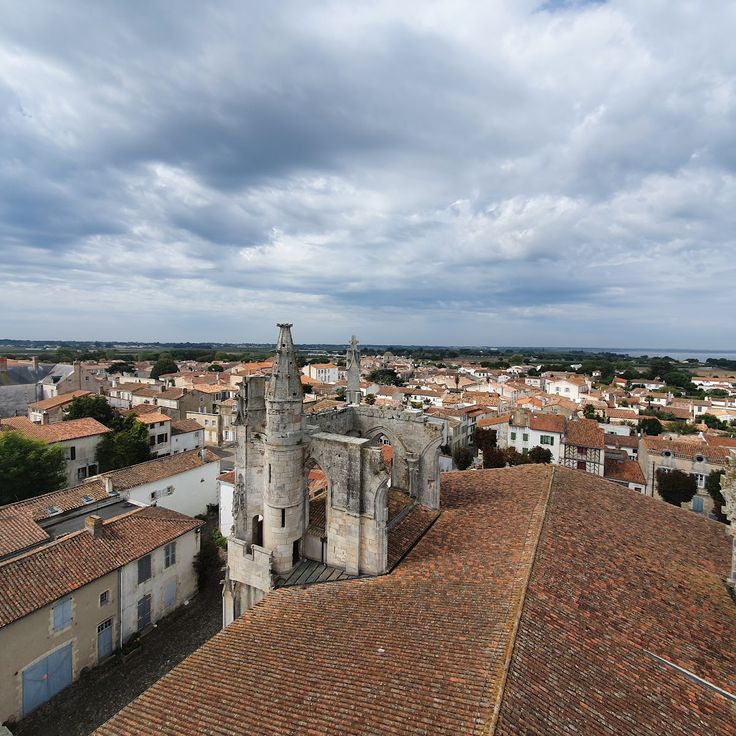
The bell tower of Saint-Martin church has been converted into an observation point where visitors can take in views of the town, harbor, and historic fortifications of Saint-Martin-de-Ré. From this elevated location, you can see across the community and the surrounding landscape.
The Citadelle Vauban is a 17th-century military fortress designed by the renowned engineer Vauban. This star-shaped fort with six bastions served as a prison from the 19th century onward and held detainees until 1938, before losing its military function. Today, the fortress is part of the UNESCO World Heritage sites and stands as one of Vauban's fortifications on Île de Ré, offering insight into the military history and fortification techniques of that era.
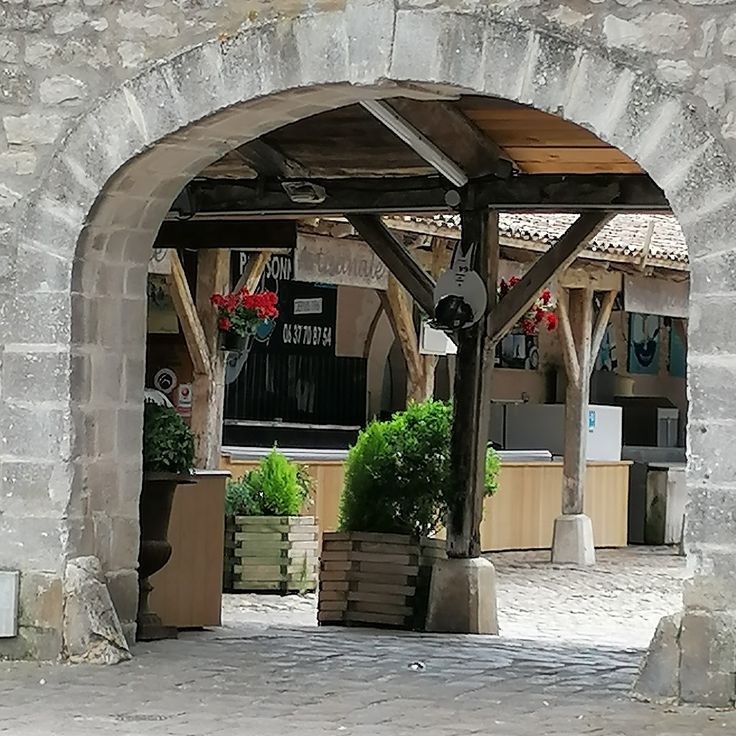
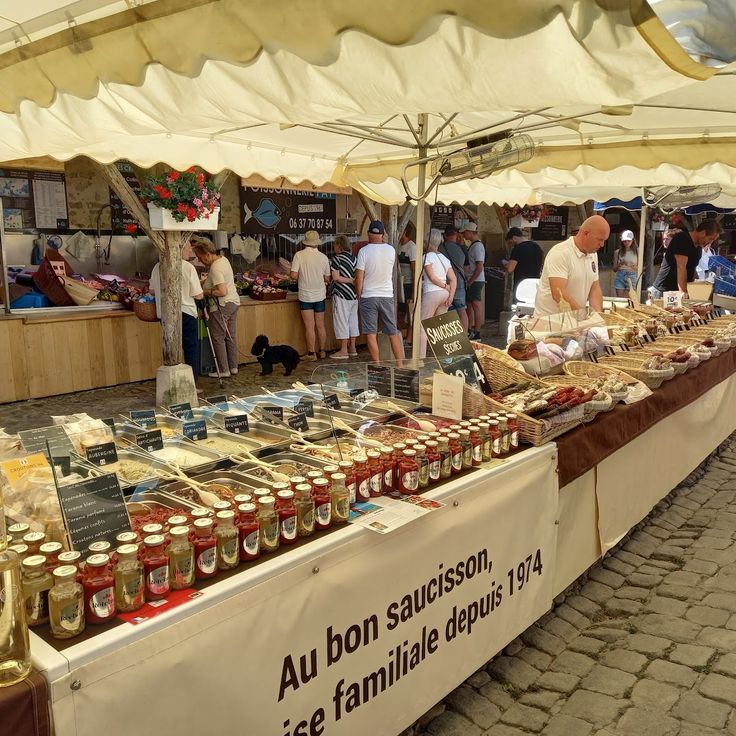
This covered market in La Flotte dates to the 13th century and features massive stone columns supporting a roof of red tiles. Every day, vendors gather here to sell fresh vegetables, fish, oysters, and local specialties from the island. The market hall stands just steps from the old harbor and remains a place where locals and visitors meet to shop and experience the everyday rhythms of island life.
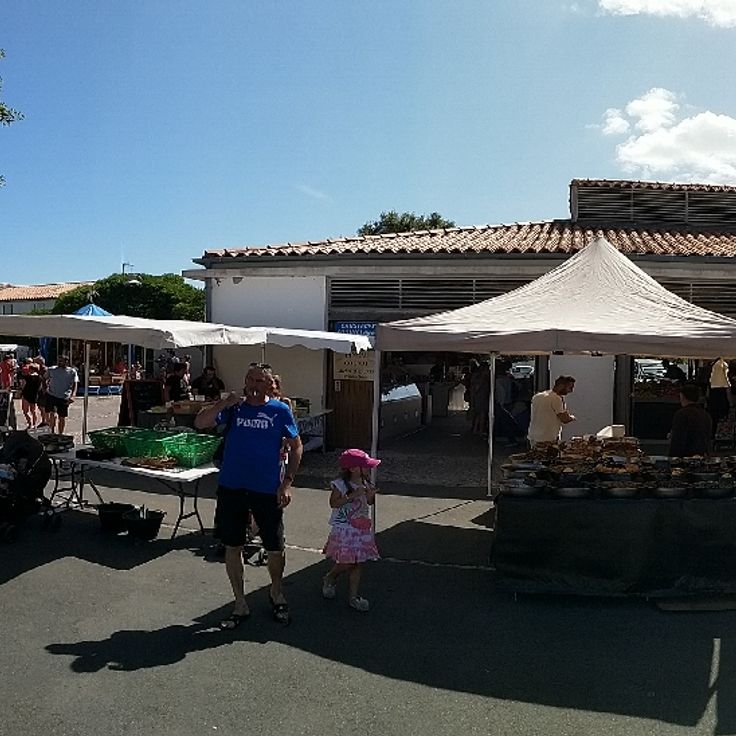
The market at Bois-Plage is part of the hidden spots on Île de Ré and operates daily. Vendors here sell fresh seafood, seasonal vegetables, local cheeses, and products that represent the island's character. You'll find oysters, potatoes, and salt from the salt marshes. The market reflects how the island's residents maintain their traditions and daily rhythms.
The Port of La Flotte is a medieval harbor on Île de Ré where traditional fishing boats dock. Along the paved quays, numerous restaurants specialize in serving fresh local seafood. This harbor represents the maritime traditions that have shaped island life for generations and connects to the wider network of fishing ports and coastal heritage found throughout Île de Ré.
The Fort de la Prée is a 17th-century military fort built on a rocky outcrop on Île de Ré. It once guarded the eastern approach to the island and protected the coast from sea-based attacks. Today you can still see the inner courtyards and defensive walls that speak to its strategic importance. The fort reveals how people of that era defended the island and how central this place was to the region's maritime history.
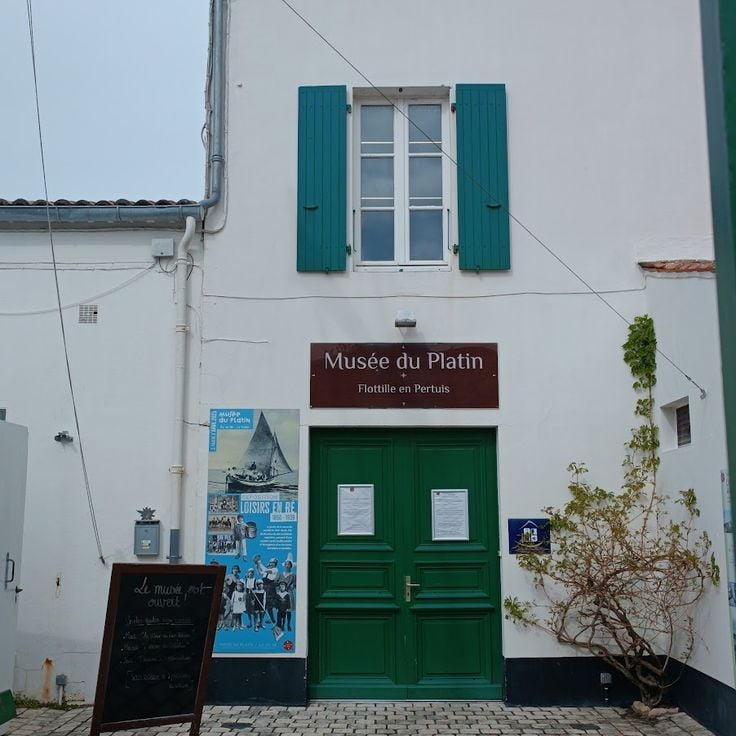
The Musée du Platin in La Flotte preserves the maritime traditions of Île de Ré through a collection of historical objects connected to fishing, navigation, and shipbuilding. The exhibition documents the lives of island inhabitants and their relationship with the sea across the centuries, contributing to the understanding of the cultural heritage that has shaped the island's identity for generations.
The beach of Trousse Chemise stretches along the coast of Les Portes-en-Ré with natural sand dunes and a pine forest behind it. A walking path runs along the shore and leads to this quiet part of the island. This beach reflects the natural landscape found throughout Île de Ré, away from the main tourist areas.
The village of Loix is located in the northern part of Île de Ré and preserves its identity as a salt-producing place. The salt marshes are still worked today and produce the characteristic white gold of the region. Narrow lanes lead to small shops that sell local products. The local museum documents the history of salt extraction and displays the tools and working methods of the salt workers.
Lilleau des Niges nature reserve in this collection is a protected space that spreads across salt marshes and mudflats. More than 300 bird species use this place for nesting and as a stopover during migration. Salt basins and open water areas provide habitat for wading birds, ducks, and herons that you can observe throughout the seasons.
Port du Fier d'Ars keeps its traditional fishing activity alive with small boats moored at the quays. Typical houses with white facades and green shutters line the harbor basin, giving this place its distinctive character on the Île de Ré. You can watch fishermen at work and feel the daily rhythm of a working harbor that has changed little over time.
Ferme des Baleines sits near the lighthouse of Saint-Clément and combines agriculture with shellfish farming. This farm produces local goods and raises various species of shellfish and crustaceans. Visitors can learn about the processing methods and purchase regional products made from island production.
Plage des Grenettes sits on the north coast of Île de Ré and offers surfers regular waves generated by its exposed position on the Atlantic. This beach has fine sand and is appreciated by water sports enthusiasts for its stable conditions. It is part of the island's hidden places, where natural dunes and coastal activities shape daily life.
Plage du Petit Sergent is a sandy beach along the Atlantic coast in La Couarde-sur-Mer, featuring fine sand stretching along the shoreline. A footpath runs parallel to the sea, providing direct access to this section of coast. This beach is part of the hidden places found on Île de Ré beyond its main attractions. Here, visitors find a quieter side of the island, away from the crowds, where the natural landscape remains largely unchanged.
The Phare des Baleines stands at the western tip of Île de Ré and offers views over the Atlantic Ocean and the coastal landscape. Built in 1854, the lighthouse has 257 steps leading to its top. Beside the main tower sits an older lighthouse from the 17th century, and a museum tells the story of navigation and maritime activity in the region.
The Salt Museum in Loix tells the story of how salt was harvested on the Île de Ré over many years. Inside, you see the tools salt workers used and learn how the salt marshes operated. The exhibits show why this work was so important to the region and how families built their lives around this trade.
Plage du Canot de Sauvetage is a sandy beach located near the center of La Couarde-sur-Mer, featuring a lifeguard station during summer months. The beach sits about 200 meters from restaurants and shops in the town center. This beach fits into the maritime traditions of Île de Ré, where shores like this one display natural dunes and conditions suitable for water sports.
Conche des Baleines beach stretches along the southwestern coast of Île de Ré for several kilometers. Maritime pines grow along the shore, giving the place its character. Marked trails lead through the trees to different sections of the beach. The water here is relatively calm, sheltered from strong waves. Natural sand dunes cover parts of the shore, with beach grasses and other plants growing on them. Many people come to swim or take walks along the water.
Plage du Petit Bec sits at the northern tip of Île de Ré and looks out toward the Vendée coast. From this natural beach, you can watch merchant ships and ferries heading toward the port of La Rochelle. This spot offers a quiet place to observe the maritime traffic moving through the Pertuis Breton strait.
Redoute Beach stretches at the foot of the fort of the same name, a military installation from the 17th century built to defend the island's access. This sandy beach offers a direct view of the historic fortification and sits just next to the port of Rivedoux-Plage. The beach is part of the hidden spots of Île de Ré, where history and nature meet.
La Loge Beach sits at the northern tip of Île de Ré, between the Atlantic Ocean and the Fier d'Ars bay. This beach is characterized by fine sand that extends along a coastline shaped by tidal movements. The location attracts walkers and nature watchers seeking a quiet place to explore.
The Anse du Fourneau beach is one of the hidden places on Île de Ré, nestled in a natural cove surrounded by maritime pines. The fine sand and gentle entry into the water make this spot a pleasant swimming place away from crowds. This beach reflects the maritime heritage of the island and shows the natural landscapes that have shaped the island's identity for generations.
The Gouillauds dune is part of the public coastal domain of Île de Ré and runs along the shoreline. Plants adapted to sandy and salty soils grow in this area. The dune protects the coast from erosion caused by wind and waves, helping to keep the beach stable.
The Port Notre-Dame Beach extends for several hundred meters along the northern coast of the island. Fine sand borders the vast salt marshes that characterize this region. Its northern orientation provides natural protection from the dominant western winds and allows for calmer swimming than on the island's southern beaches.
The Ancienne Batterie de Sablanceaux is a 17th-century military fort with thick stone walls, gun emplacements, and artillery platforms facing the Atlantic Ocean. This structure protected the coast of Île de Ré and reflects the island's maritime past. Visitors can walk around the well-preserved fortification and look out toward the sea. The battery tells the story of when this island needed defense against attacks from the water.
Plage de la Basse Benaie is a family beach in La Couarde-sur-Mer with a gentle slope into the water. The beach has public showers and accessible paths for people with disabilities. A lifeguard watches the swimming area during summer months.
Peu Bernard naturist beach in La Couarde-sur-Mer is a 500-meter stretch of coast along the Atlantic Ocean. The beach sits between natural dunes and the sea, sheltered by a pine forest zone. A path leads through this forest to reach the sand. It is one of the hidden places of Île de Ré that lies beyond the main destinations and reflects the island's authentic character.
Plage des Anneries stretches along the northern coast of Île de Ré and reveals the island's natural character. Fine sand and natural dunes create a habitat for local plants. From this vantage point, you look out over the Atlantic, while the tides reshape the shoreline daily. This beach embodies the coastal landscapes that have defined the island for generations.
Pointe du Grouin is a fortification from the 19th century standing above a natural beach. This structure connects military history with the coastal landscape and provides access to a quiet stretch of shore surrounded by remnants of old defensive structures. Here you can see how Loix once protected its coastline and how this place still tells the story of its past.
Maison Quillet is a workshop dedicated to bookbinding and the restoration of old books. Artisans here use traditional methods to work with leather and paper. Visitors can discover the different steps of the craft and observe the care given to each book.
This soap workshop in Loix makes its products using traditional craft methods. The production uses regional ingredients from the island, especially sea salt from the local salt marshes and seaweed from the Atlantic. The workshop is located in the village of Loix and shows the different steps of soap making. It is one of the places on Île de Ré that keeps traditional craft techniques alive and uses regional resources.
L'Abeille de Ré is a beekeeping farm in the village of Loix that produces local honey from the island's diverse flowers. Visitors can learn how bees work and discover traditional honey-making methods. The farm sells honey along with other hive products like pollen, royal jelly, and propolis.
The bell tower of Saint-Martin church has been converted into an observation point where visitors can take in views of the town, harbor, and historic fortifications of Saint-Martin-de-Ré. From this elevated location, you can see across the community and the surrounding landscape.
The Citadelle Vauban is a 17th-century military fortress designed by the renowned engineer Vauban. This star-shaped fort with six bastions served as a prison from the 19th century onward and held detainees until 1938, before losing its military function. Today, the fortress is part of the UNESCO World Heritage sites and stands as one of Vauban's fortifications on Île de Ré, offering insight into the military history and fortification techniques of that era.
This covered market in La Flotte dates to the 13th century and features massive stone columns supporting a roof of red tiles. Every day, vendors gather here to sell fresh vegetables, fish, oysters, and local specialties from the island. The market hall stands just steps from the old harbor and remains a place where locals and visitors meet to shop and experience the everyday rhythms of island life.
The market at Bois-Plage is part of the hidden spots on Île de Ré and operates daily. Vendors here sell fresh seafood, seasonal vegetables, local cheeses, and products that represent the island's character. You'll find oysters, potatoes, and salt from the salt marshes. The market reflects how the island's residents maintain their traditions and daily rhythms.
The Port of La Flotte is a medieval harbor on Île de Ré where traditional fishing boats dock. Along the paved quays, numerous restaurants specialize in serving fresh local seafood. This harbor represents the maritime traditions that have shaped island life for generations and connects to the wider network of fishing ports and coastal heritage found throughout Île de Ré.
The Fort de la Prée is a 17th-century military fort built on a rocky outcrop on Île de Ré. It once guarded the eastern approach to the island and protected the coast from sea-based attacks. Today you can still see the inner courtyards and defensive walls that speak to its strategic importance. The fort reveals how people of that era defended the island and how central this place was to the region's maritime history.
The Musée du Platin in La Flotte preserves the maritime traditions of Île de Ré through a collection of historical objects connected to fishing, navigation, and shipbuilding. The exhibition documents the lives of island inhabitants and their relationship with the sea across the centuries, contributing to the understanding of the cultural heritage that has shaped the island's identity for generations.
The beach of Trousse Chemise stretches along the coast of Les Portes-en-Ré with natural sand dunes and a pine forest behind it. A walking path runs along the shore and leads to this quiet part of the island. This beach reflects the natural landscape found throughout Île de Ré, away from the main tourist areas.
The village of Loix is located in the northern part of Île de Ré and preserves its identity as a salt-producing place. The salt marshes are still worked today and produce the characteristic white gold of the region. Narrow lanes lead to small shops that sell local products. The local museum documents the history of salt extraction and displays the tools and working methods of the salt workers.
Lilleau des Niges nature reserve in this collection is a protected space that spreads across salt marshes and mudflats. More than 300 bird species use this place for nesting and as a stopover during migration. Salt basins and open water areas provide habitat for wading birds, ducks, and herons that you can observe throughout the seasons.
Port du Fier d'Ars keeps its traditional fishing activity alive with small boats moored at the quays. Typical houses with white facades and green shutters line the harbor basin, giving this place its distinctive character on the Île de Ré. You can watch fishermen at work and feel the daily rhythm of a working harbor that has changed little over time.
Ferme des Baleines sits near the lighthouse of Saint-Clément and combines agriculture with shellfish farming. This farm produces local goods and raises various species of shellfish and crustaceans. Visitors can learn about the processing methods and purchase regional products made from island production.
Plage des Grenettes sits on the north coast of Île de Ré and offers surfers regular waves generated by its exposed position on the Atlantic. This beach has fine sand and is appreciated by water sports enthusiasts for its stable conditions. It is part of the island's hidden places, where natural dunes and coastal activities shape daily life.
Plage du Petit Sergent is a sandy beach along the Atlantic coast in La Couarde-sur-Mer, featuring fine sand stretching along the shoreline. A footpath runs parallel to the sea, providing direct access to this section of coast. This beach is part of the hidden places found on Île de Ré beyond its main attractions. Here, visitors find a quieter side of the island, away from the crowds, where the natural landscape remains largely unchanged.
The Phare des Baleines stands at the western tip of Île de Ré and offers views over the Atlantic Ocean and the coastal landscape. Built in 1854, the lighthouse has 257 steps leading to its top. Beside the main tower sits an older lighthouse from the 17th century, and a museum tells the story of navigation and maritime activity in the region.
The Salt Museum in Loix tells the story of how salt was harvested on the Île de Ré over many years. Inside, you see the tools salt workers used and learn how the salt marshes operated. The exhibits show why this work was so important to the region and how families built their lives around this trade.
Plage du Canot de Sauvetage is a sandy beach located near the center of La Couarde-sur-Mer, featuring a lifeguard station during summer months. The beach sits about 200 meters from restaurants and shops in the town center. This beach fits into the maritime traditions of Île de Ré, where shores like this one display natural dunes and conditions suitable for water sports.
Conche des Baleines beach stretches along the southwestern coast of Île de Ré for several kilometers. Maritime pines grow along the shore, giving the place its character. Marked trails lead through the trees to different sections of the beach. The water here is relatively calm, sheltered from strong waves. Natural sand dunes cover parts of the shore, with beach grasses and other plants growing on them. Many people come to swim or take walks along the water.
Plage du Petit Bec sits at the northern tip of Île de Ré and looks out toward the Vendée coast. From this natural beach, you can watch merchant ships and ferries heading toward the port of La Rochelle. This spot offers a quiet place to observe the maritime traffic moving through the Pertuis Breton strait.
Redoute Beach stretches at the foot of the fort of the same name, a military installation from the 17th century built to defend the island's access. This sandy beach offers a direct view of the historic fortification and sits just next to the port of Rivedoux-Plage. The beach is part of the hidden spots of Île de Ré, where history and nature meet.
La Loge Beach sits at the northern tip of Île de Ré, between the Atlantic Ocean and the Fier d'Ars bay. This beach is characterized by fine sand that extends along a coastline shaped by tidal movements. The location attracts walkers and nature watchers seeking a quiet place to explore.
The Anse du Fourneau beach is one of the hidden places on Île de Ré, nestled in a natural cove surrounded by maritime pines. The fine sand and gentle entry into the water make this spot a pleasant swimming place away from crowds. This beach reflects the maritime heritage of the island and shows the natural landscapes that have shaped the island's identity for generations.
The Gouillauds dune is part of the public coastal domain of Île de Ré and runs along the shoreline. Plants adapted to sandy and salty soils grow in this area. The dune protects the coast from erosion caused by wind and waves, helping to keep the beach stable.
The Port Notre-Dame Beach extends for several hundred meters along the northern coast of the island. Fine sand borders the vast salt marshes that characterize this region. Its northern orientation provides natural protection from the dominant western winds and allows for calmer swimming than on the island's southern beaches.
The Ancienne Batterie de Sablanceaux is a 17th-century military fort with thick stone walls, gun emplacements, and artillery platforms facing the Atlantic Ocean. This structure protected the coast of Île de Ré and reflects the island's maritime past. Visitors can walk around the well-preserved fortification and look out toward the sea. The battery tells the story of when this island needed defense against attacks from the water.
Plage de la Basse Benaie is a family beach in La Couarde-sur-Mer with a gentle slope into the water. The beach has public showers and accessible paths for people with disabilities. A lifeguard watches the swimming area during summer months.
Peu Bernard naturist beach in La Couarde-sur-Mer is a 500-meter stretch of coast along the Atlantic Ocean. The beach sits between natural dunes and the sea, sheltered by a pine forest zone. A path leads through this forest to reach the sand. It is one of the hidden places of Île de Ré that lies beyond the main destinations and reflects the island's authentic character.
Plage des Anneries stretches along the northern coast of Île de Ré and reveals the island's natural character. Fine sand and natural dunes create a habitat for local plants. From this vantage point, you look out over the Atlantic, while the tides reshape the shoreline daily. This beach embodies the coastal landscapes that have defined the island for generations.
Pointe du Grouin is a fortification from the 19th century standing above a natural beach. This structure connects military history with the coastal landscape and provides access to a quiet stretch of shore surrounded by remnants of old defensive structures. Here you can see how Loix once protected its coastline and how this place still tells the story of its past.
Maison Quillet is a workshop dedicated to bookbinding and the restoration of old books. Artisans here use traditional methods to work with leather and paper. Visitors can discover the different steps of the craft and observe the care given to each book.
This soap workshop in Loix makes its products using traditional craft methods. The production uses regional ingredients from the island, especially sea salt from the local salt marshes and seaweed from the Atlantic. The workshop is located in the village of Loix and shows the different steps of soap making. It is one of the places on Île de Ré that keeps traditional craft techniques alive and uses regional resources.
L'Abeille de Ré is a beekeeping farm in the village of Loix that produces local honey from the island's diverse flowers. Visitors can learn how bees work and discover traditional honey-making methods. The farm sells honey along with other hive products like pollen, royal jelly, and propolis.
The bell tower of Saint-Martin church has been converted into an observation point where visitors can take in views of the town, harbor, and historic fortifications of Saint-Martin-de-Ré. From this elevated location, you can see across the community and the surrounding landscape.
The Citadelle Vauban is a 17th-century military fortress designed by the renowned engineer Vauban. This star-shaped fort with six bastions served as a prison from the 19th century onward and held detainees until 1938, before losing its military function. Today, the fortress is part of the UNESCO World Heritage sites and stands as one of Vauban's fortifications on Île de Ré, offering insight into the military history and fortification techniques of that era.
This covered market in La Flotte dates to the 13th century and features massive stone columns supporting a roof of red tiles. Every day, vendors gather here to sell fresh vegetables, fish, oysters, and local specialties from the island. The market hall stands just steps from the old harbor and remains a place where locals and visitors meet to shop and experience the everyday rhythms of island life.
The market at Bois-Plage is part of the hidden spots on Île de Ré and operates daily. Vendors here sell fresh seafood, seasonal vegetables, local cheeses, and products that represent the island's character. You'll find oysters, potatoes, and salt from the salt marshes. The market reflects how the island's residents maintain their traditions and daily rhythms.
The Port of La Flotte is a medieval harbor on Île de Ré where traditional fishing boats dock. Along the paved quays, numerous restaurants specialize in serving fresh local seafood. This harbor represents the maritime traditions that have shaped island life for generations and connects to the wider network of fishing ports and coastal heritage found throughout Île de Ré.
The Fort de la Prée is a 17th-century military fort built on a rocky outcrop on Île de Ré. It once guarded the eastern approach to the island and protected the coast from sea-based attacks. Today you can still see the inner courtyards and defensive walls that speak to its strategic importance. The fort reveals how people of that era defended the island and how central this place was to the region's maritime history.
The Musée du Platin in La Flotte preserves the maritime traditions of Île de Ré through a collection of historical objects connected to fishing, navigation, and shipbuilding. The exhibition documents the lives of island inhabitants and their relationship with the sea across the centuries, contributing to the understanding of the cultural heritage that has shaped the island's identity for generations.