See the monuments around you in AROpen chests in the app
Around Us is built for your phone — point your camera at the streets and discover the monuments and places around you in augmented reality.Around Us is built for your phone — chests unlock when you walk, explore and capture nearby places.
Things to do in La Rochelle and its surroundings with family
La Rochelle and its surroundings offer families a range of activities along the French Atlantic coast. The city itself holds several attractions, including the aquarium with over 12,000 marine animals, medieval towers at the Old Port, and various museums such as the Maritime Museum and the New World Museum. Visitors can walk through the historic center with its Grosse Horloge and Saint-Louis Cathedral or explore the beaches at La Concurrence and Minimes. Port des Minimes provides access to boat trips, while parks like Charruyer Park offer green spaces for relaxation.
The region extends to the offshore islands of Île de Ré and Île d'Oléron with their beaches and the Phare des Baleines lighthouse. Inland, attractions include La Palmyre Zoo with over 1,600 animals, Zoodyssée in Chizé, and Court d'Aron floral park in Saint-Cyr-en-Talmondais. History enthusiasts can visit the Corderie Royale and naval museum in Rochefort, while Fort Boyard stands as a recognizable landmark off the coast. Natural areas like Pierre Brune park near Mervent and the Rompsay Canal round out the offerings with walking trails and water activities.
Things to do in La Rochelle and its surroundings with family
La Rochelle and its surroundings offer families a range of activities along the French Atlantic coast. The city itself holds several attractions, including the aquarium with over 12,000 marine animals, medieval towers at the Old Port, and various museums such as the Maritime Museum and the New World Museum. Visitors can walk through the historic center with its Grosse Horloge and Saint-Louis Cathedral or explore the beaches at La Concurrence and Minimes. Port des Minimes provides access to boat trips, while parks like Charruyer Park offer green spaces for relaxation.
The region extends to the offshore islands of Île de Ré and Île d'Oléron with their beaches and the Phare des Baleines lighthouse. Inland, attractions include La Palmyre Zoo with over 1,600 animals, Zoodyssée in Chizé, and Court d'Aron floral park in Saint-Cyr-en-Talmondais. History enthusiasts can visit the Corderie Royale and naval museum in Rochefort, while Fort Boyard stands as a recognizable landmark off the coast. Natural areas like Pierre Brune park near Mervent and the Rompsay Canal round out the offerings with walking trails and water activities.
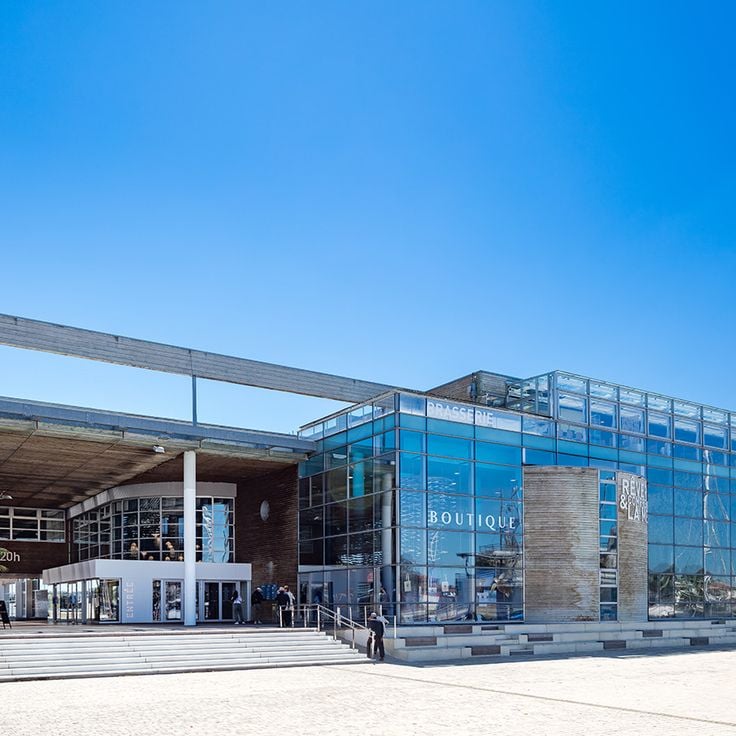
This aquarium houses over 12,000 marine animals across 80 tanks spread over three floors. Families can observe sharks, sea turtles, jellyfish, and hundreds of fish species from oceans around the world. The facility provides educational panels about marine ecosystems and biodiversity, while a circuit guides visitors through different thematic zones, from Atlantic waters to tropical environments. The visit typically takes around two hours and allows children of all ages to discover underwater life and learn about ocean conservation efforts.
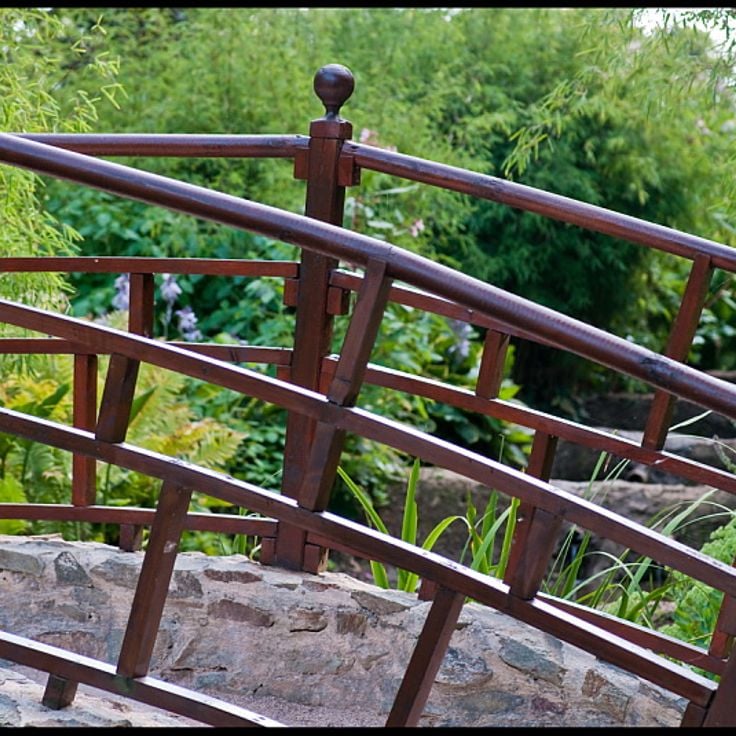
This 17-acre (7-hectare) landscaped estate displays extensive collections of rhododendrons, azaleas, camellias, and magnolias spread across manicured gardens with water features. Court d'Aron provides a suitable outing for families exploring the La Rochelle region who appreciate a quiet environment with botanical variety. The grounds offer walking paths through different garden sections where children can discover nature and adults can examine the plant collections. The park sits about 25 miles (40 kilometers) south of La Rochelle in Saint-Cyr-en-Talmondais.
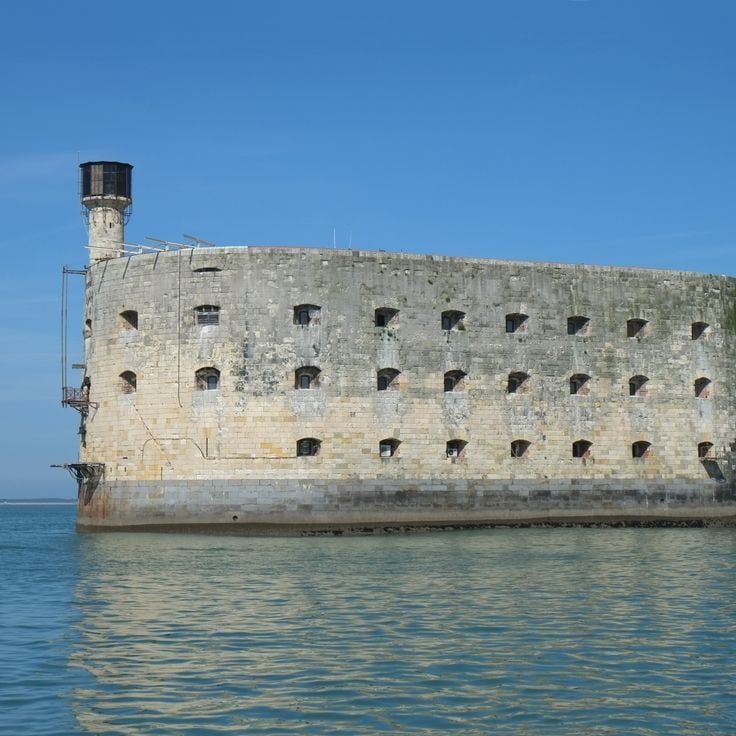
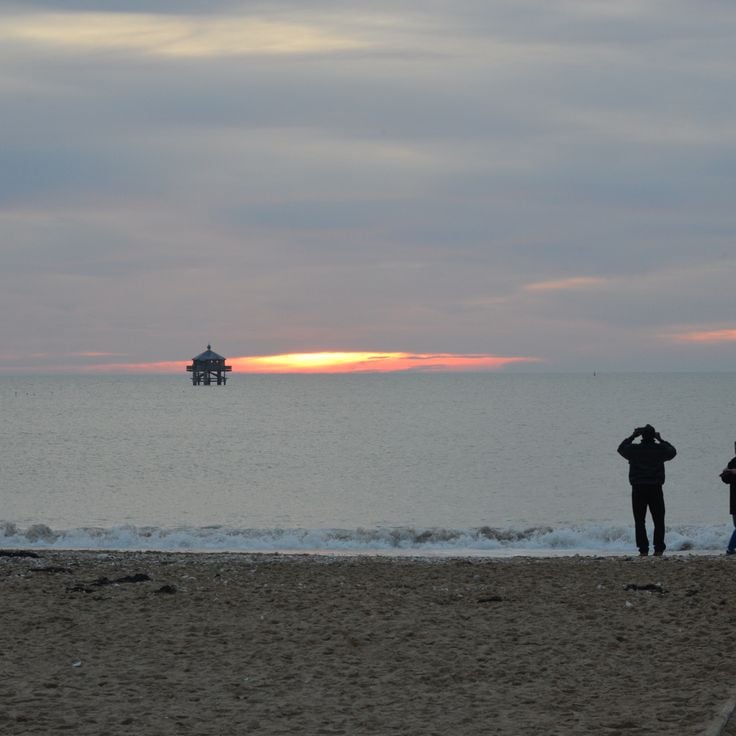
This military fortification was built between 1804 and 1857 in the Atlantic Ocean and has become one of the most recognized landmarks near La Rochelle. Fort Boyard sits on a sandbank between Île d'Aix and Île d'Oléron and was originally constructed to protect access to the Charente River and the naval arsenal at Rochefort. The oval structure measures 223 feet (68 meters) long and 102 feet (31 meters) wide. Since the 1990s, the fort has gained international recognition through a French television game show. Families can view this fortification up close during boat tours departing from nearby ports, though landing on the fort itself is not permitted.
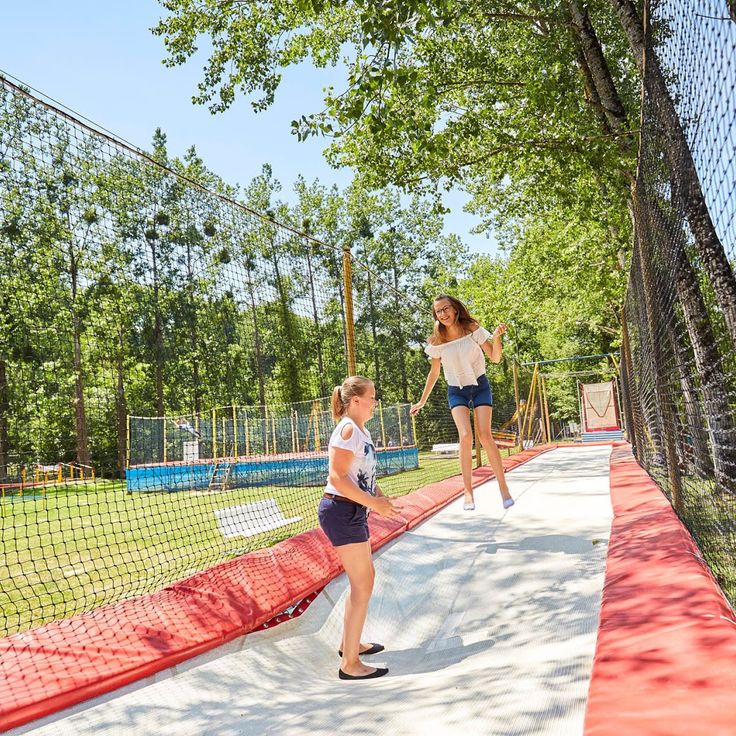
This amusement park in the Mervent forest covers 5 hectares (12 acres) and features rides, inflatable structures and games designed for children. Located about 50 miles southeast of La Rochelle, Pierre Brune Park provides a day trip option for families seeking outdoor activities in a woodland setting. The park combines physical play equipment with the natural surroundings and adds to the area's recreational offerings with a venue for active entertainment.
This conservation center occupies a 75-acre (30-hectare) forest park where families can observe more than 800 European animals along marked trails. The grounds feature naturalistic enclosures housing wolves, lynx, deer and other native species. As a complement to the coastal attractions of La Rochelle, Zoodyssée offers children and adults an opportunity to learn about European fauna and conservation efforts. Located about 45 miles (70 kilometers) southeast of La Rochelle, the park makes a practical day trip for families exploring the region.
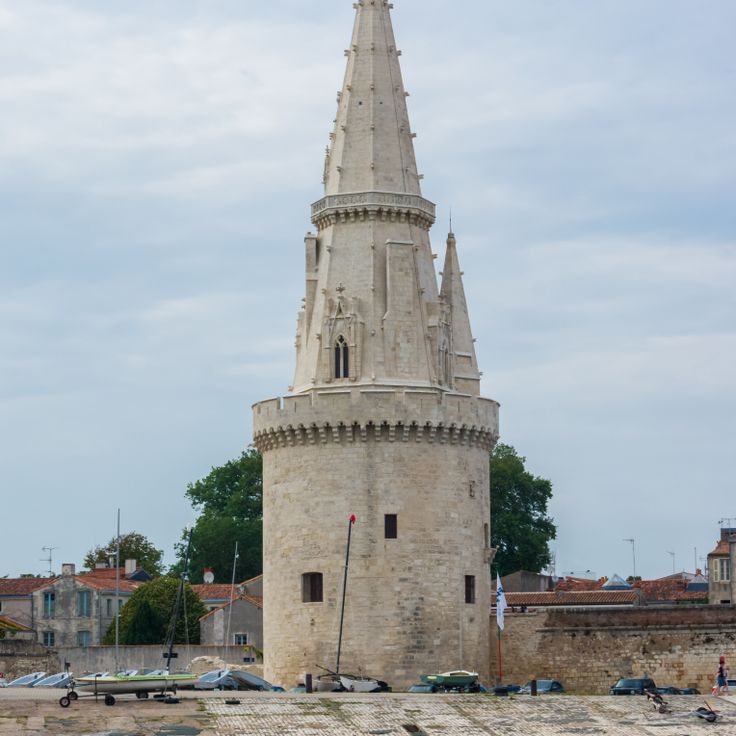
These three medieval towers from the 14th and 15th centuries guard the entrance to La Rochelle's harbor and rank among the city's most recognizable landmarks. The Tour Saint-Nicolas rises to 138 feet (42 meters) and served as a defensive fortress, while the Tour de la Chaîne across the harbor was connected by a massive chain that sealed the port at night. The Tour de la Lanterne, also called the Garderobe, functioned as both a lighthouse and prison. Families can climb the towers, explore exhibitions on maritime history, and take in views of the old port and Île de Ré from the platforms. The fortifications provide children with a clear understanding of the medieval defense system that protected this important harbor city.
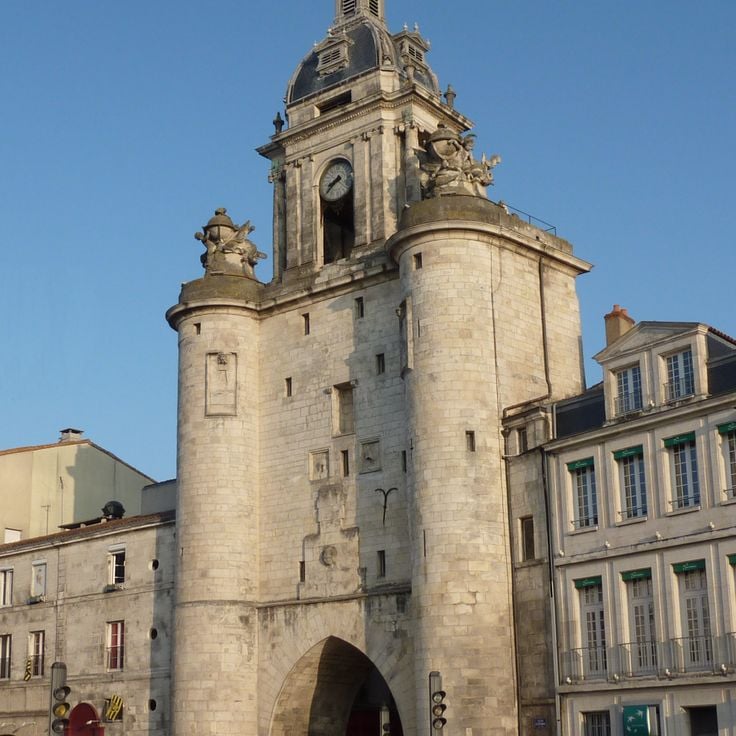
This medieval urban gate from the 14th century marks the passage between La Rochelle's Old Port and the historic city center. The upper section houses an 18th-century clock mechanism that still operates today. The archway beneath served for centuries as the main connection for merchants and sailors moving between the harbor quays and the trading houses of the inner city. Families with children can observe the structure's architecture from the Old Port and understand the city's history as a major Atlantic port. The gate sits along the route connecting several old town landmarks and provides a practical orientation point for visitors.
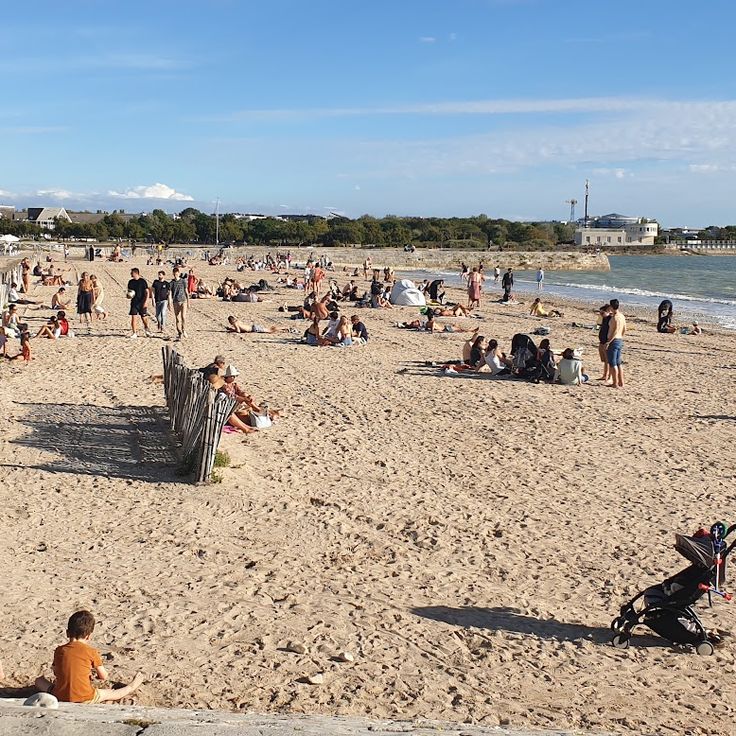
This 250-meter sandy beach sits 10 minutes from the city center and provides families with a practical seaside spot offering views of the port and towers of La Rochelle. The location makes it a convenient option for families dividing their day between city exploration and beach time. The beach forms part of the maritime landscape that defines La Rochelle, allowing children to unwind after visiting nearby attractions such as the Aquarium or medieval Towers. Proximity to the port means visitors can watch boat activity while spending time on the sand. The setting offers a direct connection to the coastal identity of the region.
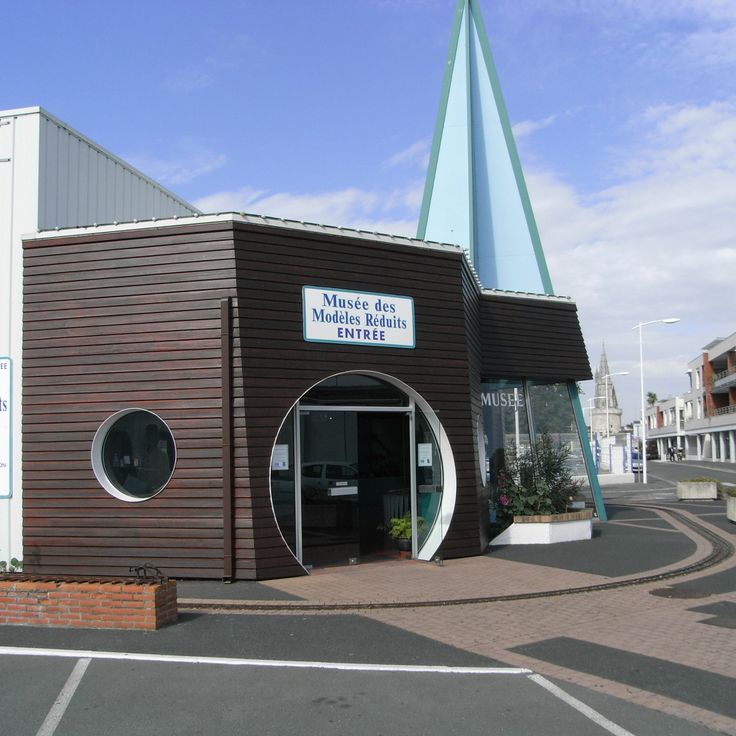
This museum in La Rochelle houses a permanent collection of 300 mechanical figures that perform automated movements in various scenarios. The exhibition includes train models and miniature railway networks that particularly engage younger visitors. The mechanical automata represent different periods and demonstrate traditional craftsmanship techniques. The museum complements the family activities available in La Rochelle and its surroundings, which also include the Aquarium with its 12,000 marine animals, the medieval Towers, and several thematic museums exploring maritime history and regional heritage.
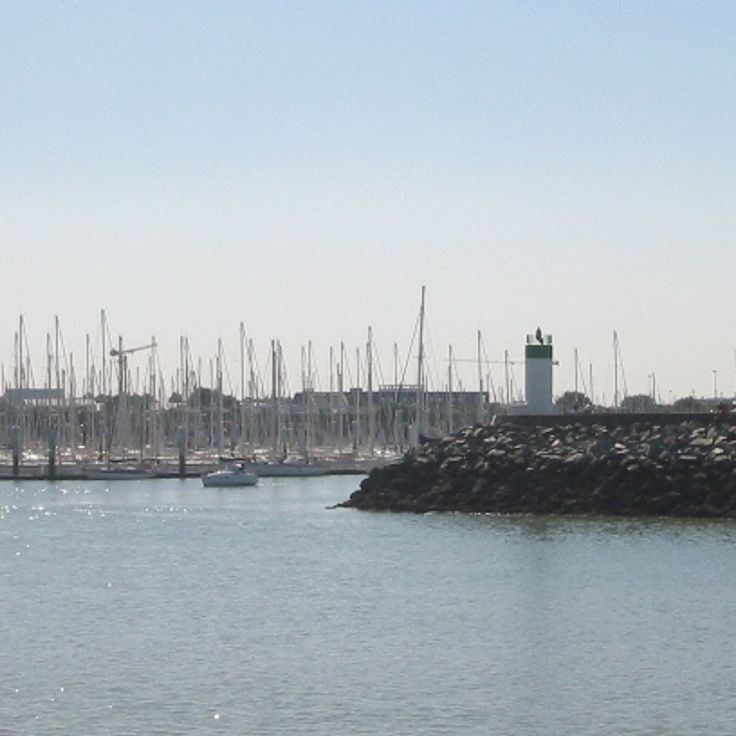
This marina spans 70 hectares (170 acres) with 5,000 mooring spaces, nautical shops, restaurants, and sailing schools. Port des Minimes ranks among Europe's largest marinas and offers families the chance to experience La Rochelle's maritime environment, watch sailboats, and walk along the quays while children observe the numerous vessels. The harbor sits about 2 miles (3 kilometers) from the historic city center and is accessible by bicycle or bus.
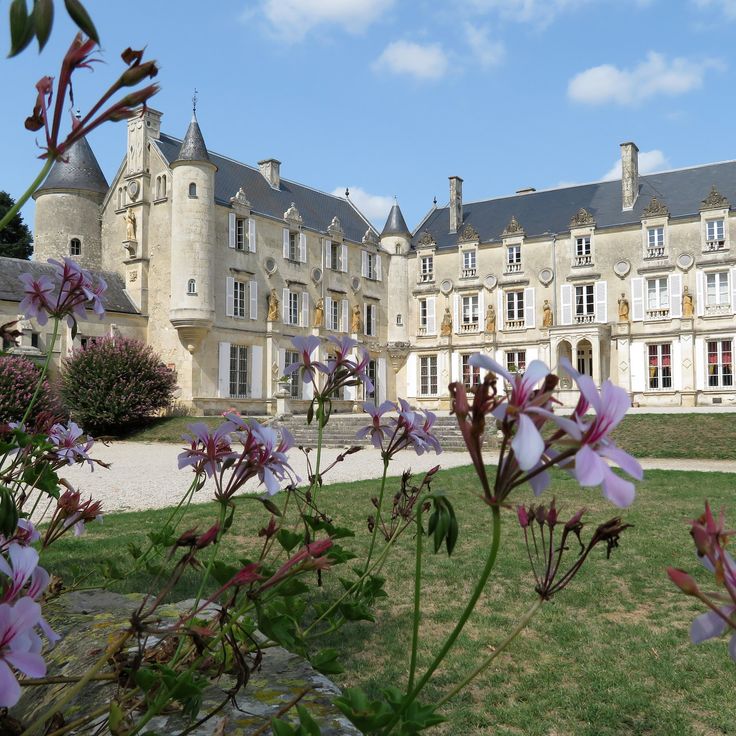
This Renaissance castle in Fontenay-le-Comte dates from the 16th century and displays carved ceilings, monumental fireplaces and period furniture. The architecture illustrates the transition between medieval fortress design and Renaissance comfort. Families can explore the various rooms, discover historical details and gain insight into the life of French nobility during this period of change. Located about 30 miles east of La Rochelle, the castle offers an excursion into the regional history of the Vendée.
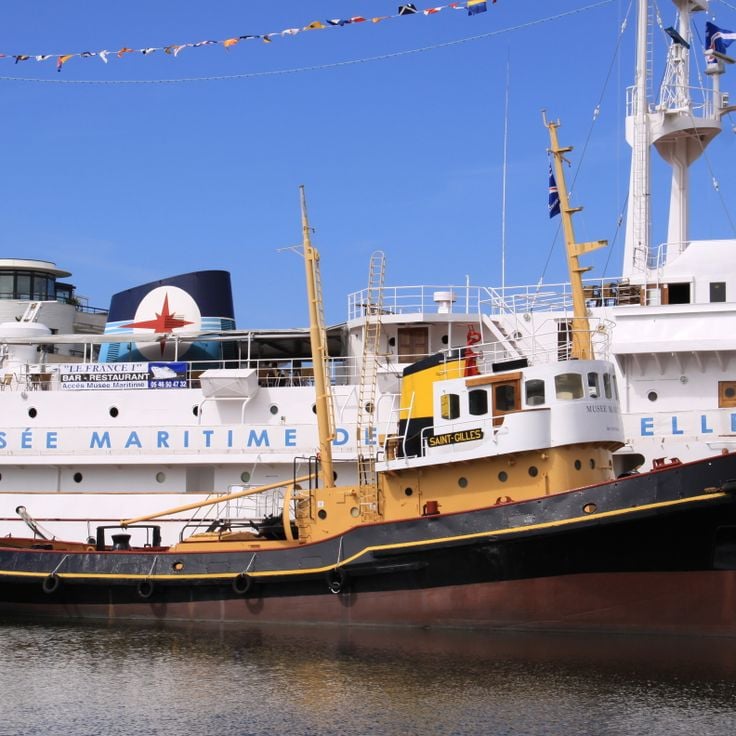
This museum in the former trawler basin displays antique boats, navigation instruments and objects documenting La Rochelle's maritime history, offering families a detailed look at the city's centuries-long relationship with the sea. The collection includes historic fishing vessels, merchant ships and equipment tracing the port's development from medieval times to the present day. Interactive exhibits help children and adults understand the role of seafaring in shaping the region's economic and cultural identity.
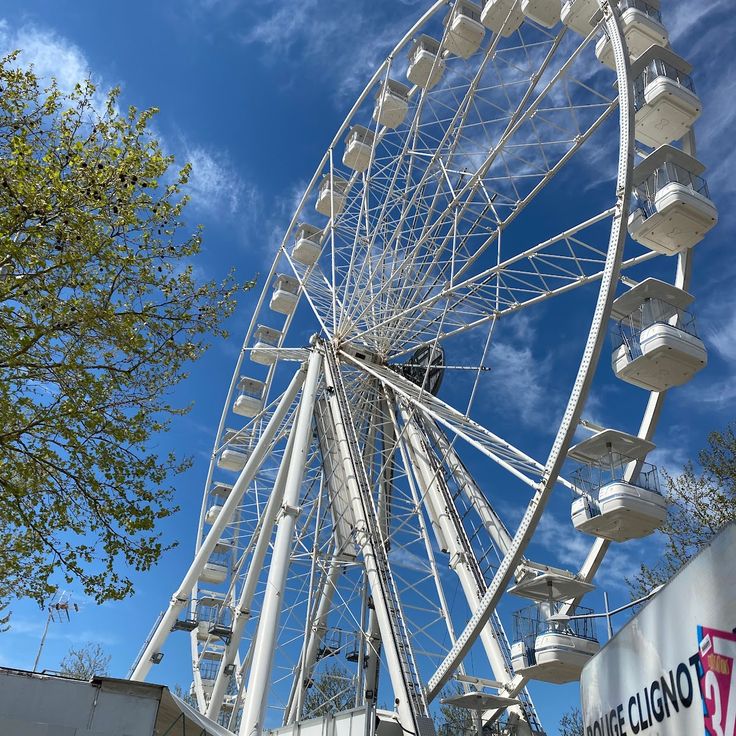
The Big Wheel at the Old Port provides views of La Rochelle and the coastline from 165 feet (50 meters) during a ten-minute ride. This attraction adds to the family activities in the region and allows an overview of the city, its medieval towers and the harbor. On clear days, visibility extends to the nearby islands of Ré and Oléron, which are among the destinations in the area.
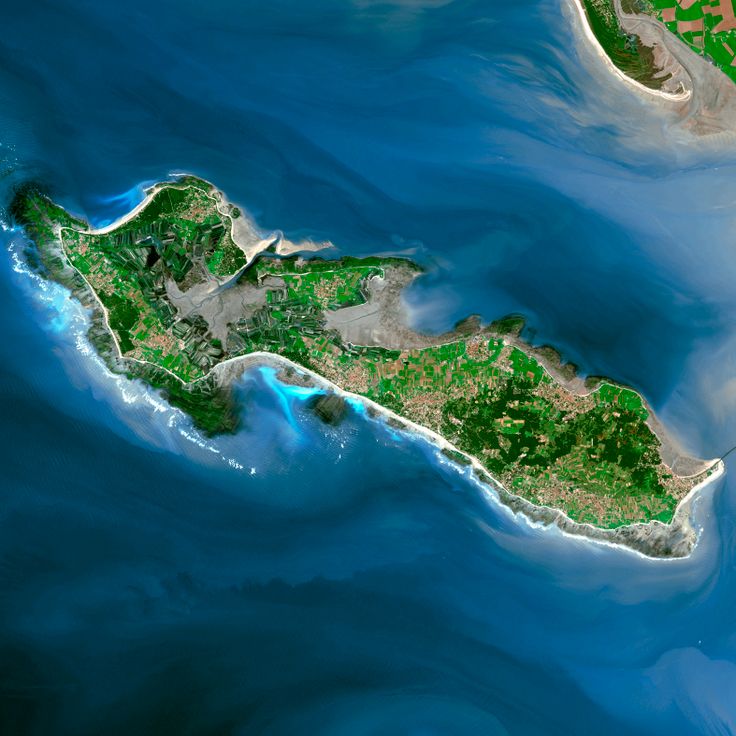
This island accessible by bridge from La Rochelle extends 30 kilometers (19 miles) and provides families with a varied destination along the Atlantic coast. Île de Ré features several villages with whitewashed houses and green shutters, an extensive network of bike paths through vineyards and pine forests, active salt marshes where traditional sea salt is still harvested using historical methods, and various sandy beaches facing both the open ocean and sheltered bays. Families can visit the fortified structures of Saint-Martin-de-Ré, tour local oyster producers, or stroll through the numerous harbors along the coast, making it suitable for a day trip or an extended stay.
This museum was founded in 1782 and presents zoology, geology, and paleontology collections across three floors in an 18th-century building, offering families exploring La Rochelle insights into the region's natural history. The exhibits showcase taxidermied animals, mineral specimens, and fossils that document the coastal area's natural development. The museum complements other family attractions like the Aquarium and Maritime Museum by providing a scientific perspective on local wildlife and geological formations.
This 100-acre park in the center of La Rochelle provides a canal, play areas, and walking paths for relaxed family outings. The park houses a mini-farm with 300 animals, allowing children to experience goats, sheep, and poultry at close range. The shaded alleys and open lawns make Charruyer Park a practical stopover between visits to the old town and the harbor areas of La Rochelle.
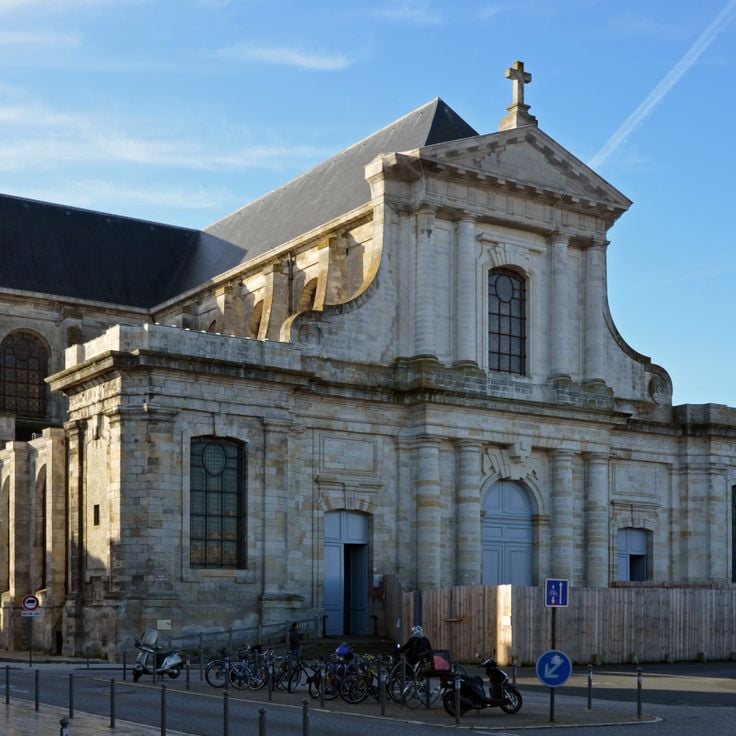
This cathedral is the largest church in La Rochelle and forms a prominent point in the city's religious heritage. The façade displays classical 18th-century architecture with two towers rising 246 feet (75 meters). The interior holds more than 3,000 worshippers and combines elements of different architectural styles due to multiple construction phases. Families can view the organ, the chapels and the stained glass windows depicting biblical scenes. The cathedral stands in the historic center and is only a short walk from the Old Port, making it a practical stop during a city tour with children.
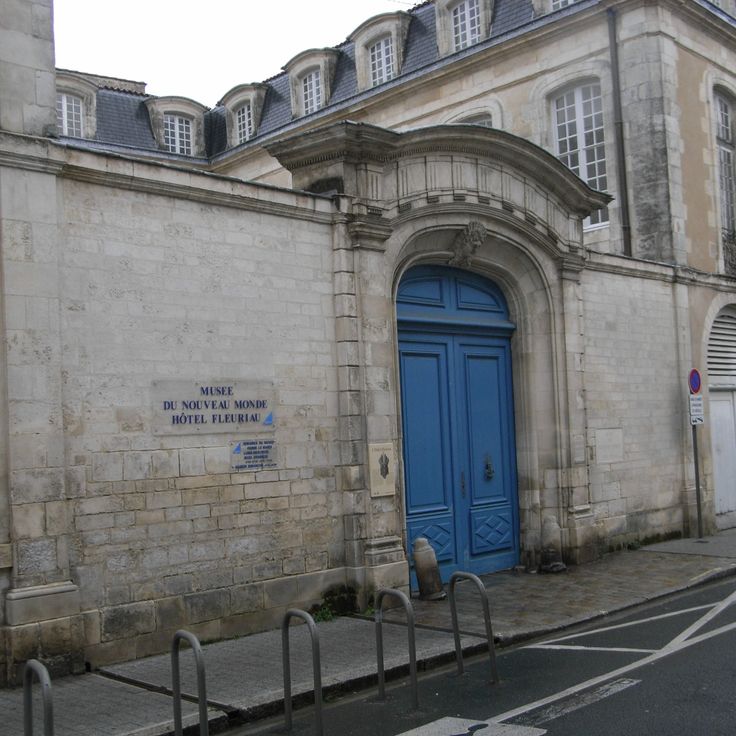
The New World Museum traces La Rochelle's history as a transatlantic port and its connections to the Americas during the colonial era. Collections feature artifacts from maritime trade between France, the Caribbean and North America during the 17th and 18th centuries. The museum examines economic relationships, cultural exchanges and the city's role in Atlantic trade networks. For families exploring La Rochelle's maritime heritage, this visit provides context on a defining period when the port connected Europe with the New World, complementing visits to the Old Port and Maritime Museum.
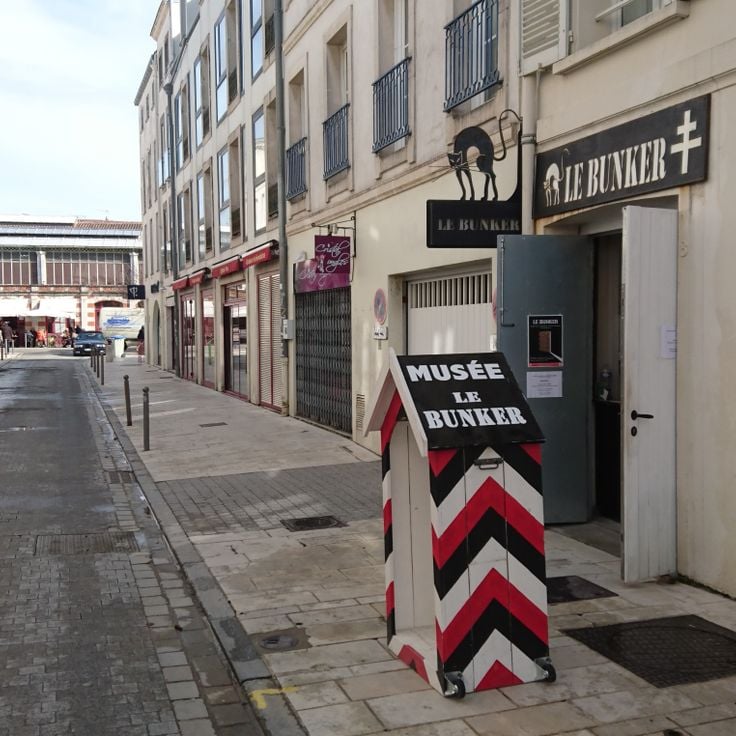
This museum occupies a former World War II submarine bunker and documents the German occupation of La Rochelle from 1940 to 1945. The collection includes uniforms, military equipment, documents, and personal items that illustrate daily life during the occupation years. The bunker itself was built by Organisation Todt and served as a base for German submarines operating in the Atlantic. For families with older children, the visit offers an educational complement to La Rochelle's maritime attractions and provides insight into an important chapter of the city's history. The massive concrete structures and preserved military installations make the historical significance of this site tangible.
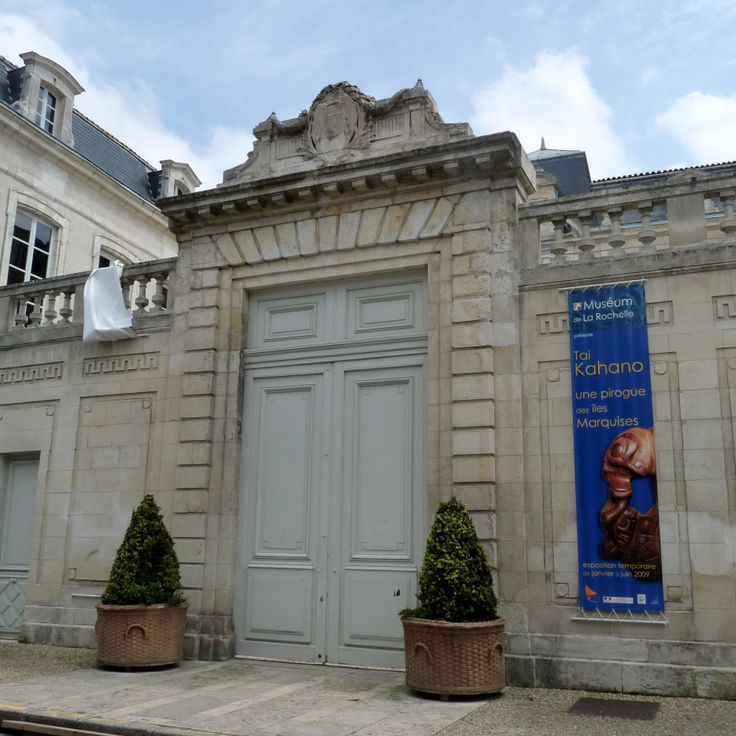
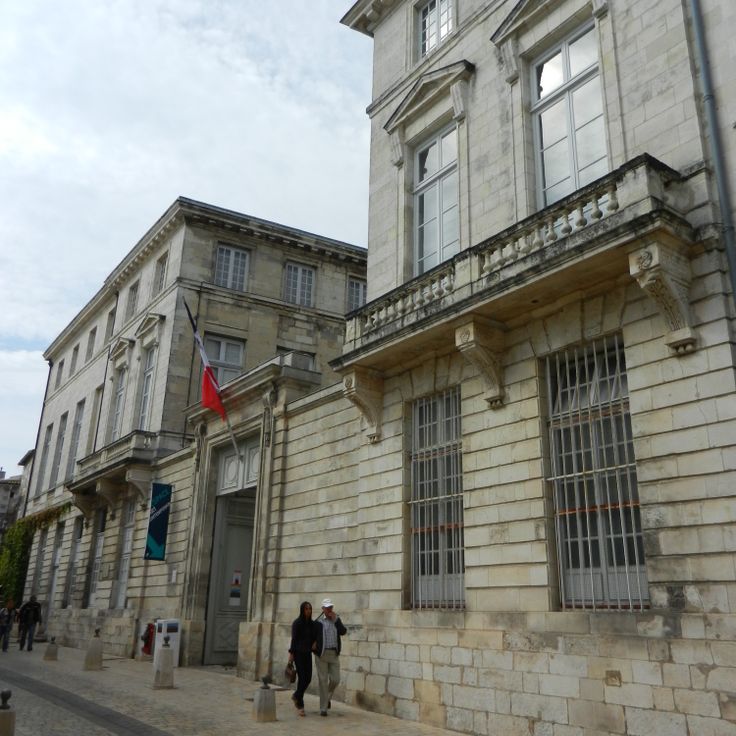
This museum enriches La Rochelle's cultural offerings with a collection of European paintings spanning five centuries. Visitors will find works by native son William Bouguereau alongside paintings by regional artists that provide insight into the area's artistic heritage. The collection covers various periods and styles, making it suitable for families looking to introduce children to classical painting. Located in the city center, the museum combines well with visits to the Old Port or the medieval towers nearby.
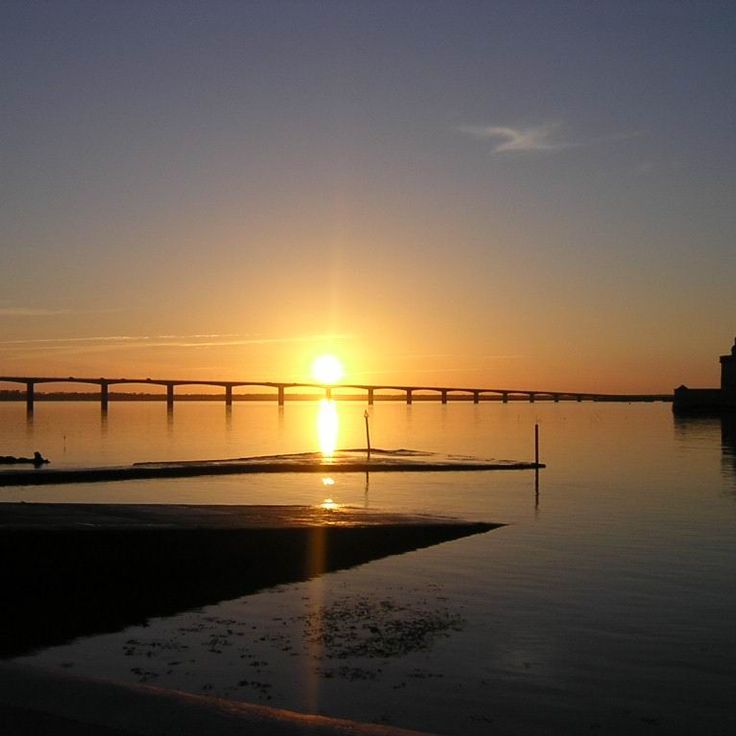
This island in Charente-Maritime extends across 175 square kilometers (68 square miles) and offers a territory of sandy beaches, pine forests, and salt marshes. Île d'Oléron houses several fishing ports, traditional oyster huts, and the Chassiron lighthouse. Families can explore cycling paths along the coast, sample local seafood, and visit various beaches with different conditions. The island is accessible from the mainland via a bridge and complements the family activities around La Rochelle with its maritime traditions and natural landscapes. Several villages preserve their local architecture and artisanal customs.
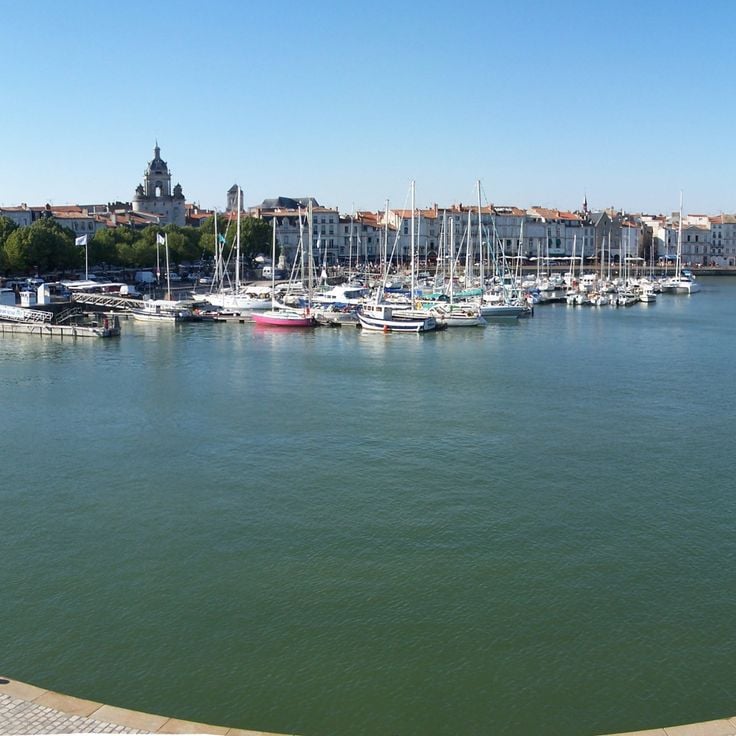
The Old Port forms the historic heart of La Rochelle and serves as a natural starting point for family outings in the region. Three medieval towers from the 13th century flank the harbor entrance, standing as reminders of the city's maritime past. Restaurants and cafés line the quays, while dozens of boats rest at the pontoons. The port connects the old town to the Atlantic and provides access to nearby islands including Ré and Oléron. Families can stroll along the waterfront, watch the activity on the water, and learn about the seafaring history that has shaped La Rochelle for centuries.
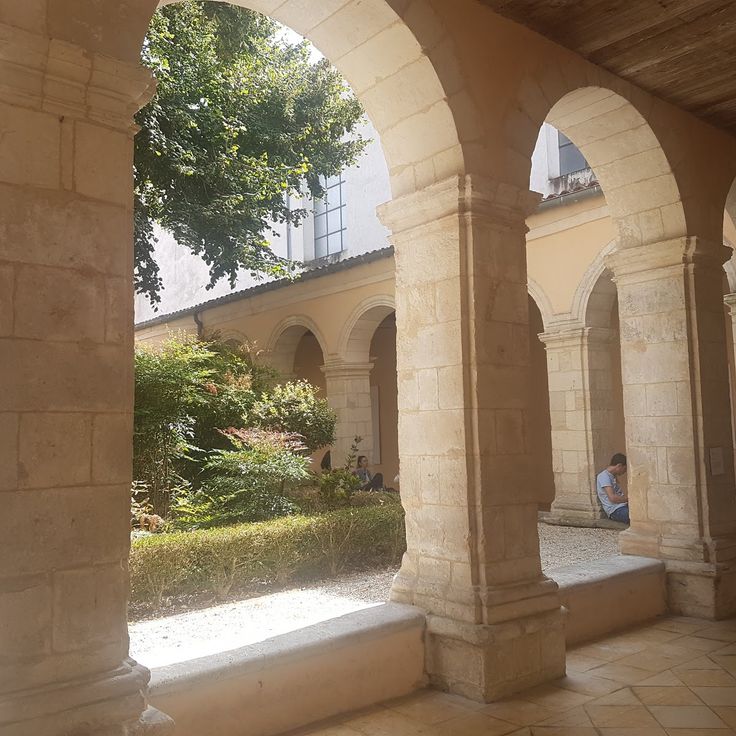
This cloister served a 13th-century order of Cistercian nuns known as the White Ladies. After the dissolution of the religious community, the building underwent several transformations and now hosts contemporary art exhibitions and cultural programs. The medieval architecture, with its vaulted ceilings and stone arcades, provides a setting for rotating displays. Families visiting La Rochelle will find regular exhibitions and workshops that complement the city's historical attractions, offering insight into regional art and history. The venue adds to the cultural options available during a stay in the port city.
This former fishermen's neighborhood displays a series of brightly painted wooden houses that reflect the maritime heritage of La Rochelle. The central square offers cafes and restaurants where families can stop for a drink or meal. The area sits directly on the waterfront, making it easy to visit after touring the Old Port or the medieval Towers. Children will appreciate the colorful buildings and the relaxed harbor setting. The Gabut District combines history with a pleasant environment for a break during your exploration of the city.
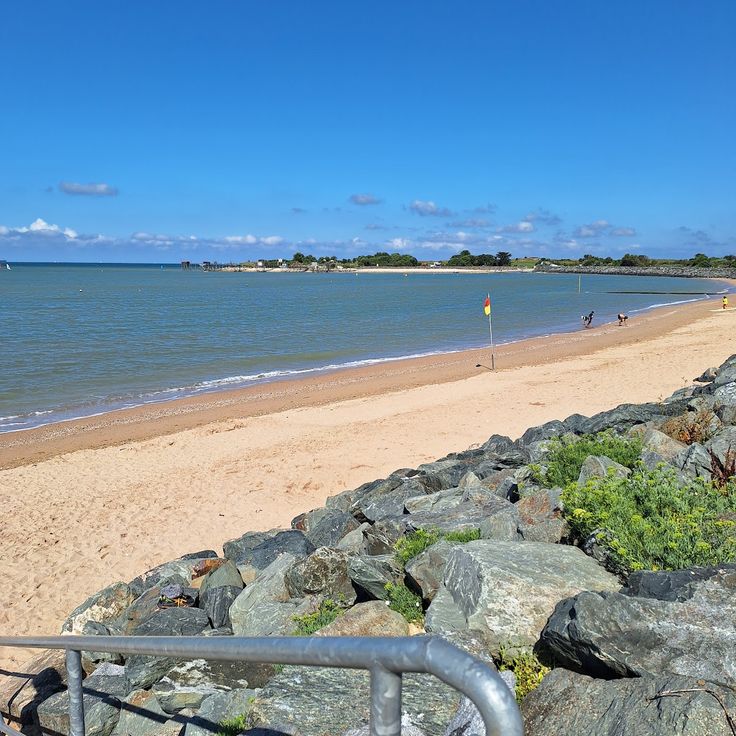
This beach sits near the marina and provides families with an accessible swimming spot featuring children's play areas. The sandy shoreline includes restroom facilities and accommodations for visitors with reduced mobility. Its location on the edge of the city center makes it a practical destination for families exploring La Rochelle and its surroundings while combining coastal activities with urban attractions. The beach occupies a sheltered position within the bay, making it particularly suitable for visitors with young children.
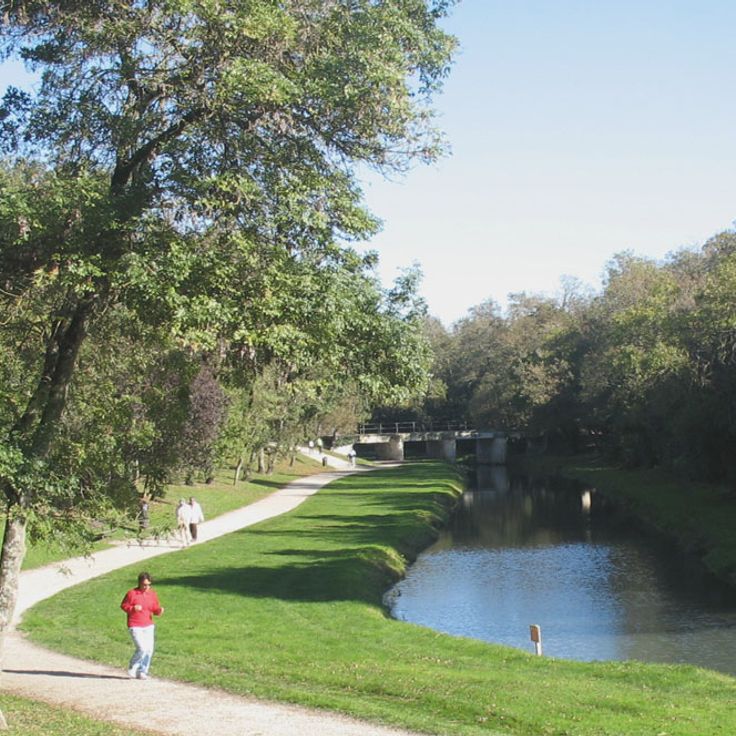
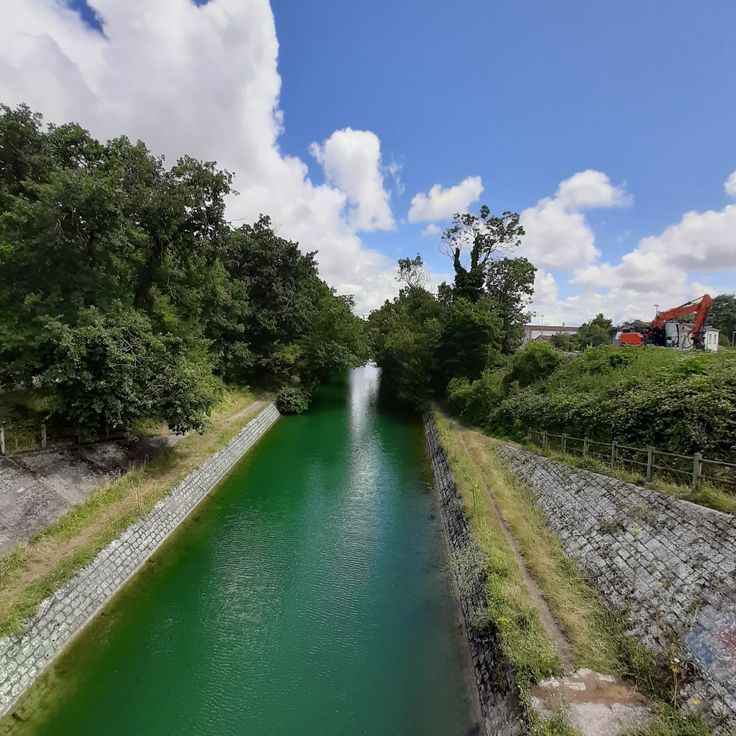
This 11-mile (17-kilometer) canal was built in the 19th century to connect La Rochelle with the inland waterways. Paved paths along both banks provide a continuous cycling and walking route suitable for family outings. The flat terrain makes it accessible for children, and the traffic-free trail passes through countryside beyond the city center. The canal now serves primarily recreational purposes, with several access points along its length allowing families to choose shorter sections if needed.
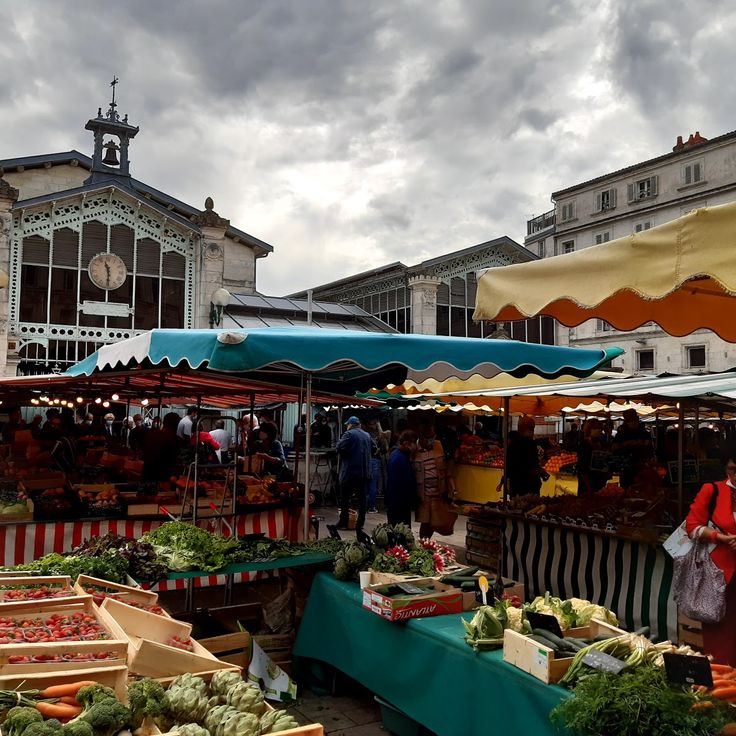
This covered market in a 1930s building brings together local producers, fishmongers, butchers, cheese makers, and other food vendors. The market hall offers families a practical way to discover regional specialties from around La Rochelle and shop for fresh products. The setting is authentic and the selection includes fresh seafood from the bay, meat products, cheese from the Poitou-Charentes region, and fruits and vegetables. Children can explore the different stalls while parents can gather ingredients for a picnic on Île de Ré or at the beach.
This wide sandy beach south of La Rochelle provides families with a supervised swimming area during summer months. A pine forest shelters the beach from wind, while the water draws sailors, surfers and kitesurfers. The beach accommodates children and adults alike, with calmer sections for swimming and more active zones for water sports. Its proximity to the city center and convenient access make this beach a practical option for day trips with family in the La Rochelle area.
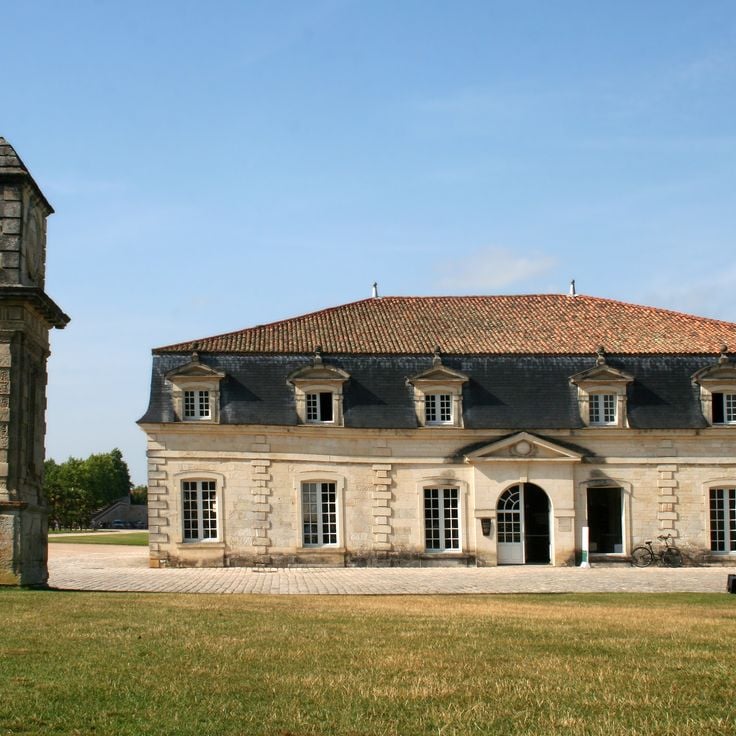
The Corderie Royale is a historic rope-making facility in Rochefort built in 1666 under King Louis XIV as part of the royal naval arsenal. The structure stretches 1,227 feet (374 meters) and ranks among the longest industrial buildings in Europe from that period, originally producing ropes and rigging for the French Navy. Today the site houses the International Maritime Centre, which documents the history of rope production and French shipbuilding through permanent and temporary exhibitions. Families visiting La Rochelle and its surroundings can observe demonstrations of traditional rope-making techniques and learn about Rochefort's role as a naval base. Located along the Charente River, the Corderie Royale includes restored gardens and exhibition spaces that provide practical insight into maritime craftsmanship and naval history for those interested in the region's industrial heritage.
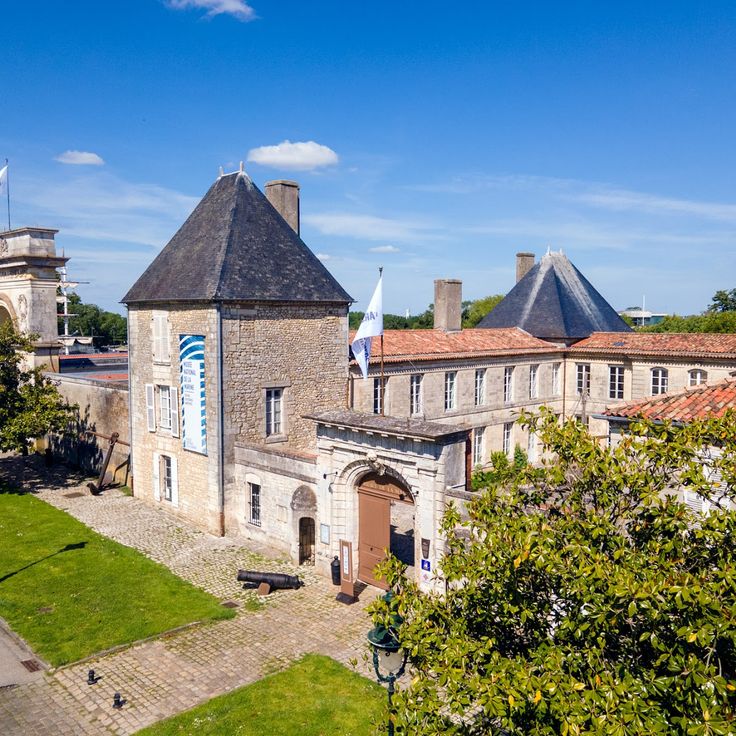
This maritime museum in Rochefort chronicles the history of the French Navy and the royal arsenal established under Louis XIV. The collection presents ship models, nautical instruments and artifacts spanning four centuries of naval history, including items from expeditions and historic battles. Located in the former residence of the navy's chief administrator, the museum provides families exploring La Rochelle and its surroundings with insight into shipbuilding techniques and the development of French naval power along this Atlantic coast.
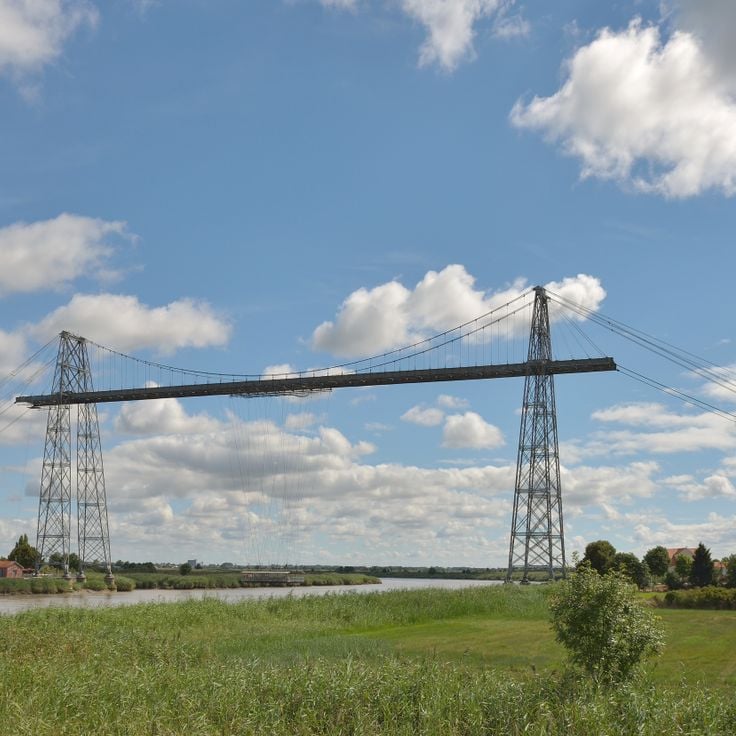
The Rochefort-Martrou Transporter Bridge is one of the last functioning transporter bridges of its kind in the world and offers families visiting La Rochelle an insight into early 20th-century engineering. This bridge was completed in 1900 and crosses the Charente River using a suspended gondola that hangs from a 164-foot (50-meter) high steel structure. The gondola transports vehicles and pedestrians across the 558-foot (170-meter) water gap between Rochefort and the Échillais district. Visitors can either ride in the gondola or walk across the upper platform to experience panoramic views of the river and the historic shipyard town. The bridge has been declared a national monument and stands alongside the Corderie Royale as part of the technical heritage from the era when Rochefort was a major French naval port.
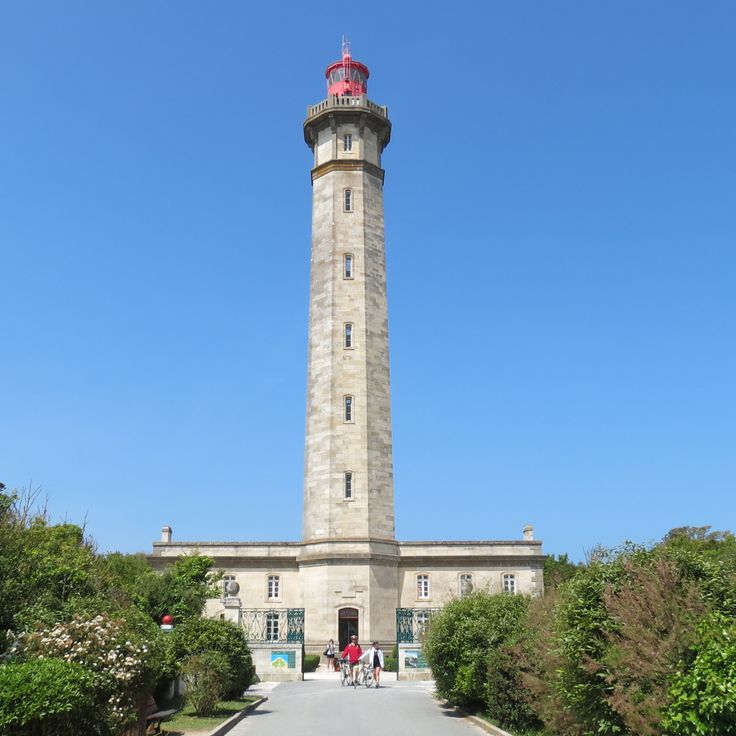
This lighthouse and museum complex in Saint-Clément-des-Baleines on Île de Ré provides families exploring La Rochelle and the surrounding area with insight into the region's maritime history. The 187-foot (57-meter) tower, built in 1854, offers views of the Atlantic coast and the island after climbing 257 steps. The adjacent museum displays exhibits on lighthouse technology and navigation. The older tower from 1682 also stands on the grounds and serves as a historical structure. Visitors can learn about the operation of navigation beacons and the role of maritime guidance along this stretch of coastline.
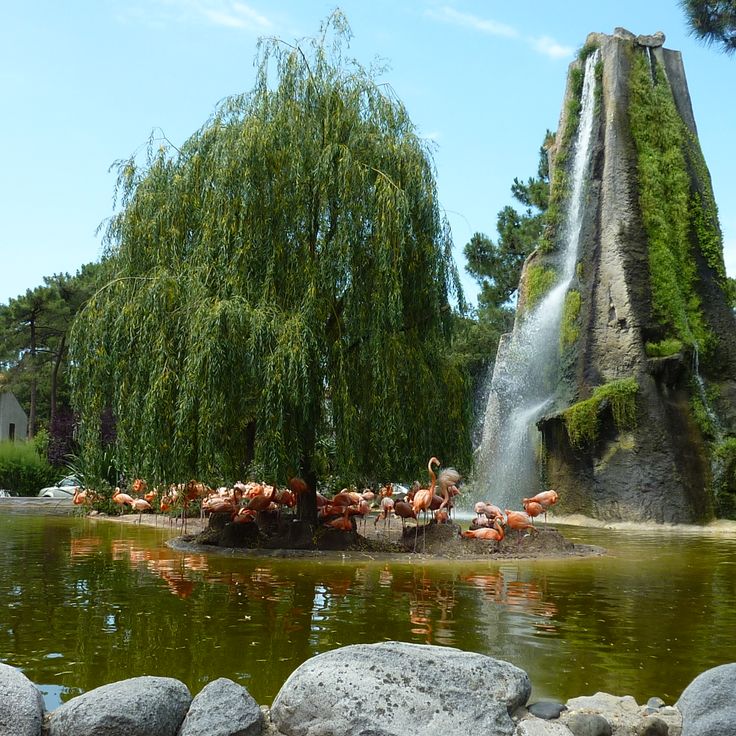
This zoo in Les Mathes gathers over 1,600 animals from more than 110 species across an 18-hectare (44-acre) property. The facility focuses on large mammal observation, including elephants, giraffes, lions, and gorillas, along with various primate species. Located about 25 miles (40 kilometers) south of La Rochelle, the zoo provides families with an opportunity to engage with wildlife from Africa, Asia, and the Americas. The enclosures are connected by a circuit path that allows a complete visit within three to four hours. This zoo complements the coastal offerings of the region with a natural history component.
This aquarium houses over 12,000 marine animals across 80 tanks spread over three floors. Families can observe sharks, sea turtles, jellyfish, and hundreds of fish species from oceans around the world. The facility provides educational panels about marine ecosystems and biodiversity, while a circuit guides visitors through different thematic zones, from Atlantic waters to tropical environments. The visit typically takes around two hours and allows children of all ages to discover underwater life and learn about ocean conservation efforts.
This 17-acre (7-hectare) landscaped estate displays extensive collections of rhododendrons, azaleas, camellias, and magnolias spread across manicured gardens with water features. Court d'Aron provides a suitable outing for families exploring the La Rochelle region who appreciate a quiet environment with botanical variety. The grounds offer walking paths through different garden sections where children can discover nature and adults can examine the plant collections. The park sits about 25 miles (40 kilometers) south of La Rochelle in Saint-Cyr-en-Talmondais.
This military fortification was built between 1804 and 1857 in the Atlantic Ocean and has become one of the most recognized landmarks near La Rochelle. Fort Boyard sits on a sandbank between Île d'Aix and Île d'Oléron and was originally constructed to protect access to the Charente River and the naval arsenal at Rochefort. The oval structure measures 223 feet (68 meters) long and 102 feet (31 meters) wide. Since the 1990s, the fort has gained international recognition through a French television game show. Families can view this fortification up close during boat tours departing from nearby ports, though landing on the fort itself is not permitted.
This amusement park in the Mervent forest covers 5 hectares (12 acres) and features rides, inflatable structures and games designed for children. Located about 50 miles southeast of La Rochelle, Pierre Brune Park provides a day trip option for families seeking outdoor activities in a woodland setting. The park combines physical play equipment with the natural surroundings and adds to the area's recreational offerings with a venue for active entertainment.
This conservation center occupies a 75-acre (30-hectare) forest park where families can observe more than 800 European animals along marked trails. The grounds feature naturalistic enclosures housing wolves, lynx, deer and other native species. As a complement to the coastal attractions of La Rochelle, Zoodyssée offers children and adults an opportunity to learn about European fauna and conservation efforts. Located about 45 miles (70 kilometers) southeast of La Rochelle, the park makes a practical day trip for families exploring the region.
These three medieval towers from the 14th and 15th centuries guard the entrance to La Rochelle's harbor and rank among the city's most recognizable landmarks. The Tour Saint-Nicolas rises to 138 feet (42 meters) and served as a defensive fortress, while the Tour de la Chaîne across the harbor was connected by a massive chain that sealed the port at night. The Tour de la Lanterne, also called the Garderobe, functioned as both a lighthouse and prison. Families can climb the towers, explore exhibitions on maritime history, and take in views of the old port and Île de Ré from the platforms. The fortifications provide children with a clear understanding of the medieval defense system that protected this important harbor city.
This medieval urban gate from the 14th century marks the passage between La Rochelle's Old Port and the historic city center. The upper section houses an 18th-century clock mechanism that still operates today. The archway beneath served for centuries as the main connection for merchants and sailors moving between the harbor quays and the trading houses of the inner city. Families with children can observe the structure's architecture from the Old Port and understand the city's history as a major Atlantic port. The gate sits along the route connecting several old town landmarks and provides a practical orientation point for visitors.
This 250-meter sandy beach sits 10 minutes from the city center and provides families with a practical seaside spot offering views of the port and towers of La Rochelle. The location makes it a convenient option for families dividing their day between city exploration and beach time. The beach forms part of the maritime landscape that defines La Rochelle, allowing children to unwind after visiting nearby attractions such as the Aquarium or medieval Towers. Proximity to the port means visitors can watch boat activity while spending time on the sand. The setting offers a direct connection to the coastal identity of the region.
This museum in La Rochelle houses a permanent collection of 300 mechanical figures that perform automated movements in various scenarios. The exhibition includes train models and miniature railway networks that particularly engage younger visitors. The mechanical automata represent different periods and demonstrate traditional craftsmanship techniques. The museum complements the family activities available in La Rochelle and its surroundings, which also include the Aquarium with its 12,000 marine animals, the medieval Towers, and several thematic museums exploring maritime history and regional heritage.
This marina spans 70 hectares (170 acres) with 5,000 mooring spaces, nautical shops, restaurants, and sailing schools. Port des Minimes ranks among Europe's largest marinas and offers families the chance to experience La Rochelle's maritime environment, watch sailboats, and walk along the quays while children observe the numerous vessels. The harbor sits about 2 miles (3 kilometers) from the historic city center and is accessible by bicycle or bus.
This Renaissance castle in Fontenay-le-Comte dates from the 16th century and displays carved ceilings, monumental fireplaces and period furniture. The architecture illustrates the transition between medieval fortress design and Renaissance comfort. Families can explore the various rooms, discover historical details and gain insight into the life of French nobility during this period of change. Located about 30 miles east of La Rochelle, the castle offers an excursion into the regional history of the Vendée.
This museum in the former trawler basin displays antique boats, navigation instruments and objects documenting La Rochelle's maritime history, offering families a detailed look at the city's centuries-long relationship with the sea. The collection includes historic fishing vessels, merchant ships and equipment tracing the port's development from medieval times to the present day. Interactive exhibits help children and adults understand the role of seafaring in shaping the region's economic and cultural identity.
The Big Wheel at the Old Port provides views of La Rochelle and the coastline from 165 feet (50 meters) during a ten-minute ride. This attraction adds to the family activities in the region and allows an overview of the city, its medieval towers and the harbor. On clear days, visibility extends to the nearby islands of Ré and Oléron, which are among the destinations in the area.
This island accessible by bridge from La Rochelle extends 30 kilometers (19 miles) and provides families with a varied destination along the Atlantic coast. Île de Ré features several villages with whitewashed houses and green shutters, an extensive network of bike paths through vineyards and pine forests, active salt marshes where traditional sea salt is still harvested using historical methods, and various sandy beaches facing both the open ocean and sheltered bays. Families can visit the fortified structures of Saint-Martin-de-Ré, tour local oyster producers, or stroll through the numerous harbors along the coast, making it suitable for a day trip or an extended stay.
This museum was founded in 1782 and presents zoology, geology, and paleontology collections across three floors in an 18th-century building, offering families exploring La Rochelle insights into the region's natural history. The exhibits showcase taxidermied animals, mineral specimens, and fossils that document the coastal area's natural development. The museum complements other family attractions like the Aquarium and Maritime Museum by providing a scientific perspective on local wildlife and geological formations.
This 100-acre park in the center of La Rochelle provides a canal, play areas, and walking paths for relaxed family outings. The park houses a mini-farm with 300 animals, allowing children to experience goats, sheep, and poultry at close range. The shaded alleys and open lawns make Charruyer Park a practical stopover between visits to the old town and the harbor areas of La Rochelle.
This cathedral is the largest church in La Rochelle and forms a prominent point in the city's religious heritage. The façade displays classical 18th-century architecture with two towers rising 246 feet (75 meters). The interior holds more than 3,000 worshippers and combines elements of different architectural styles due to multiple construction phases. Families can view the organ, the chapels and the stained glass windows depicting biblical scenes. The cathedral stands in the historic center and is only a short walk from the Old Port, making it a practical stop during a city tour with children.
The New World Museum traces La Rochelle's history as a transatlantic port and its connections to the Americas during the colonial era. Collections feature artifacts from maritime trade between France, the Caribbean and North America during the 17th and 18th centuries. The museum examines economic relationships, cultural exchanges and the city's role in Atlantic trade networks. For families exploring La Rochelle's maritime heritage, this visit provides context on a defining period when the port connected Europe with the New World, complementing visits to the Old Port and Maritime Museum.
This museum occupies a former World War II submarine bunker and documents the German occupation of La Rochelle from 1940 to 1945. The collection includes uniforms, military equipment, documents, and personal items that illustrate daily life during the occupation years. The bunker itself was built by Organisation Todt and served as a base for German submarines operating in the Atlantic. For families with older children, the visit offers an educational complement to La Rochelle's maritime attractions and provides insight into an important chapter of the city's history. The massive concrete structures and preserved military installations make the historical significance of this site tangible.
This museum enriches La Rochelle's cultural offerings with a collection of European paintings spanning five centuries. Visitors will find works by native son William Bouguereau alongside paintings by regional artists that provide insight into the area's artistic heritage. The collection covers various periods and styles, making it suitable for families looking to introduce children to classical painting. Located in the city center, the museum combines well with visits to the Old Port or the medieval towers nearby.
This island in Charente-Maritime extends across 175 square kilometers (68 square miles) and offers a territory of sandy beaches, pine forests, and salt marshes. Île d'Oléron houses several fishing ports, traditional oyster huts, and the Chassiron lighthouse. Families can explore cycling paths along the coast, sample local seafood, and visit various beaches with different conditions. The island is accessible from the mainland via a bridge and complements the family activities around La Rochelle with its maritime traditions and natural landscapes. Several villages preserve their local architecture and artisanal customs.
The Old Port forms the historic heart of La Rochelle and serves as a natural starting point for family outings in the region. Three medieval towers from the 13th century flank the harbor entrance, standing as reminders of the city's maritime past. Restaurants and cafés line the quays, while dozens of boats rest at the pontoons. The port connects the old town to the Atlantic and provides access to nearby islands including Ré and Oléron. Families can stroll along the waterfront, watch the activity on the water, and learn about the seafaring history that has shaped La Rochelle for centuries.
This cloister served a 13th-century order of Cistercian nuns known as the White Ladies. After the dissolution of the religious community, the building underwent several transformations and now hosts contemporary art exhibitions and cultural programs. The medieval architecture, with its vaulted ceilings and stone arcades, provides a setting for rotating displays. Families visiting La Rochelle will find regular exhibitions and workshops that complement the city's historical attractions, offering insight into regional art and history. The venue adds to the cultural options available during a stay in the port city.
This former fishermen's neighborhood displays a series of brightly painted wooden houses that reflect the maritime heritage of La Rochelle. The central square offers cafes and restaurants where families can stop for a drink or meal. The area sits directly on the waterfront, making it easy to visit after touring the Old Port or the medieval Towers. Children will appreciate the colorful buildings and the relaxed harbor setting. The Gabut District combines history with a pleasant environment for a break during your exploration of the city.
This beach sits near the marina and provides families with an accessible swimming spot featuring children's play areas. The sandy shoreline includes restroom facilities and accommodations for visitors with reduced mobility. Its location on the edge of the city center makes it a practical destination for families exploring La Rochelle and its surroundings while combining coastal activities with urban attractions. The beach occupies a sheltered position within the bay, making it particularly suitable for visitors with young children.
This 11-mile (17-kilometer) canal was built in the 19th century to connect La Rochelle with the inland waterways. Paved paths along both banks provide a continuous cycling and walking route suitable for family outings. The flat terrain makes it accessible for children, and the traffic-free trail passes through countryside beyond the city center. The canal now serves primarily recreational purposes, with several access points along its length allowing families to choose shorter sections if needed.
This covered market in a 1930s building brings together local producers, fishmongers, butchers, cheese makers, and other food vendors. The market hall offers families a practical way to discover regional specialties from around La Rochelle and shop for fresh products. The setting is authentic and the selection includes fresh seafood from the bay, meat products, cheese from the Poitou-Charentes region, and fruits and vegetables. Children can explore the different stalls while parents can gather ingredients for a picnic on Île de Ré or at the beach.
This wide sandy beach south of La Rochelle provides families with a supervised swimming area during summer months. A pine forest shelters the beach from wind, while the water draws sailors, surfers and kitesurfers. The beach accommodates children and adults alike, with calmer sections for swimming and more active zones for water sports. Its proximity to the city center and convenient access make this beach a practical option for day trips with family in the La Rochelle area.
The Corderie Royale is a historic rope-making facility in Rochefort built in 1666 under King Louis XIV as part of the royal naval arsenal. The structure stretches 1,227 feet (374 meters) and ranks among the longest industrial buildings in Europe from that period, originally producing ropes and rigging for the French Navy. Today the site houses the International Maritime Centre, which documents the history of rope production and French shipbuilding through permanent and temporary exhibitions. Families visiting La Rochelle and its surroundings can observe demonstrations of traditional rope-making techniques and learn about Rochefort's role as a naval base. Located along the Charente River, the Corderie Royale includes restored gardens and exhibition spaces that provide practical insight into maritime craftsmanship and naval history for those interested in the region's industrial heritage.
This maritime museum in Rochefort chronicles the history of the French Navy and the royal arsenal established under Louis XIV. The collection presents ship models, nautical instruments and artifacts spanning four centuries of naval history, including items from expeditions and historic battles. Located in the former residence of the navy's chief administrator, the museum provides families exploring La Rochelle and its surroundings with insight into shipbuilding techniques and the development of French naval power along this Atlantic coast.
The Rochefort-Martrou Transporter Bridge is one of the last functioning transporter bridges of its kind in the world and offers families visiting La Rochelle an insight into early 20th-century engineering. This bridge was completed in 1900 and crosses the Charente River using a suspended gondola that hangs from a 164-foot (50-meter) high steel structure. The gondola transports vehicles and pedestrians across the 558-foot (170-meter) water gap between Rochefort and the Échillais district. Visitors can either ride in the gondola or walk across the upper platform to experience panoramic views of the river and the historic shipyard town. The bridge has been declared a national monument and stands alongside the Corderie Royale as part of the technical heritage from the era when Rochefort was a major French naval port.
This lighthouse and museum complex in Saint-Clément-des-Baleines on Île de Ré provides families exploring La Rochelle and the surrounding area with insight into the region's maritime history. The 187-foot (57-meter) tower, built in 1854, offers views of the Atlantic coast and the island after climbing 257 steps. The adjacent museum displays exhibits on lighthouse technology and navigation. The older tower from 1682 also stands on the grounds and serves as a historical structure. Visitors can learn about the operation of navigation beacons and the role of maritime guidance along this stretch of coastline.
This zoo in Les Mathes gathers over 1,600 animals from more than 110 species across an 18-hectare (44-acre) property. The facility focuses on large mammal observation, including elephants, giraffes, lions, and gorillas, along with various primate species. Located about 25 miles (40 kilometers) south of La Rochelle, the zoo provides families with an opportunity to engage with wildlife from Africa, Asia, and the Americas. The enclosures are connected by a circuit path that allows a complete visit within three to four hours. This zoo complements the coastal offerings of the region with a natural history component.
This aquarium houses over 12,000 marine animals across 80 tanks spread over three floors. Families can observe sharks, sea turtles, jellyfish, and hundreds of fish species from oceans around the world. The facility provides educational panels about marine ecosystems and biodiversity, while a circuit guides visitors through different thematic zones, from Atlantic waters to tropical environments. The visit typically takes around two hours and allows children of all ages to discover underwater life and learn about ocean conservation efforts.
This 17-acre (7-hectare) landscaped estate displays extensive collections of rhododendrons, azaleas, camellias, and magnolias spread across manicured gardens with water features. Court d'Aron provides a suitable outing for families exploring the La Rochelle region who appreciate a quiet environment with botanical variety. The grounds offer walking paths through different garden sections where children can discover nature and adults can examine the plant collections. The park sits about 25 miles (40 kilometers) south of La Rochelle in Saint-Cyr-en-Talmondais.
This military fortification was built between 1804 and 1857 in the Atlantic Ocean and has become one of the most recognized landmarks near La Rochelle. Fort Boyard sits on a sandbank between Île d'Aix and Île d'Oléron and was originally constructed to protect access to the Charente River and the naval arsenal at Rochefort. The oval structure measures 223 feet (68 meters) long and 102 feet (31 meters) wide. Since the 1990s, the fort has gained international recognition through a French television game show. Families can view this fortification up close during boat tours departing from nearby ports, though landing on the fort itself is not permitted.
This amusement park in the Mervent forest covers 5 hectares (12 acres) and features rides, inflatable structures and games designed for children. Located about 50 miles southeast of La Rochelle, Pierre Brune Park provides a day trip option for families seeking outdoor activities in a woodland setting. The park combines physical play equipment with the natural surroundings and adds to the area's recreational offerings with a venue for active entertainment.
This conservation center occupies a 75-acre (30-hectare) forest park where families can observe more than 800 European animals along marked trails. The grounds feature naturalistic enclosures housing wolves, lynx, deer and other native species. As a complement to the coastal attractions of La Rochelle, Zoodyssée offers children and adults an opportunity to learn about European fauna and conservation efforts. Located about 45 miles (70 kilometers) southeast of La Rochelle, the park makes a practical day trip for families exploring the region.
These three medieval towers from the 14th and 15th centuries guard the entrance to La Rochelle's harbor and rank among the city's most recognizable landmarks. The Tour Saint-Nicolas rises to 138 feet (42 meters) and served as a defensive fortress, while the Tour de la Chaîne across the harbor was connected by a massive chain that sealed the port at night. The Tour de la Lanterne, also called the Garderobe, functioned as both a lighthouse and prison. Families can climb the towers, explore exhibitions on maritime history, and take in views of the old port and Île de Ré from the platforms. The fortifications provide children with a clear understanding of the medieval defense system that protected this important harbor city.
This medieval urban gate from the 14th century marks the passage between La Rochelle's Old Port and the historic city center. The upper section houses an 18th-century clock mechanism that still operates today. The archway beneath served for centuries as the main connection for merchants and sailors moving between the harbor quays and the trading houses of the inner city. Families with children can observe the structure's architecture from the Old Port and understand the city's history as a major Atlantic port. The gate sits along the route connecting several old town landmarks and provides a practical orientation point for visitors.
This 250-meter sandy beach sits 10 minutes from the city center and provides families with a practical seaside spot offering views of the port and towers of La Rochelle. The location makes it a convenient option for families dividing their day between city exploration and beach time. The beach forms part of the maritime landscape that defines La Rochelle, allowing children to unwind after visiting nearby attractions such as the Aquarium or medieval Towers. Proximity to the port means visitors can watch boat activity while spending time on the sand. The setting offers a direct connection to the coastal identity of the region.
This museum in La Rochelle houses a permanent collection of 300 mechanical figures that perform automated movements in various scenarios. The exhibition includes train models and miniature railway networks that particularly engage younger visitors. The mechanical automata represent different periods and demonstrate traditional craftsmanship techniques. The museum complements the family activities available in La Rochelle and its surroundings, which also include the Aquarium with its 12,000 marine animals, the medieval Towers, and several thematic museums exploring maritime history and regional heritage.
This marina spans 70 hectares (170 acres) with 5,000 mooring spaces, nautical shops, restaurants, and sailing schools. Port des Minimes ranks among Europe's largest marinas and offers families the chance to experience La Rochelle's maritime environment, watch sailboats, and walk along the quays while children observe the numerous vessels. The harbor sits about 2 miles (3 kilometers) from the historic city center and is accessible by bicycle or bus.
This Renaissance castle in Fontenay-le-Comte dates from the 16th century and displays carved ceilings, monumental fireplaces and period furniture. The architecture illustrates the transition between medieval fortress design and Renaissance comfort. Families can explore the various rooms, discover historical details and gain insight into the life of French nobility during this period of change. Located about 30 miles east of La Rochelle, the castle offers an excursion into the regional history of the Vendée.
This museum in the former trawler basin displays antique boats, navigation instruments and objects documenting La Rochelle's maritime history, offering families a detailed look at the city's centuries-long relationship with the sea. The collection includes historic fishing vessels, merchant ships and equipment tracing the port's development from medieval times to the present day. Interactive exhibits help children and adults understand the role of seafaring in shaping the region's economic and cultural identity.
The Big Wheel at the Old Port provides views of La Rochelle and the coastline from 165 feet (50 meters) during a ten-minute ride. This attraction adds to the family activities in the region and allows an overview of the city, its medieval towers and the harbor. On clear days, visibility extends to the nearby islands of Ré and Oléron, which are among the destinations in the area.
This island accessible by bridge from La Rochelle extends 30 kilometers (19 miles) and provides families with a varied destination along the Atlantic coast. Île de Ré features several villages with whitewashed houses and green shutters, an extensive network of bike paths through vineyards and pine forests, active salt marshes where traditional sea salt is still harvested using historical methods, and various sandy beaches facing both the open ocean and sheltered bays. Families can visit the fortified structures of Saint-Martin-de-Ré, tour local oyster producers, or stroll through the numerous harbors along the coast, making it suitable for a day trip or an extended stay.
This museum was founded in 1782 and presents zoology, geology, and paleontology collections across three floors in an 18th-century building, offering families exploring La Rochelle insights into the region's natural history. The exhibits showcase taxidermied animals, mineral specimens, and fossils that document the coastal area's natural development. The museum complements other family attractions like the Aquarium and Maritime Museum by providing a scientific perspective on local wildlife and geological formations.
This 100-acre park in the center of La Rochelle provides a canal, play areas, and walking paths for relaxed family outings. The park houses a mini-farm with 300 animals, allowing children to experience goats, sheep, and poultry at close range. The shaded alleys and open lawns make Charruyer Park a practical stopover between visits to the old town and the harbor areas of La Rochelle.
This cathedral is the largest church in La Rochelle and forms a prominent point in the city's religious heritage. The façade displays classical 18th-century architecture with two towers rising 246 feet (75 meters). The interior holds more than 3,000 worshippers and combines elements of different architectural styles due to multiple construction phases. Families can view the organ, the chapels and the stained glass windows depicting biblical scenes. The cathedral stands in the historic center and is only a short walk from the Old Port, making it a practical stop during a city tour with children.
The New World Museum traces La Rochelle's history as a transatlantic port and its connections to the Americas during the colonial era. Collections feature artifacts from maritime trade between France, the Caribbean and North America during the 17th and 18th centuries. The museum examines economic relationships, cultural exchanges and the city's role in Atlantic trade networks. For families exploring La Rochelle's maritime heritage, this visit provides context on a defining period when the port connected Europe with the New World, complementing visits to the Old Port and Maritime Museum.
This museum occupies a former World War II submarine bunker and documents the German occupation of La Rochelle from 1940 to 1945. The collection includes uniforms, military equipment, documents, and personal items that illustrate daily life during the occupation years. The bunker itself was built by Organisation Todt and served as a base for German submarines operating in the Atlantic. For families with older children, the visit offers an educational complement to La Rochelle's maritime attractions and provides insight into an important chapter of the city's history. The massive concrete structures and preserved military installations make the historical significance of this site tangible.
This museum enriches La Rochelle's cultural offerings with a collection of European paintings spanning five centuries. Visitors will find works by native son William Bouguereau alongside paintings by regional artists that provide insight into the area's artistic heritage. The collection covers various periods and styles, making it suitable for families looking to introduce children to classical painting. Located in the city center, the museum combines well with visits to the Old Port or the medieval towers nearby.
This island in Charente-Maritime extends across 175 square kilometers (68 square miles) and offers a territory of sandy beaches, pine forests, and salt marshes. Île d'Oléron houses several fishing ports, traditional oyster huts, and the Chassiron lighthouse. Families can explore cycling paths along the coast, sample local seafood, and visit various beaches with different conditions. The island is accessible from the mainland via a bridge and complements the family activities around La Rochelle with its maritime traditions and natural landscapes. Several villages preserve their local architecture and artisanal customs.
The Old Port forms the historic heart of La Rochelle and serves as a natural starting point for family outings in the region. Three medieval towers from the 13th century flank the harbor entrance, standing as reminders of the city's maritime past. Restaurants and cafés line the quays, while dozens of boats rest at the pontoons. The port connects the old town to the Atlantic and provides access to nearby islands including Ré and Oléron. Families can stroll along the waterfront, watch the activity on the water, and learn about the seafaring history that has shaped La Rochelle for centuries.
This cloister served a 13th-century order of Cistercian nuns known as the White Ladies. After the dissolution of the religious community, the building underwent several transformations and now hosts contemporary art exhibitions and cultural programs. The medieval architecture, with its vaulted ceilings and stone arcades, provides a setting for rotating displays. Families visiting La Rochelle will find regular exhibitions and workshops that complement the city's historical attractions, offering insight into regional art and history. The venue adds to the cultural options available during a stay in the port city.
This former fishermen's neighborhood displays a series of brightly painted wooden houses that reflect the maritime heritage of La Rochelle. The central square offers cafes and restaurants where families can stop for a drink or meal. The area sits directly on the waterfront, making it easy to visit after touring the Old Port or the medieval Towers. Children will appreciate the colorful buildings and the relaxed harbor setting. The Gabut District combines history with a pleasant environment for a break during your exploration of the city.
This beach sits near the marina and provides families with an accessible swimming spot featuring children's play areas. The sandy shoreline includes restroom facilities and accommodations for visitors with reduced mobility. Its location on the edge of the city center makes it a practical destination for families exploring La Rochelle and its surroundings while combining coastal activities with urban attractions. The beach occupies a sheltered position within the bay, making it particularly suitable for visitors with young children.
This 11-mile (17-kilometer) canal was built in the 19th century to connect La Rochelle with the inland waterways. Paved paths along both banks provide a continuous cycling and walking route suitable for family outings. The flat terrain makes it accessible for children, and the traffic-free trail passes through countryside beyond the city center. The canal now serves primarily recreational purposes, with several access points along its length allowing families to choose shorter sections if needed.
This covered market in a 1930s building brings together local producers, fishmongers, butchers, cheese makers, and other food vendors. The market hall offers families a practical way to discover regional specialties from around La Rochelle and shop for fresh products. The setting is authentic and the selection includes fresh seafood from the bay, meat products, cheese from the Poitou-Charentes region, and fruits and vegetables. Children can explore the different stalls while parents can gather ingredients for a picnic on Île de Ré or at the beach.
This wide sandy beach south of La Rochelle provides families with a supervised swimming area during summer months. A pine forest shelters the beach from wind, while the water draws sailors, surfers and kitesurfers. The beach accommodates children and adults alike, with calmer sections for swimming and more active zones for water sports. Its proximity to the city center and convenient access make this beach a practical option for day trips with family in the La Rochelle area.
The Corderie Royale is a historic rope-making facility in Rochefort built in 1666 under King Louis XIV as part of the royal naval arsenal. The structure stretches 1,227 feet (374 meters) and ranks among the longest industrial buildings in Europe from that period, originally producing ropes and rigging for the French Navy. Today the site houses the International Maritime Centre, which documents the history of rope production and French shipbuilding through permanent and temporary exhibitions. Families visiting La Rochelle and its surroundings can observe demonstrations of traditional rope-making techniques and learn about Rochefort's role as a naval base. Located along the Charente River, the Corderie Royale includes restored gardens and exhibition spaces that provide practical insight into maritime craftsmanship and naval history for those interested in the region's industrial heritage.
This maritime museum in Rochefort chronicles the history of the French Navy and the royal arsenal established under Louis XIV. The collection presents ship models, nautical instruments and artifacts spanning four centuries of naval history, including items from expeditions and historic battles. Located in the former residence of the navy's chief administrator, the museum provides families exploring La Rochelle and its surroundings with insight into shipbuilding techniques and the development of French naval power along this Atlantic coast.
The Rochefort-Martrou Transporter Bridge is one of the last functioning transporter bridges of its kind in the world and offers families visiting La Rochelle an insight into early 20th-century engineering. This bridge was completed in 1900 and crosses the Charente River using a suspended gondola that hangs from a 164-foot (50-meter) high steel structure. The gondola transports vehicles and pedestrians across the 558-foot (170-meter) water gap between Rochefort and the Échillais district. Visitors can either ride in the gondola or walk across the upper platform to experience panoramic views of the river and the historic shipyard town. The bridge has been declared a national monument and stands alongside the Corderie Royale as part of the technical heritage from the era when Rochefort was a major French naval port.
This lighthouse and museum complex in Saint-Clément-des-Baleines on Île de Ré provides families exploring La Rochelle and the surrounding area with insight into the region's maritime history. The 187-foot (57-meter) tower, built in 1854, offers views of the Atlantic coast and the island after climbing 257 steps. The adjacent museum displays exhibits on lighthouse technology and navigation. The older tower from 1682 also stands on the grounds and serves as a historical structure. Visitors can learn about the operation of navigation beacons and the role of maritime guidance along this stretch of coastline.
This zoo in Les Mathes gathers over 1,600 animals from more than 110 species across an 18-hectare (44-acre) property. The facility focuses on large mammal observation, including elephants, giraffes, lions, and gorillas, along with various primate species. Located about 25 miles (40 kilometers) south of La Rochelle, the zoo provides families with an opportunity to engage with wildlife from Africa, Asia, and the Americas. The enclosures are connected by a circuit path that allows a complete visit within three to four hours. This zoo complements the coastal offerings of the region with a natural history component.