See the monuments around you in AROpen chests in the app
Around Us is built for your phone — point your camera at the streets and discover the monuments and places around you in augmented reality.Around Us is built for your phone — chests unlock when you walk, explore and capture nearby places.
Historical buildings in France: castles, cathedrals, Roman architecture
France's historical architecture documents two millennia of construction, from Roman amphitheaters to modern bridge engineering. The structures demonstrate developments in engineering and architecture across multiple periods. The heritage extends from medieval fortifications like Carcassonne and the Fortress of Salses through Gothic cathedrals such as Notre-Dame de Paris and Amiens Cathedral to Renaissance châteaux including Chambord and Chenonceau. Roman engineering persists in the Pont du Gard and the Arena of Nîmes, while the Papal Palace in Avignon and Sainte-Chapelle illustrate medieval political and religious authority.
The Loire Valley châteaux and fortified structures like Bonaguil and Pierrefonds demonstrate defensive architecture and aristocratic living. The 20th century brought new perspectives with Le Corbusier's Villa Savoye, a defining work of modern architecture. The Millau Viaduct represents contemporary engineering achievement. Pilgrimage sites like the Basilica of Sainte-Anne-d'Auray and Mont Saint Michel Abbey combine religious significance with architectural skill. These structures provide insight into French history, construction traditions and technical innovation through the centuries.
Historical buildings in France: castles, cathedrals, Roman architecture
France's historical architecture documents two millennia of construction, from Roman amphitheaters to modern bridge engineering. The structures demonstrate developments in engineering and architecture across multiple periods. The heritage extends from medieval fortifications like Carcassonne and the Fortress of Salses through Gothic cathedrals such as Notre-Dame de Paris and Amiens Cathedral to Renaissance châteaux including Chambord and Chenonceau. Roman engineering persists in the Pont du Gard and the Arena of Nîmes, while the Papal Palace in Avignon and Sainte-Chapelle illustrate medieval political and religious authority.
The Loire Valley châteaux and fortified structures like Bonaguil and Pierrefonds demonstrate defensive architecture and aristocratic living. The 20th century brought new perspectives with Le Corbusier's Villa Savoye, a defining work of modern architecture. The Millau Viaduct represents contemporary engineering achievement. Pilgrimage sites like the Basilica of Sainte-Anne-d'Auray and Mont Saint Michel Abbey combine religious significance with architectural skill. These structures provide insight into French history, construction traditions and technical innovation through the centuries.
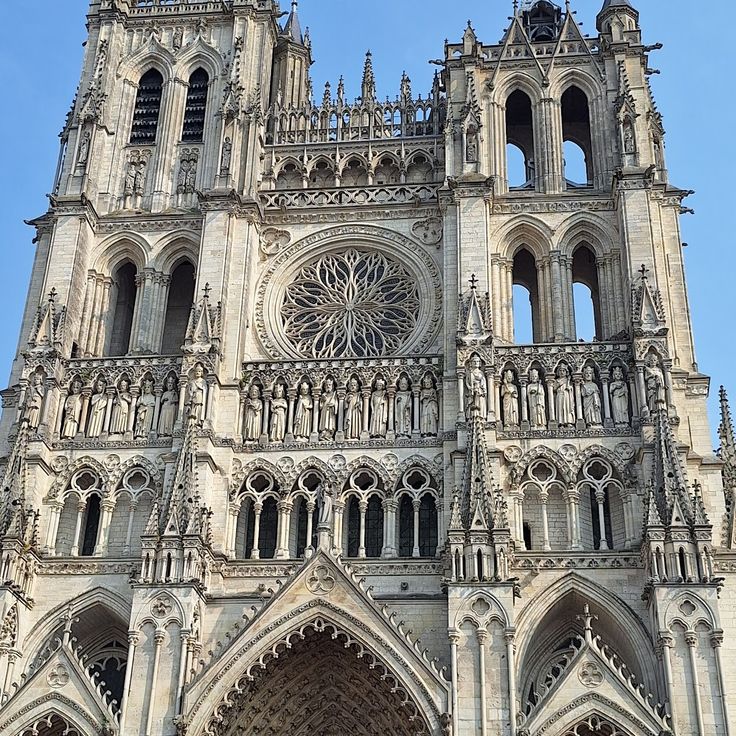
This Gothic cathedral in Amiens stands as an outstanding example of 13th-century French ecclesiastical architecture and ranks among the most significant Gothic religious structures in this collection of historical architecture in France. The construction demonstrates advanced building techniques of the period through its three-aisled nave, transept, and ambulatory with radiating chapels. The structure reaches a height of 139 feet (42.3 meters) in the central nave and extends 476 feet (145 meters) in length. The western facade presents three monumental portals with extensive sculptural programs from the 13th century.
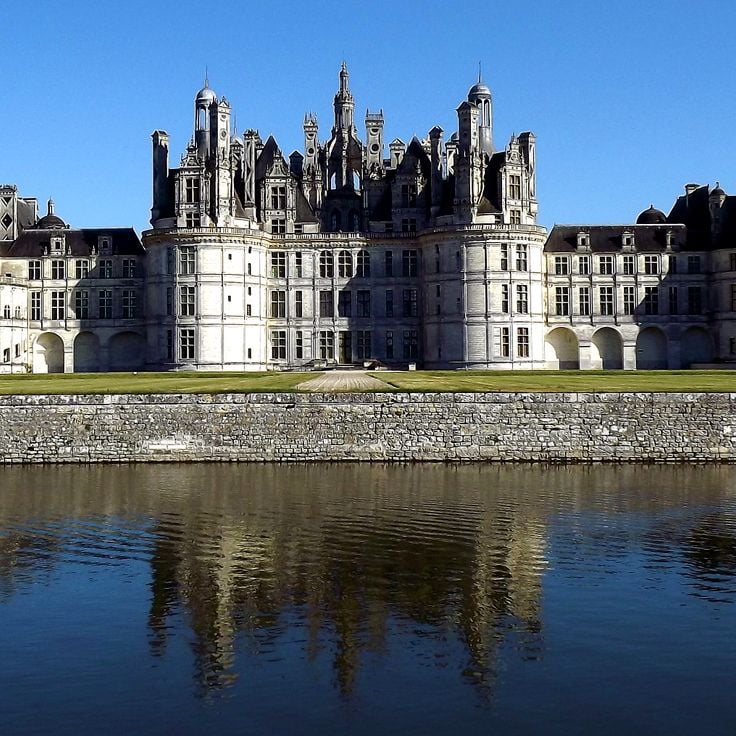
The Château de Chambord represents French Renaissance architecture at its most ambitious, serving as one of the most significant examples from this period. This castle embodies the architectural techniques and engineering of the 16th century through its complex double-helix staircase and extensive system of towers. The structure demonstrates the transition from medieval fortifications to royal residential architecture and stands as evidence of architectural innovation during the French Renaissance.
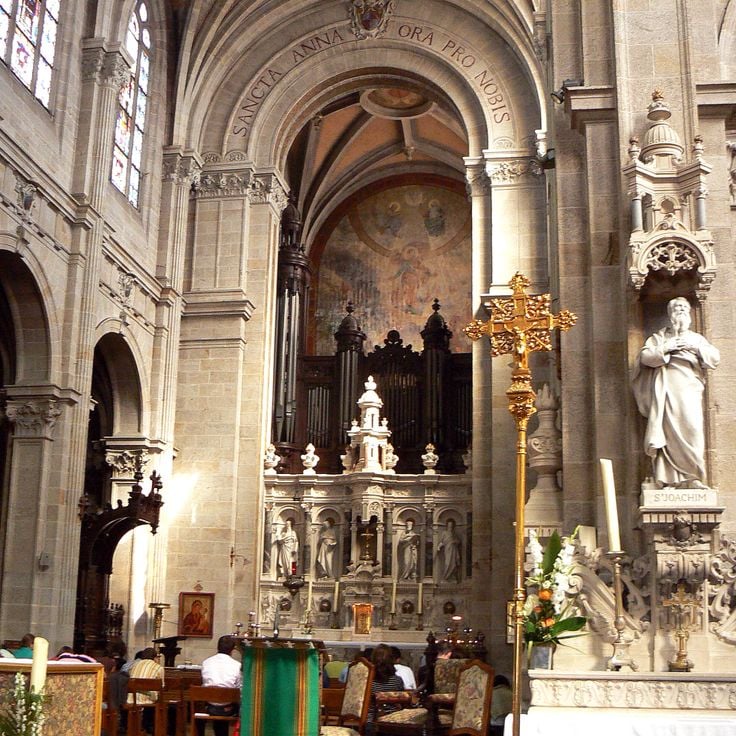
This basilica in Brittany serves as a major Catholic pilgrimage destination and displays neo-Gothic architecture from the 19th century. The church was constructed between 1866 and 1877, replacing earlier chapels at the same location. With its tall towers and detailed stonework, the Basilica of Sainte-Anne-d'Auray represents the revival of Gothic building forms in France during the Second Empire period.
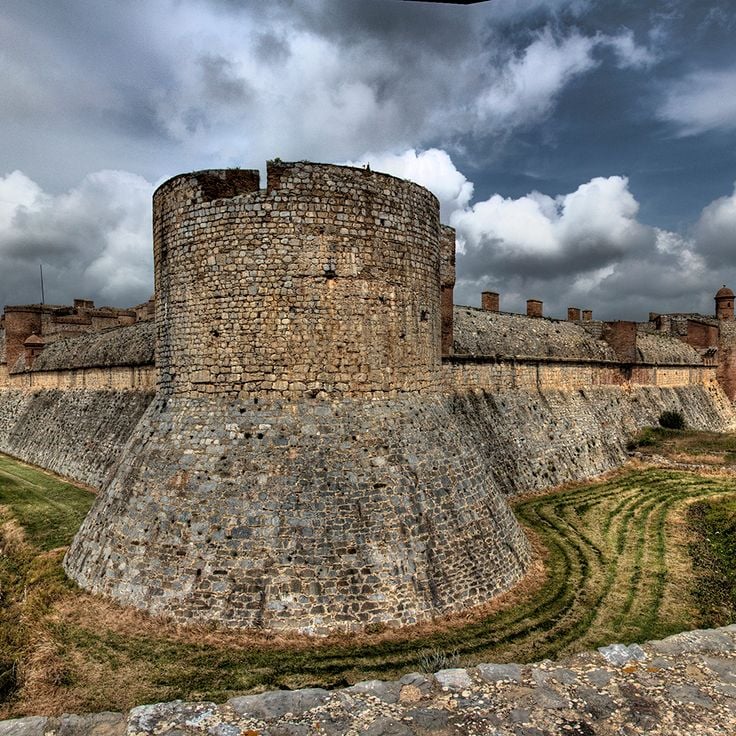
This Catalan fortress from the late 15th century demonstrates the transition from medieval to early modern military architecture in France. The Fortress of Salses combines Gothic defensive elements with adaptations for artillery, featuring thick walls, underground galleries and strategically positioned gun towers. The structure was designed to serve the border between France and Spain, and its construction reflects Catalan building techniques.
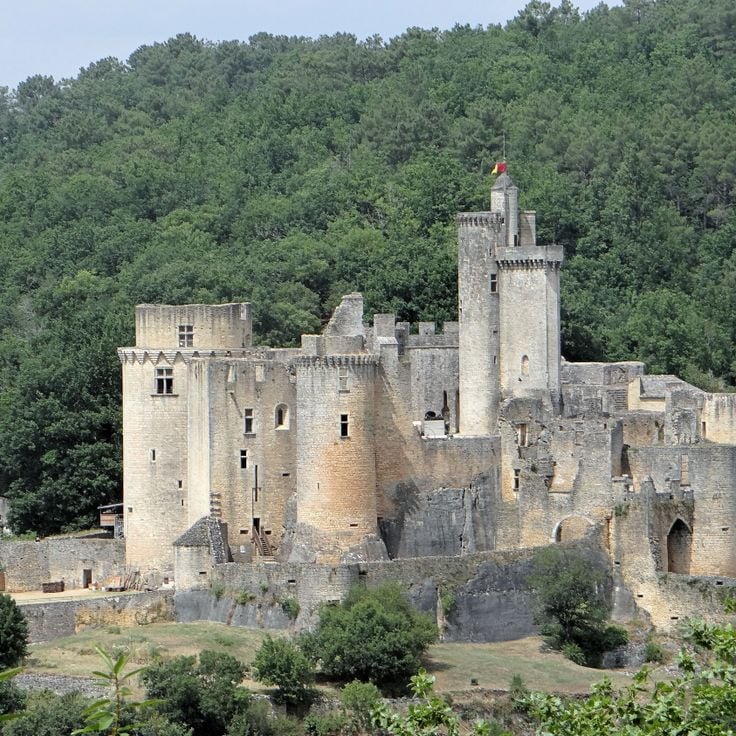
This medieval fortress illustrates the transition between defensive military architecture and Renaissance residential style, demonstrating the evolution of French fortification techniques from the 13th to the 16th century. Bonaguil Castle combines multiple construction phases and represents a significant period in French defensive architecture and the history of military engineering.
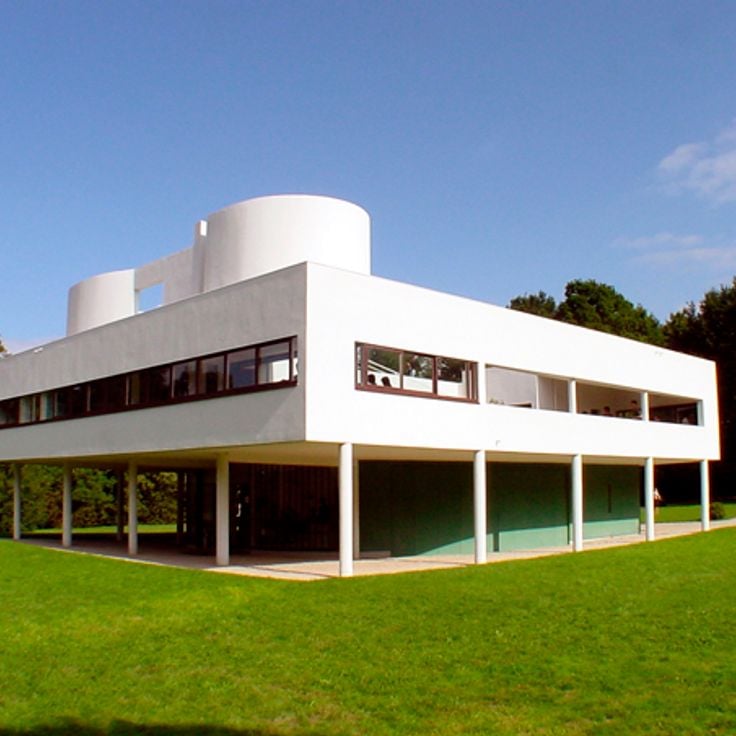
This villa embodies Le Corbusier's five points of modern architecture with pilotis, roof garden, free plan, ribbon windows and free facade design. Villa Savoye was built between nineteen twenty-eight and nineteen thirty-one as a weekend house for the Savoye family and displays cubic forms raised on slender columns. The building demonstrates principles of the International Style movement with functional spaces and geometric clarity.
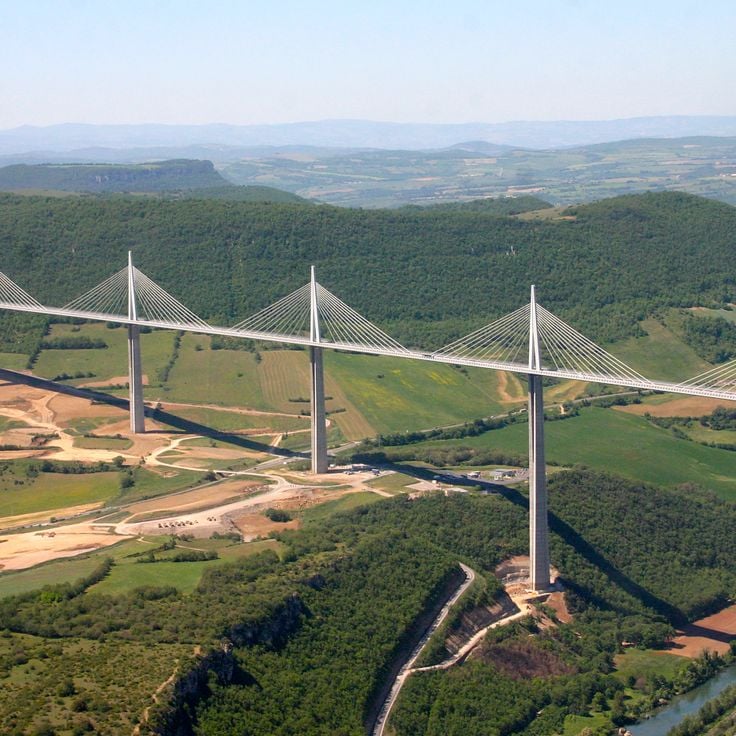
This viaduct represents modern engineering and adds a contemporary architectural element to the collection of historical French structures. The bridge opened in 2004 and connects two plateaus across the Tarn Valley in southern France. With pylons reaching up to 1,125 feet (343 meters), it ranks among the tallest bridge structures in the world and demonstrates advanced construction techniques of the twenty-first century.
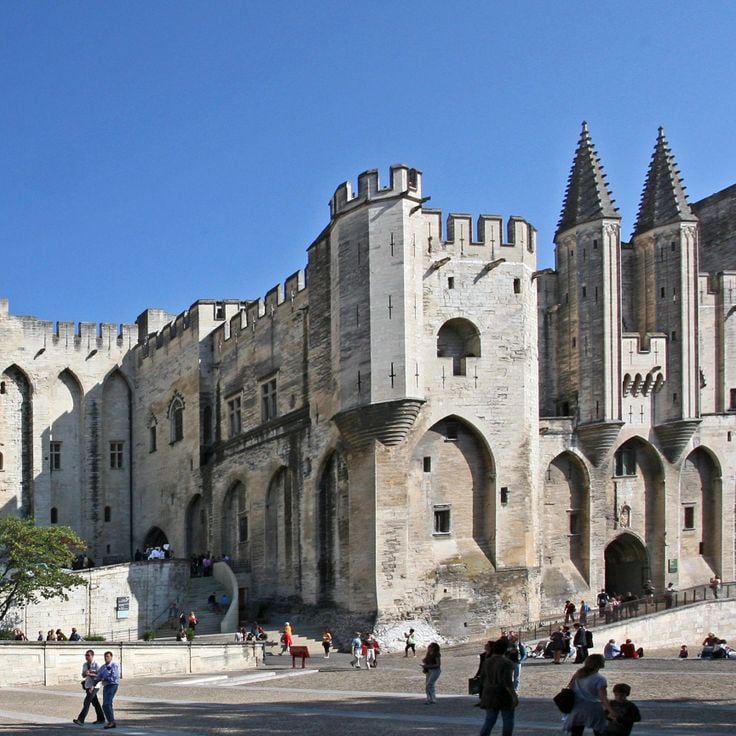
This medieval structure in Avignon stands as one of Europe's largest Gothic palaces and served as the residence of several popes during the 14th century. The Papal Palace documents a significant period when the Catholic Church moved its seat from Rome to France. The massive stone walls, towers and halls demonstrate the political and religious power of the papacy during this era and illustrate medieval fortification techniques combined with representative architecture.
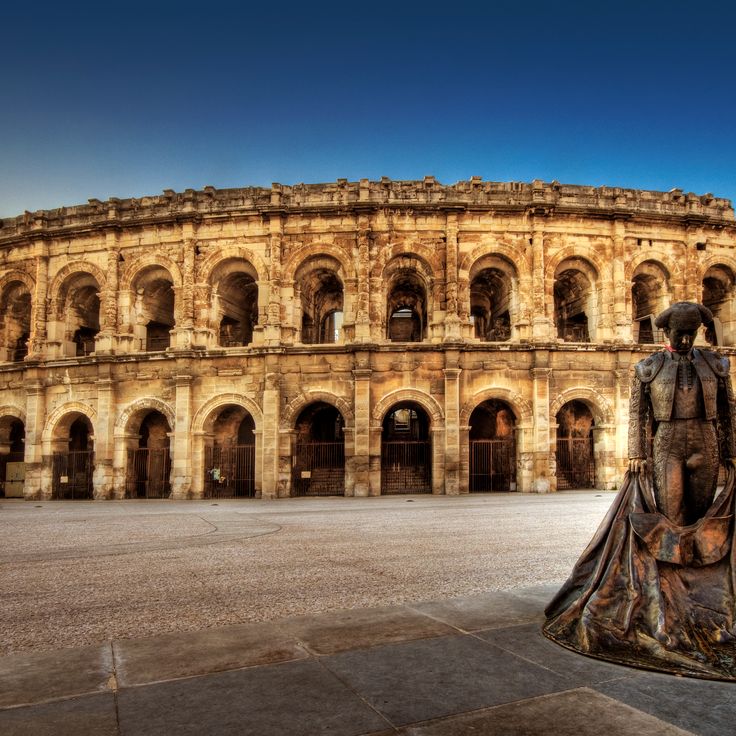
This first-century Roman amphitheater ranks among the best preserved examples of its kind worldwide. The Arena of Nîmes displays characteristic Roman engineering with its two stories of 60 arcades, an elliptical layout measuring 436 by 331 feet (133 by 101 meters), and an original capacity of approximately 24,000 spectators. The structure served various purposes over centuries, including use as a medieval fortress and residential quarter, before restoration in the 19th century. Today this well-maintained construction illustrates Roman building techniques and entertainment architecture in the province of Gallia Narbonensis.
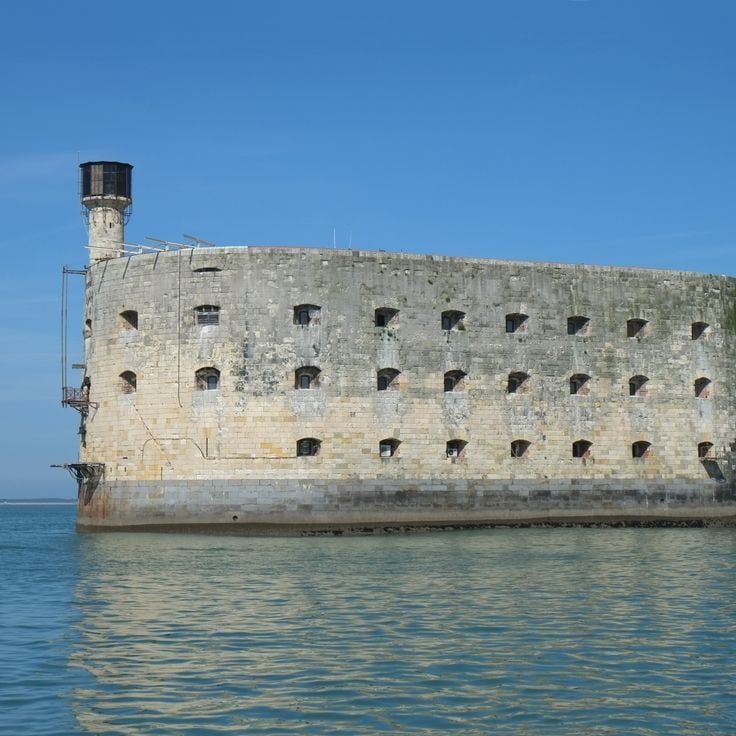
This fort stands on a sandbank in the Atlantic Ocean between Île d'Aix and Île d'Oléron. Fort Boyard was constructed between 1804 and 1857 to defend the strategic approaches to the Charente estuary. The oval fortress built of local limestone rises 66 feet (20 meters) above sea level and measures approximately 223 feet (68 meters) in length by 102 feet (31 meters) in width. The construction overcame considerable engineering challenges posed by tides and ocean currents. Today the structure serves as a filming location for television productions and remains an example of 19th-century French military architecture.
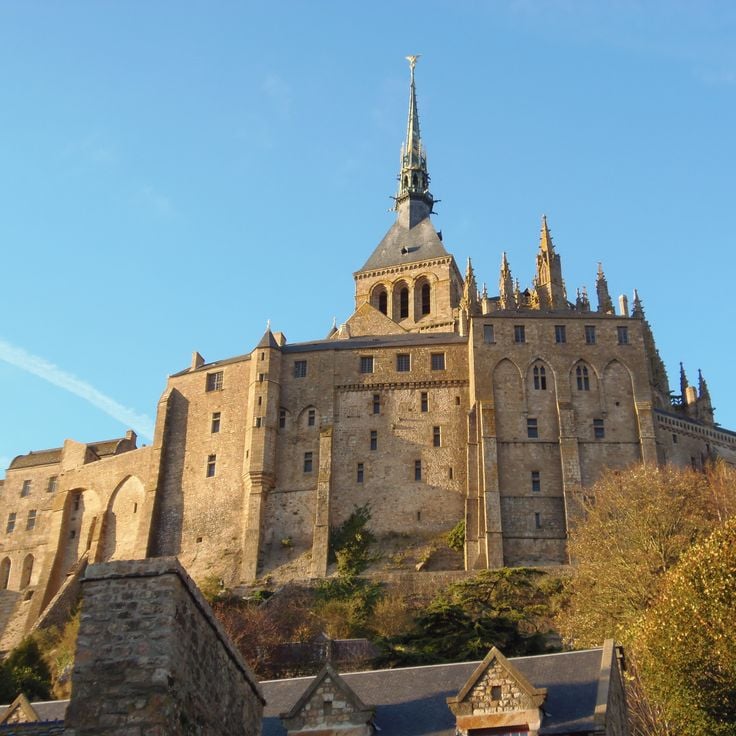
This abbey combines Romanesque and Gothic architectural styles on a rocky island off the Normandy coast. Benedictine monks built the church, cloister and monastic buildings from the 11th century onward, spanning multiple levels of the rock formation. The construction demonstrates medieval building techniques including vaulted halls, stone buttresses and a suspended cloister. The abbey church sits at the summit, rising above the monastic quarters and defensive fortifications below.
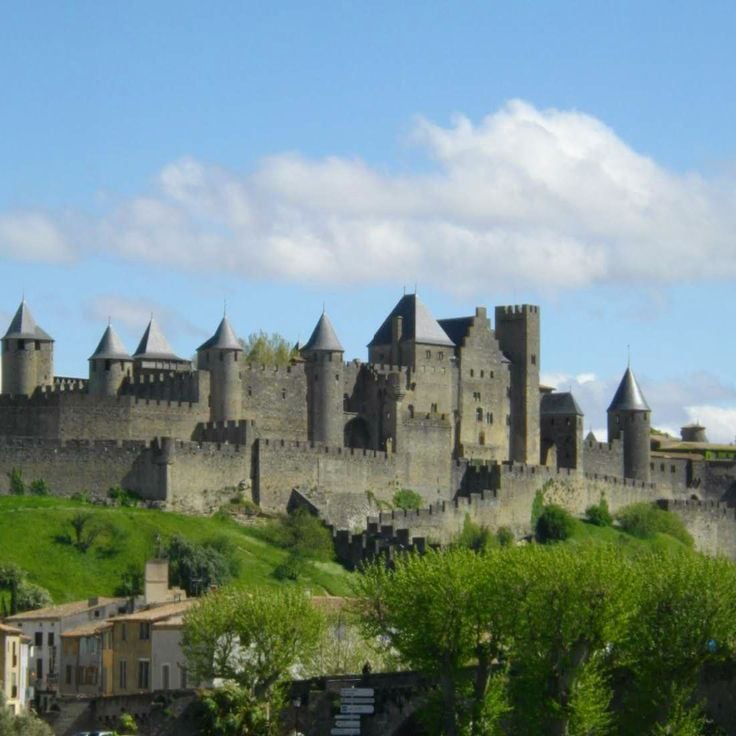
This medieval fortified city is listed as a UNESCO World Heritage site and represents French military architecture through multiple centuries. Carcassonne contains two concentric defensive walls with 52 towers and barbicans constructed between the 11th and 14th centuries. The complex demonstrates defensive techniques across different periods and shows architectural evolution from the High Middle Ages through the 19th-century restoration by Viollet-le-Duc.
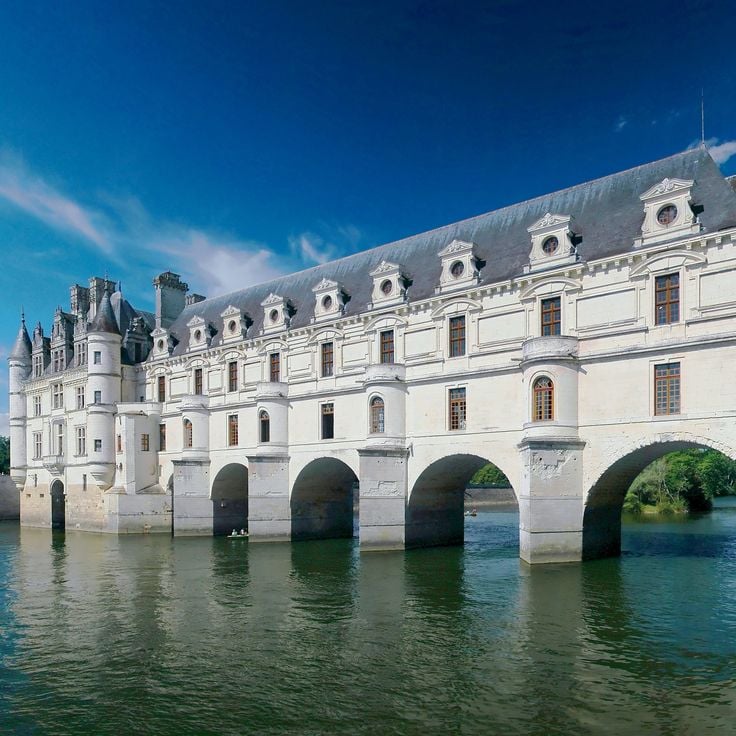
This Renaissance castle was built on pillars in the Cher River and demonstrates architectural techniques from a key period in French history. The Château de Chenonceau features a gallery bridge extending across the water and two formal gardens. The construction on river pillars represents a notable engineering achievement of the 16th century and marks the transition from medieval fortresses to elegant Renaissance residences.
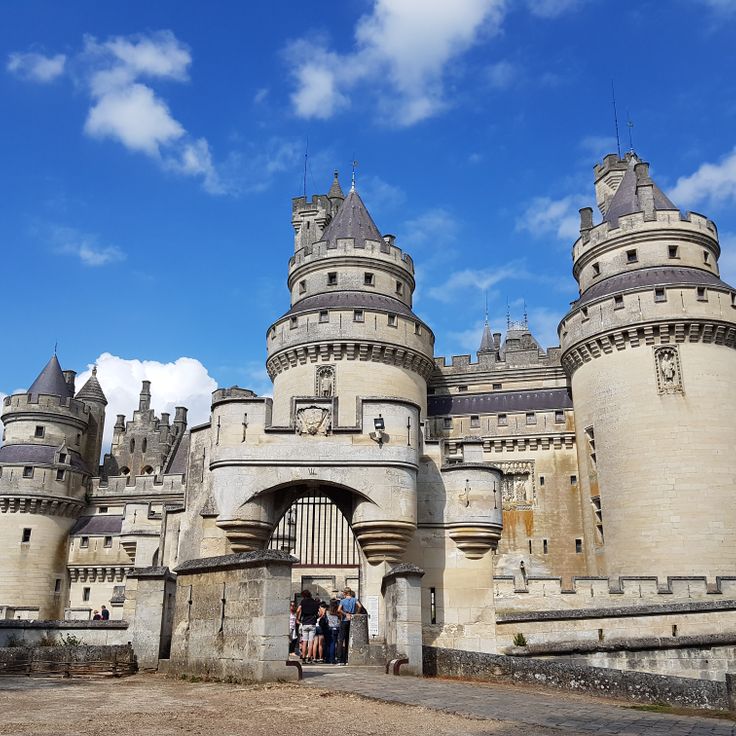
This 14th century medieval castle underwent extensive 19th century restoration under Eugène Viollet-le-Duc, demonstrating both Gothic military architecture and Romantic revival techniques. The Château de Pierrefonds displays eight massive towers, a functioning drawbridge and a 19th century chapel. The structure combines original medieval fortification elements with neo-Gothic architectural additions, representing two significant periods in French architectural history.
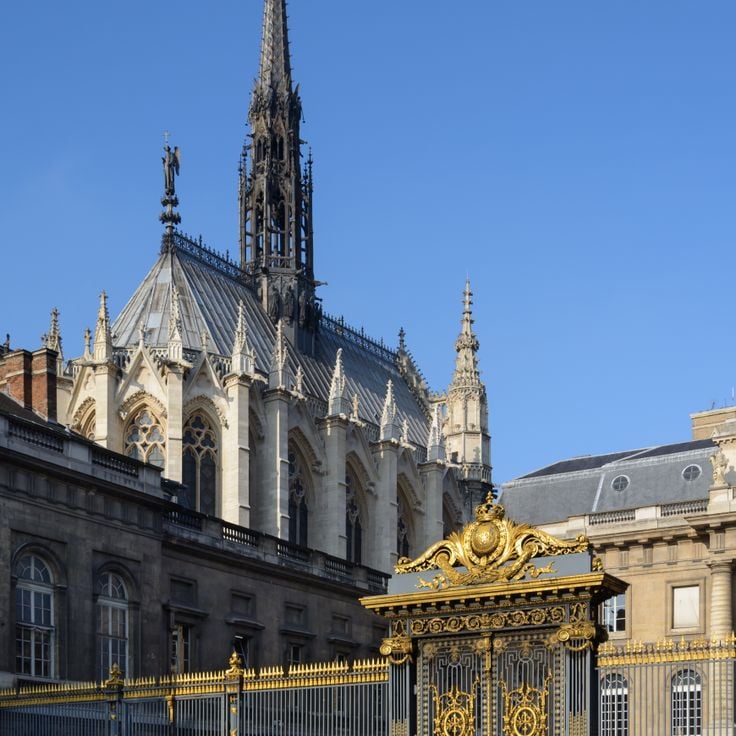
This royal chapel displays a notable collection of 15 stained glass windows dating from the 13th century. The windows depict biblical narratives in sequence, offering visitors insight into French Gothic religious art. Sainte-Chapelle was built as a shrine to house the relics of Christ and demonstrates the technical capabilities of medieval craftsmen. The structure stands among the significant Gothic architectural works in France.
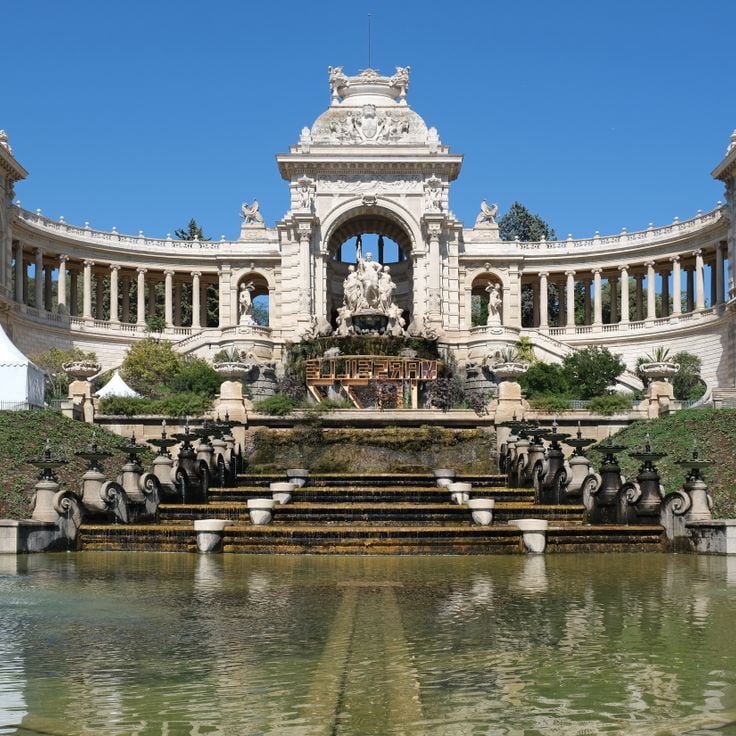
This palace was built in 1869 as a water tower and architectural terminus for the Canal de Marseille. The monumental complex features a central water basin with cascades, two symmetrical museum wings and a colonnade facade in Second Empire style. The structure combines public infrastructure with representative architecture and now houses the Museum of Fine Arts and the Natural History Museum.
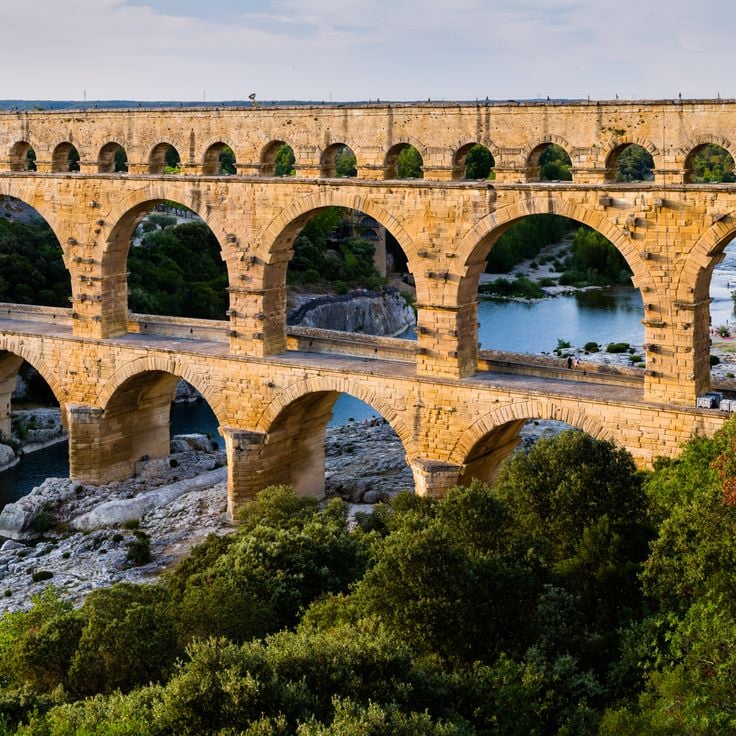
This Roman aqueduct bridge from the first century AD spans the Gardon River and reaches 160 feet (49 meters) in height. The structure consists of three tiers of limestone arches assembled without mortar, using precision-cut blocks weighing up to 13,000 pounds (6 metric tons). The bridge once carried about 11 million gallons (40,000 cubic meters) of water daily across 30 miles (50 kilometers) from Uzès to Nîmes, demonstrating the hydraulic engineering capabilities of first-century Roman builders.
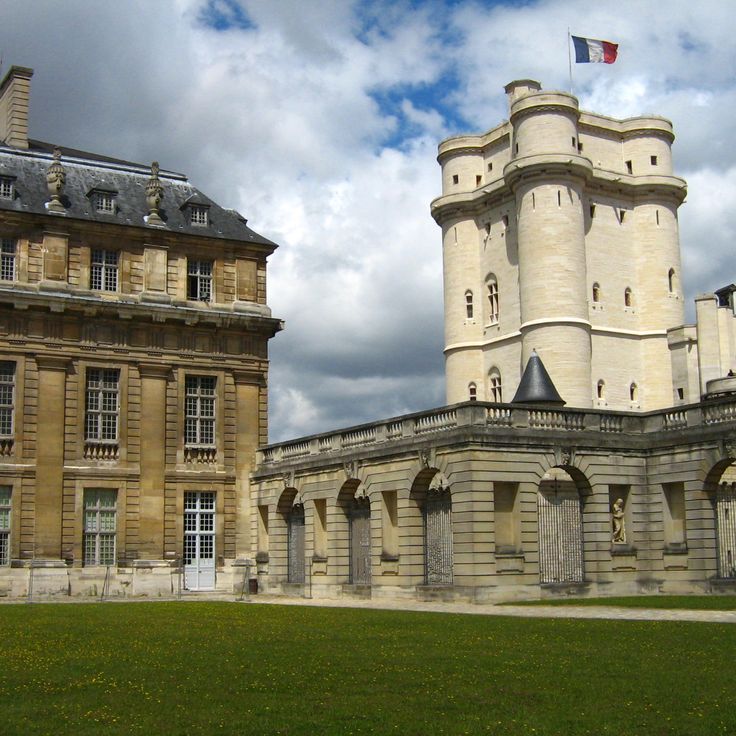
This royal fortress from the 14th and 17th centuries served as a residence for French monarchs across several centuries. The Château de Vincennes demonstrates military architecture through its prominent keep and fortification walls, representing some of the most substantial examples of medieval defensive construction in France.
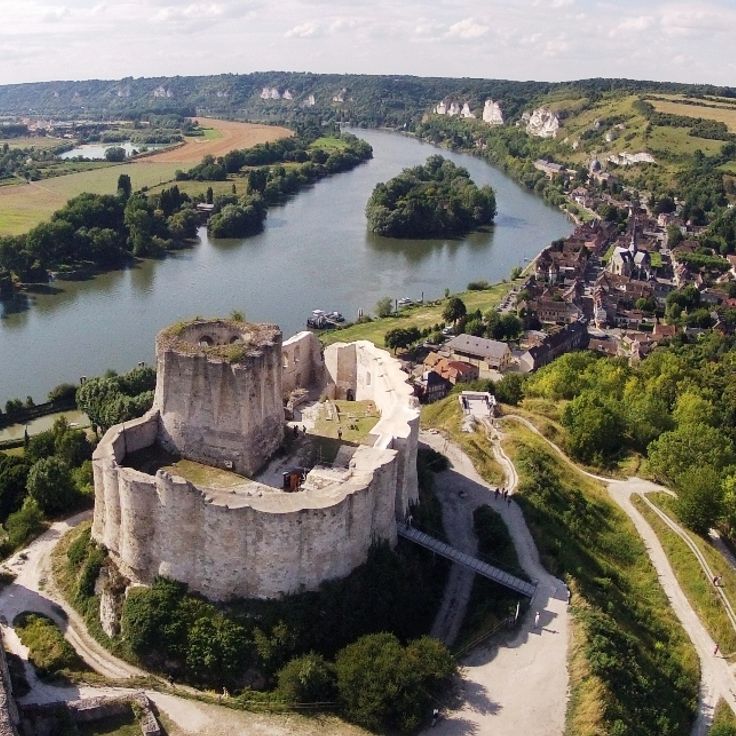
This medieval fortress ruin perches on a cliff above the Seine and was built in the late 12th century under Richard the Lionheart. Château Gaillard exemplifies Norman military architecture with double defensive rings, drawbridges and a circular keep. The strategic position once controlled the Seine valley and connections between Rouen and Paris. Today the preserved wall sections, bastions and vaulted remains convey the military engineering skill of medieval France and document the conflicts between England and France during the Middle Ages.
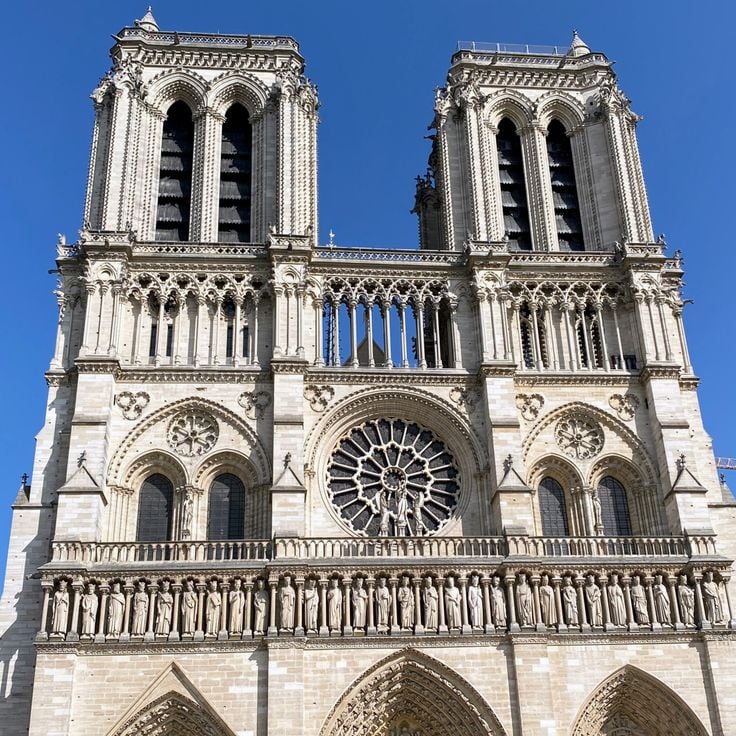
This cathedral was built between the 12th and 14th centuries and demonstrates the evolution of French Gothic architecture through its flying buttresses, rose windows and sculptural facades. Notre-Dame de Paris served as a religious and cultural center for over eight hundred years and survived wars, revolutions and a major fire in 2019 that triggered extensive restoration work.
This Gothic cathedral in Amiens stands as an outstanding example of 13th-century French ecclesiastical architecture and ranks among the most significant Gothic religious structures in this collection of historical architecture in France. The construction demonstrates advanced building techniques of the period through its three-aisled nave, transept, and ambulatory with radiating chapels. The structure reaches a height of 139 feet (42.3 meters) in the central nave and extends 476 feet (145 meters) in length. The western facade presents three monumental portals with extensive sculptural programs from the 13th century.
The Château de Chambord represents French Renaissance architecture at its most ambitious, serving as one of the most significant examples from this period. This castle embodies the architectural techniques and engineering of the 16th century through its complex double-helix staircase and extensive system of towers. The structure demonstrates the transition from medieval fortifications to royal residential architecture and stands as evidence of architectural innovation during the French Renaissance.
This basilica in Brittany serves as a major Catholic pilgrimage destination and displays neo-Gothic architecture from the 19th century. The church was constructed between 1866 and 1877, replacing earlier chapels at the same location. With its tall towers and detailed stonework, the Basilica of Sainte-Anne-d'Auray represents the revival of Gothic building forms in France during the Second Empire period.
This Catalan fortress from the late 15th century demonstrates the transition from medieval to early modern military architecture in France. The Fortress of Salses combines Gothic defensive elements with adaptations for artillery, featuring thick walls, underground galleries and strategically positioned gun towers. The structure was designed to serve the border between France and Spain, and its construction reflects Catalan building techniques.
This medieval fortress illustrates the transition between defensive military architecture and Renaissance residential style, demonstrating the evolution of French fortification techniques from the 13th to the 16th century. Bonaguil Castle combines multiple construction phases and represents a significant period in French defensive architecture and the history of military engineering.
This villa embodies Le Corbusier's five points of modern architecture with pilotis, roof garden, free plan, ribbon windows and free facade design. Villa Savoye was built between nineteen twenty-eight and nineteen thirty-one as a weekend house for the Savoye family and displays cubic forms raised on slender columns. The building demonstrates principles of the International Style movement with functional spaces and geometric clarity.
This viaduct represents modern engineering and adds a contemporary architectural element to the collection of historical French structures. The bridge opened in 2004 and connects two plateaus across the Tarn Valley in southern France. With pylons reaching up to 1,125 feet (343 meters), it ranks among the tallest bridge structures in the world and demonstrates advanced construction techniques of the twenty-first century.
This medieval structure in Avignon stands as one of Europe's largest Gothic palaces and served as the residence of several popes during the 14th century. The Papal Palace documents a significant period when the Catholic Church moved its seat from Rome to France. The massive stone walls, towers and halls demonstrate the political and religious power of the papacy during this era and illustrate medieval fortification techniques combined with representative architecture.
This first-century Roman amphitheater ranks among the best preserved examples of its kind worldwide. The Arena of Nîmes displays characteristic Roman engineering with its two stories of 60 arcades, an elliptical layout measuring 436 by 331 feet (133 by 101 meters), and an original capacity of approximately 24,000 spectators. The structure served various purposes over centuries, including use as a medieval fortress and residential quarter, before restoration in the 19th century. Today this well-maintained construction illustrates Roman building techniques and entertainment architecture in the province of Gallia Narbonensis.
This fort stands on a sandbank in the Atlantic Ocean between Île d'Aix and Île d'Oléron. Fort Boyard was constructed between 1804 and 1857 to defend the strategic approaches to the Charente estuary. The oval fortress built of local limestone rises 66 feet (20 meters) above sea level and measures approximately 223 feet (68 meters) in length by 102 feet (31 meters) in width. The construction overcame considerable engineering challenges posed by tides and ocean currents. Today the structure serves as a filming location for television productions and remains an example of 19th-century French military architecture.
This abbey combines Romanesque and Gothic architectural styles on a rocky island off the Normandy coast. Benedictine monks built the church, cloister and monastic buildings from the 11th century onward, spanning multiple levels of the rock formation. The construction demonstrates medieval building techniques including vaulted halls, stone buttresses and a suspended cloister. The abbey church sits at the summit, rising above the monastic quarters and defensive fortifications below.
This medieval fortified city is listed as a UNESCO World Heritage site and represents French military architecture through multiple centuries. Carcassonne contains two concentric defensive walls with 52 towers and barbicans constructed between the 11th and 14th centuries. The complex demonstrates defensive techniques across different periods and shows architectural evolution from the High Middle Ages through the 19th-century restoration by Viollet-le-Duc.
This Renaissance castle was built on pillars in the Cher River and demonstrates architectural techniques from a key period in French history. The Château de Chenonceau features a gallery bridge extending across the water and two formal gardens. The construction on river pillars represents a notable engineering achievement of the 16th century and marks the transition from medieval fortresses to elegant Renaissance residences.
This 14th century medieval castle underwent extensive 19th century restoration under Eugène Viollet-le-Duc, demonstrating both Gothic military architecture and Romantic revival techniques. The Château de Pierrefonds displays eight massive towers, a functioning drawbridge and a 19th century chapel. The structure combines original medieval fortification elements with neo-Gothic architectural additions, representing two significant periods in French architectural history.
This royal chapel displays a notable collection of 15 stained glass windows dating from the 13th century. The windows depict biblical narratives in sequence, offering visitors insight into French Gothic religious art. Sainte-Chapelle was built as a shrine to house the relics of Christ and demonstrates the technical capabilities of medieval craftsmen. The structure stands among the significant Gothic architectural works in France.
This palace was built in 1869 as a water tower and architectural terminus for the Canal de Marseille. The monumental complex features a central water basin with cascades, two symmetrical museum wings and a colonnade facade in Second Empire style. The structure combines public infrastructure with representative architecture and now houses the Museum of Fine Arts and the Natural History Museum.
This Roman aqueduct bridge from the first century AD spans the Gardon River and reaches 160 feet (49 meters) in height. The structure consists of three tiers of limestone arches assembled without mortar, using precision-cut blocks weighing up to 13,000 pounds (6 metric tons). The bridge once carried about 11 million gallons (40,000 cubic meters) of water daily across 30 miles (50 kilometers) from Uzès to Nîmes, demonstrating the hydraulic engineering capabilities of first-century Roman builders.
This royal fortress from the 14th and 17th centuries served as a residence for French monarchs across several centuries. The Château de Vincennes demonstrates military architecture through its prominent keep and fortification walls, representing some of the most substantial examples of medieval defensive construction in France.
This medieval fortress ruin perches on a cliff above the Seine and was built in the late 12th century under Richard the Lionheart. Château Gaillard exemplifies Norman military architecture with double defensive rings, drawbridges and a circular keep. The strategic position once controlled the Seine valley and connections between Rouen and Paris. Today the preserved wall sections, bastions and vaulted remains convey the military engineering skill of medieval France and document the conflicts between England and France during the Middle Ages.
This cathedral was built between the 12th and 14th centuries and demonstrates the evolution of French Gothic architecture through its flying buttresses, rose windows and sculptural facades. Notre-Dame de Paris served as a religious and cultural center for over eight hundred years and survived wars, revolutions and a major fire in 2019 that triggered extensive restoration work.
This Gothic cathedral in Amiens stands as an outstanding example of 13th-century French ecclesiastical architecture and ranks among the most significant Gothic religious structures in this collection of historical architecture in France. The construction demonstrates advanced building techniques of the period through its three-aisled nave, transept, and ambulatory with radiating chapels. The structure reaches a height of 139 feet (42.3 meters) in the central nave and extends 476 feet (145 meters) in length. The western facade presents three monumental portals with extensive sculptural programs from the 13th century.
The Château de Chambord represents French Renaissance architecture at its most ambitious, serving as one of the most significant examples from this period. This castle embodies the architectural techniques and engineering of the 16th century through its complex double-helix staircase and extensive system of towers. The structure demonstrates the transition from medieval fortifications to royal residential architecture and stands as evidence of architectural innovation during the French Renaissance.
This basilica in Brittany serves as a major Catholic pilgrimage destination and displays neo-Gothic architecture from the 19th century. The church was constructed between 1866 and 1877, replacing earlier chapels at the same location. With its tall towers and detailed stonework, the Basilica of Sainte-Anne-d'Auray represents the revival of Gothic building forms in France during the Second Empire period.
This Catalan fortress from the late 15th century demonstrates the transition from medieval to early modern military architecture in France. The Fortress of Salses combines Gothic defensive elements with adaptations for artillery, featuring thick walls, underground galleries and strategically positioned gun towers. The structure was designed to serve the border between France and Spain, and its construction reflects Catalan building techniques.
This medieval fortress illustrates the transition between defensive military architecture and Renaissance residential style, demonstrating the evolution of French fortification techniques from the 13th to the 16th century. Bonaguil Castle combines multiple construction phases and represents a significant period in French defensive architecture and the history of military engineering.
This villa embodies Le Corbusier's five points of modern architecture with pilotis, roof garden, free plan, ribbon windows and free facade design. Villa Savoye was built between nineteen twenty-eight and nineteen thirty-one as a weekend house for the Savoye family and displays cubic forms raised on slender columns. The building demonstrates principles of the International Style movement with functional spaces and geometric clarity.
This viaduct represents modern engineering and adds a contemporary architectural element to the collection of historical French structures. The bridge opened in 2004 and connects two plateaus across the Tarn Valley in southern France. With pylons reaching up to 1,125 feet (343 meters), it ranks among the tallest bridge structures in the world and demonstrates advanced construction techniques of the twenty-first century.
This medieval structure in Avignon stands as one of Europe's largest Gothic palaces and served as the residence of several popes during the 14th century. The Papal Palace documents a significant period when the Catholic Church moved its seat from Rome to France. The massive stone walls, towers and halls demonstrate the political and religious power of the papacy during this era and illustrate medieval fortification techniques combined with representative architecture.
This first-century Roman amphitheater ranks among the best preserved examples of its kind worldwide. The Arena of Nîmes displays characteristic Roman engineering with its two stories of 60 arcades, an elliptical layout measuring 436 by 331 feet (133 by 101 meters), and an original capacity of approximately 24,000 spectators. The structure served various purposes over centuries, including use as a medieval fortress and residential quarter, before restoration in the 19th century. Today this well-maintained construction illustrates Roman building techniques and entertainment architecture in the province of Gallia Narbonensis.
This fort stands on a sandbank in the Atlantic Ocean between Île d'Aix and Île d'Oléron. Fort Boyard was constructed between 1804 and 1857 to defend the strategic approaches to the Charente estuary. The oval fortress built of local limestone rises 66 feet (20 meters) above sea level and measures approximately 223 feet (68 meters) in length by 102 feet (31 meters) in width. The construction overcame considerable engineering challenges posed by tides and ocean currents. Today the structure serves as a filming location for television productions and remains an example of 19th-century French military architecture.
This abbey combines Romanesque and Gothic architectural styles on a rocky island off the Normandy coast. Benedictine monks built the church, cloister and monastic buildings from the 11th century onward, spanning multiple levels of the rock formation. The construction demonstrates medieval building techniques including vaulted halls, stone buttresses and a suspended cloister. The abbey church sits at the summit, rising above the monastic quarters and defensive fortifications below.
This medieval fortified city is listed as a UNESCO World Heritage site and represents French military architecture through multiple centuries. Carcassonne contains two concentric defensive walls with 52 towers and barbicans constructed between the 11th and 14th centuries. The complex demonstrates defensive techniques across different periods and shows architectural evolution from the High Middle Ages through the 19th-century restoration by Viollet-le-Duc.
This Renaissance castle was built on pillars in the Cher River and demonstrates architectural techniques from a key period in French history. The Château de Chenonceau features a gallery bridge extending across the water and two formal gardens. The construction on river pillars represents a notable engineering achievement of the 16th century and marks the transition from medieval fortresses to elegant Renaissance residences.
This 14th century medieval castle underwent extensive 19th century restoration under Eugène Viollet-le-Duc, demonstrating both Gothic military architecture and Romantic revival techniques. The Château de Pierrefonds displays eight massive towers, a functioning drawbridge and a 19th century chapel. The structure combines original medieval fortification elements with neo-Gothic architectural additions, representing two significant periods in French architectural history.
This royal chapel displays a notable collection of 15 stained glass windows dating from the 13th century. The windows depict biblical narratives in sequence, offering visitors insight into French Gothic religious art. Sainte-Chapelle was built as a shrine to house the relics of Christ and demonstrates the technical capabilities of medieval craftsmen. The structure stands among the significant Gothic architectural works in France.
This palace was built in 1869 as a water tower and architectural terminus for the Canal de Marseille. The monumental complex features a central water basin with cascades, two symmetrical museum wings and a colonnade facade in Second Empire style. The structure combines public infrastructure with representative architecture and now houses the Museum of Fine Arts and the Natural History Museum.
This Roman aqueduct bridge from the first century AD spans the Gardon River and reaches 160 feet (49 meters) in height. The structure consists of three tiers of limestone arches assembled without mortar, using precision-cut blocks weighing up to 13,000 pounds (6 metric tons). The bridge once carried about 11 million gallons (40,000 cubic meters) of water daily across 30 miles (50 kilometers) from Uzès to Nîmes, demonstrating the hydraulic engineering capabilities of first-century Roman builders.
This royal fortress from the 14th and 17th centuries served as a residence for French monarchs across several centuries. The Château de Vincennes demonstrates military architecture through its prominent keep and fortification walls, representing some of the most substantial examples of medieval defensive construction in France.
This medieval fortress ruin perches on a cliff above the Seine and was built in the late 12th century under Richard the Lionheart. Château Gaillard exemplifies Norman military architecture with double defensive rings, drawbridges and a circular keep. The strategic position once controlled the Seine valley and connections between Rouen and Paris. Today the preserved wall sections, bastions and vaulted remains convey the military engineering skill of medieval France and document the conflicts between England and France during the Middle Ages.
This cathedral was built between the 12th and 14th centuries and demonstrates the evolution of French Gothic architecture through its flying buttresses, rose windows and sculptural facades. Notre-Dame de Paris served as a religious and cultural center for over eight hundred years and survived wars, revolutions and a major fire in 2019 that triggered extensive restoration work.