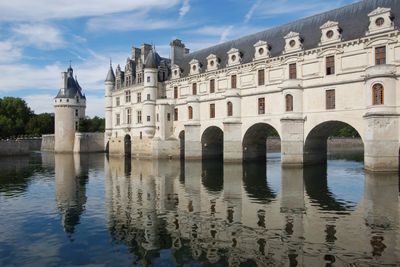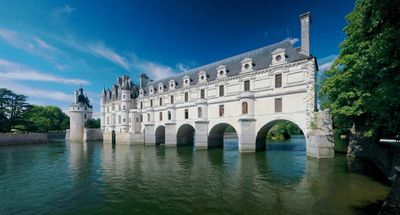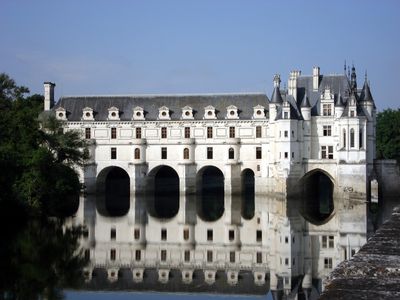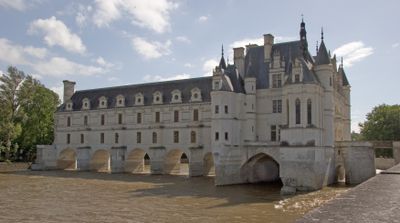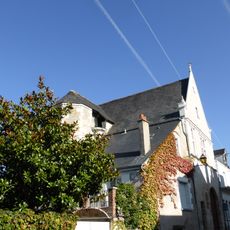
Château de Chenonceau

Log in to your account

AroundUs is a community-driven map of interesting places, built by curious explorers like you. It grows with every review, story, and photo you share.
Connect to save your favorite spots, contribute locations, and create personalized routes.
By continuing, you accept our Terms and Conditions and our Privacy Policy
Add to collection
Map
Suggest a change
Share

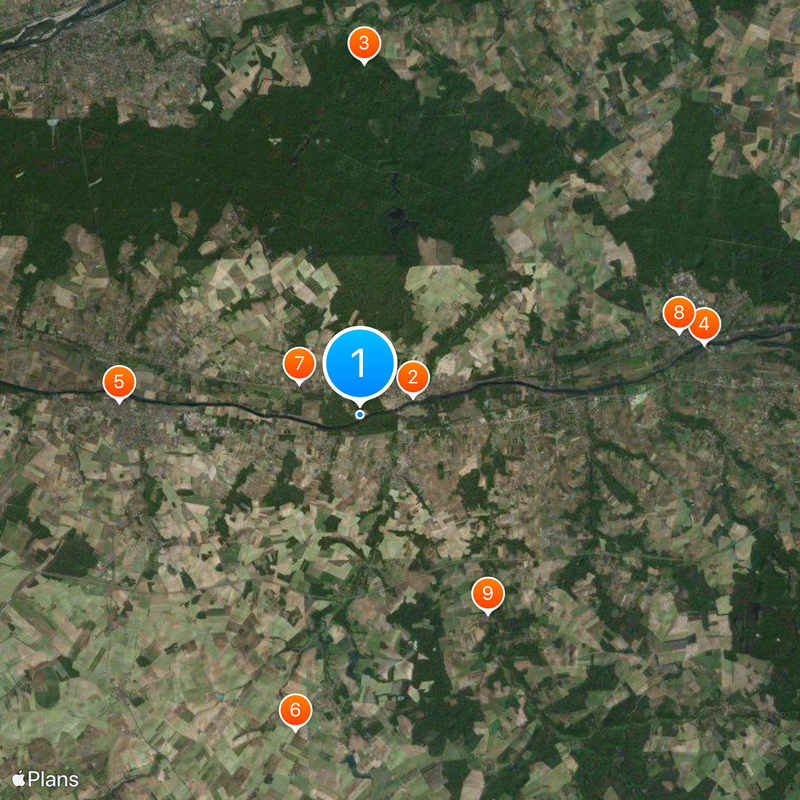
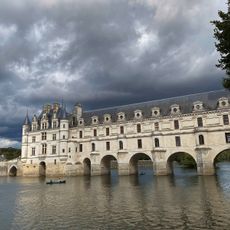
Château de Chenonceau, Renaissance castle in Loire Valley, France

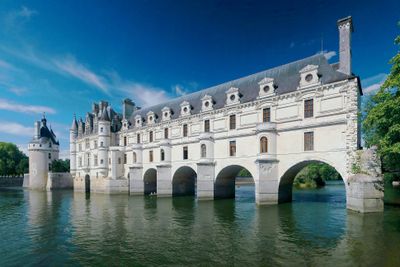
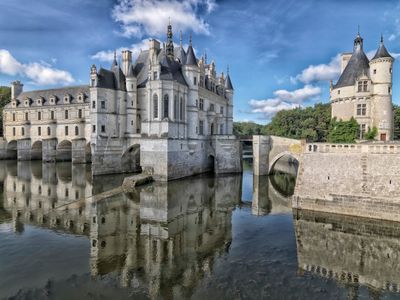
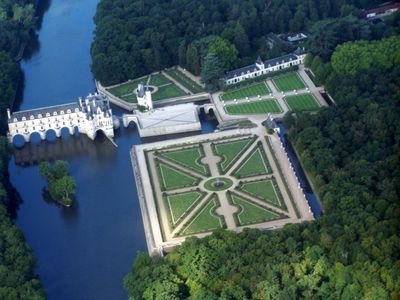
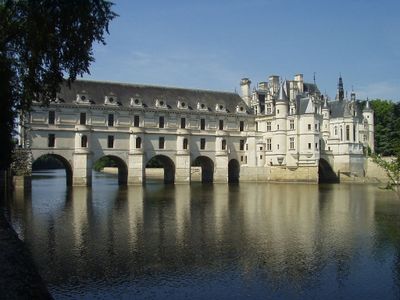
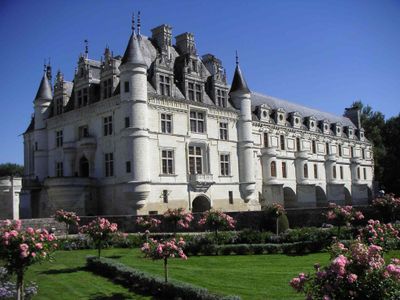
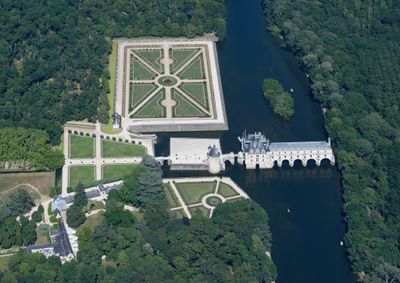
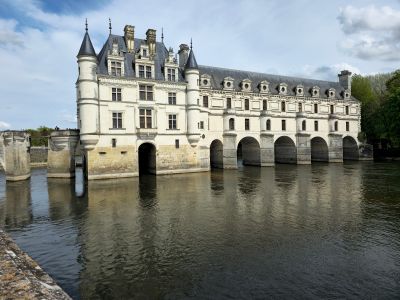
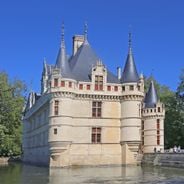
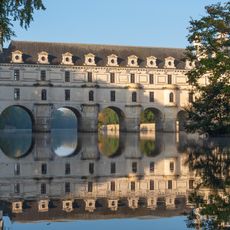
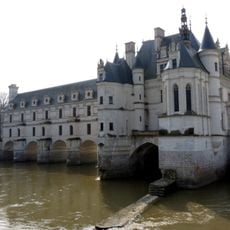
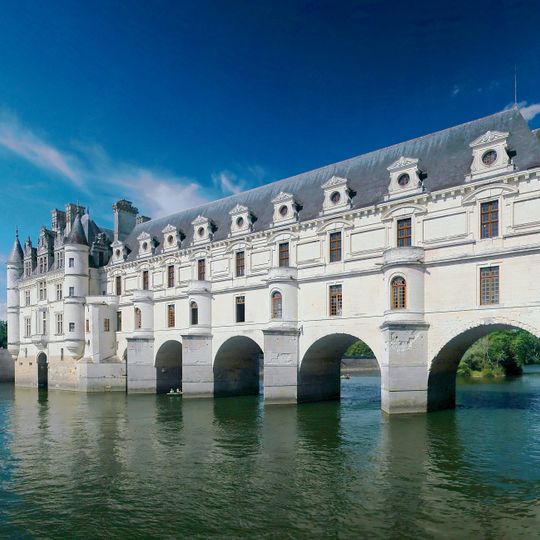
Chenonceau is a Renaissance residence in the Loire Valley, known for its gallery built across the River Cher. The three-story bridge structure connects formal gardens on either bank, while the floor plan features symmetrical rooms that face the water.

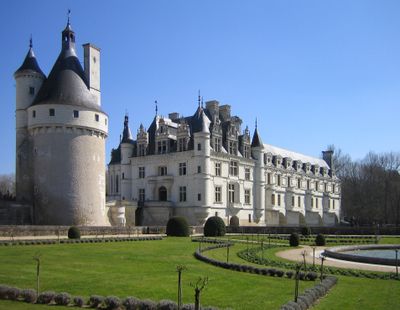
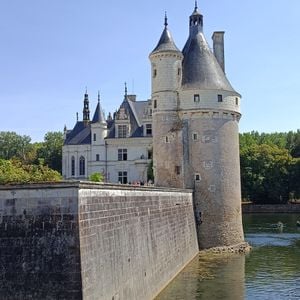
Thomas Bohier purchased the site in 1513 and built the current residence between 1515 and 1521, replacing an old mill but keeping the medieval tower. Later owners expanded the estate with the river gallery and the two gardens.

The estate displays paintings by Renaissance masters such as Rubens and Primatice, hung in rooms furnished with period tapestries and original woodwork. The interiors reflect the tastes and influences of the women who shaped the residence over centuries.

The estate opens daily throughout the year, with guided tours in several languages and evening illuminations during summer. Visiting early morning or late afternoon helps avoid the largest crowds.

During World War II, the gallery served as an escape route between Nazi-occupied northern France and the free southern zone. The border ran precisely through the middle of the gallery, allowing secret crossings.

Location: Chenonceaux

Location: Civray-de-Touraine

Location: Francueil

Inception: 1411

Architects: Philibert de l'Orme, Katherine Briçonnet

Website: https://chenonceau.com

GPS coordinates: 47.32500,1.07060

Latest update: December 4, 2025 19:01

Historical buildings in France: castles, cathedrals, Roman architecture

France's historical architecture documents two millennia of construction, from Roman amphitheaters to modern bridge engineering. The structures demonstrate developments in engineering and architecture across multiple periods. The heritage extends from medieval fortifications like Carcassonne and the Fortress of Salses through Gothic cathedrals such as Notre-Dame de Paris and Amiens Cathedral to Renaissance châteaux including Chambord and Chenonceau. Roman engineering persists in the Pont du Gard and the Arena of Nîmes, while the Papal Palace in Avignon and Sainte-Chapelle illustrate medieval political and religious authority. The Loire Valley châteaux and fortified structures like Bonaguil and Pierrefonds demonstrate defensive architecture and aristocratic living. The 20th century brought new perspectives with Le Corbusier's Villa Savoye, a defining work of modern architecture. The Millau Viaduct represents contemporary engineering achievement. Pilgrimage sites like the Basilica of Sainte-Anne-d'Auray and Mont Saint Michel Abbey combine religious significance with architectural skill. These structures provide insight into French history, construction traditions and technical innovation through the centuries.

Châteaux of the Loire: Renaissance architecture, historic gardens, and royal residences

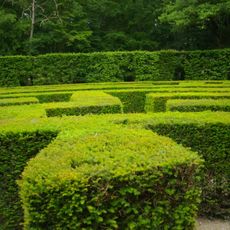
The Loire Valley has castles built between the 15th and 17th centuries. They show the history of the French Renaissance and the classical period. These royal and noble homes tell stories of how people lived and built during those times. You can see carved staircases, water galleries, moats, defensive towers, and parks with geometric designs. Some castles like Chambord or Chenonceau are large and bold in design. Others, like Azay-le-Rideau or Villandry, are charming for their natural settings and restored gardens. Leonardo da Vinci is buried in Amboise. In Blois, four different building styles appear one after another. Loches has a medieval tower. Each place offers a different view of how kings, queens, and noble families lived and shaped this region.

Photo spots in Tours and Val de Loire: places for Instagram and photoshoots

The Loire Valley features Gothic cathedrals, Renaissance châteaux and medieval squares. From Saint-Gatien Cathedral to Château de Chenonceau, each location displays architectural details: towers, stone walls, decorated facades and geometric gardens. The city of Tours combines half-timbered houses, bridges over the Loire, religious buildings and public squares with century-old trees. Saint-Gatien Cathedral rises with its two towers and stained glass windows from the 13th century in the heart of Tours. Château de Chenonceau spans the Cher River with its galleries and French gardens. Place Plumereau in the historic center is surrounded by medieval houses with wooden beams. The Loire châteaux such as Amboise, Villandry and Azay-le-Rideau offer photographs of white stone facades, towers and terraced gardens. The banks of the Loire reveal sandy beaches, old stone bridges and vineyards stretching along the river.

Reviews

Visited this place? Tap the stars to rate it and share your experience / photos with the community! Try now! You can cancel it anytime.

« Château de Chenonceau - Renaissance castle in Loire Valley, France » is provided by Around Us (aroundus.com). Images and texts are derived from Wikimedia project under a Creative Commons license. You are allowed to copy, distribute, and modify copies of this page, under the conditions set by the license, as long as this note is clearly visible.

Discover hidden gems everywhere you go!

From secret cafés to breathtaking viewpoints, skip the crowded tourist spots and find places that match your style. Our app makes it easy with voice search, smart filtering, route optimization, and insider tips from travelers worldwide. Download now for the complete mobile experience.
Around Us App Screenshot

A unique approach to discovering new places

Le Figaro

All the places worth exploring

France Info

A tailor-made excursion in just a few clicks

20 Minutes