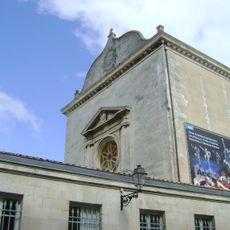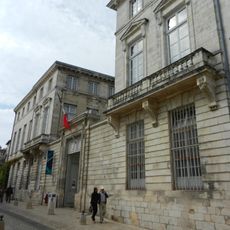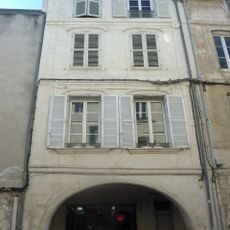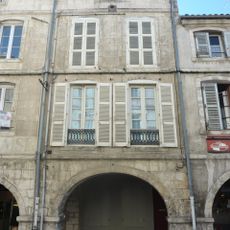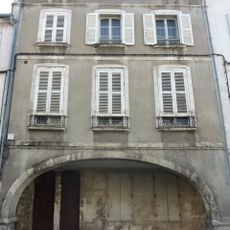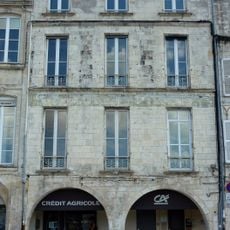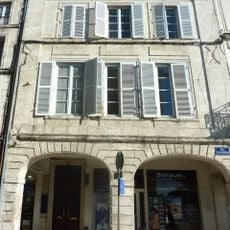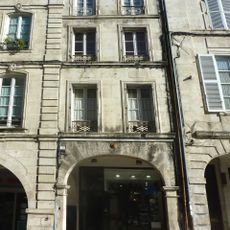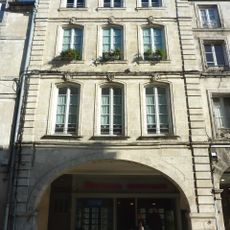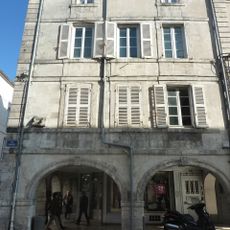
Muséum d'Histoire naturelle de La Rochelle, Natural history museum in La Rochelle, France
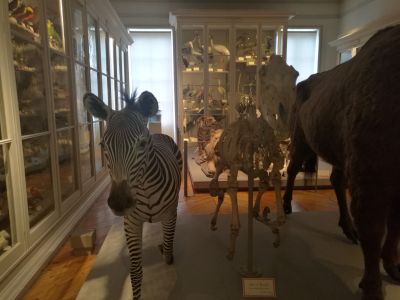
The Natural History Museum of La Rochelle is a building housing objects collected since the 1700s from the natural world and different cultures. Its rooms display fossils, animal specimens, minerals, and items that document human societies across the globe.
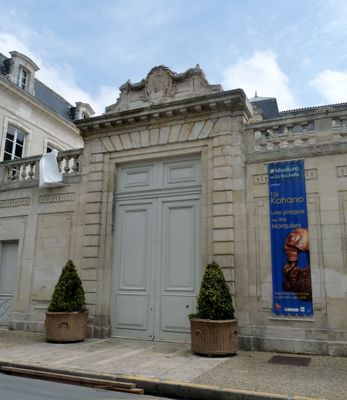
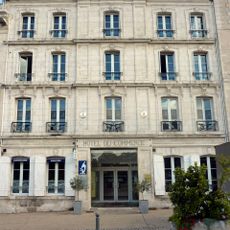
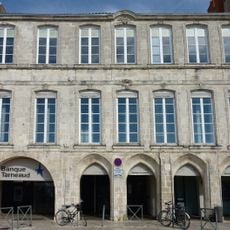
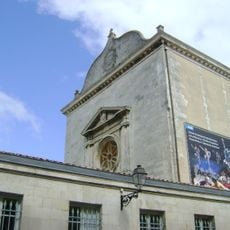
Built between 1708 and 1718 for Jouin de la Tremblay to plans by royal engineer Claude Masse, the house became the residence of the governors of Aunis in 1748. In 1808 Napoleon I gave its two wings to the city for the public library, and in 1832 the left wing was fitted out for the natural history collections. The buildings were listed as historic monuments on 27 October 2003.
The museum displays objects from various cultures around the world, allowing visitors to see how people in different regions lived and worked. The items on view reveal traditions in craftsmanship, daily routines, and spiritual practices.
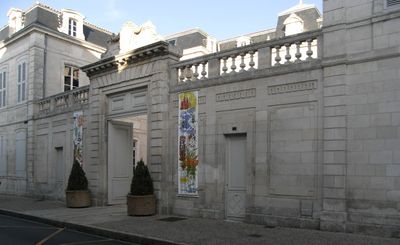
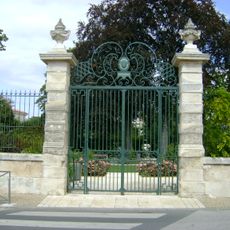
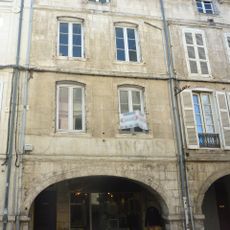
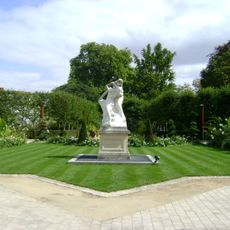
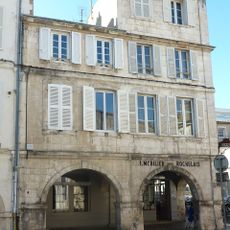
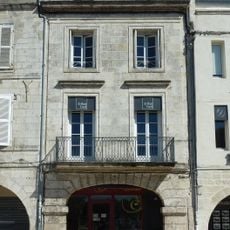
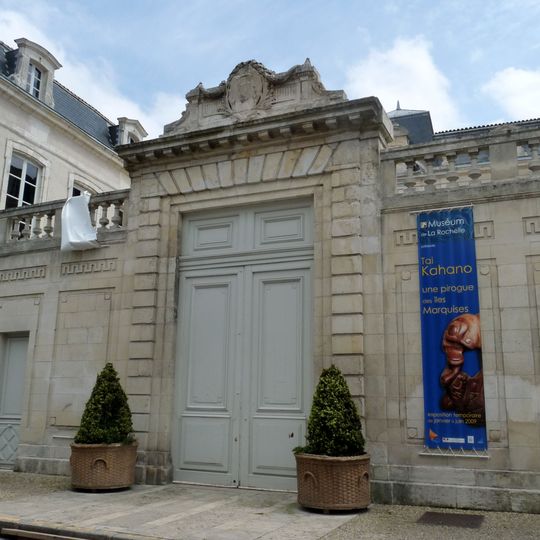
The museum occupies the former governor's palace on Rue Alcide-d'Orbigny, its right wing extended to Rue Albert-Ier in 1914. The entrance is through the arched gateway under the stone balustrade. The 2007 renovation added climate-controlled storage and an auditorium; the exhibition floors are reached by stairs, and the botanical garden and the dolmen of La Jarne stand outside.
The giraffe given to Charles X by Mehémet Ali in 1827 is displayed on the first floor among the zoology collections; the animal's story later inspired the animated film Zarafa. The museum itself did not house the live giraffe.
The community of curious travelers
AroundUs brings together thousands of curated places, local tips, and hidden gems, enriched daily by 93,126 contributors worldwide.