See the monuments around you in AROpen chests in the app
Around Us is built for your phone — point your camera at the streets and discover the monuments and places around you in augmented reality.Around Us is built for your phone — chests unlock when you walk, explore and capture nearby places.
Historical monuments and cultural heritage of Essaouira
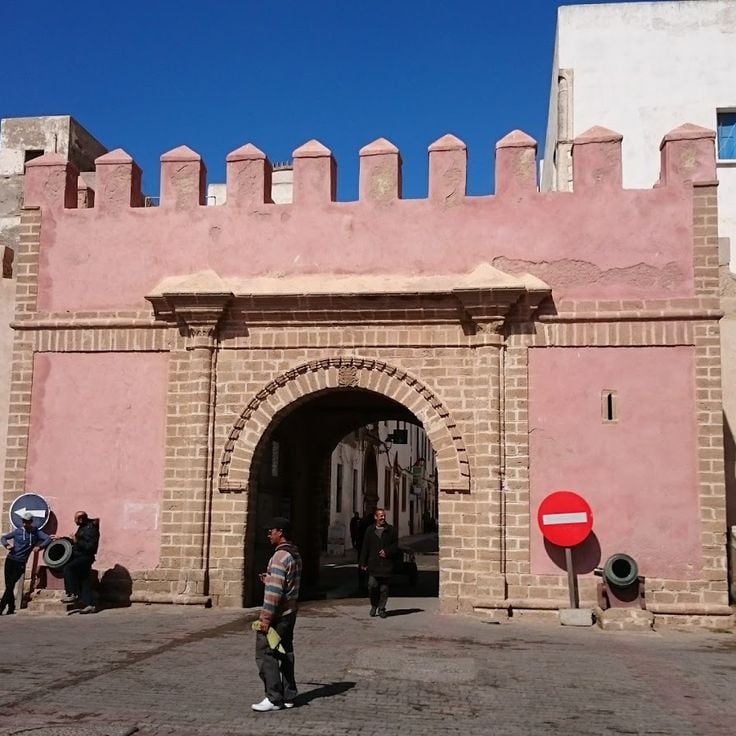
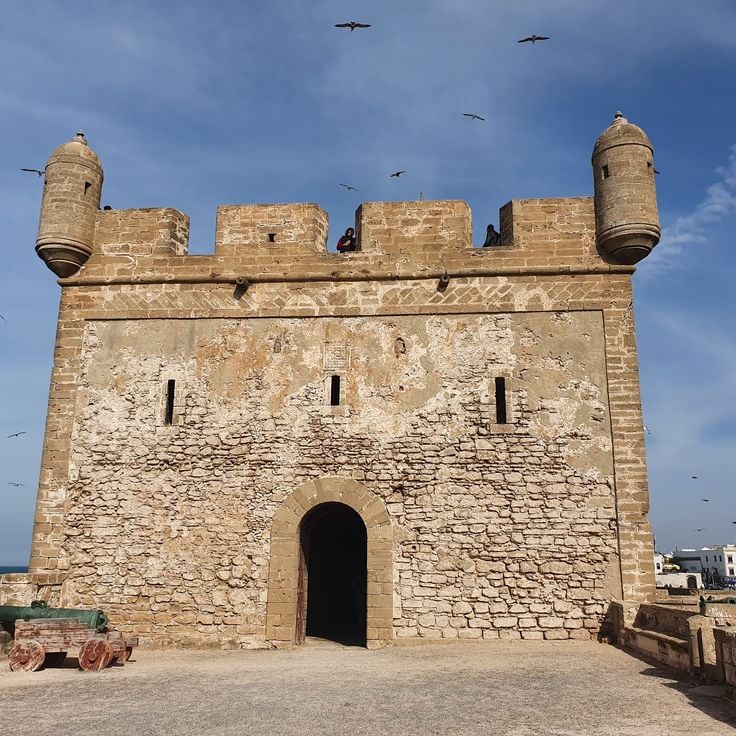
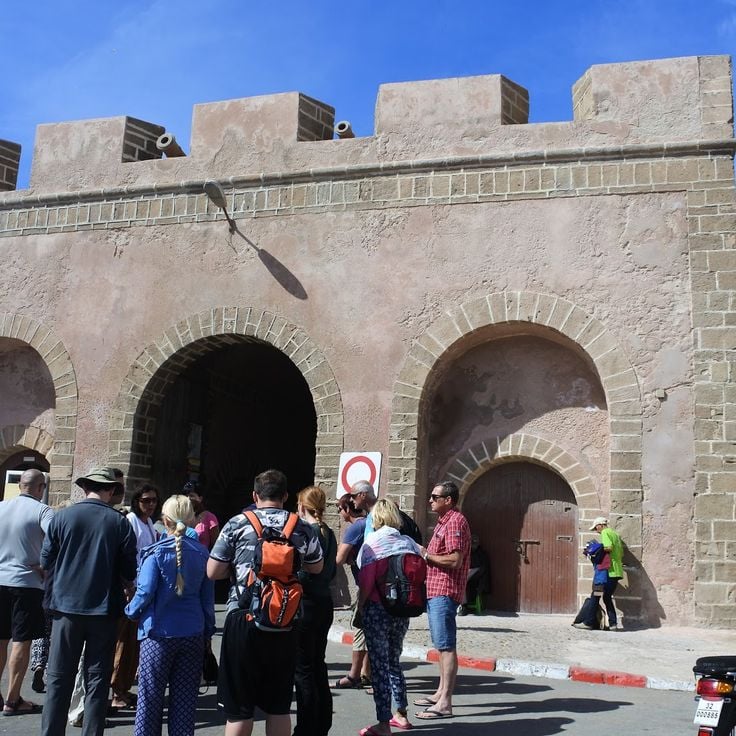
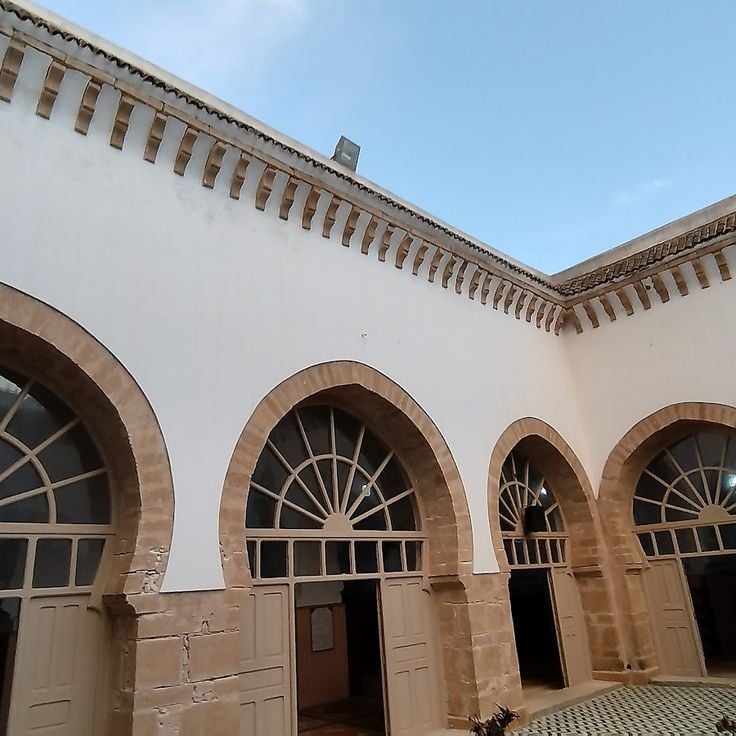
Essaouira is a port city on Morocco's coast where the 18th-century medina stands protected by UNESCO. Massive fortification walls topped with Portuguese cannons enclose the winding streets where traditional markets, mosques, and synagogues sit side by side. Fishing boats painted in blue and white bob in the harbor, while a long sandy beach stretches along the shoreline. Walking through the medina, you pass through narrow alleyways where craftspeople work in shops, and you encounter places of worship that reflect the city's layered history. The Mellah district once housed a thriving Jewish community, and several palaces showcase the region's former wealth and status. The fish market buzzes with activity each morning, and museums display artifacts that tell the story of Essaouira's past. Beyond the walls, argan cooperatives and nearby villages reveal how traditional crafts continue to shape life in this coastal region.
Historical monuments and cultural heritage of Essaouira
Essaouira is a port city on Morocco's coast where the 18th-century medina stands protected by UNESCO. Massive fortification walls topped with Portuguese cannons enclose the winding streets where traditional markets, mosques, and synagogues sit side by side. Fishing boats painted in blue and white bob in the harbor, while a long sandy beach stretches along the shoreline. Walking through the medina, you pass through narrow alleyways where craftspeople work in shops, and you encounter places of worship that reflect the city's layered history. The Mellah district once housed a thriving Jewish community, and several palaces showcase the region's former wealth and status. The fish market buzzes with activity each morning, and museums display artifacts that tell the story of Essaouira's past. Beyond the walls, argan cooperatives and nearby villages reveal how traditional crafts continue to shape life in this coastal region.
The Medina of Essaouira is an 18th-century urban complex protected by UNESCO, featuring narrow alleyways and traditional souks that represent Moroccan architecture of the period. The city is enclosed by fortification walls fitted with Portuguese cannons. The historic fishing port displays blue and white boats that define the maritime character of the city. Synagogues and mosques reflect the religious diversity of the community. A 3-kilometer beach runs along the coast, while palaces and a museum preserve the region's cultural heritage.
The Mellah is the historic quarter within this UNESCO-protected Medina where the Jewish community settled in the 18th century. Synagogues, shops, and traditional houses with interior courtyards line the narrow streets. This district preserves the cultural and religious heritage of Essaouira's diverse past.
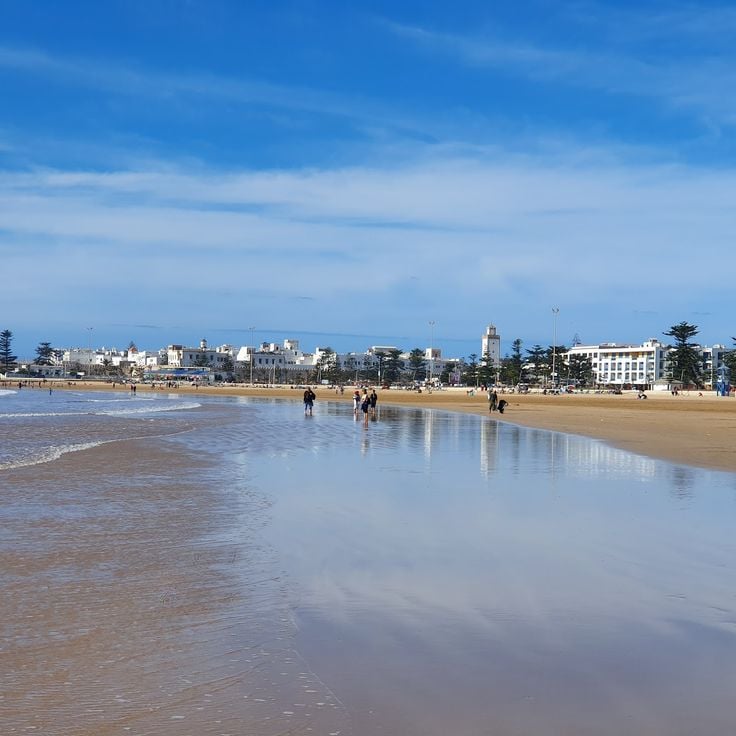
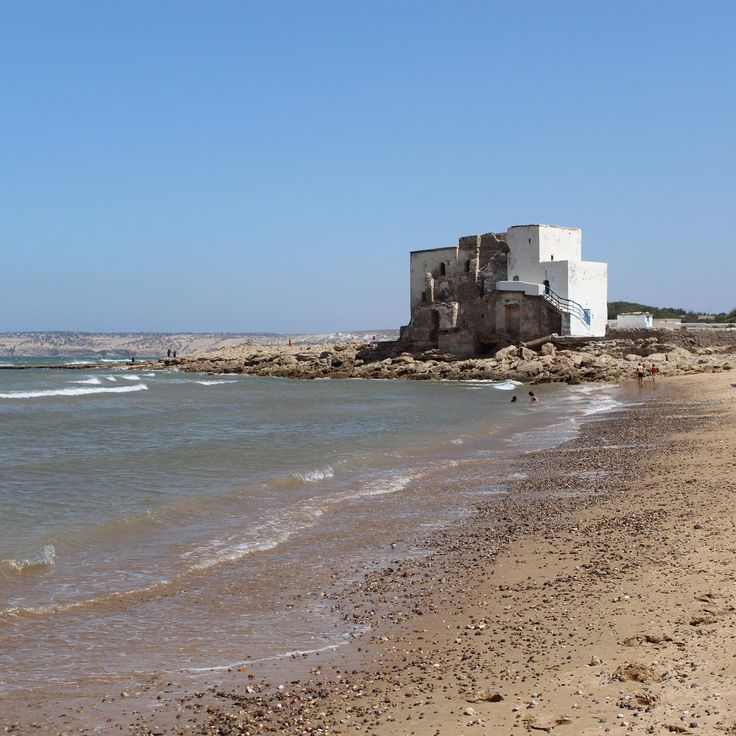
The Essaouira Beach is a long 3-kilometer stretch of coast lined with dunes and eucalyptus trees. Part of this UNESCO-protected port city with 18th-century Moroccan architecture and fortification walls, the beach helps define the maritime character of the place. Constant winds make it suitable for kitesurfing and windsurfing.
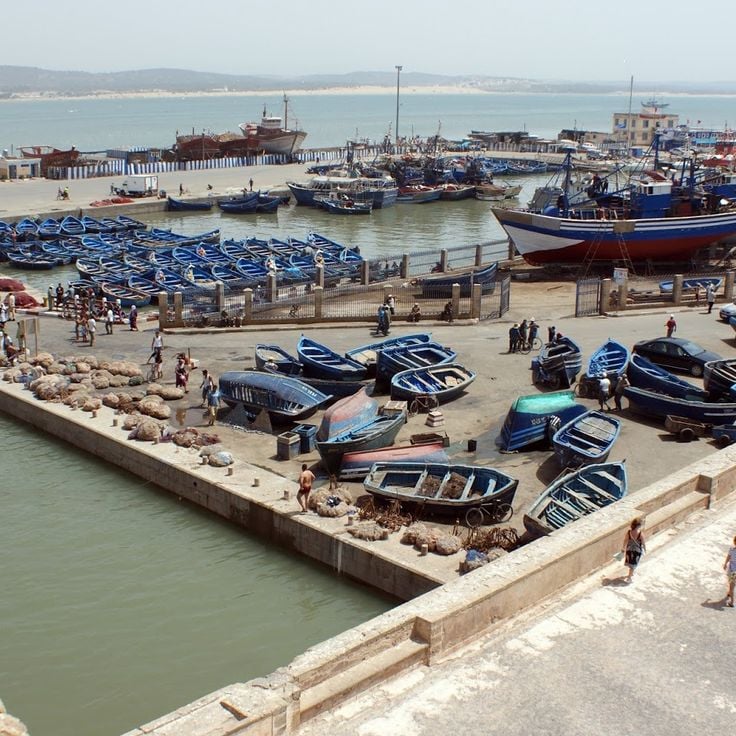
The Essaouira Fishing Port is a key part of the UNESCO-protected Medina and reflects the maritime life of this city. Blue and white boats fill the water here, and fishermen sell their fresh catch directly to local restaurants. The port, with its traditional structures, belongs to the region's cultural heritage.
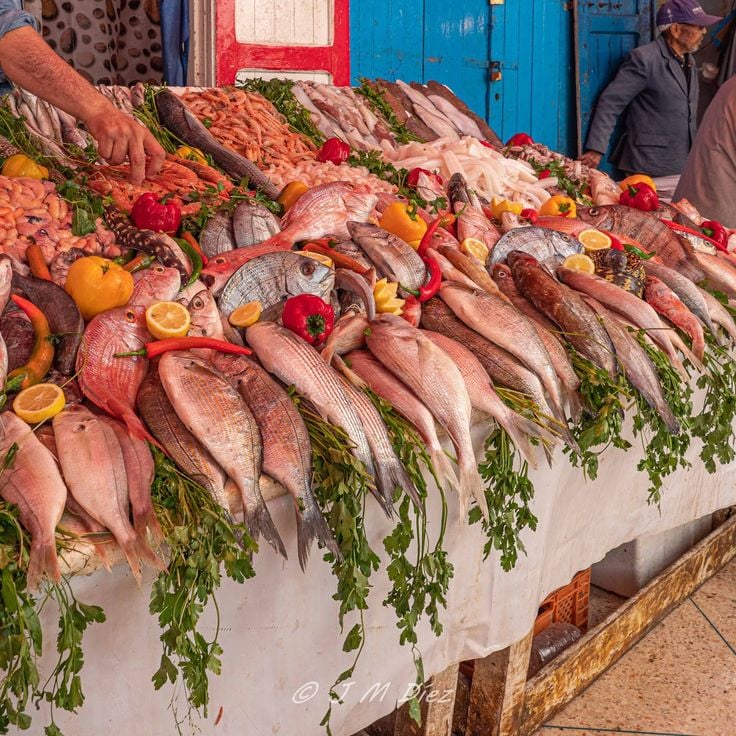
The Fish Market of Essaouira is a central market where local fishermen sell their daily catch. Customers select fresh fish that nearby restaurants prepare right away. This market is part of the UNESCO-protected Medina of Essaouira, which preserves 18th-century Moroccan architecture alongside traditional souks, synagogues, and mosques that shape the maritime character of the region.
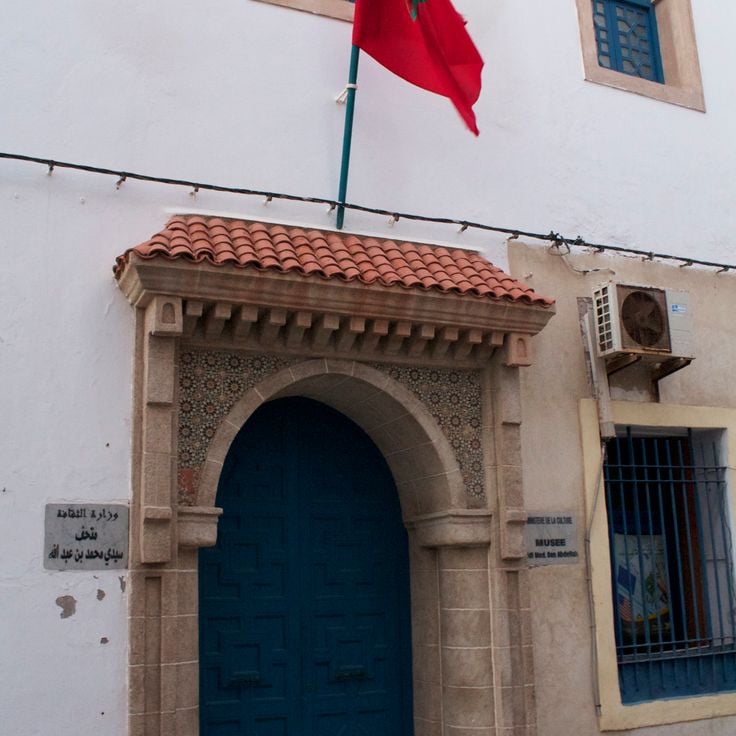
The Sidi Mohammed Ben Abdellah Museum is part of the UNESCO-protected Medina of Essaouira and its 18th-century Moroccan architecture. This 19th-century palace displays collections of local crafts, historical clothing, musical instruments, and Berber jewelry. The exhibition rooms document the history of this port city framed by fortification walls and the 3-kilometer beach.
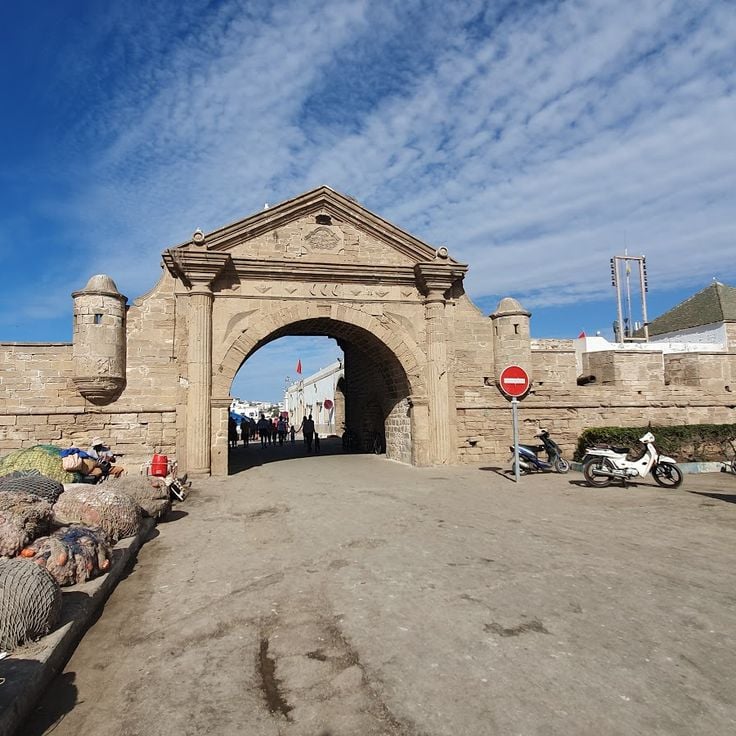
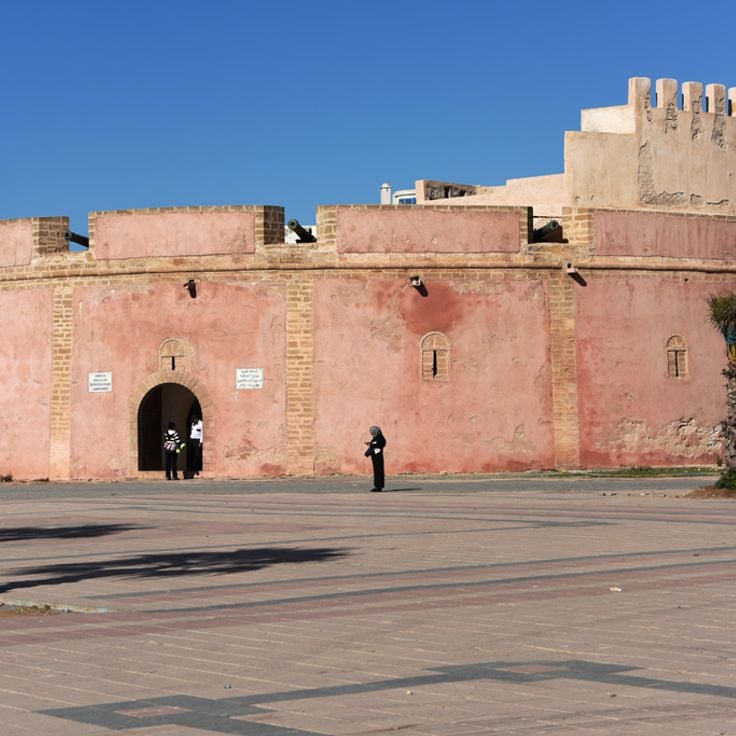
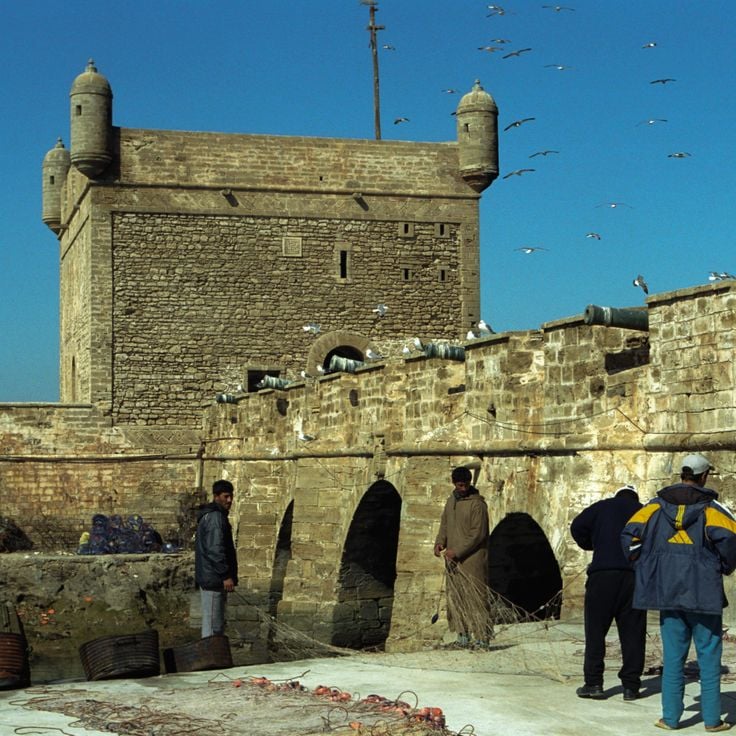
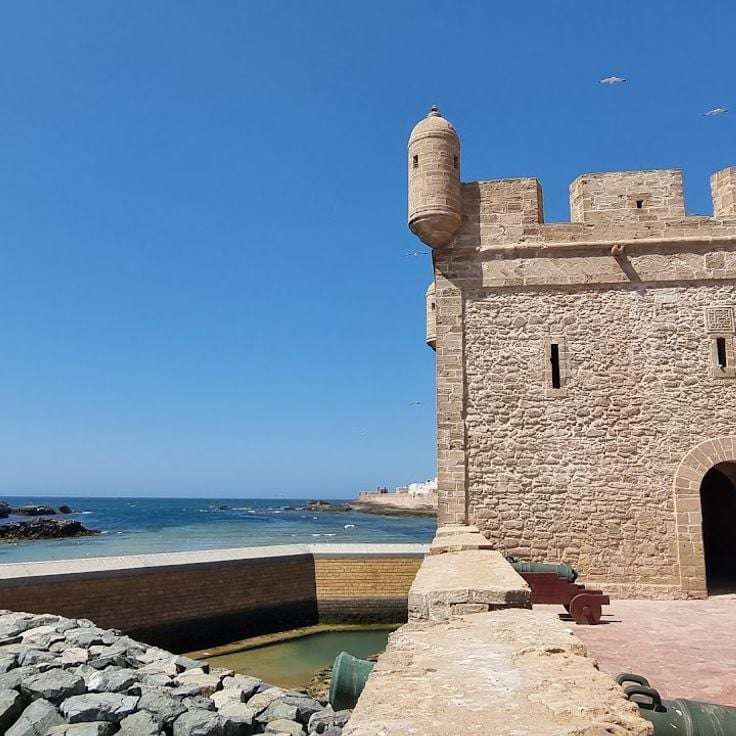
The Essaouira Ramparts are 18th-century defensive walls that form part of the UNESCO-protected Medina of Essaouira. Built by European engineers, these fortifications feature bastions and Portuguese cannons pointing toward the Atlantic Ocean. They enclose traditional souks, synagogues, and mosques, and define the maritime character of this historic coastal city that preserves the region's cultural heritage.
The Ben Youssef Mosque in Essaouira is a religious building from the 18th century located within the medina. It displays characteristic Moroccan architecture of that era, with a white minaret and five entrance gates. Worshippers gather in the prayer hall during daily prayer times. This mosque forms part of the UNESCO-protected cultural heritage of the city and reflects the religious and cultural diversity of the historic center.
The Bab Marrakech Bastion is an 18th-century defensive structure at the south entrance of the Essaouira medina. It preserves the military history of this UNESCO-protected old town with its fortification walls, traditional souks, and fishing port. Historical cannons face the Atlantic Ocean and recall the strategic importance of this location.
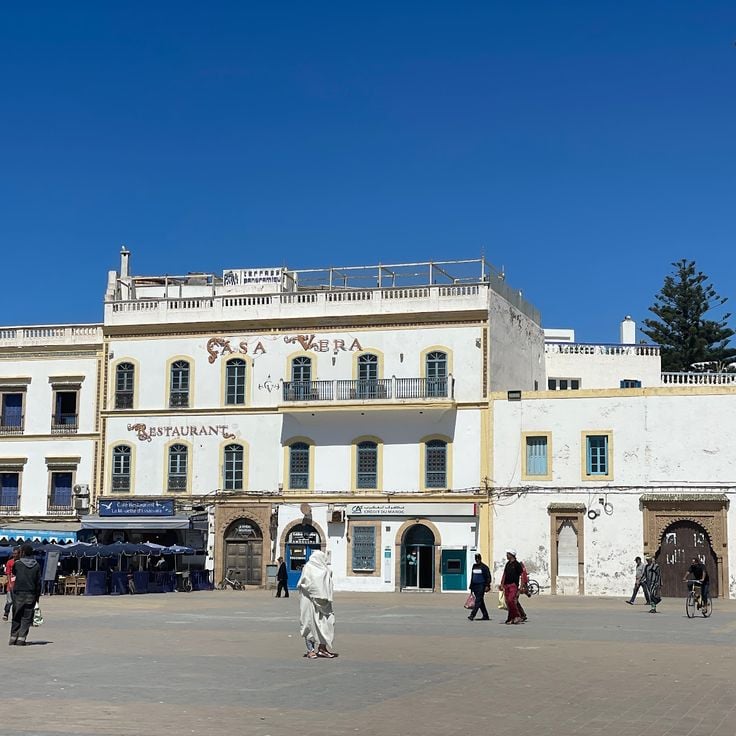
Moulay Hassan Square is a large paved square in the center of Essaouira, part of the UNESCO-protected Medina with its 18th-century Moroccan architecture. The square serves as a gathering place for locals and is lined with restaurants, cafes, and terraces serving Moroccan dishes. It connects the traditional souks to the fishing port and reflects the daily rhythm of the city.
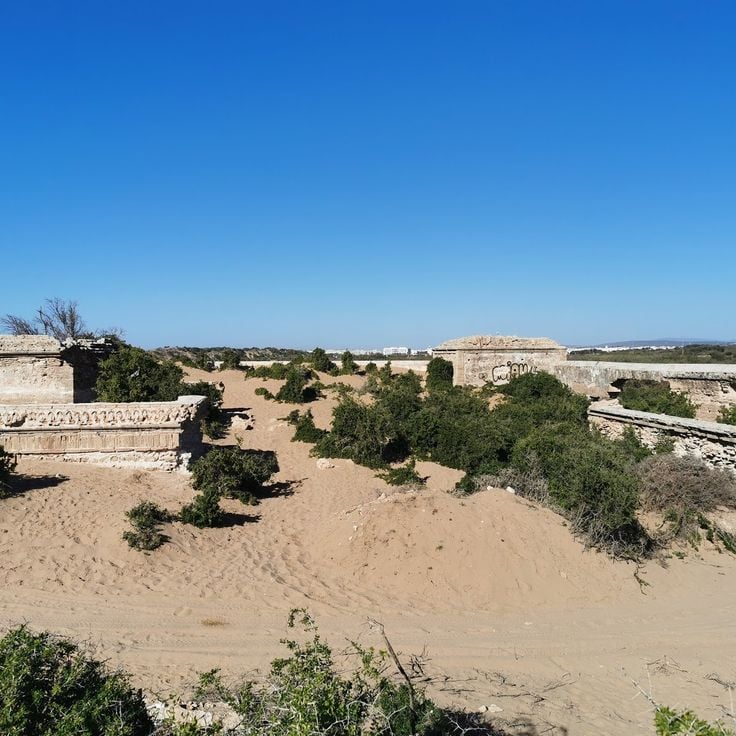
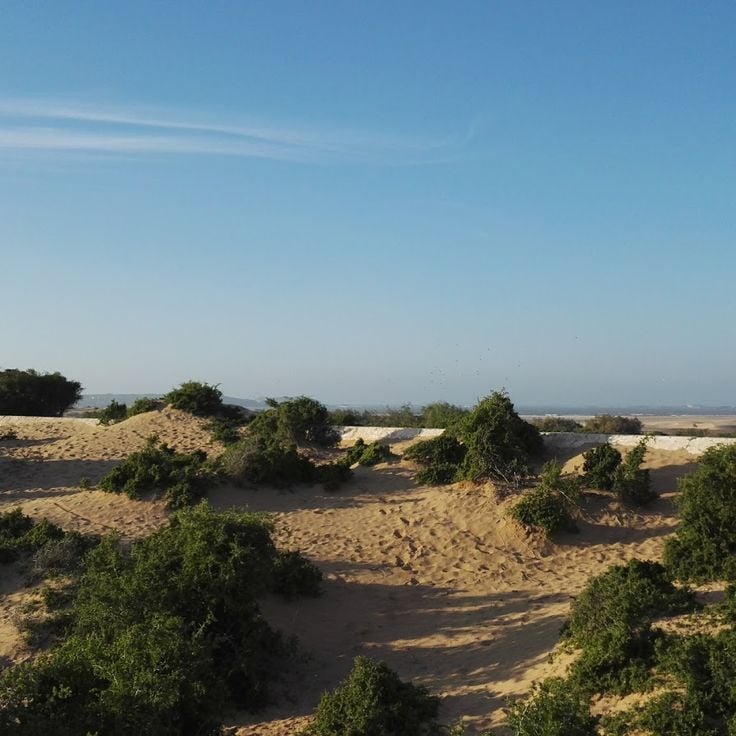
Dar Sultan Palace in Essaouira is a 19th-century residential building located in the sand dunes of Diabat. The remaining structures show stone walls and foundations that span several acres. This palace forms part of the UNESCO-protected cultural heritage of the region and helps illustrate the Moroccan architecture and history of this coastal city.
Sidi Kaouki Beach is part of the maritime landscape surrounding the UNESCO-protected Medina of Essaouira. This 3 kilometer stretch of sand lies south of the city and serves as a hub for surfers throughout the year, drawing them with consistent waves. The beach reflects the deep connection between this historic coastal town and the sea, a relationship that has shaped the region's character for centuries.
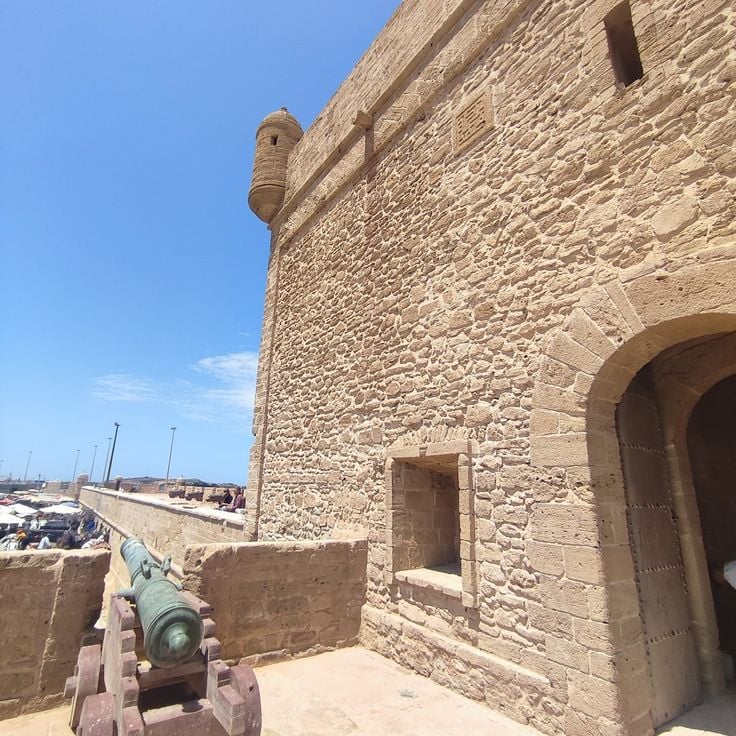
This harbor fortification was built in the 18th century on the ramparts of Essaouira and is part of the UNESCO-protected Medina with its Moroccan architecture. The fortification is equipped with Portuguese cannons and offers views of the port with its blue and white boats and the ocean.
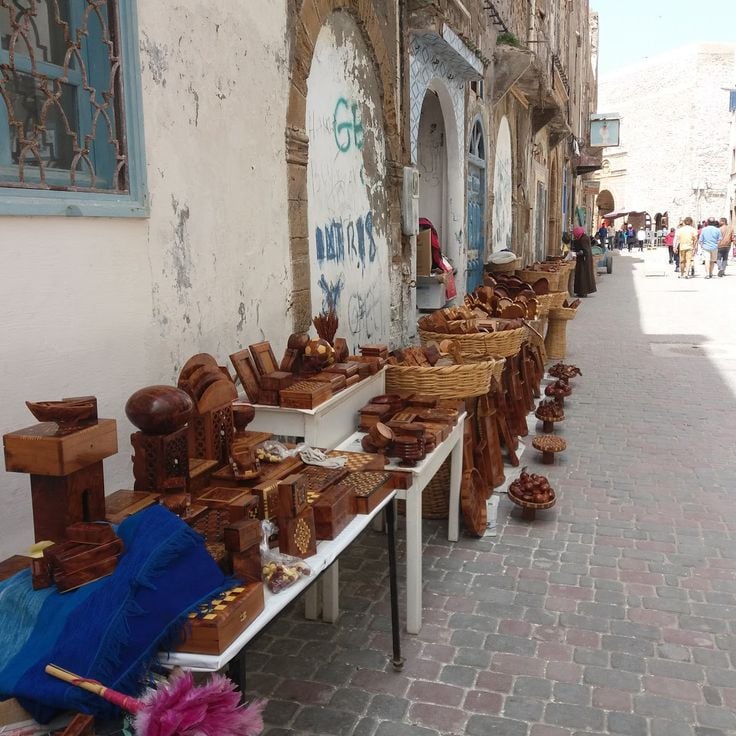
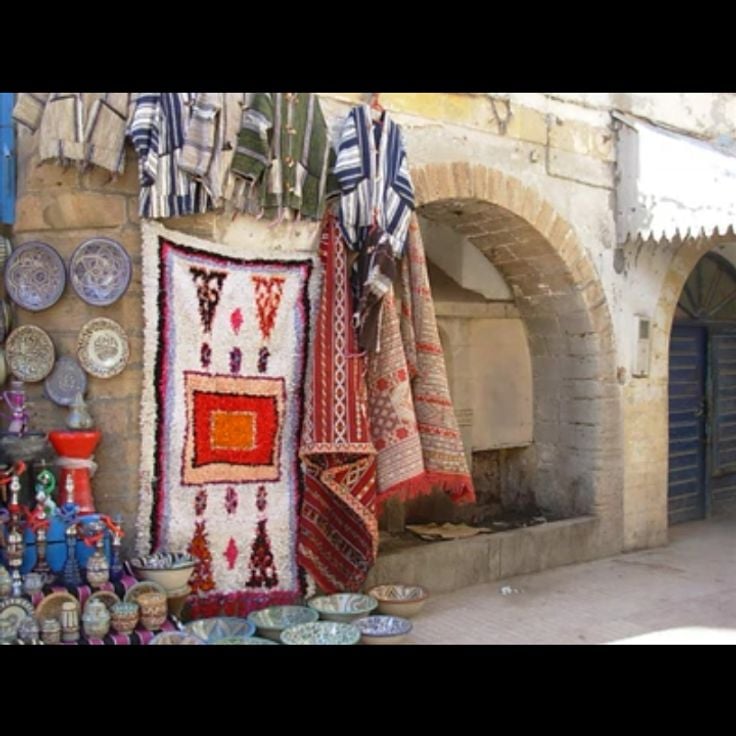
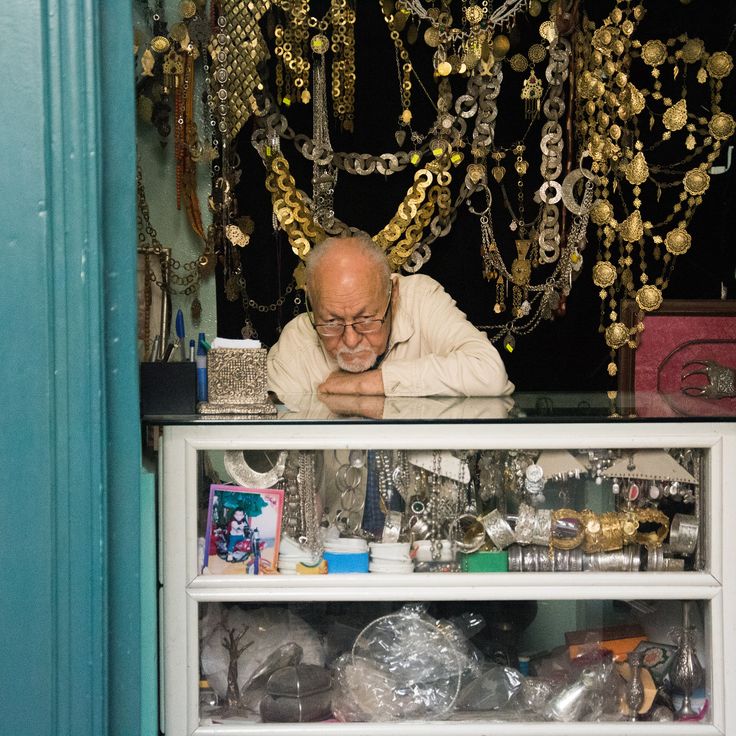
The Jewelry Souk of Essaouira is a traditional market within the UNESCO-protected Medina of this historic port city. Here, artisans create jewelry from silver, gold, and semi-precious stones using techniques passed down through generations in the region. This market reflects the craftsmanship and cultural traditions woven into Essaouira's architectural heritage of 18th-century buildings, fortification walls, palaces, religious sites, and museums.
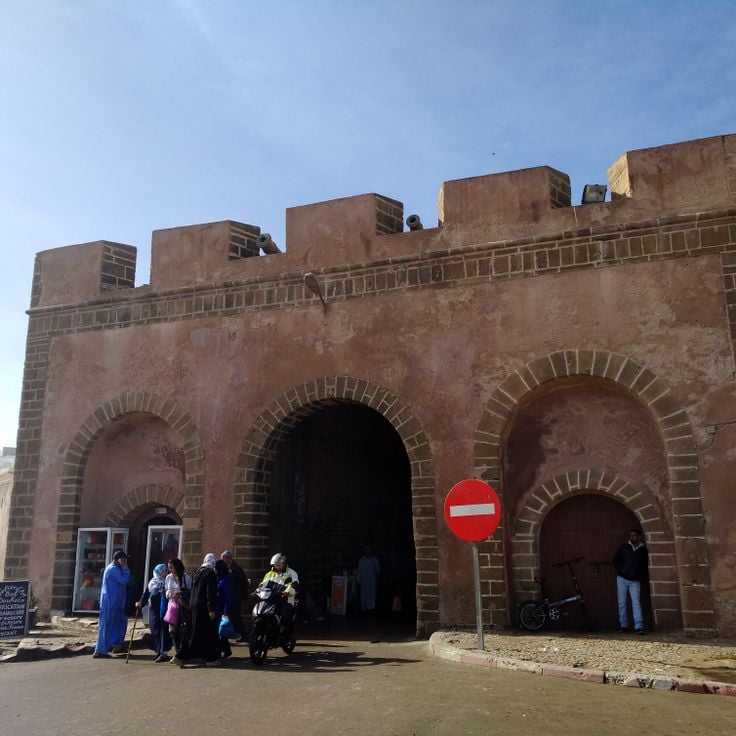
The Bab Doukkala is a fortified gate from the 18th century at the north entrance of the medina of Essaouira. The thick walls and military architecture reveal the city's defense system, part of the UNESCO-protected Medina with its traditional souks, synagogues, and mosques.
Diabat Village stands as a former fishing settlement that complements the cultural heritage of Essaouira's UNESCO-protected Medina. Located south of the main city, this village sits on a beach that has become a destination for surfers and kitesurfers who take advantage of the natural conditions. The village maintains connections to its fishing past while welcoming those who come for water sports. Its location along the coast reflects the maritime character that defines the broader Essaouira region.
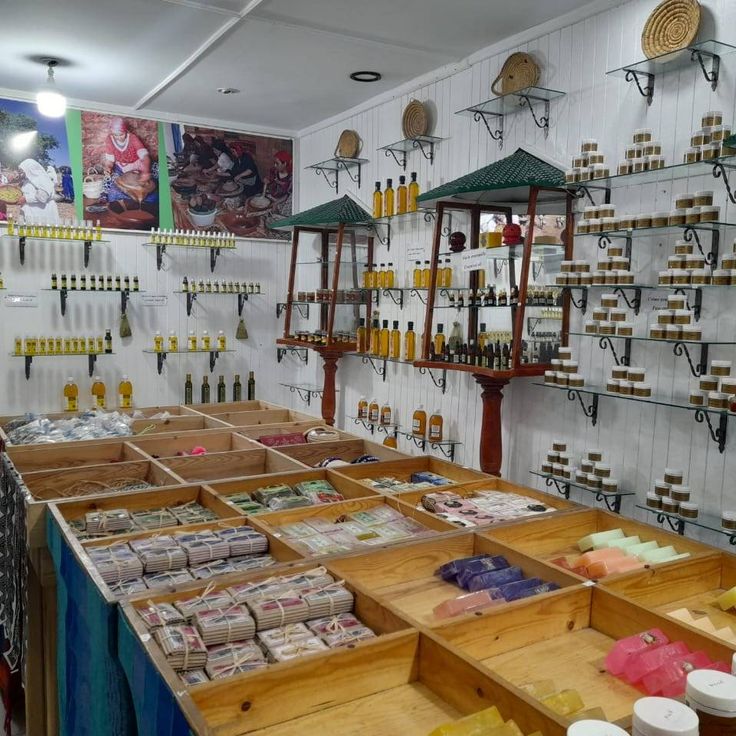
These argan cooperatives in Essaouira represent a working part of the region's cultural heritage. Berber women here use traditional methods to produce argan oil, manually cracking nuts and pressing them in stone mills. This hands-on craft sits alongside the 18th-century architecture and maritime character that define this UNESCO-protected medina.
The Public Hammam of Essaouira is a traditional Moroccan bathhouse where locals gather for body purification rituals, massages, and traditional treatments. It is part of the cultural heritage of this UNESCO-protected medina from the 18th century, which preserves Portuguese fortification walls, traditional souks, and religious sites.
The Haïm Pinto Synagogue is a 19th-century religious building in the medina of Essaouira that documents the history of the Moroccan Jewish community. This synagogue keeps its traditional decorations and original furniture. As part of the UNESCO-protected medina, it contributes to the cultural heritage alongside mosques, palaces, and museums that reflect the city's maritime character and trading past.
Bab el-Marsa is a monumental gate built into the 18th-century ramparts of Essaouira. It links the medina directly to the port and once served as a checkpoint for maritime traffic. This gate is part of the UNESCO-protected medina, which preserves the Moroccan architecture and coastal character of this historic city.
Borj Al Baroud is a military bastion built in the 18th century within the city walls of Essaouira. It functioned as a watchtower protecting the port and the medina, part of the UNESCO-protected Old Town with its Portuguese cannons and traditional layout.
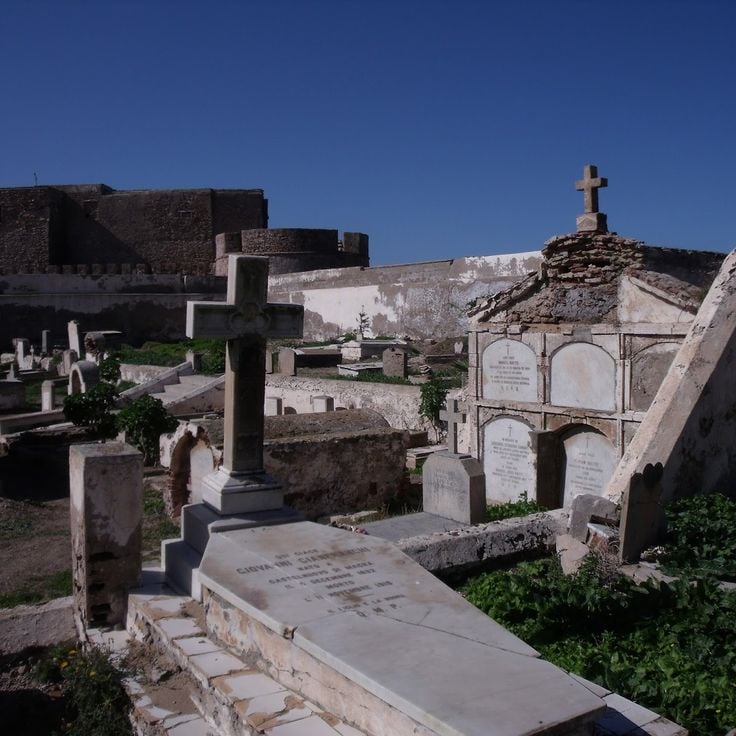
The Christian Cemetery of Essaouira is a burial ground created in the 19th century for the European community living in this coastal city. It contains graves and monuments from the French protectorate period, reflecting the presence of foreign residents who settled in the port. As part of Essaouira's cultural heritage, this cemetery tells the story of the diverse communities that shaped the city's history.
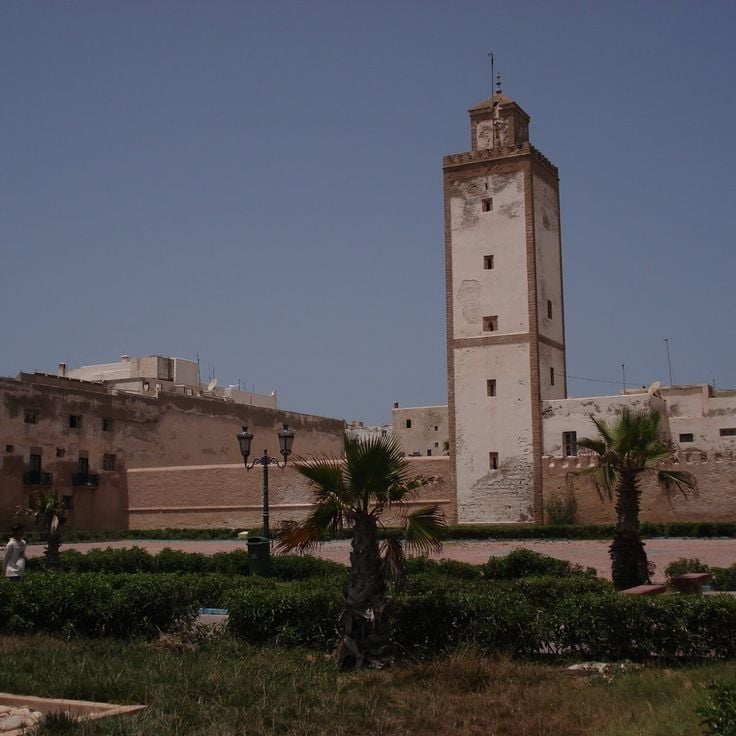
The Chbanate Mosque is a religious building from the 18th century located in the historic Chbanat district of Essaouira's UNESCO-protected Medina. It features a square minaret visible from the medina's ramparts. This mosque is part of the collection of historical monuments that reflects the region's cultural heritage and showcases traditional Moroccan architecture of the period.
This monumental 18th-century gate is part of the fortifications that enclose Essaouira's medina. The Bab el-Sebâa displays both Portuguese and Muslim architectural influences in its construction. Within the UNESCO-protected medina walls lie traditional souks, synagogues, and mosques that preserve the cultural heritage of the region.
The Borj El Barmil is a military defense tower from the 18th century in Essaouira, part of the historical monuments and cultural heritage preserved in this UNESCO-protected Medina. The fortress overlooked the harbor and secured the waterfront side of the city, which developed as a major trading port with defensive structures.
The Old Danish Consulate in the UNESCO-protected Medina of Essaouira displays 18th-century architecture blending Moroccan and European styles. This building served as a center for trade relations between Denmark and Morocco. It stands among the fortification walls, traditional souks, and religious sites that preserve the region's cultural heritage.
This mosque is a religious building from the 18th century located in the fortified medina of Essaouira. As part of the UNESCO-protected city, it preserves the architectural traditions of this historic port town. The white minaret functions as a navigation landmark for maritime traffic in the harbor.
The Bab Labhar is a historical passage in the northern city wall of Essaouira from the 18th century. This gate connects the medina with the port area and displays the Portuguese-influenced architecture that characterizes the UNESCO-protected city center. The gate is part of the fortification system that encloses traditional souks, synagogues, and mosques and reflects the city's maritime heritage.
The Medina of Essaouira is an 18th-century urban complex protected by UNESCO, featuring narrow alleyways and traditional souks that represent Moroccan architecture of the period. The city is enclosed by fortification walls fitted with Portuguese cannons. The historic fishing port displays blue and white boats that define the maritime character of the city. Synagogues and mosques reflect the religious diversity of the community. A 3-kilometer beach runs along the coast, while palaces and a museum preserve the region's cultural heritage.
The Mellah is the historic quarter within this UNESCO-protected Medina where the Jewish community settled in the 18th century. Synagogues, shops, and traditional houses with interior courtyards line the narrow streets. This district preserves the cultural and religious heritage of Essaouira's diverse past.
The Essaouira Beach is a long 3-kilometer stretch of coast lined with dunes and eucalyptus trees. Part of this UNESCO-protected port city with 18th-century Moroccan architecture and fortification walls, the beach helps define the maritime character of the place. Constant winds make it suitable for kitesurfing and windsurfing.
The Essaouira Fishing Port is a key part of the UNESCO-protected Medina and reflects the maritime life of this city. Blue and white boats fill the water here, and fishermen sell their fresh catch directly to local restaurants. The port, with its traditional structures, belongs to the region's cultural heritage.
The Fish Market of Essaouira is a central market where local fishermen sell their daily catch. Customers select fresh fish that nearby restaurants prepare right away. This market is part of the UNESCO-protected Medina of Essaouira, which preserves 18th-century Moroccan architecture alongside traditional souks, synagogues, and mosques that shape the maritime character of the region.
The Sidi Mohammed Ben Abdellah Museum is part of the UNESCO-protected Medina of Essaouira and its 18th-century Moroccan architecture. This 19th-century palace displays collections of local crafts, historical clothing, musical instruments, and Berber jewelry. The exhibition rooms document the history of this port city framed by fortification walls and the 3-kilometer beach.
The Essaouira Ramparts are 18th-century defensive walls that form part of the UNESCO-protected Medina of Essaouira. Built by European engineers, these fortifications feature bastions and Portuguese cannons pointing toward the Atlantic Ocean. They enclose traditional souks, synagogues, and mosques, and define the maritime character of this historic coastal city that preserves the region's cultural heritage.
The Ben Youssef Mosque in Essaouira is a religious building from the 18th century located within the medina. It displays characteristic Moroccan architecture of that era, with a white minaret and five entrance gates. Worshippers gather in the prayer hall during daily prayer times. This mosque forms part of the UNESCO-protected cultural heritage of the city and reflects the religious and cultural diversity of the historic center.
The Bab Marrakech Bastion is an 18th-century defensive structure at the south entrance of the Essaouira medina. It preserves the military history of this UNESCO-protected old town with its fortification walls, traditional souks, and fishing port. Historical cannons face the Atlantic Ocean and recall the strategic importance of this location.
Moulay Hassan Square is a large paved square in the center of Essaouira, part of the UNESCO-protected Medina with its 18th-century Moroccan architecture. The square serves as a gathering place for locals and is lined with restaurants, cafes, and terraces serving Moroccan dishes. It connects the traditional souks to the fishing port and reflects the daily rhythm of the city.
Dar Sultan Palace in Essaouira is a 19th-century residential building located in the sand dunes of Diabat. The remaining structures show stone walls and foundations that span several acres. This palace forms part of the UNESCO-protected cultural heritage of the region and helps illustrate the Moroccan architecture and history of this coastal city.
Sidi Kaouki Beach is part of the maritime landscape surrounding the UNESCO-protected Medina of Essaouira. This 3 kilometer stretch of sand lies south of the city and serves as a hub for surfers throughout the year, drawing them with consistent waves. The beach reflects the deep connection between this historic coastal town and the sea, a relationship that has shaped the region's character for centuries.
This harbor fortification was built in the 18th century on the ramparts of Essaouira and is part of the UNESCO-protected Medina with its Moroccan architecture. The fortification is equipped with Portuguese cannons and offers views of the port with its blue and white boats and the ocean.
The Jewelry Souk of Essaouira is a traditional market within the UNESCO-protected Medina of this historic port city. Here, artisans create jewelry from silver, gold, and semi-precious stones using techniques passed down through generations in the region. This market reflects the craftsmanship and cultural traditions woven into Essaouira's architectural heritage of 18th-century buildings, fortification walls, palaces, religious sites, and museums.
The Bab Doukkala is a fortified gate from the 18th century at the north entrance of the medina of Essaouira. The thick walls and military architecture reveal the city's defense system, part of the UNESCO-protected Medina with its traditional souks, synagogues, and mosques.
Diabat Village stands as a former fishing settlement that complements the cultural heritage of Essaouira's UNESCO-protected Medina. Located south of the main city, this village sits on a beach that has become a destination for surfers and kitesurfers who take advantage of the natural conditions. The village maintains connections to its fishing past while welcoming those who come for water sports. Its location along the coast reflects the maritime character that defines the broader Essaouira region.
These argan cooperatives in Essaouira represent a working part of the region's cultural heritage. Berber women here use traditional methods to produce argan oil, manually cracking nuts and pressing them in stone mills. This hands-on craft sits alongside the 18th-century architecture and maritime character that define this UNESCO-protected medina.
The Public Hammam of Essaouira is a traditional Moroccan bathhouse where locals gather for body purification rituals, massages, and traditional treatments. It is part of the cultural heritage of this UNESCO-protected medina from the 18th century, which preserves Portuguese fortification walls, traditional souks, and religious sites.
The Haïm Pinto Synagogue is a 19th-century religious building in the medina of Essaouira that documents the history of the Moroccan Jewish community. This synagogue keeps its traditional decorations and original furniture. As part of the UNESCO-protected medina, it contributes to the cultural heritage alongside mosques, palaces, and museums that reflect the city's maritime character and trading past.
Bab el-Marsa is a monumental gate built into the 18th-century ramparts of Essaouira. It links the medina directly to the port and once served as a checkpoint for maritime traffic. This gate is part of the UNESCO-protected medina, which preserves the Moroccan architecture and coastal character of this historic city.
Borj Al Baroud is a military bastion built in the 18th century within the city walls of Essaouira. It functioned as a watchtower protecting the port and the medina, part of the UNESCO-protected Old Town with its Portuguese cannons and traditional layout.
The Christian Cemetery of Essaouira is a burial ground created in the 19th century for the European community living in this coastal city. It contains graves and monuments from the French protectorate period, reflecting the presence of foreign residents who settled in the port. As part of Essaouira's cultural heritage, this cemetery tells the story of the diverse communities that shaped the city's history.
The Chbanate Mosque is a religious building from the 18th century located in the historic Chbanat district of Essaouira's UNESCO-protected Medina. It features a square minaret visible from the medina's ramparts. This mosque is part of the collection of historical monuments that reflects the region's cultural heritage and showcases traditional Moroccan architecture of the period.
This monumental 18th-century gate is part of the fortifications that enclose Essaouira's medina. The Bab el-Sebâa displays both Portuguese and Muslim architectural influences in its construction. Within the UNESCO-protected medina walls lie traditional souks, synagogues, and mosques that preserve the cultural heritage of the region.
The Borj El Barmil is a military defense tower from the 18th century in Essaouira, part of the historical monuments and cultural heritage preserved in this UNESCO-protected Medina. The fortress overlooked the harbor and secured the waterfront side of the city, which developed as a major trading port with defensive structures.
The Old Danish Consulate in the UNESCO-protected Medina of Essaouira displays 18th-century architecture blending Moroccan and European styles. This building served as a center for trade relations between Denmark and Morocco. It stands among the fortification walls, traditional souks, and religious sites that preserve the region's cultural heritage.
This mosque is a religious building from the 18th century located in the fortified medina of Essaouira. As part of the UNESCO-protected city, it preserves the architectural traditions of this historic port town. The white minaret functions as a navigation landmark for maritime traffic in the harbor.
The Bab Labhar is a historical passage in the northern city wall of Essaouira from the 18th century. This gate connects the medina with the port area and displays the Portuguese-influenced architecture that characterizes the UNESCO-protected city center. The gate is part of the fortification system that encloses traditional souks, synagogues, and mosques and reflects the city's maritime heritage.
The Medina of Essaouira is an 18th-century urban complex protected by UNESCO, featuring narrow alleyways and traditional souks that represent Moroccan architecture of the period. The city is enclosed by fortification walls fitted with Portuguese cannons. The historic fishing port displays blue and white boats that define the maritime character of the city. Synagogues and mosques reflect the religious diversity of the community. A 3-kilometer beach runs along the coast, while palaces and a museum preserve the region's cultural heritage.
The Mellah is the historic quarter within this UNESCO-protected Medina where the Jewish community settled in the 18th century. Synagogues, shops, and traditional houses with interior courtyards line the narrow streets. This district preserves the cultural and religious heritage of Essaouira's diverse past.
The Essaouira Beach is a long 3-kilometer stretch of coast lined with dunes and eucalyptus trees. Part of this UNESCO-protected port city with 18th-century Moroccan architecture and fortification walls, the beach helps define the maritime character of the place. Constant winds make it suitable for kitesurfing and windsurfing.
The Essaouira Fishing Port is a key part of the UNESCO-protected Medina and reflects the maritime life of this city. Blue and white boats fill the water here, and fishermen sell their fresh catch directly to local restaurants. The port, with its traditional structures, belongs to the region's cultural heritage.
The Fish Market of Essaouira is a central market where local fishermen sell their daily catch. Customers select fresh fish that nearby restaurants prepare right away. This market is part of the UNESCO-protected Medina of Essaouira, which preserves 18th-century Moroccan architecture alongside traditional souks, synagogues, and mosques that shape the maritime character of the region.
The Sidi Mohammed Ben Abdellah Museum is part of the UNESCO-protected Medina of Essaouira and its 18th-century Moroccan architecture. This 19th-century palace displays collections of local crafts, historical clothing, musical instruments, and Berber jewelry. The exhibition rooms document the history of this port city framed by fortification walls and the 3-kilometer beach.
The Essaouira Ramparts are 18th-century defensive walls that form part of the UNESCO-protected Medina of Essaouira. Built by European engineers, these fortifications feature bastions and Portuguese cannons pointing toward the Atlantic Ocean. They enclose traditional souks, synagogues, and mosques, and define the maritime character of this historic coastal city that preserves the region's cultural heritage.
The Ben Youssef Mosque in Essaouira is a religious building from the 18th century located within the medina. It displays characteristic Moroccan architecture of that era, with a white minaret and five entrance gates. Worshippers gather in the prayer hall during daily prayer times. This mosque forms part of the UNESCO-protected cultural heritage of the city and reflects the religious and cultural diversity of the historic center.
The Bab Marrakech Bastion is an 18th-century defensive structure at the south entrance of the Essaouira medina. It preserves the military history of this UNESCO-protected old town with its fortification walls, traditional souks, and fishing port. Historical cannons face the Atlantic Ocean and recall the strategic importance of this location.
Moulay Hassan Square is a large paved square in the center of Essaouira, part of the UNESCO-protected Medina with its 18th-century Moroccan architecture. The square serves as a gathering place for locals and is lined with restaurants, cafes, and terraces serving Moroccan dishes. It connects the traditional souks to the fishing port and reflects the daily rhythm of the city.
Dar Sultan Palace in Essaouira is a 19th-century residential building located in the sand dunes of Diabat. The remaining structures show stone walls and foundations that span several acres. This palace forms part of the UNESCO-protected cultural heritage of the region and helps illustrate the Moroccan architecture and history of this coastal city.
Sidi Kaouki Beach is part of the maritime landscape surrounding the UNESCO-protected Medina of Essaouira. This 3 kilometer stretch of sand lies south of the city and serves as a hub for surfers throughout the year, drawing them with consistent waves. The beach reflects the deep connection between this historic coastal town and the sea, a relationship that has shaped the region's character for centuries.
This harbor fortification was built in the 18th century on the ramparts of Essaouira and is part of the UNESCO-protected Medina with its Moroccan architecture. The fortification is equipped with Portuguese cannons and offers views of the port with its blue and white boats and the ocean.
The Jewelry Souk of Essaouira is a traditional market within the UNESCO-protected Medina of this historic port city. Here, artisans create jewelry from silver, gold, and semi-precious stones using techniques passed down through generations in the region. This market reflects the craftsmanship and cultural traditions woven into Essaouira's architectural heritage of 18th-century buildings, fortification walls, palaces, religious sites, and museums.
The Bab Doukkala is a fortified gate from the 18th century at the north entrance of the medina of Essaouira. The thick walls and military architecture reveal the city's defense system, part of the UNESCO-protected Medina with its traditional souks, synagogues, and mosques.
Diabat Village stands as a former fishing settlement that complements the cultural heritage of Essaouira's UNESCO-protected Medina. Located south of the main city, this village sits on a beach that has become a destination for surfers and kitesurfers who take advantage of the natural conditions. The village maintains connections to its fishing past while welcoming those who come for water sports. Its location along the coast reflects the maritime character that defines the broader Essaouira region.
These argan cooperatives in Essaouira represent a working part of the region's cultural heritage. Berber women here use traditional methods to produce argan oil, manually cracking nuts and pressing them in stone mills. This hands-on craft sits alongside the 18th-century architecture and maritime character that define this UNESCO-protected medina.
The Public Hammam of Essaouira is a traditional Moroccan bathhouse where locals gather for body purification rituals, massages, and traditional treatments. It is part of the cultural heritage of this UNESCO-protected medina from the 18th century, which preserves Portuguese fortification walls, traditional souks, and religious sites.
The Haïm Pinto Synagogue is a 19th-century religious building in the medina of Essaouira that documents the history of the Moroccan Jewish community. This synagogue keeps its traditional decorations and original furniture. As part of the UNESCO-protected medina, it contributes to the cultural heritage alongside mosques, palaces, and museums that reflect the city's maritime character and trading past.
Bab el-Marsa is a monumental gate built into the 18th-century ramparts of Essaouira. It links the medina directly to the port and once served as a checkpoint for maritime traffic. This gate is part of the UNESCO-protected medina, which preserves the Moroccan architecture and coastal character of this historic city.
Borj Al Baroud is a military bastion built in the 18th century within the city walls of Essaouira. It functioned as a watchtower protecting the port and the medina, part of the UNESCO-protected Old Town with its Portuguese cannons and traditional layout.
The Christian Cemetery of Essaouira is a burial ground created in the 19th century for the European community living in this coastal city. It contains graves and monuments from the French protectorate period, reflecting the presence of foreign residents who settled in the port. As part of Essaouira's cultural heritage, this cemetery tells the story of the diverse communities that shaped the city's history.
The Chbanate Mosque is a religious building from the 18th century located in the historic Chbanat district of Essaouira's UNESCO-protected Medina. It features a square minaret visible from the medina's ramparts. This mosque is part of the collection of historical monuments that reflects the region's cultural heritage and showcases traditional Moroccan architecture of the period.
This monumental 18th-century gate is part of the fortifications that enclose Essaouira's medina. The Bab el-Sebâa displays both Portuguese and Muslim architectural influences in its construction. Within the UNESCO-protected medina walls lie traditional souks, synagogues, and mosques that preserve the cultural heritage of the region.
The Borj El Barmil is a military defense tower from the 18th century in Essaouira, part of the historical monuments and cultural heritage preserved in this UNESCO-protected Medina. The fortress overlooked the harbor and secured the waterfront side of the city, which developed as a major trading port with defensive structures.
The Old Danish Consulate in the UNESCO-protected Medina of Essaouira displays 18th-century architecture blending Moroccan and European styles. This building served as a center for trade relations between Denmark and Morocco. It stands among the fortification walls, traditional souks, and religious sites that preserve the region's cultural heritage.
This mosque is a religious building from the 18th century located in the fortified medina of Essaouira. As part of the UNESCO-protected city, it preserves the architectural traditions of this historic port town. The white minaret functions as a navigation landmark for maritime traffic in the harbor.
The Bab Labhar is a historical passage in the northern city wall of Essaouira from the 18th century. This gate connects the medina with the port area and displays the Portuguese-influenced architecture that characterizes the UNESCO-protected city center. The gate is part of the fortification system that encloses traditional souks, synagogues, and mosques and reflects the city's maritime heritage.