See the monuments around you in AROpen chests in the app
Around Us is built for your phone — point your camera at the streets and discover the monuments and places around you in augmented reality.Around Us is built for your phone — chests unlock when you walk, explore and capture nearby places.
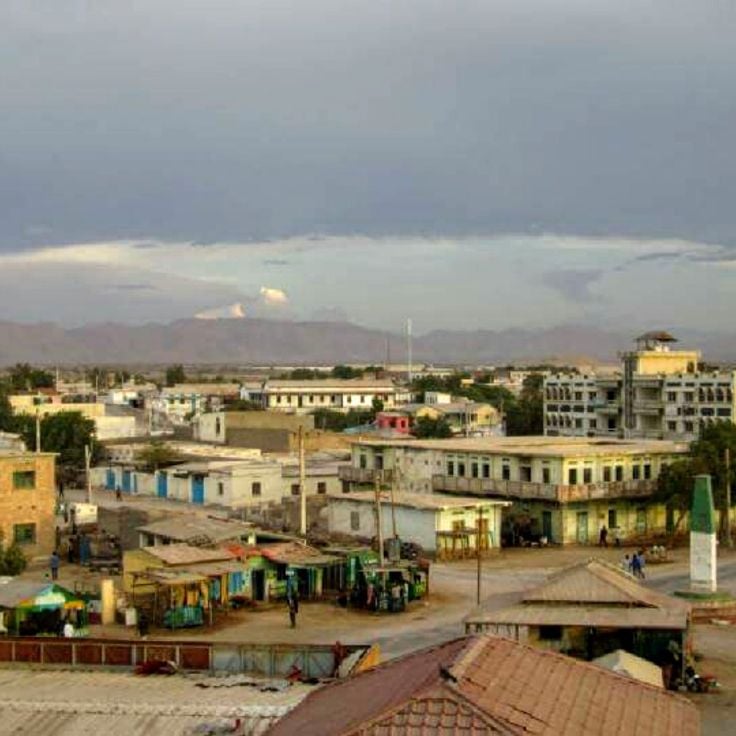
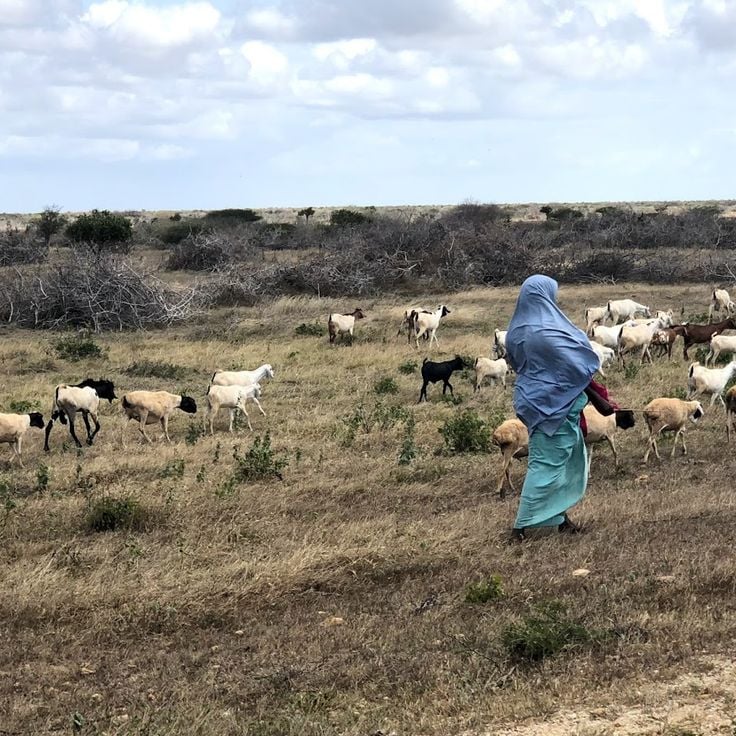
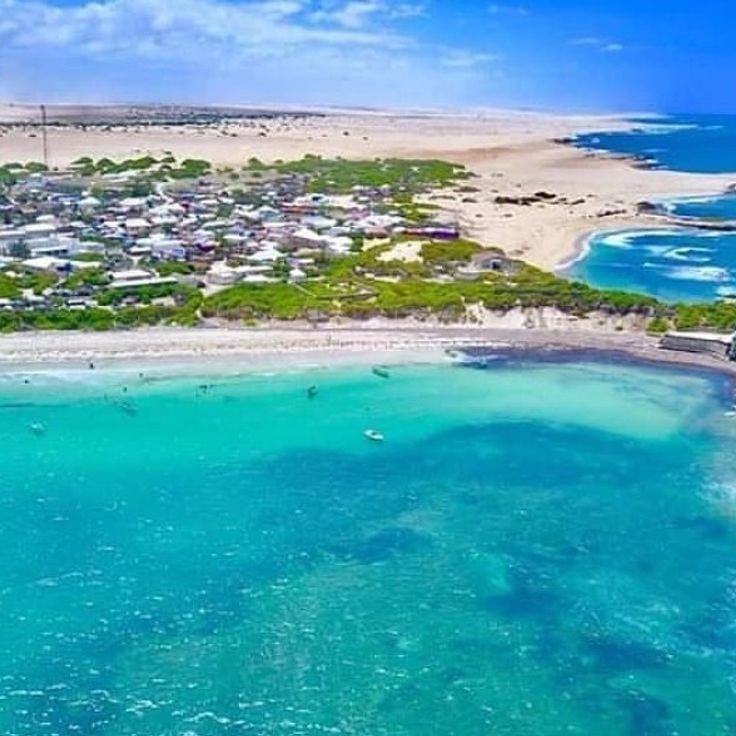
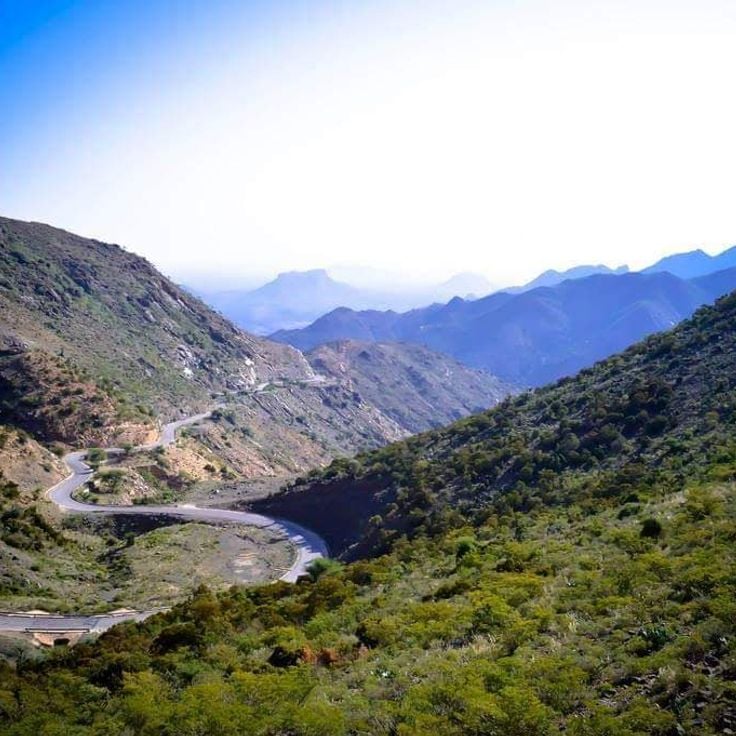
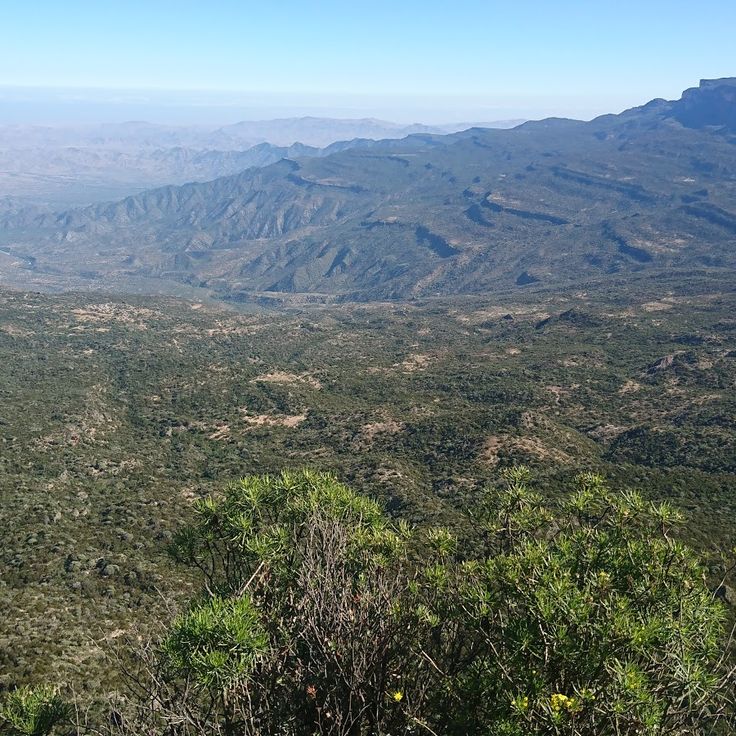
Somalia contains a diverse range of natural and historical places that take visitors across different eras and landscapes. The coastline stretches along beaches and historic ports, with Mogadishu serving as a cultural center featuring mosques, museums, and colonial buildings. Inland, national parks shelter African wildlife and forests, while archaeological sites like Laas Geel display ancient rock paintings created centuries ago.
The collection shows busy markets in Mogadishu where traders sell traditional goods, alongside quiet beaches such as Liido and Jazeera Beach. Historic ports in Berbera and Merca recall past trading periods, while nature reserves like Kismayo and Lag Badana-Bushbush protect local plants and animals. Religious buildings including the Union Mosque and Mogadishu Cathedral reflect the country's spiritual and architectural heritage. The Governor's House and Almnara Tower stand as reminders of the city's layered past.
From rock paintings in Laas Geel to the modern streets of Mogadishu, these locations tell stories of Somalia's deep history and natural character. Each site offers its own experience and contributes to understanding the country's identity.
Somalia contains a diverse range of natural and historical places that take visitors across different eras and landscapes. The coastline stretches along beaches and historic ports, with Mogadishu serving as a cultural center featuring mosques, museums, and colonial buildings. Inland, national parks shelter African wildlife and forests, while archaeological sites like Laas Geel display ancient rock paintings created centuries ago.
The collection shows busy markets in Mogadishu where traders sell traditional goods, alongside quiet beaches such as Liido and Jazeera Beach. Historic ports in Berbera and Merca recall past trading periods, while nature reserves like Kismayo and Lag Badana-Bushbush protect local plants and animals. Religious buildings including the Union Mosque and Mogadishu Cathedral reflect the country's spiritual and architectural heritage. The Governor's House and Almnara Tower stand as reminders of the city's layered past.
From rock paintings in Laas Geel to the modern streets of Mogadishu, these locations tell stories of Somalia's deep history and natural character. Each site offers its own experience and contributes to understanding the country's identity.
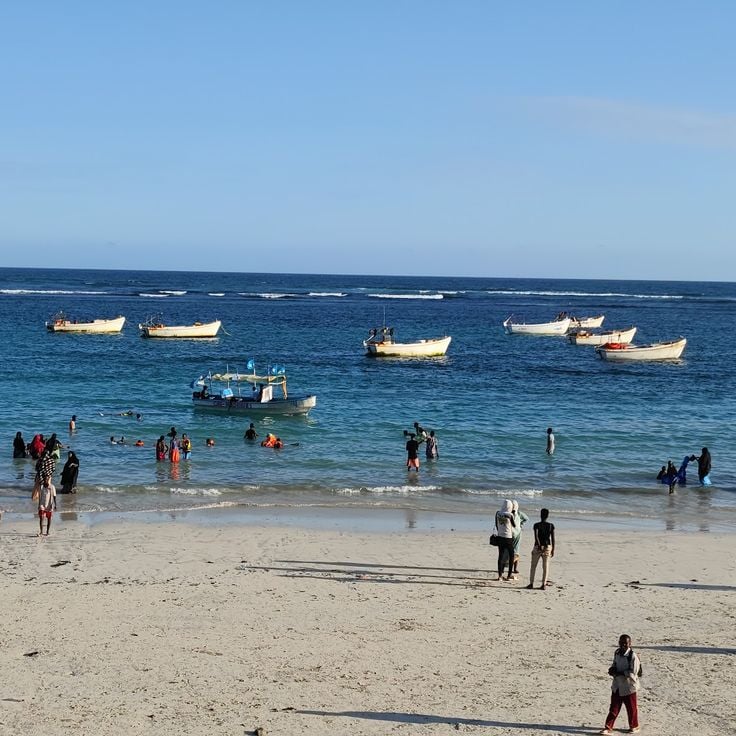
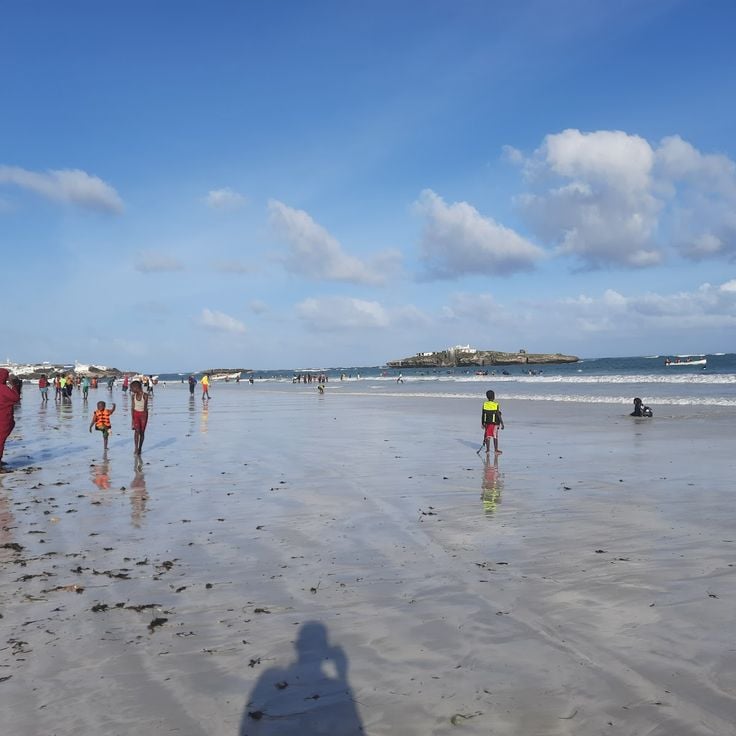
Liido Beach is a sandy shore in Mogadishu that lines the Indian Ocean with white sand and clear water in an urban setting. Local residents gather here to spend time by the water and enjoy the coastal environment. This beach is part of Somalia's diverse coastline, which alongside archaeological sites, historical buildings, and protected areas, forms an important part of the country's heritage.
This nature reserve is part of Somalia's diverse natural landscapes, stretching from ancient rock paintings to coastal beaches. Alifuuto contains native vegetation and wildlife species and is locally known as Arbowerow reserve. It plays a role in protecting the African wildlife and forests found throughout the country.
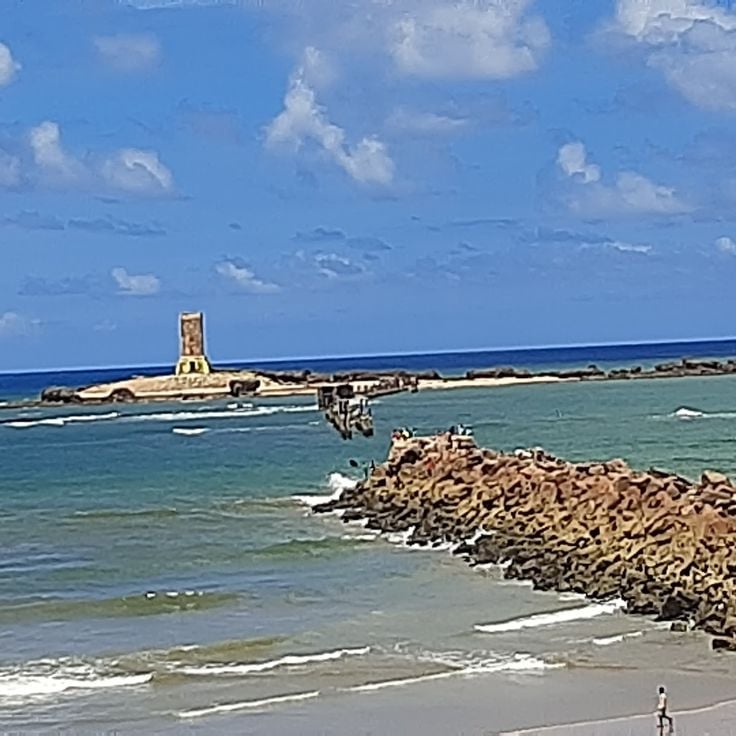
The Port of Merca is a coastal harbor with buildings displaying traditional Arab architectural elements, situated about 70 kilometers south of the capital. As part of Somalia's collection of historical and natural sites, Merca represents the maritime heritage and cultural diversity of the country, where trading traditions and architectural influences from different periods come together.
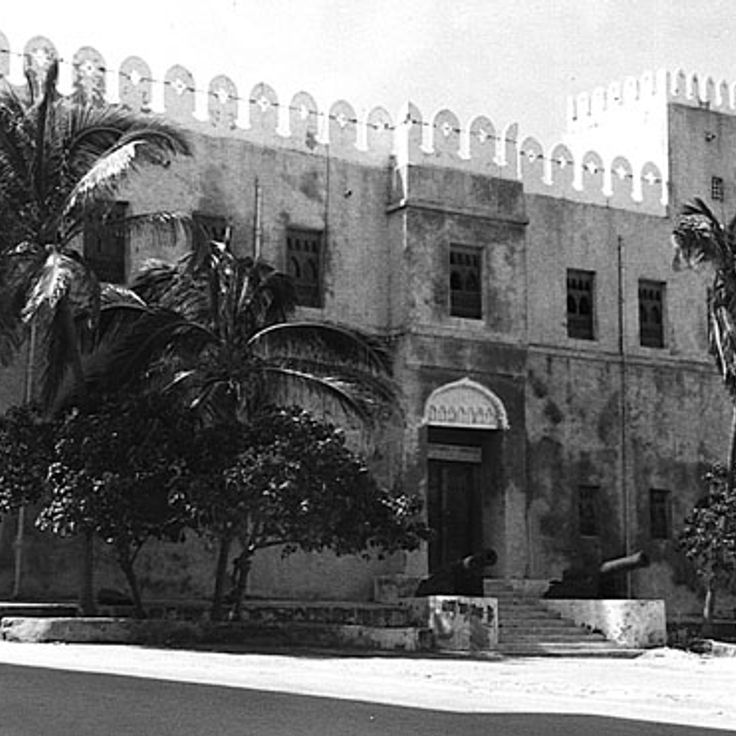
The Governor's House in Mogadishu is a former Italian colonial administration building constructed in the 1920s. It displays typical Mediterranean architectural elements with large windows and represents the colonial period in Somalia's history. This building stands among the historical structures that tell the story of the country's past and its role as a port city on the East African coast.
The Old Town of Barawe is a trading port established in the 13th century and part of Somalia's diverse historical and natural sites. This town displays stone buildings, narrow streets, traditional houses, coastal fortifications, and several mosques that reflect the maritime heritage and architectural traditions of the region.
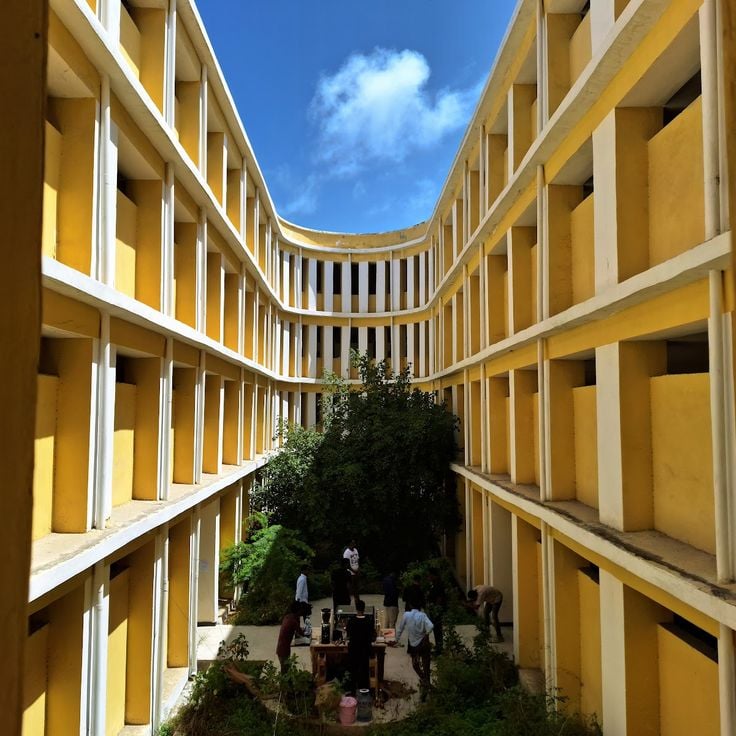
The National Museum of Somalia in Mogadishu displays archaeological finds, traditional objects, historical documents and photographs that tell the story of how Somali culture developed over centuries. The museum helps preserve the country's past and gives visitors a chance to understand the history and heritage of the region.
The National Library of Somalia in Mogadishu is a repository where books, manuscripts, and historical documents about Somalia are kept safe. It has research facilities and reading rooms open to the public. As part of Somalia's diverse historical and natural locations, the library helps preserve local heritage for future generations.
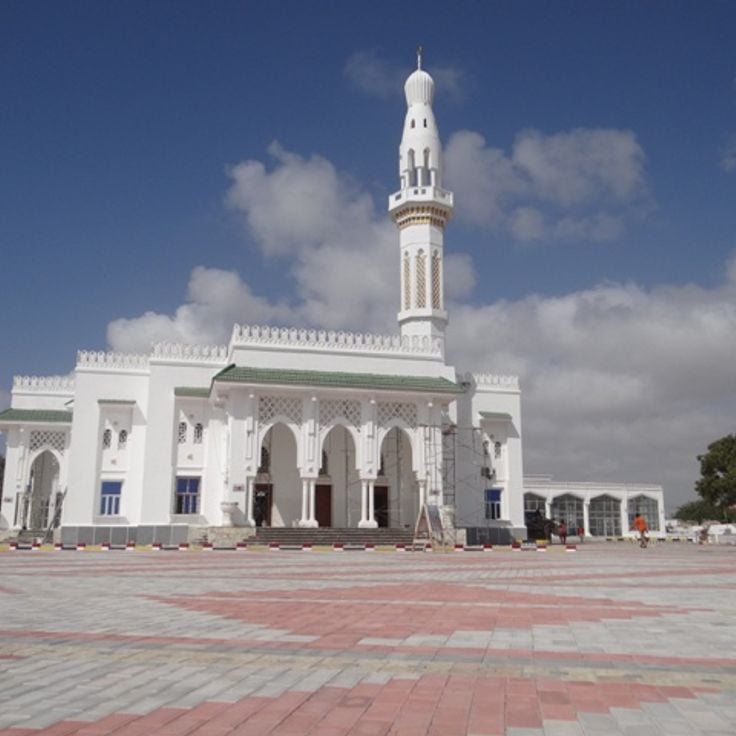
The Union Mosque is a large religious building in central Mogadishu with white minarets and prayer halls. It features outdoor courtyard space where the community gathers for worship and celebrations. This mosque represents the religious architecture found throughout Somalia, a country rich in historical and natural sites from ancient rock paintings to coastal landmarks.
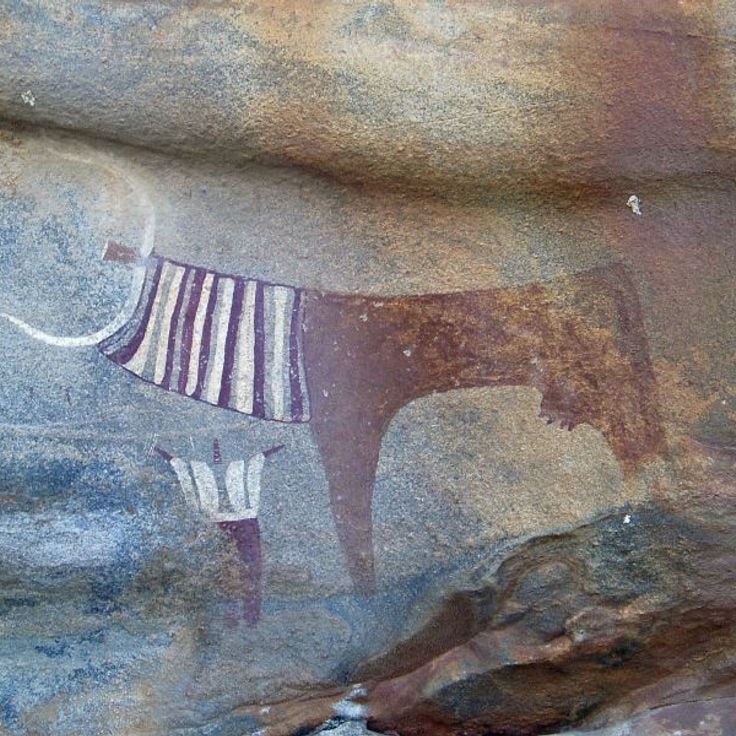
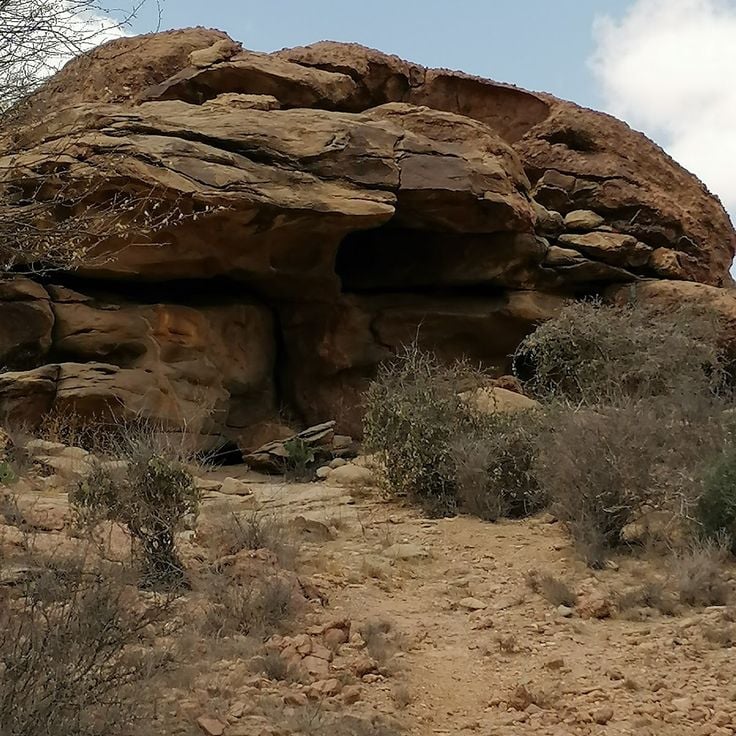
Laas Geel is a rock art complex with hundreds of Neolithic paintings depicting cattle, humans and geometric patterns dating from 3000 BCE. These ancient artworks are among Somalia's archaeological treasures and testify to the early history and culture of the region.
The Historic Port of Berbera is a maritime trade center that has served as an important hub since the 13th century. The city displays stone buildings, warehouses, and fortifications built during Ottoman rule in the 16th century. This port represents Somalia's rich seafaring heritage and is part of the country's diverse natural and historical sites, ranging from ancient rock paintings to protected wildlife areas.
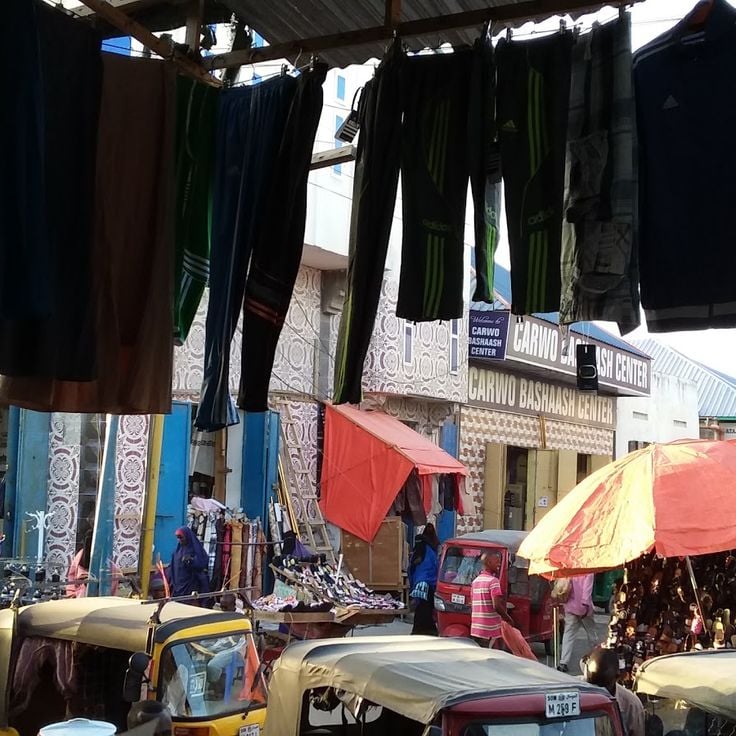
Bakara Market is a large open market in Mogadishu, established in 1972. At this location, merchants sell locally grown produce, textiles, electronics, and handcrafted goods across multiple city blocks. The market represents one of Somalia's diverse historical sites, part of a collection that spans from ancient rock paintings at Laas Geel to the country's coastal beaches.
Kismayo National Park is a protected area along Somalia's coast where savannah grasslands meet coastal forests. African wildlife and migratory birds make their home here in their natural surroundings. The park represents one of Somalia's diverse natural sites, alongside archaeological remains, traditional markets, and other protected wildlife areas. It offers a look at the country's wildlife and plays a role in preserving local ecosystems.
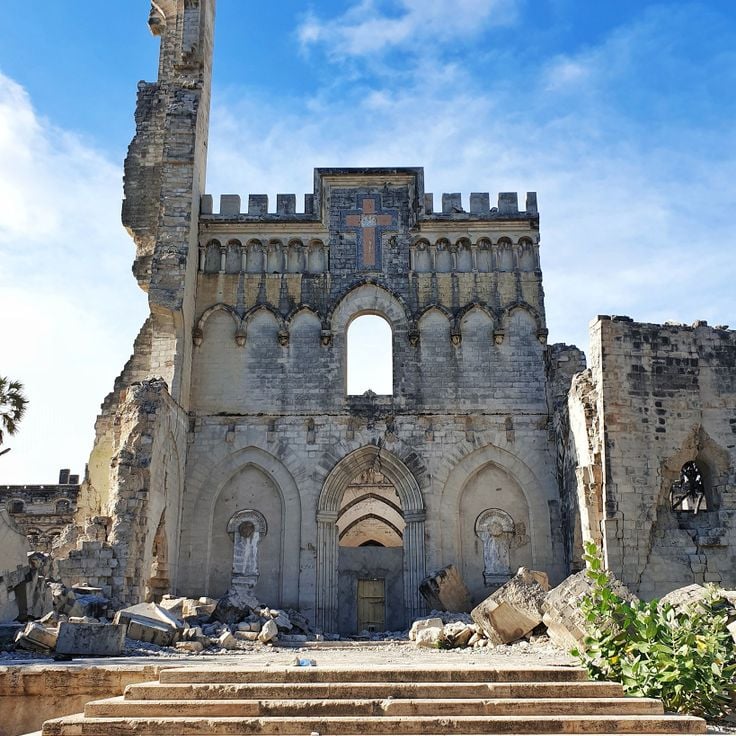
This large stone cathedral was built in 1928 during Italian rule and features Gothic architecture with pointed arches and tall windows. The building has stood empty since 1989. It represents one of Somalia's historical sites alongside archaeological remains, colonial structures, traditional markets, and religious buildings that shaped the country's past.
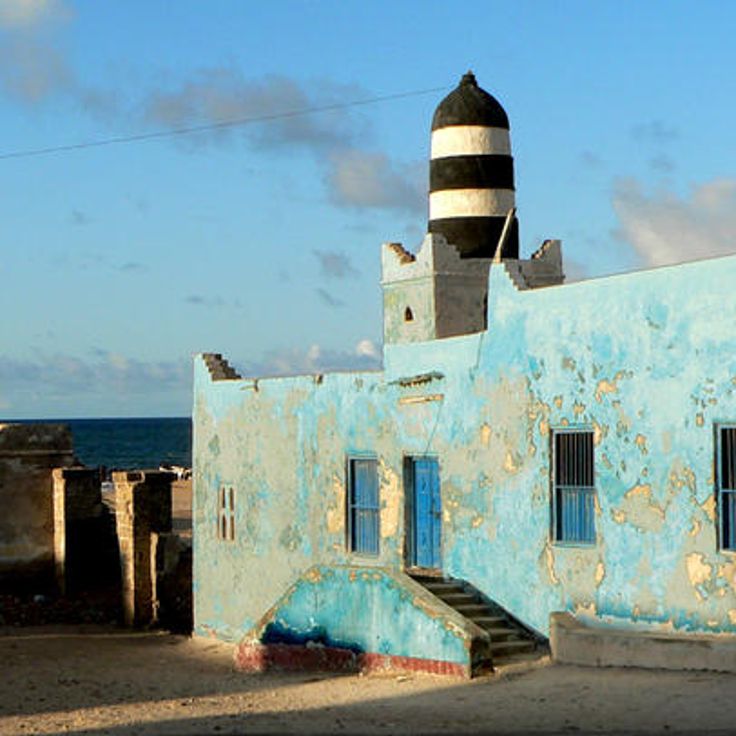
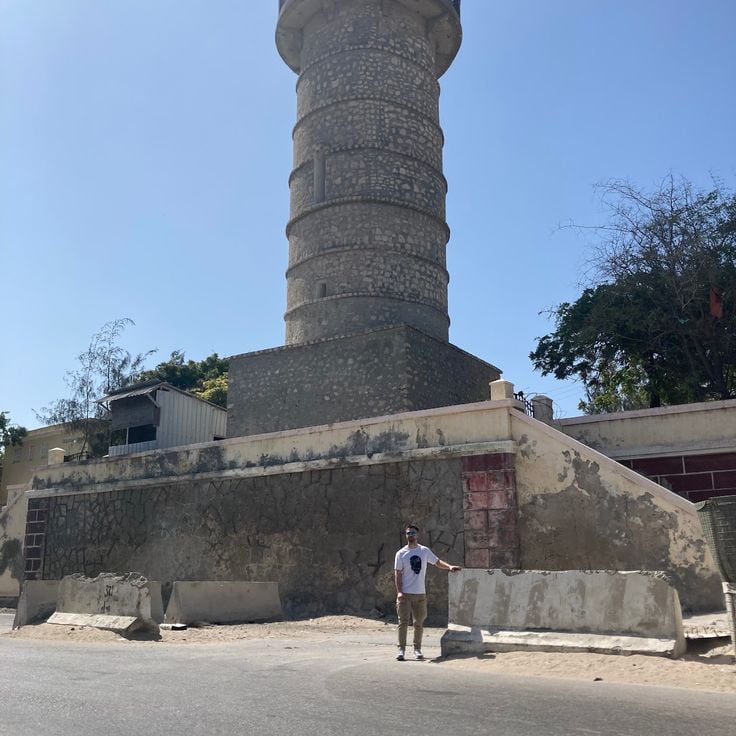
Almnara Tower is a white cylindrical lighthouse standing 24 meters tall at the entrance of Mogadishu port, built in 1910. It served maritime navigation for decades, guiding ships safely into the harbor. The tower was damaged during the civil war in 1991 but remains part of Somalia's maritime heritage. It represents the historical importance of Mogadishu as a port city and contributes to the diverse collection of Somalia's natural and historical sites.
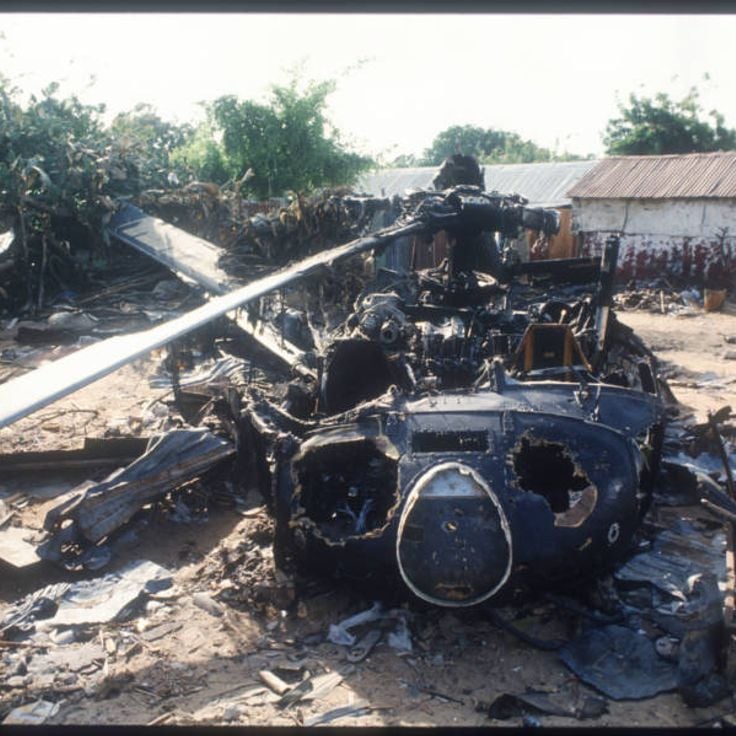
The Black Hawk Down Museum documents the military operation that took place in Mogadishu in October 1993. The museum displays photographs, equipment, and documents related to this event, including helicopter parts and military vehicles. As part of Somalia's historical sites, it provides insight into a significant chapter of the country's recent history.
Jazeera Beach is a stretch of shoreline near Mogadishu with fine white sand and warm waters of the Indian Ocean. The beach forms part of Somalia's diverse coastal landscapes, which range from ancient rock paintings to protected wildlife areas. Palm trees line portions of the shore where local fishermen dock their boats and go about their daily work.
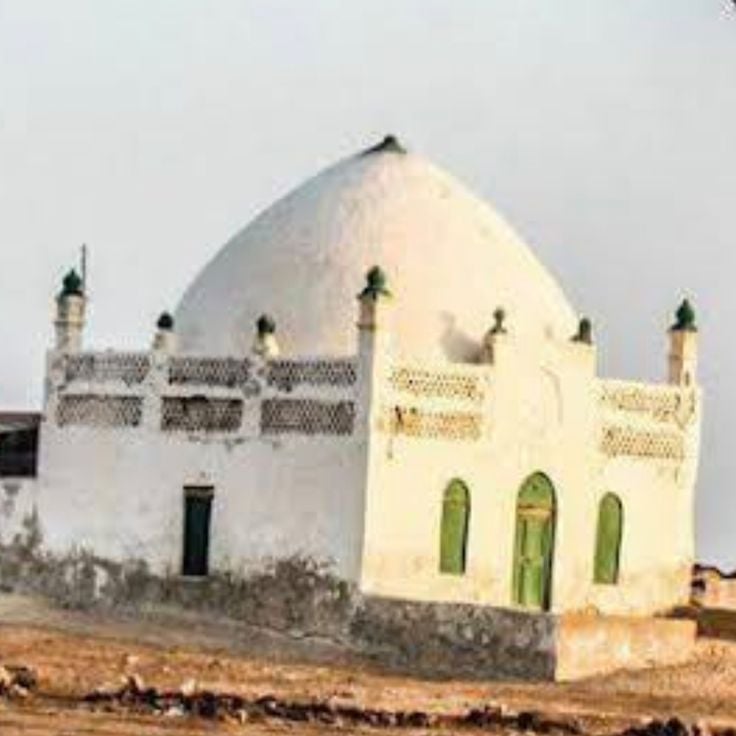
Masjid al-Qiblatayn Mosque in Mogadishu represents the religious buildings that form part of Somalia's historical heritage. Built in the 13th century, this mosque features two prayer directions and displays white stone walls with traditional Islamic architectural patterns. It stands as evidence of Somalia's long cultural and religious history, alongside other sites such as the rock paintings of Laas Geel and the country's colonial structures.
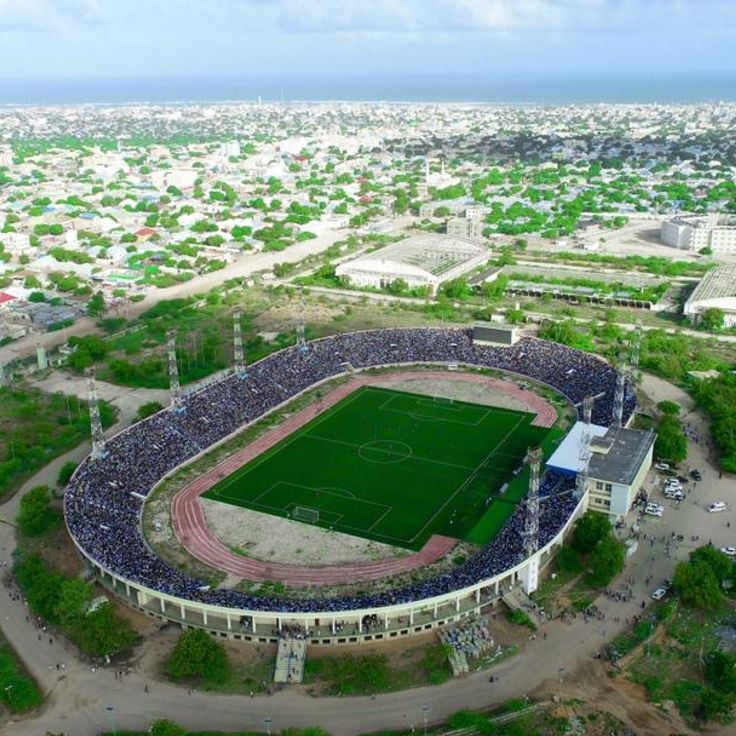
Mogadishu Stadium is a multi-purpose sports venue in Mogadishu that has hosted football matches and athletics events since 1977. With concrete stands and a grass field, the stadium seats around 65,000 spectators and serves as a gathering place for the city's sporting community.
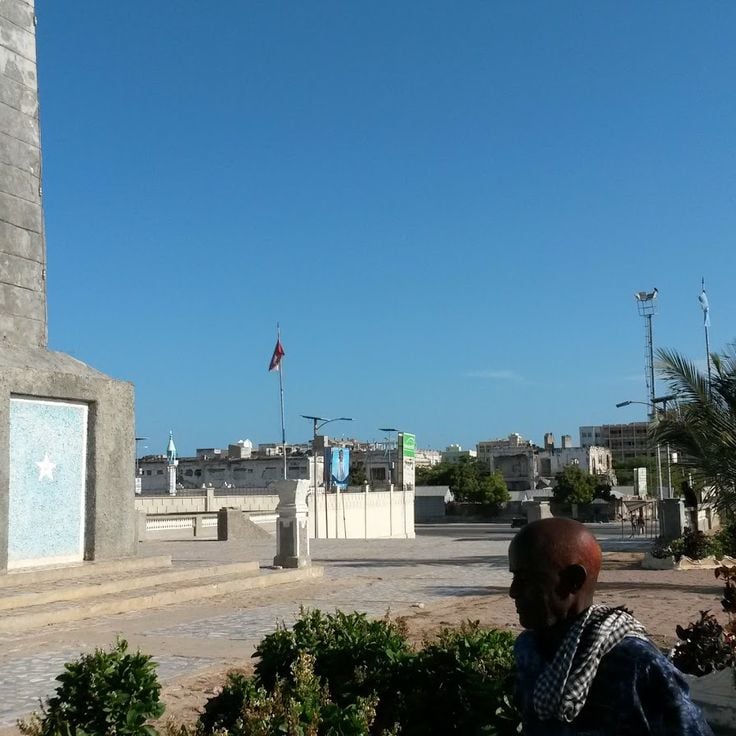
The Independence Monument is a stone monument erected in 1960 to mark Somalia's independence from colonial rule. Like other historical sites across the country, from ancient rock paintings to colonial architecture, this monument forms part of Somalia's rich historical heritage. It features national symbols and commemorative inscriptions that honor this defining moment in Somali history.
Warsheekh Beach in Mogadishu stretches along the Indian Ocean with white sand and warm waters. Local fishermen work the beach using traditional fishing methods. This coastal area is part of Somalia's diverse natural and historical landscape, alongside ancient rock art, archaeological remains, and protected wildlife.
Lag Badana-Bushbush National Park is a nature reserve with grasslands and forests near the Kenyan border. The park supports populations of antelopes, lions, and many bird species, and represents one of Somalia's protected wildlife areas that help preserve the country's natural heritage.
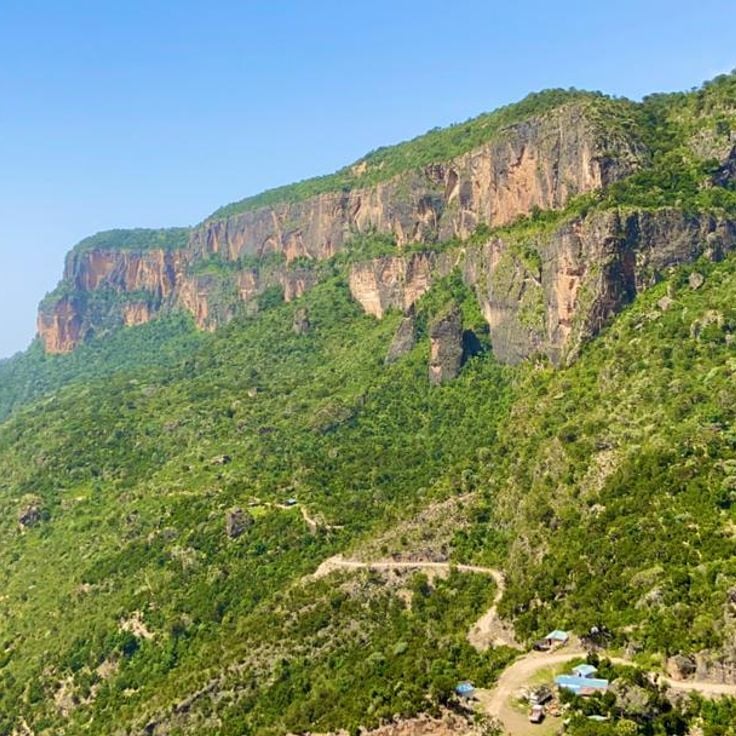
Daalo Forest National Park is a forested area with juniper trees and limestone formations. The park provides habitat for several animal species and includes hiking paths. This natural site is part of Somalia's diverse historical and natural locations, which range from ancient rock paintings at Laas Geel to the beaches of Mogadishu and feature archaeological remains, colonial architecture, and protected wildlife areas.
The Karinhegane Archaeological Site is part of Somalia's diverse historical locations, featuring ancient rock art and stone burial structures dating back several centuries. This site provides insight into the early cultures of the region and is regularly studied by researchers.
Liido Beach is a sandy shore in Mogadishu that lines the Indian Ocean with white sand and clear water in an urban setting. Local residents gather here to spend time by the water and enjoy the coastal environment. This beach is part of Somalia's diverse coastline, which alongside archaeological sites, historical buildings, and protected areas, forms an important part of the country's heritage.
This nature reserve is part of Somalia's diverse natural landscapes, stretching from ancient rock paintings to coastal beaches. Alifuuto contains native vegetation and wildlife species and is locally known as Arbowerow reserve. It plays a role in protecting the African wildlife and forests found throughout the country.
The Port of Merca is a coastal harbor with buildings displaying traditional Arab architectural elements, situated about 70 kilometers south of the capital. As part of Somalia's collection of historical and natural sites, Merca represents the maritime heritage and cultural diversity of the country, where trading traditions and architectural influences from different periods come together.
The Governor's House in Mogadishu is a former Italian colonial administration building constructed in the 1920s. It displays typical Mediterranean architectural elements with large windows and represents the colonial period in Somalia's history. This building stands among the historical structures that tell the story of the country's past and its role as a port city on the East African coast.
The Old Town of Barawe is a trading port established in the 13th century and part of Somalia's diverse historical and natural sites. This town displays stone buildings, narrow streets, traditional houses, coastal fortifications, and several mosques that reflect the maritime heritage and architectural traditions of the region.
The National Museum of Somalia in Mogadishu displays archaeological finds, traditional objects, historical documents and photographs that tell the story of how Somali culture developed over centuries. The museum helps preserve the country's past and gives visitors a chance to understand the history and heritage of the region.
The National Library of Somalia in Mogadishu is a repository where books, manuscripts, and historical documents about Somalia are kept safe. It has research facilities and reading rooms open to the public. As part of Somalia's diverse historical and natural locations, the library helps preserve local heritage for future generations.
The Union Mosque is a large religious building in central Mogadishu with white minarets and prayer halls. It features outdoor courtyard space where the community gathers for worship and celebrations. This mosque represents the religious architecture found throughout Somalia, a country rich in historical and natural sites from ancient rock paintings to coastal landmarks.
Laas Geel is a rock art complex with hundreds of Neolithic paintings depicting cattle, humans and geometric patterns dating from 3000 BCE. These ancient artworks are among Somalia's archaeological treasures and testify to the early history and culture of the region.
The Historic Port of Berbera is a maritime trade center that has served as an important hub since the 13th century. The city displays stone buildings, warehouses, and fortifications built during Ottoman rule in the 16th century. This port represents Somalia's rich seafaring heritage and is part of the country's diverse natural and historical sites, ranging from ancient rock paintings to protected wildlife areas.
Bakara Market is a large open market in Mogadishu, established in 1972. At this location, merchants sell locally grown produce, textiles, electronics, and handcrafted goods across multiple city blocks. The market represents one of Somalia's diverse historical sites, part of a collection that spans from ancient rock paintings at Laas Geel to the country's coastal beaches.
Kismayo National Park is a protected area along Somalia's coast where savannah grasslands meet coastal forests. African wildlife and migratory birds make their home here in their natural surroundings. The park represents one of Somalia's diverse natural sites, alongside archaeological remains, traditional markets, and other protected wildlife areas. It offers a look at the country's wildlife and plays a role in preserving local ecosystems.
This large stone cathedral was built in 1928 during Italian rule and features Gothic architecture with pointed arches and tall windows. The building has stood empty since 1989. It represents one of Somalia's historical sites alongside archaeological remains, colonial structures, traditional markets, and religious buildings that shaped the country's past.
Almnara Tower is a white cylindrical lighthouse standing 24 meters tall at the entrance of Mogadishu port, built in 1910. It served maritime navigation for decades, guiding ships safely into the harbor. The tower was damaged during the civil war in 1991 but remains part of Somalia's maritime heritage. It represents the historical importance of Mogadishu as a port city and contributes to the diverse collection of Somalia's natural and historical sites.
The Black Hawk Down Museum documents the military operation that took place in Mogadishu in October 1993. The museum displays photographs, equipment, and documents related to this event, including helicopter parts and military vehicles. As part of Somalia's historical sites, it provides insight into a significant chapter of the country's recent history.
Jazeera Beach is a stretch of shoreline near Mogadishu with fine white sand and warm waters of the Indian Ocean. The beach forms part of Somalia's diverse coastal landscapes, which range from ancient rock paintings to protected wildlife areas. Palm trees line portions of the shore where local fishermen dock their boats and go about their daily work.
Masjid al-Qiblatayn Mosque in Mogadishu represents the religious buildings that form part of Somalia's historical heritage. Built in the 13th century, this mosque features two prayer directions and displays white stone walls with traditional Islamic architectural patterns. It stands as evidence of Somalia's long cultural and religious history, alongside other sites such as the rock paintings of Laas Geel and the country's colonial structures.
Mogadishu Stadium is a multi-purpose sports venue in Mogadishu that has hosted football matches and athletics events since 1977. With concrete stands and a grass field, the stadium seats around 65,000 spectators and serves as a gathering place for the city's sporting community.
The Independence Monument is a stone monument erected in 1960 to mark Somalia's independence from colonial rule. Like other historical sites across the country, from ancient rock paintings to colonial architecture, this monument forms part of Somalia's rich historical heritage. It features national symbols and commemorative inscriptions that honor this defining moment in Somali history.
Warsheekh Beach in Mogadishu stretches along the Indian Ocean with white sand and warm waters. Local fishermen work the beach using traditional fishing methods. This coastal area is part of Somalia's diverse natural and historical landscape, alongside ancient rock art, archaeological remains, and protected wildlife.
Lag Badana-Bushbush National Park is a nature reserve with grasslands and forests near the Kenyan border. The park supports populations of antelopes, lions, and many bird species, and represents one of Somalia's protected wildlife areas that help preserve the country's natural heritage.
Daalo Forest National Park is a forested area with juniper trees and limestone formations. The park provides habitat for several animal species and includes hiking paths. This natural site is part of Somalia's diverse historical and natural locations, which range from ancient rock paintings at Laas Geel to the beaches of Mogadishu and feature archaeological remains, colonial architecture, and protected wildlife areas.
The Karinhegane Archaeological Site is part of Somalia's diverse historical locations, featuring ancient rock art and stone burial structures dating back several centuries. This site provides insight into the early cultures of the region and is regularly studied by researchers.
Liido Beach is a sandy shore in Mogadishu that lines the Indian Ocean with white sand and clear water in an urban setting. Local residents gather here to spend time by the water and enjoy the coastal environment. This beach is part of Somalia's diverse coastline, which alongside archaeological sites, historical buildings, and protected areas, forms an important part of the country's heritage.
This nature reserve is part of Somalia's diverse natural landscapes, stretching from ancient rock paintings to coastal beaches. Alifuuto contains native vegetation and wildlife species and is locally known as Arbowerow reserve. It plays a role in protecting the African wildlife and forests found throughout the country.
The Port of Merca is a coastal harbor with buildings displaying traditional Arab architectural elements, situated about 70 kilometers south of the capital. As part of Somalia's collection of historical and natural sites, Merca represents the maritime heritage and cultural diversity of the country, where trading traditions and architectural influences from different periods come together.
The Governor's House in Mogadishu is a former Italian colonial administration building constructed in the 1920s. It displays typical Mediterranean architectural elements with large windows and represents the colonial period in Somalia's history. This building stands among the historical structures that tell the story of the country's past and its role as a port city on the East African coast.
The Old Town of Barawe is a trading port established in the 13th century and part of Somalia's diverse historical and natural sites. This town displays stone buildings, narrow streets, traditional houses, coastal fortifications, and several mosques that reflect the maritime heritage and architectural traditions of the region.
The National Museum of Somalia in Mogadishu displays archaeological finds, traditional objects, historical documents and photographs that tell the story of how Somali culture developed over centuries. The museum helps preserve the country's past and gives visitors a chance to understand the history and heritage of the region.
The National Library of Somalia in Mogadishu is a repository where books, manuscripts, and historical documents about Somalia are kept safe. It has research facilities and reading rooms open to the public. As part of Somalia's diverse historical and natural locations, the library helps preserve local heritage for future generations.
The Union Mosque is a large religious building in central Mogadishu with white minarets and prayer halls. It features outdoor courtyard space where the community gathers for worship and celebrations. This mosque represents the religious architecture found throughout Somalia, a country rich in historical and natural sites from ancient rock paintings to coastal landmarks.
Laas Geel is a rock art complex with hundreds of Neolithic paintings depicting cattle, humans and geometric patterns dating from 3000 BCE. These ancient artworks are among Somalia's archaeological treasures and testify to the early history and culture of the region.
The Historic Port of Berbera is a maritime trade center that has served as an important hub since the 13th century. The city displays stone buildings, warehouses, and fortifications built during Ottoman rule in the 16th century. This port represents Somalia's rich seafaring heritage and is part of the country's diverse natural and historical sites, ranging from ancient rock paintings to protected wildlife areas.
Bakara Market is a large open market in Mogadishu, established in 1972. At this location, merchants sell locally grown produce, textiles, electronics, and handcrafted goods across multiple city blocks. The market represents one of Somalia's diverse historical sites, part of a collection that spans from ancient rock paintings at Laas Geel to the country's coastal beaches.
Kismayo National Park is a protected area along Somalia's coast where savannah grasslands meet coastal forests. African wildlife and migratory birds make their home here in their natural surroundings. The park represents one of Somalia's diverse natural sites, alongside archaeological remains, traditional markets, and other protected wildlife areas. It offers a look at the country's wildlife and plays a role in preserving local ecosystems.
This large stone cathedral was built in 1928 during Italian rule and features Gothic architecture with pointed arches and tall windows. The building has stood empty since 1989. It represents one of Somalia's historical sites alongside archaeological remains, colonial structures, traditional markets, and religious buildings that shaped the country's past.
Almnara Tower is a white cylindrical lighthouse standing 24 meters tall at the entrance of Mogadishu port, built in 1910. It served maritime navigation for decades, guiding ships safely into the harbor. The tower was damaged during the civil war in 1991 but remains part of Somalia's maritime heritage. It represents the historical importance of Mogadishu as a port city and contributes to the diverse collection of Somalia's natural and historical sites.
The Black Hawk Down Museum documents the military operation that took place in Mogadishu in October 1993. The museum displays photographs, equipment, and documents related to this event, including helicopter parts and military vehicles. As part of Somalia's historical sites, it provides insight into a significant chapter of the country's recent history.
Jazeera Beach is a stretch of shoreline near Mogadishu with fine white sand and warm waters of the Indian Ocean. The beach forms part of Somalia's diverse coastal landscapes, which range from ancient rock paintings to protected wildlife areas. Palm trees line portions of the shore where local fishermen dock their boats and go about their daily work.
Masjid al-Qiblatayn Mosque in Mogadishu represents the religious buildings that form part of Somalia's historical heritage. Built in the 13th century, this mosque features two prayer directions and displays white stone walls with traditional Islamic architectural patterns. It stands as evidence of Somalia's long cultural and religious history, alongside other sites such as the rock paintings of Laas Geel and the country's colonial structures.
Mogadishu Stadium is a multi-purpose sports venue in Mogadishu that has hosted football matches and athletics events since 1977. With concrete stands and a grass field, the stadium seats around 65,000 spectators and serves as a gathering place for the city's sporting community.
The Independence Monument is a stone monument erected in 1960 to mark Somalia's independence from colonial rule. Like other historical sites across the country, from ancient rock paintings to colonial architecture, this monument forms part of Somalia's rich historical heritage. It features national symbols and commemorative inscriptions that honor this defining moment in Somali history.
Warsheekh Beach in Mogadishu stretches along the Indian Ocean with white sand and warm waters. Local fishermen work the beach using traditional fishing methods. This coastal area is part of Somalia's diverse natural and historical landscape, alongside ancient rock art, archaeological remains, and protected wildlife.
Lag Badana-Bushbush National Park is a nature reserve with grasslands and forests near the Kenyan border. The park supports populations of antelopes, lions, and many bird species, and represents one of Somalia's protected wildlife areas that help preserve the country's natural heritage.
Daalo Forest National Park is a forested area with juniper trees and limestone formations. The park provides habitat for several animal species and includes hiking paths. This natural site is part of Somalia's diverse historical and natural locations, which range from ancient rock paintings at Laas Geel to the beaches of Mogadishu and feature archaeological remains, colonial architecture, and protected wildlife areas.
The Karinhegane Archaeological Site is part of Somalia's diverse historical locations, featuring ancient rock art and stone burial structures dating back several centuries. This site provides insight into the early cultures of the region and is regularly studied by researchers.