See the monuments around you in AROpen chests in the app
Around Us is built for your phone — point your camera at the streets and discover the monuments and places around you in augmented reality.Around Us is built for your phone — chests unlock when you walk, explore and capture nearby places.
Tunis offers a journey through thousands of years of history, from the narrow lanes of its ancient medina to the grand ruins of Carthage. Walk through the medina and you'll find yourself surrounded by centuries-old mosques and palaces, with souks where vendors still sell spices, textiles, and crafts much as they did generations ago. The Bardo Museum holds one of the world's greatest collections of Roman mosaics, giving you a direct window into how people lived two thousand years ago. Beyond the old city, Avenue Habib Bourguiba showcases the colonial architecture that shaped the city in more recent times, while the hilltop village of Sidi Bou Saïd charms visitors with its whitewashed houses and blue-painted doors. The port of La Goulette, once a fortress and trading hub, remains the working heart of Tunisia's maritime life. Together, these places tell the story of a capital that has been shaped by Phoenicians, Romans, Ottomans, and the people who call it home today.
Tunis offers a journey through thousands of years of history, from the narrow lanes of its ancient medina to the grand ruins of Carthage. Walk through the medina and you'll find yourself surrounded by centuries-old mosques and palaces, with souks where vendors still sell spices, textiles, and crafts much as they did generations ago. The Bardo Museum holds one of the world's greatest collections of Roman mosaics, giving you a direct window into how people lived two thousand years ago. Beyond the old city, Avenue Habib Bourguiba showcases the colonial architecture that shaped the city in more recent times, while the hilltop village of Sidi Bou Saïd charms visitors with its whitewashed houses and blue-painted doors. The port of La Goulette, once a fortress and trading hub, remains the working heart of Tunisia's maritime life. Together, these places tell the story of a capital that has been shaped by Phoenicians, Romans, Ottomans, and the people who call it home today.
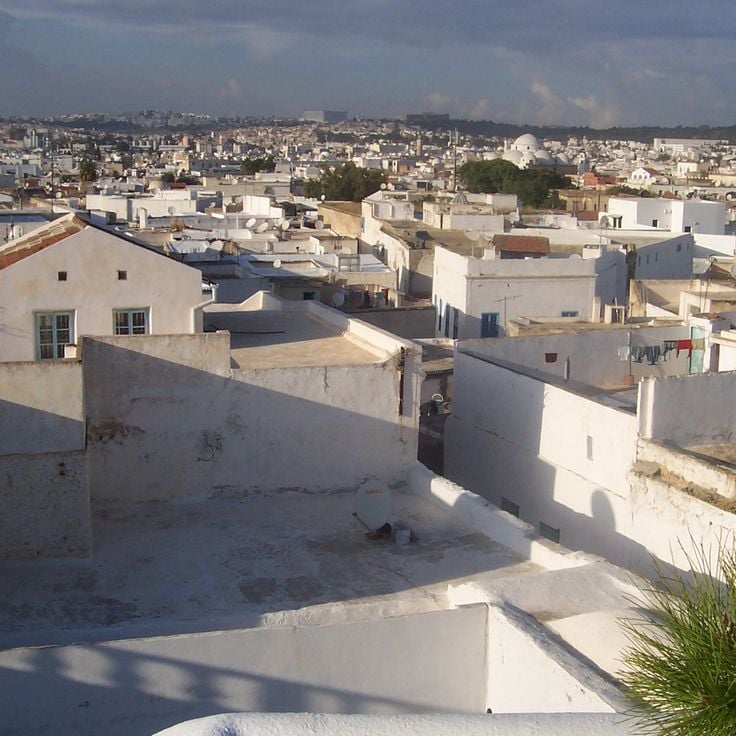
The Medina of Tunis is a traditional district dating from the 7th century and forms the heart of this sightseeing tour through the city. With its ramparts, over 700 monuments, and a network of shopping streets, the Medina of Tunis shows how people have lived and worked here for more than a thousand years. Narrow lanes lead past ancient mosques and palaces, while vendors in the souks still sell spices, textiles, and crafts just as they have for generations.
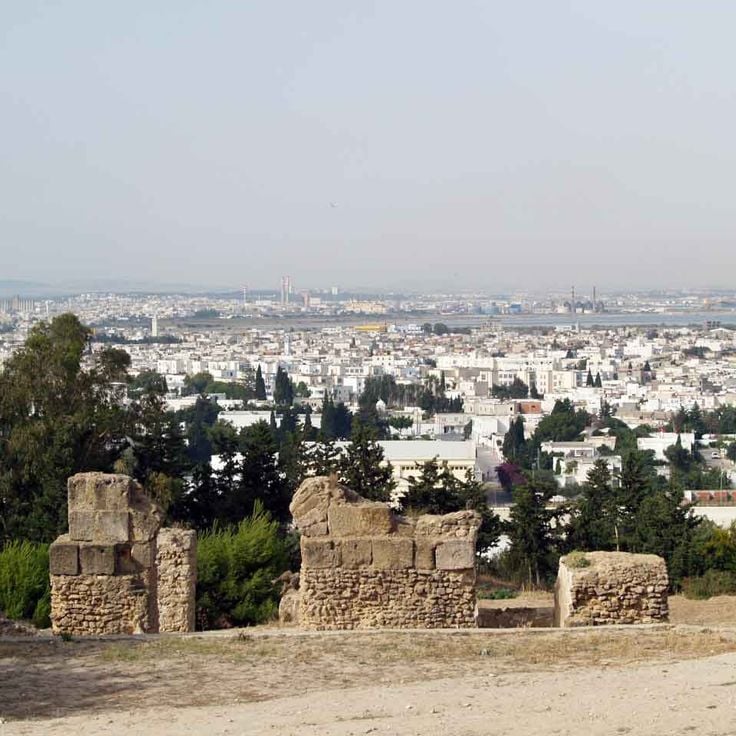
Carthage forms a central part of this journey through Tunis, showing you where one of history's greatest powers once ruled. The ruins here reveal how the Phoenicians built a trading empire, and how the Romans later transformed the city into a provincial capital. Walking through Carthage, you see the remains of public baths, harbors, theaters, and defensive walls that span over three thousand years. These structures sit on hillsides overlooking the sea, reminding you of the city's former importance as a center of trade and military strength. This is where you can touch the physical evidence of civilizations that shaped the Mediterranean world.
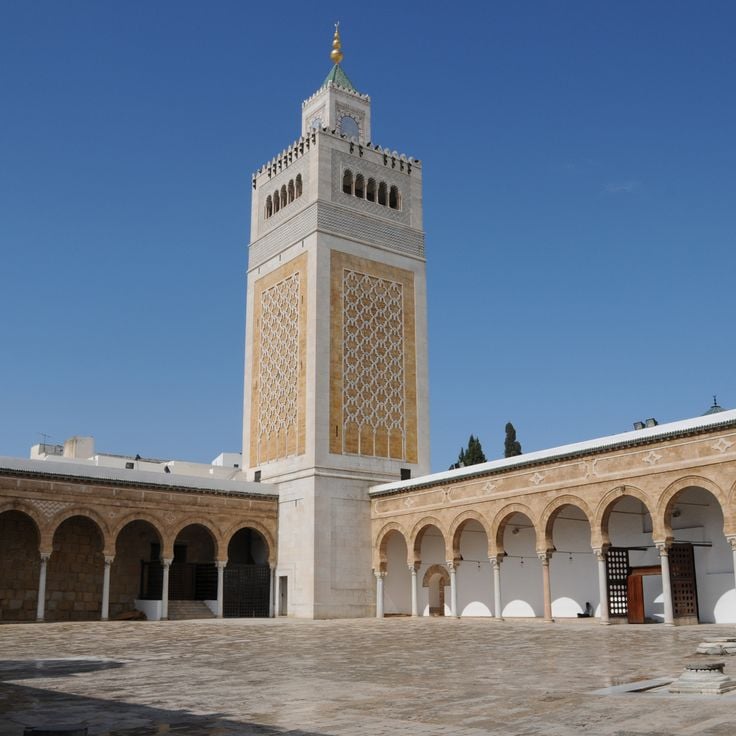
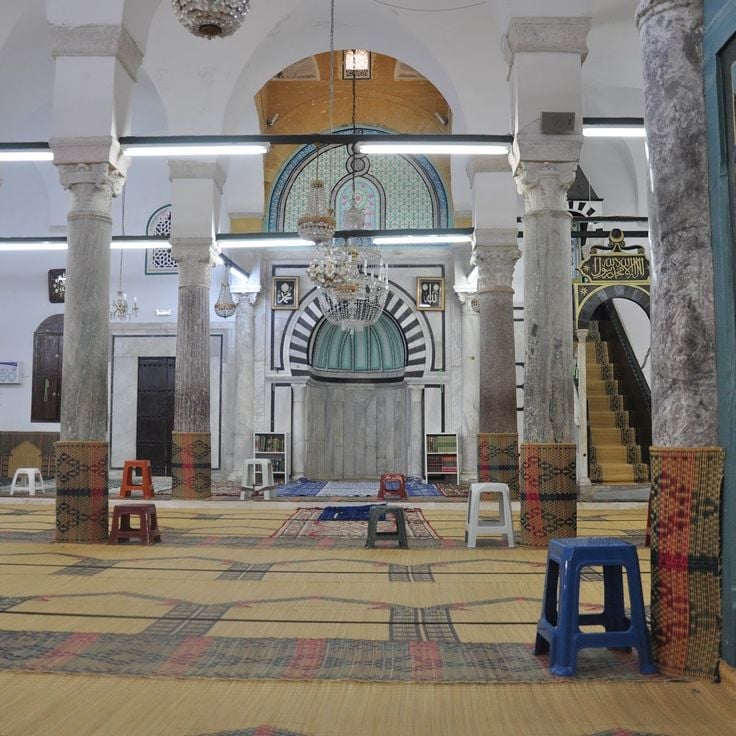
The Zitouna Mosque in this sightseeing tour of Tunis is a religious monument founded in 732, featuring a prayer hall with 70 ancient columns and a courtyard surrounded by galleries. It stands at the heart of the medina and reflects the Islamic history of the capital.
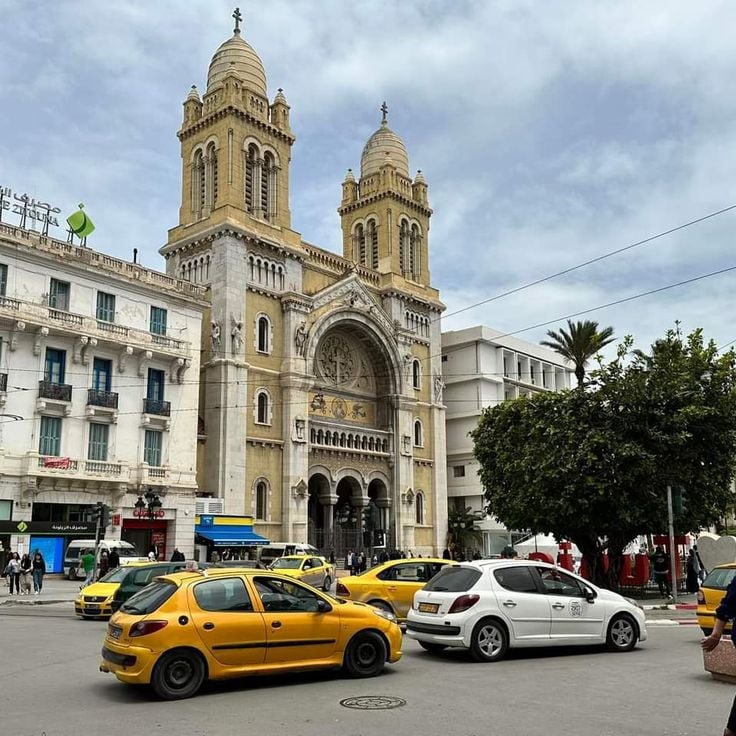
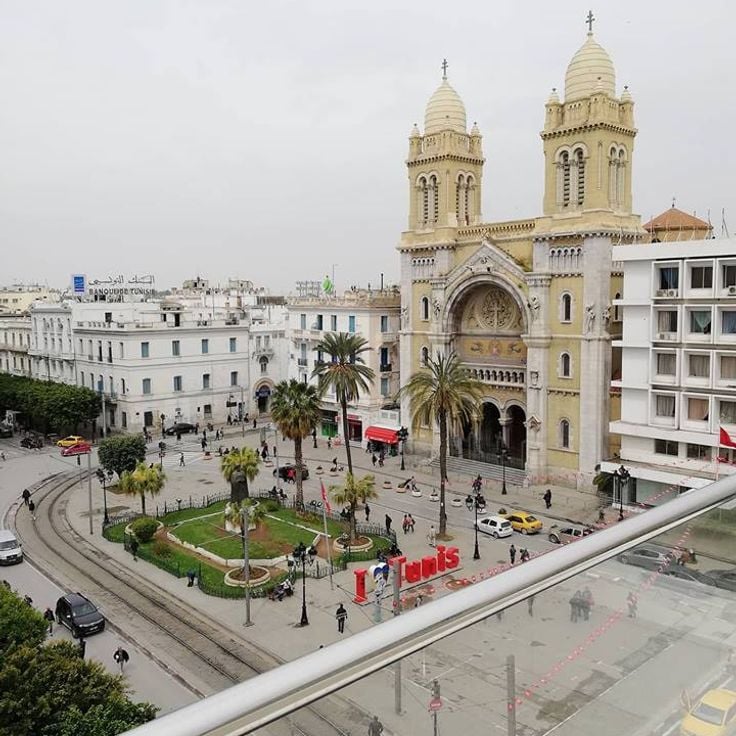
The Saint Vincent de Paul Cathedral stands in central Tunis and shows how European architecture shaped the city during the French colonial period. Built between 1893 and 1897, it blends Romanesque forms with local influences. Two bell towers rise 45 meters high and are visible from many parts of the city. Inside you'll find high ceilings, stone walls, and stained glass windows that cast colored light throughout the space. The cathedral tells the story of a time when Tunis was expanding rapidly and new buildings were transforming the area around the old medina.
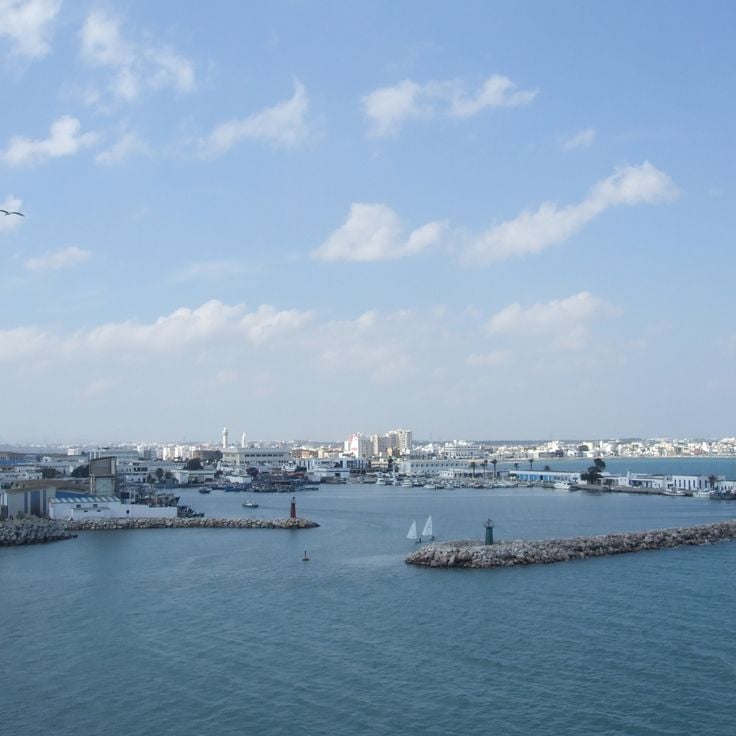
La Goulette was once a fortress and trading hub that shaped Tunis. Today it remains the working heart of Tunisia's maritime life and a key stop in this journey through a city shaped by Phoenicians, Romans, Ottomans, and the people who live here now. Walking through this port, you see fishing boats, cargo ships, and the daily rhythms of a place that has connected Tunisia to the world for centuries.
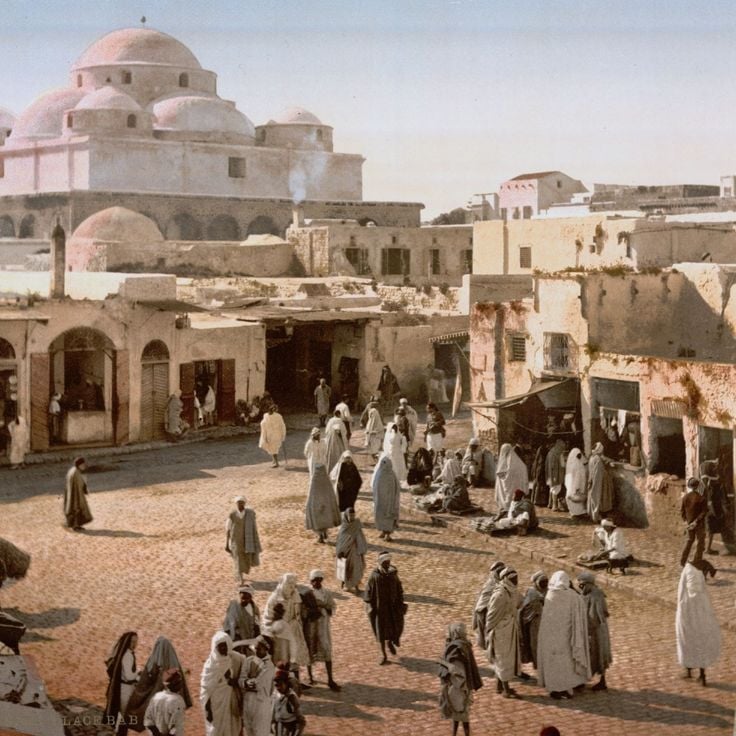
Sidi Mahrez Mosque is an Ottoman religious building from the 17th century located in the medina of Tunis. It features a large central dome with eight smaller domes surrounding it, showcasing the religious architecture that shaped the city. Walking through this part of Tunis allows you to experience the layers of history that define this capital, where thousands of years of cultures have left their mark on the streets and buildings.
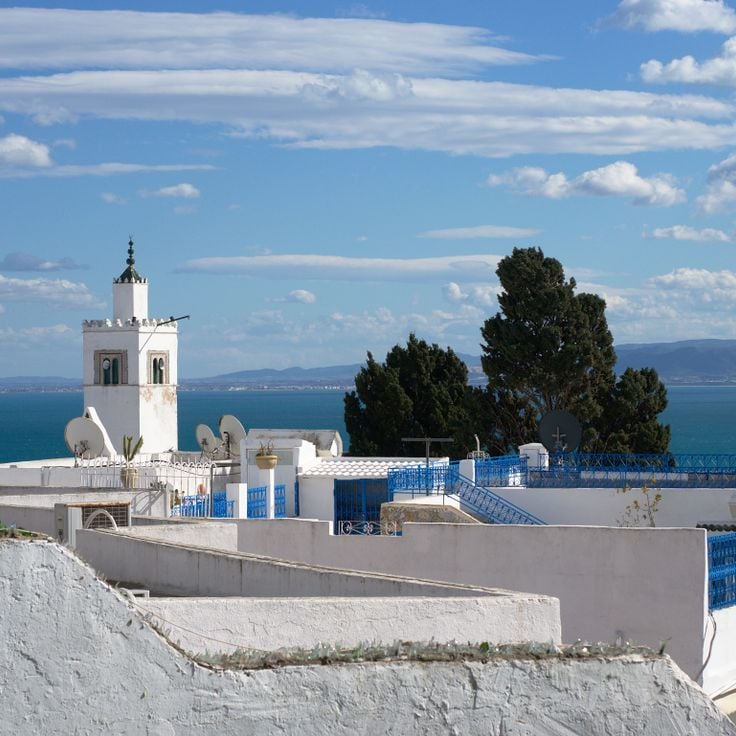
This village is part of the sightseeing tour of Tunis and sits on a hilltop overlooking the capital. Sidi Bou Saïd stands out immediately with its white-painted houses and blue doors, which reflect traditional Tunisian building styles. Narrow streets wind between the homes, and from the heights you can see across to the sea and Tunis bay below. The village remains a living place where people work and maintain old crafts, and visitors walk through streets that feel removed from modern times.
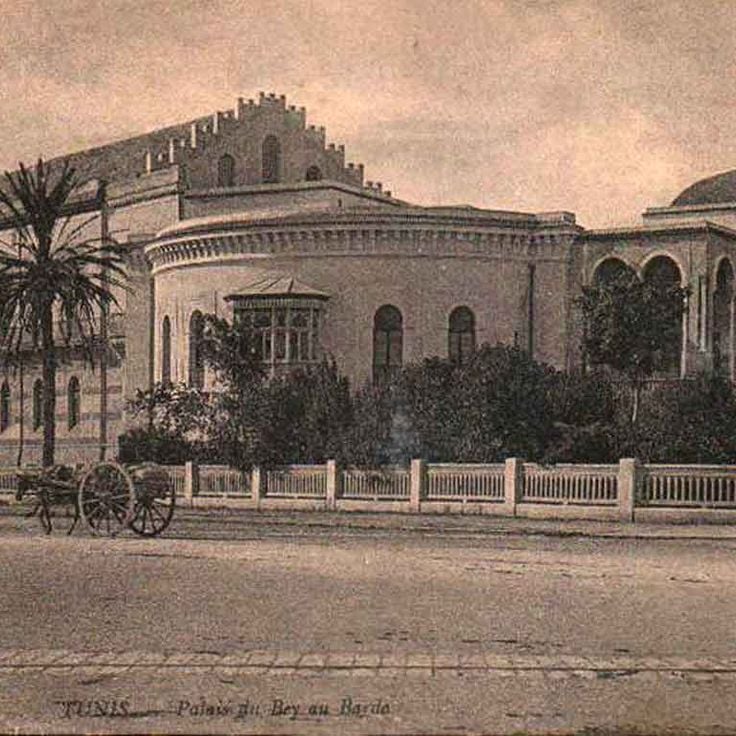
The National Bardo Museum in Tunis is housed in a former 19th-century beylical palace that was converted into a museum in 1888. It holds the world's largest collection of Roman mosaics, offering a direct window into how people lived two thousand years ago. Walking through the galleries, you see intricate mosaics depicting daily scenes, religious subjects, and decorative patterns that reveal the skill and imagination of ancient craftspeople. The building itself tells a story, having transformed from a seat of power into a place where visitors can connect with the Roman past that shaped this region.
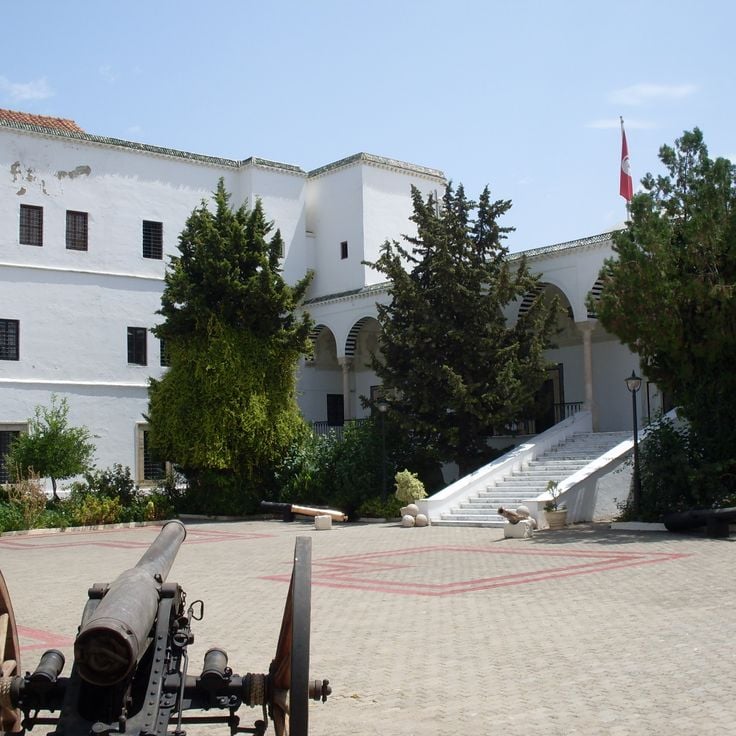
The National Military Museum in Tunis is housed in the Rose Palace, built in 1793, and displays uniforms, weapons, and documents from the Tunisian army across different periods. As part of your journey through this city's layered history, this museum offers insight into the military forces that shaped Tunisia and protected its people through centuries of change and foreign rule.
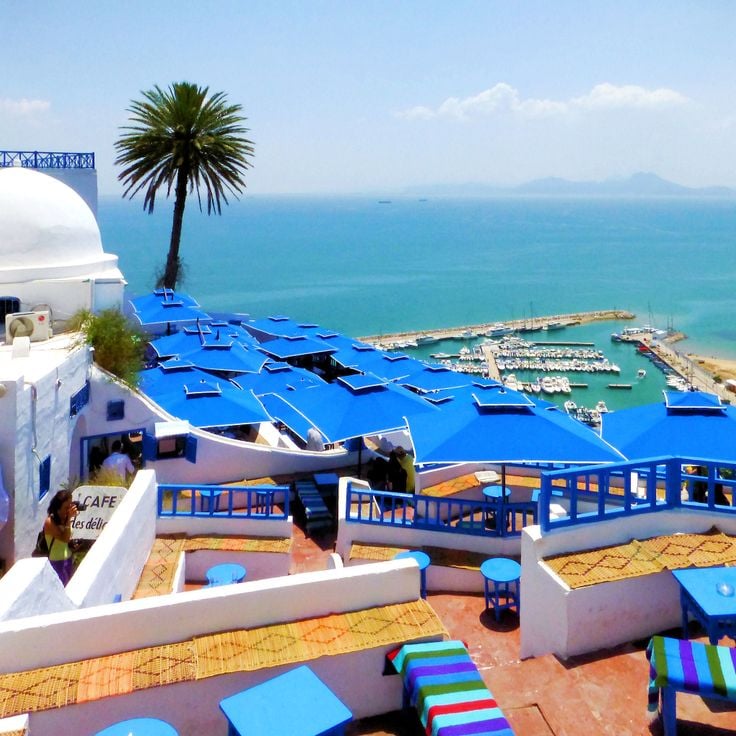
This historic café in Tunis sits on elevated ground with an outdoor terrace that overlooks the Mediterranean Sea and the port of La Goulette. It fits naturally into the story of a city shaped by thousands of years of trade and connection. This is the kind of place where you can sit, watch the water, and feel the presence of all the merchants, sailors, and travelers who have passed through this port over the centuries.
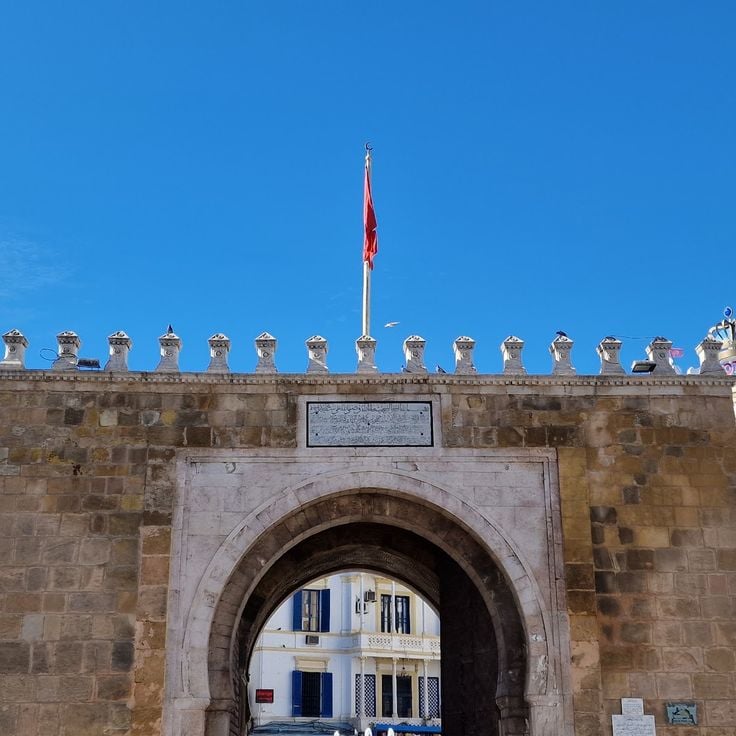
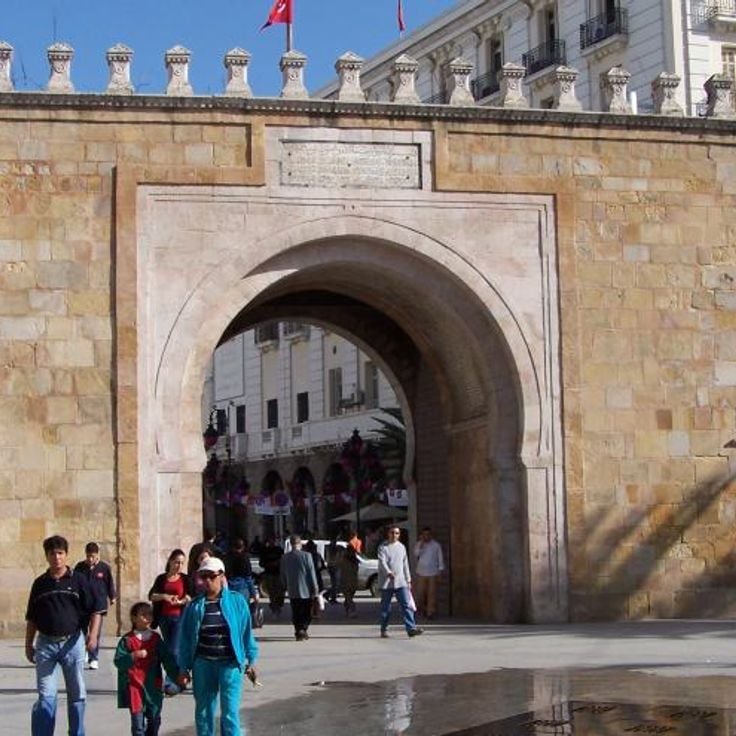
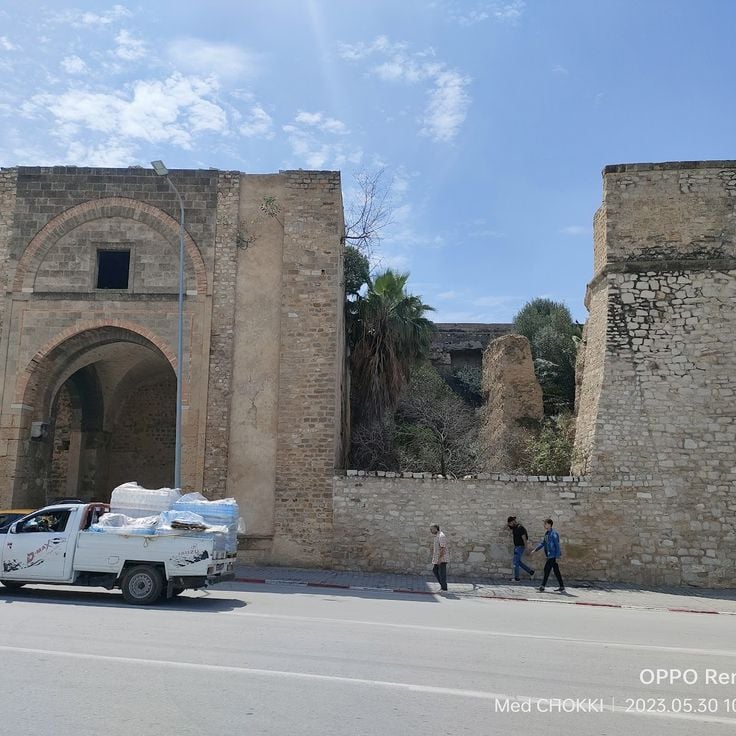
This gate in Tunis was built in 1848 under the reign of Ahmed Bey and forms a vaulted passageway connecting the colonial city with the medina. It marks the boundary between two distinct parts of the city and shows how Tunis transformed in the 19th century. The gate links the modern Avenue Habib Bourguiba with the narrow streets of the old city, serving as a threshold where people moving between these two sides of Tunis would pass through.
Rue de la Kasbah is a shopping street in Tunis's medina that connects the Zitouna Mosque to the Kasbah district. This street brings together the medina's working rhythm, where craft shops display their goods and cafés offer a place to rest. You can watch local shoppers and artisans as they go about their day, and see the kinds of items people have bought and sold here for centuries.
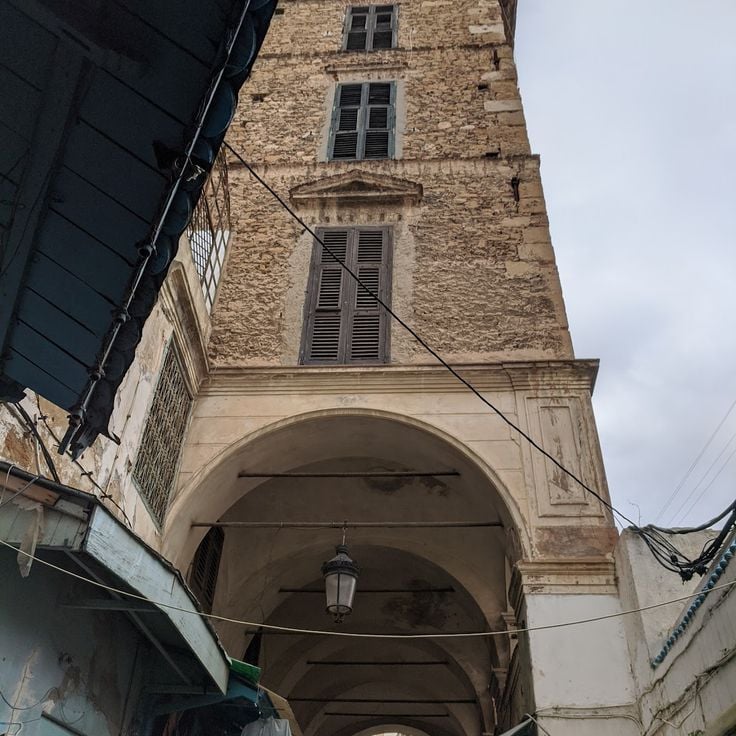
The Rue Jamaa-Ez-Zitouna is the main commercial street running through Tunis's medina and shows how the city has functioned for centuries. This medieval street is lined with craft shops and traditional stores where vendors and craftspeople work and sell their goods daily. Here you see how everyday life unfolds in this historic city—people shopping, artisans working, and the street moving with the same rhythm it has had for generations.
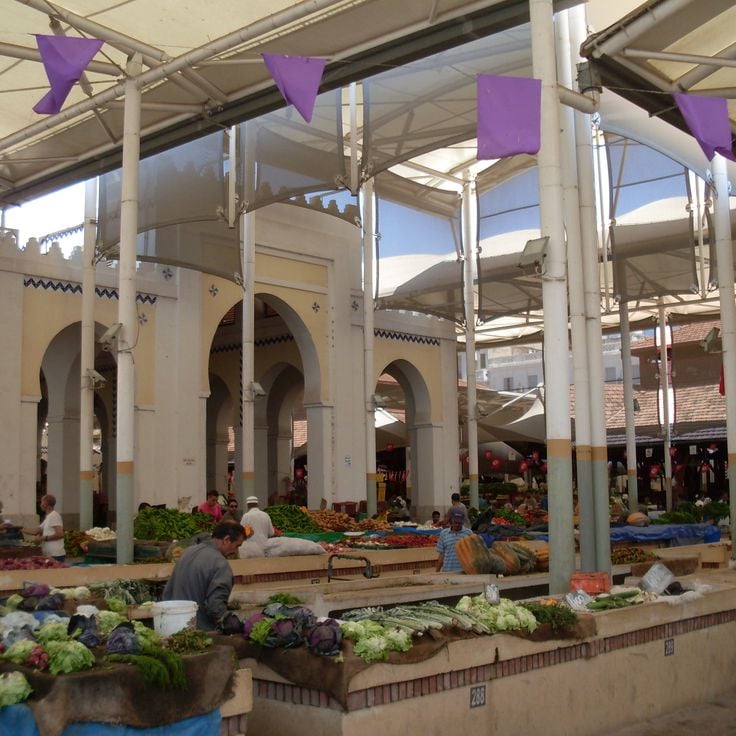
The Central Market of Tunis is an essential stop on this sightseeing tour of the city. Built in 1891, this covered market brings together vendors of local fresh produce with sections dedicated to fish, meats, fruits, vegetables, and spices. Here you can see how daily commerce flows through the heart of the capital.
Independence Square sits at the heart of Tunis, marking the meeting point between the modern city and the ancient medina. The Cathedral of Saint Vincent de Paul stands nearby, watching over this important gathering place. Here, locals and visitors pass through to experience the junction of old and new, where the pulse of the city can be felt at ground level.
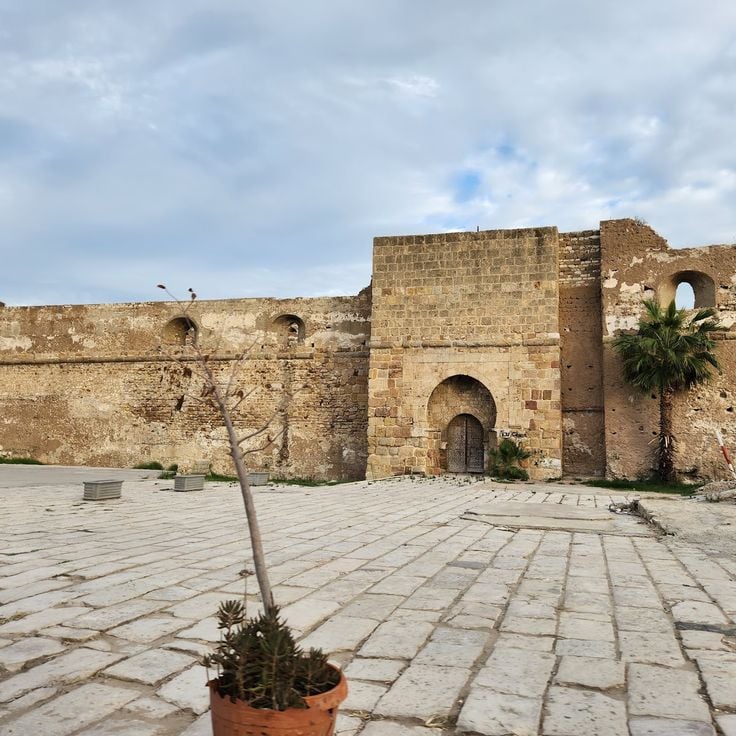
The Fortress of La Goulette is a military structure built in the 16th century under the reign of Charles V to protect the port and maritime access to Tunis. This fortification was central to the city's defense and commerce, serving as a key stronghold during a pivotal period in Tunisian history. On this sightseeing tour of Tunis City, you can explore the fortress and see how it shaped the development of this important Mediterranean port.
Dar El Jaziri is a traditional 18th-century house in Tunis that shows how people lived in this historic city. Inside, you'll find workshops where local craftspeople still weave fabrics and make pottery, just as their families have done for generations. This house is part of the sightseeing tour through Tunis, which takes you through thousands of years of history—from the narrow lanes of the ancient medina to the grand ruins of Carthage.
The Tunis Nippon Garden offers a quieter counterpoint to the historical layers that define this city. This Japanese-style garden spreads across a generous space and features a koi carp lake, paved walking paths, and ornamental plants chosen for their visual appeal. While the medina draws visitors into centuries of narrow lanes and bustling trade, and the Bardo Museum displays ancient mosaics, this garden provides a place to step back and experience a different rhythm.
The Hammam Sidi Sahbi is a traditional public bathhouse for women built in the 17th century in Tunis and is part of this sightseeing tour through the city's long history. With its steam rooms and hot water pools, this bathhouse shows how people in Tunis have practiced daily hygiene and social connection for centuries. Located in the heart of the medina, the Hammam Sidi Sahbi reflects the Ottoman culture that shaped the city.
The Bab el Bahr is a monumental gate built in 1848 that marks the entrance to the medina of Tunis. It separates the historic district from Avenue Habib Bourguiba. This gate served an important function in the city's development and acts as a striking marker where visitors transition from the modern city into the narrow lanes and ancient structures of the medina. The gate reflects the architectural style of an era when Tunis was shaped by Arab and Ottoman influences.
The Hassan Zmerli Cultural Center was originally a Catholic church, Notre Dame du Rosaire, built in 1896. Within this sightseeing tour of Tunis, this building demonstrates the diverse religious and architectural layers of the city. The church stands as evidence of the colonial period, when different cultures and faiths coexisted in the city. Today, the center serves cultural purposes and allows visitors to understand the complex history of Tunis through its buildings.
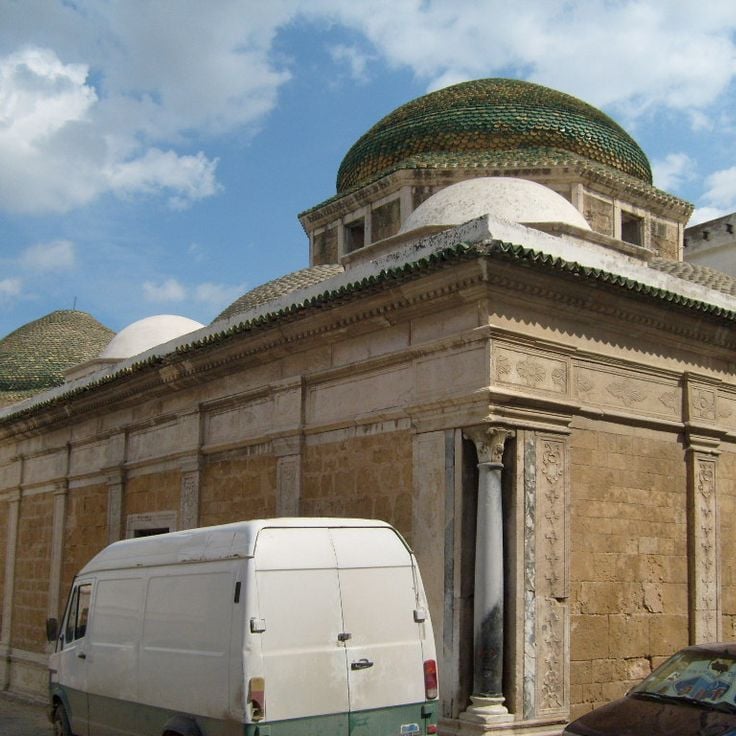
The Tourbet El Bey is a mausoleum built by Ali Bey II for the rulers of the Husseinid dynasty. This building stands in the heart of Tunis's medina and shows the power and wealth this family held in the city. The architecture and decoration of the mausoleum offer insights into Ottoman culture and the local traditions that shaped Tunis over centuries.
Dar Othman Dey is a 16th-century residence that once belonged to the dey of Tunis and now serves as the seat of medina conservation. Located in the heart of the old city, it shows how rulers lived in that era. The house preserves the craftsmanship and architecture of its time. It stands as part of Tunis's story, shaped by the many cultures that have defined the city across centuries.
The Medersa Al Soulaimania is a Koranic school built in 1754 during the reign of Ali I Pasha. It served as a place of learning and spiritual instruction, with rooms for prayer and quarters where students lived while studying. This school shows the importance of religious education in Tunis and reflects the Ottoman influence that shaped the city's religious and educational institutions.
The Al Khaldounia is a school in Tunis founded in 1896 that marked a turning point in Tunisian education. It introduced modern sciences into the curriculum and taught mathematics, geography, and languages. This institution was part of how Tunis developed as a city that bridges tradition and progress, helping you understand how the capital shaped the lives of its people across generations.
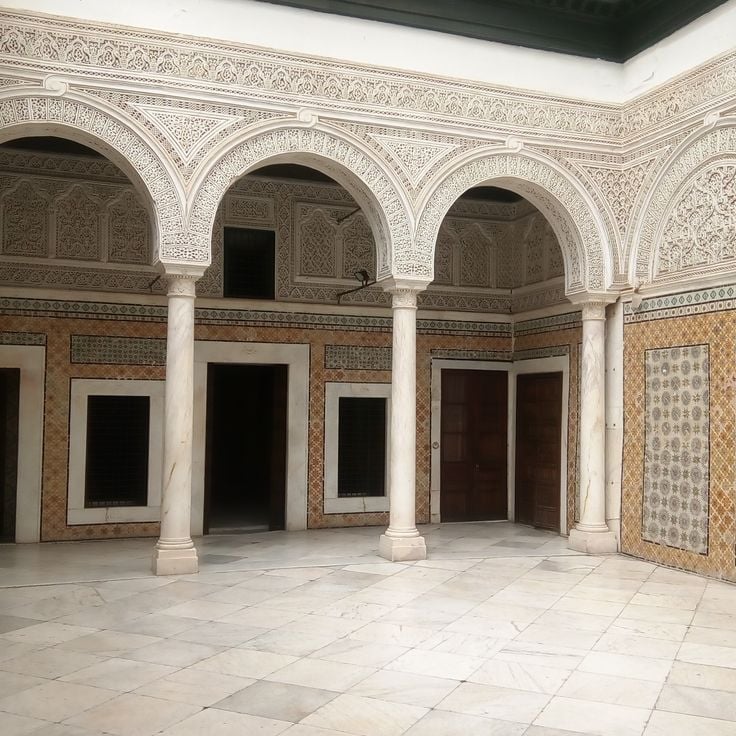
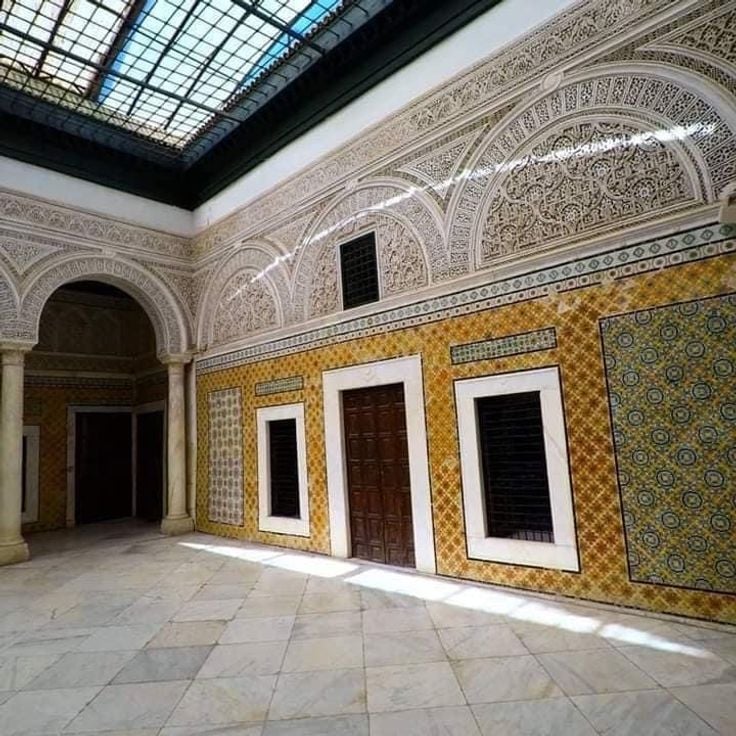
Dar Hussein is an 18th-century palace that showcases traditional Tunisian architecture and design. It now serves as the headquarters and collections space for the National Heritage Institute, offering visitors a glimpse into how affluent families lived in Tunis. The palace's courtyards, decorated rooms, and crafted details reveal the way people built and decorated their homes during this period.
The Sidi Ben Arous Mausoleum is a zaouia built in 1437 in Tunis and features a square dome with ornate stucco decorations. The building was designated as a protected historical site in 1928 and offers insight into the religious architecture that shaped the city's past.
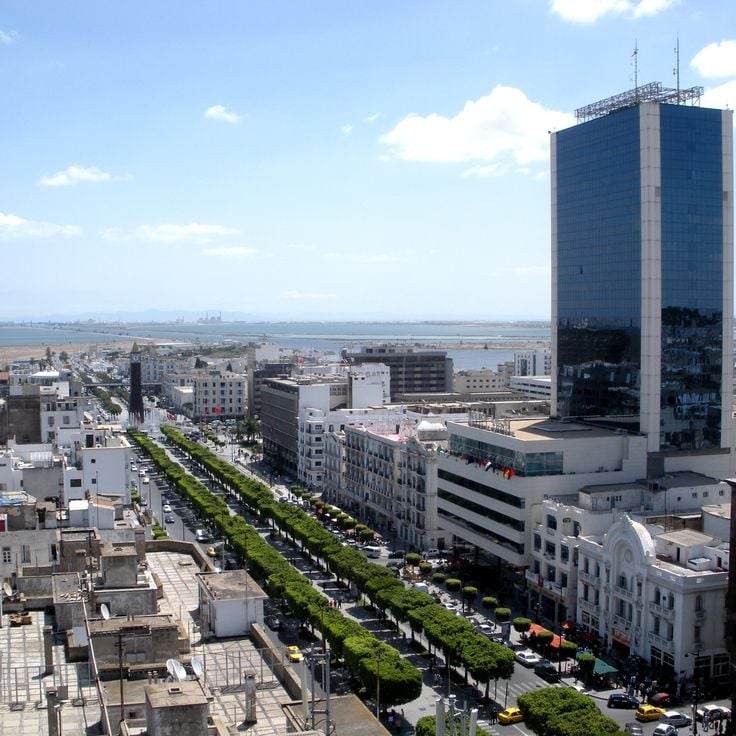
This avenue is the heart of modern Tunis and shows how the city developed during colonial times. Avenue Habib Bourguiba stretches out with wide paths and old trees, lined with buildings from the 19th century that still stand. You'll find cafés and shops here, where people gather, shop, and spend their days. The architecture tells of a period when European influence shaped the city, and remains an important part of Tunis's history alongside the medina and Carthage.
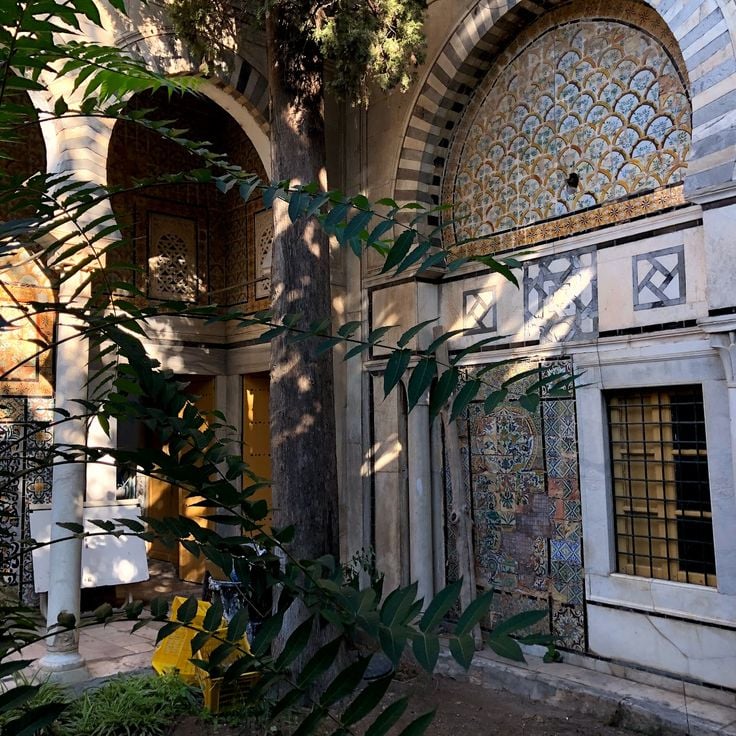
Dar Lasram is a 19th-century palace in Tunis that shows how noble families lived during that era. This residence features a courtyard in the center, a design common to Tunisian homes of the period, and displays ceramic decorations that reflect the region's craftsmanship. Walking through its rooms gives you a sense of daily life among the wealthy families who shaped the city's history.
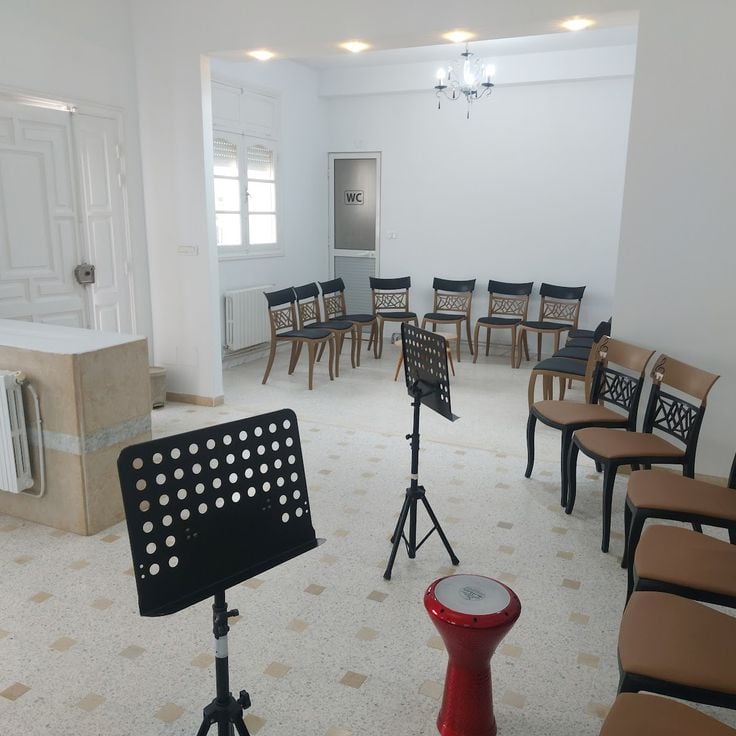
Club Taher Hadad is a former stable building in Tunis that now serves as a cultural center, adding to the city's rich artistic offerings. The space features a performance hall and exhibition galleries where local artists display their work and perform. This converted building shows how Tunis blends its architectural past with contemporary cultural life.
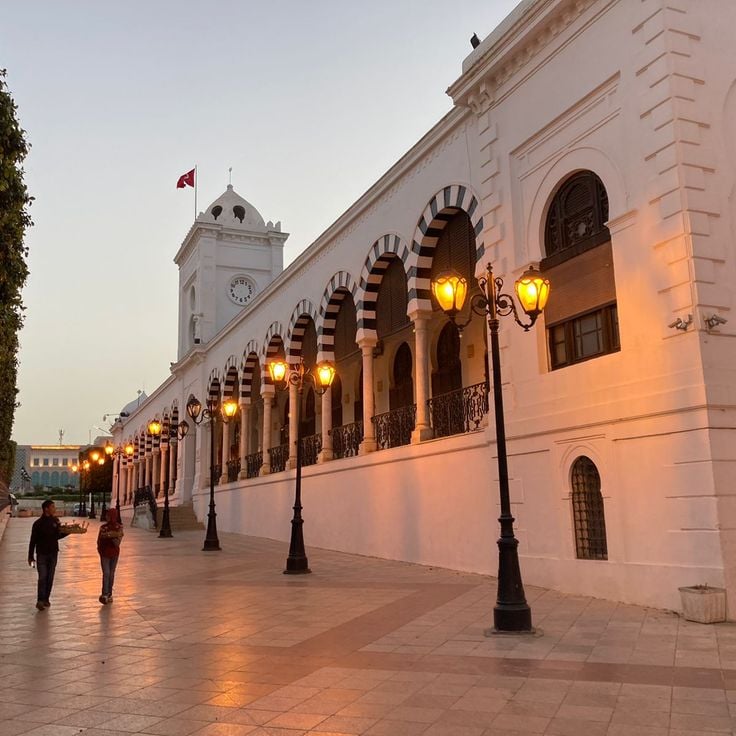
The Place de la Kasbah is a historic square that marks the boundary between the medina and modern Tunis. Government buildings, including the Prime Minister's office, frame this important public space. Located at the western entrance to the medina, this square reflects how the city has evolved from its ancient roots into a contemporary capital while maintaining its connection to the past.
The Sidi Youssef Mosque represents the Ottoman heritage that shaped Tunis through its thousand-year history. This 17th-century building features a square minaret and a central dome, characteristic of the period when Ottoman architecture transformed the city. Inside, the prayer hall showcases marble columns that reflect the craftsmanship of earlier generations. Visiting this mosque offers insight into how the capital has been shaped by different peoples and cultures over time.
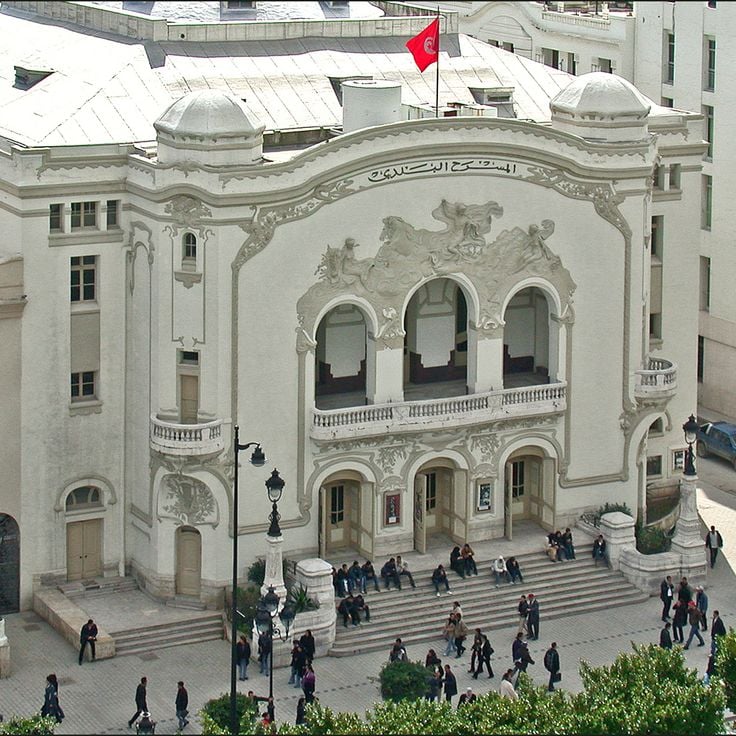
The Municipal Theatre of Tunis was built in 1902 according to designs by architect Jean-Émile Resplandy, featuring a neoclassical façade with decorative elements and columns. Located on the vibrant Avenue Habib Bourguiba, this building represents the colonial architecture that shaped the city over recent centuries. The theatre reflects the cultural prosperity Tunis experienced during French rule and continues to serve as a center for performances and cultural events in the capital today.
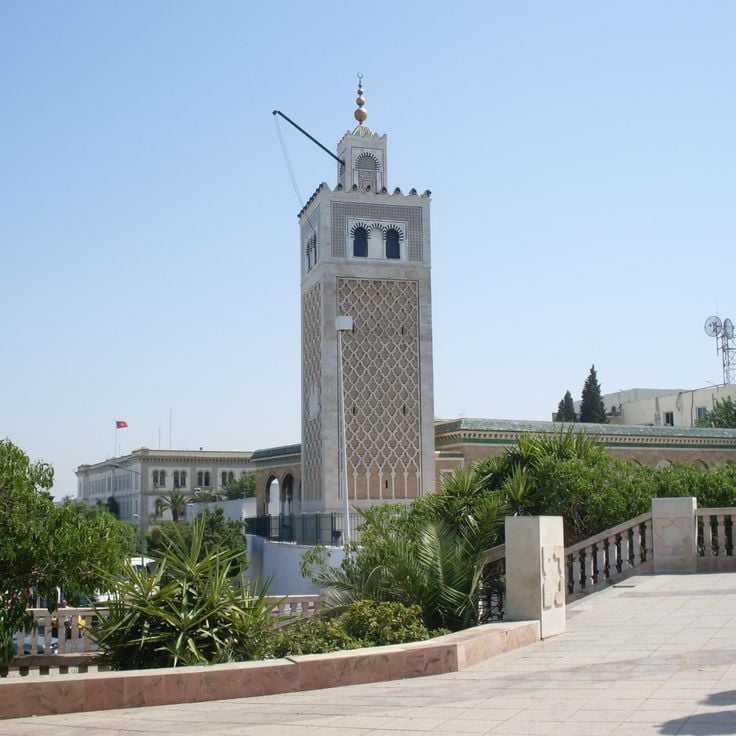
The Mosque of the Kasbah sits at the heart of this journey through Tunis, revealing the religious architecture that shaped the city over centuries. Built in the 13th century under the Hafsid dynasty, this building showcases the craftsmanship of its era. Inside, you'll see ancient columns and a mihrab—the prayer niche—decorated with ceramic tiles. This mosque speaks to a time when Tunis thrived under Islamic rule and became an important center of faith and culture.
The Medina of Tunis is a traditional district dating from the 7th century and forms the heart of this sightseeing tour through the city. With its ramparts, over 700 monuments, and a network of shopping streets, the Medina of Tunis shows how people have lived and worked here for more than a thousand years. Narrow lanes lead past ancient mosques and palaces, while vendors in the souks still sell spices, textiles, and crafts just as they have for generations.
Carthage forms a central part of this journey through Tunis, showing you where one of history's greatest powers once ruled. The ruins here reveal how the Phoenicians built a trading empire, and how the Romans later transformed the city into a provincial capital. Walking through Carthage, you see the remains of public baths, harbors, theaters, and defensive walls that span over three thousand years. These structures sit on hillsides overlooking the sea, reminding you of the city's former importance as a center of trade and military strength. This is where you can touch the physical evidence of civilizations that shaped the Mediterranean world.
The Zitouna Mosque in this sightseeing tour of Tunis is a religious monument founded in 732, featuring a prayer hall with 70 ancient columns and a courtyard surrounded by galleries. It stands at the heart of the medina and reflects the Islamic history of the capital.
The Saint Vincent de Paul Cathedral stands in central Tunis and shows how European architecture shaped the city during the French colonial period. Built between 1893 and 1897, it blends Romanesque forms with local influences. Two bell towers rise 45 meters high and are visible from many parts of the city. Inside you'll find high ceilings, stone walls, and stained glass windows that cast colored light throughout the space. The cathedral tells the story of a time when Tunis was expanding rapidly and new buildings were transforming the area around the old medina.
La Goulette was once a fortress and trading hub that shaped Tunis. Today it remains the working heart of Tunisia's maritime life and a key stop in this journey through a city shaped by Phoenicians, Romans, Ottomans, and the people who live here now. Walking through this port, you see fishing boats, cargo ships, and the daily rhythms of a place that has connected Tunisia to the world for centuries.
Sidi Mahrez Mosque is an Ottoman religious building from the 17th century located in the medina of Tunis. It features a large central dome with eight smaller domes surrounding it, showcasing the religious architecture that shaped the city. Walking through this part of Tunis allows you to experience the layers of history that define this capital, where thousands of years of cultures have left their mark on the streets and buildings.
This village is part of the sightseeing tour of Tunis and sits on a hilltop overlooking the capital. Sidi Bou Saïd stands out immediately with its white-painted houses and blue doors, which reflect traditional Tunisian building styles. Narrow streets wind between the homes, and from the heights you can see across to the sea and Tunis bay below. The village remains a living place where people work and maintain old crafts, and visitors walk through streets that feel removed from modern times.
The National Bardo Museum in Tunis is housed in a former 19th-century beylical palace that was converted into a museum in 1888. It holds the world's largest collection of Roman mosaics, offering a direct window into how people lived two thousand years ago. Walking through the galleries, you see intricate mosaics depicting daily scenes, religious subjects, and decorative patterns that reveal the skill and imagination of ancient craftspeople. The building itself tells a story, having transformed from a seat of power into a place where visitors can connect with the Roman past that shaped this region.
The National Military Museum in Tunis is housed in the Rose Palace, built in 1793, and displays uniforms, weapons, and documents from the Tunisian army across different periods. As part of your journey through this city's layered history, this museum offers insight into the military forces that shaped Tunisia and protected its people through centuries of change and foreign rule.
This historic café in Tunis sits on elevated ground with an outdoor terrace that overlooks the Mediterranean Sea and the port of La Goulette. It fits naturally into the story of a city shaped by thousands of years of trade and connection. This is the kind of place where you can sit, watch the water, and feel the presence of all the merchants, sailors, and travelers who have passed through this port over the centuries.
This gate in Tunis was built in 1848 under the reign of Ahmed Bey and forms a vaulted passageway connecting the colonial city with the medina. It marks the boundary between two distinct parts of the city and shows how Tunis transformed in the 19th century. The gate links the modern Avenue Habib Bourguiba with the narrow streets of the old city, serving as a threshold where people moving between these two sides of Tunis would pass through.
Rue de la Kasbah is a shopping street in Tunis's medina that connects the Zitouna Mosque to the Kasbah district. This street brings together the medina's working rhythm, where craft shops display their goods and cafés offer a place to rest. You can watch local shoppers and artisans as they go about their day, and see the kinds of items people have bought and sold here for centuries.
The Rue Jamaa-Ez-Zitouna is the main commercial street running through Tunis's medina and shows how the city has functioned for centuries. This medieval street is lined with craft shops and traditional stores where vendors and craftspeople work and sell their goods daily. Here you see how everyday life unfolds in this historic city—people shopping, artisans working, and the street moving with the same rhythm it has had for generations.
The Central Market of Tunis is an essential stop on this sightseeing tour of the city. Built in 1891, this covered market brings together vendors of local fresh produce with sections dedicated to fish, meats, fruits, vegetables, and spices. Here you can see how daily commerce flows through the heart of the capital.
Independence Square sits at the heart of Tunis, marking the meeting point between the modern city and the ancient medina. The Cathedral of Saint Vincent de Paul stands nearby, watching over this important gathering place. Here, locals and visitors pass through to experience the junction of old and new, where the pulse of the city can be felt at ground level.
The Fortress of La Goulette is a military structure built in the 16th century under the reign of Charles V to protect the port and maritime access to Tunis. This fortification was central to the city's defense and commerce, serving as a key stronghold during a pivotal period in Tunisian history. On this sightseeing tour of Tunis City, you can explore the fortress and see how it shaped the development of this important Mediterranean port.
Dar El Jaziri is a traditional 18th-century house in Tunis that shows how people lived in this historic city. Inside, you'll find workshops where local craftspeople still weave fabrics and make pottery, just as their families have done for generations. This house is part of the sightseeing tour through Tunis, which takes you through thousands of years of history—from the narrow lanes of the ancient medina to the grand ruins of Carthage.
The Tunis Nippon Garden offers a quieter counterpoint to the historical layers that define this city. This Japanese-style garden spreads across a generous space and features a koi carp lake, paved walking paths, and ornamental plants chosen for their visual appeal. While the medina draws visitors into centuries of narrow lanes and bustling trade, and the Bardo Museum displays ancient mosaics, this garden provides a place to step back and experience a different rhythm.
The Hammam Sidi Sahbi is a traditional public bathhouse for women built in the 17th century in Tunis and is part of this sightseeing tour through the city's long history. With its steam rooms and hot water pools, this bathhouse shows how people in Tunis have practiced daily hygiene and social connection for centuries. Located in the heart of the medina, the Hammam Sidi Sahbi reflects the Ottoman culture that shaped the city.
The Bab el Bahr is a monumental gate built in 1848 that marks the entrance to the medina of Tunis. It separates the historic district from Avenue Habib Bourguiba. This gate served an important function in the city's development and acts as a striking marker where visitors transition from the modern city into the narrow lanes and ancient structures of the medina. The gate reflects the architectural style of an era when Tunis was shaped by Arab and Ottoman influences.
The Hassan Zmerli Cultural Center was originally a Catholic church, Notre Dame du Rosaire, built in 1896. Within this sightseeing tour of Tunis, this building demonstrates the diverse religious and architectural layers of the city. The church stands as evidence of the colonial period, when different cultures and faiths coexisted in the city. Today, the center serves cultural purposes and allows visitors to understand the complex history of Tunis through its buildings.
The Tourbet El Bey is a mausoleum built by Ali Bey II for the rulers of the Husseinid dynasty. This building stands in the heart of Tunis's medina and shows the power and wealth this family held in the city. The architecture and decoration of the mausoleum offer insights into Ottoman culture and the local traditions that shaped Tunis over centuries.
Dar Othman Dey is a 16th-century residence that once belonged to the dey of Tunis and now serves as the seat of medina conservation. Located in the heart of the old city, it shows how rulers lived in that era. The house preserves the craftsmanship and architecture of its time. It stands as part of Tunis's story, shaped by the many cultures that have defined the city across centuries.
The Medersa Al Soulaimania is a Koranic school built in 1754 during the reign of Ali I Pasha. It served as a place of learning and spiritual instruction, with rooms for prayer and quarters where students lived while studying. This school shows the importance of religious education in Tunis and reflects the Ottoman influence that shaped the city's religious and educational institutions.
The Al Khaldounia is a school in Tunis founded in 1896 that marked a turning point in Tunisian education. It introduced modern sciences into the curriculum and taught mathematics, geography, and languages. This institution was part of how Tunis developed as a city that bridges tradition and progress, helping you understand how the capital shaped the lives of its people across generations.
Dar Hussein is an 18th-century palace that showcases traditional Tunisian architecture and design. It now serves as the headquarters and collections space for the National Heritage Institute, offering visitors a glimpse into how affluent families lived in Tunis. The palace's courtyards, decorated rooms, and crafted details reveal the way people built and decorated their homes during this period.
The Sidi Ben Arous Mausoleum is a zaouia built in 1437 in Tunis and features a square dome with ornate stucco decorations. The building was designated as a protected historical site in 1928 and offers insight into the religious architecture that shaped the city's past.
This avenue is the heart of modern Tunis and shows how the city developed during colonial times. Avenue Habib Bourguiba stretches out with wide paths and old trees, lined with buildings from the 19th century that still stand. You'll find cafés and shops here, where people gather, shop, and spend their days. The architecture tells of a period when European influence shaped the city, and remains an important part of Tunis's history alongside the medina and Carthage.
Dar Lasram is a 19th-century palace in Tunis that shows how noble families lived during that era. This residence features a courtyard in the center, a design common to Tunisian homes of the period, and displays ceramic decorations that reflect the region's craftsmanship. Walking through its rooms gives you a sense of daily life among the wealthy families who shaped the city's history.
Club Taher Hadad is a former stable building in Tunis that now serves as a cultural center, adding to the city's rich artistic offerings. The space features a performance hall and exhibition galleries where local artists display their work and perform. This converted building shows how Tunis blends its architectural past with contemporary cultural life.
The Place de la Kasbah is a historic square that marks the boundary between the medina and modern Tunis. Government buildings, including the Prime Minister's office, frame this important public space. Located at the western entrance to the medina, this square reflects how the city has evolved from its ancient roots into a contemporary capital while maintaining its connection to the past.
The Sidi Youssef Mosque represents the Ottoman heritage that shaped Tunis through its thousand-year history. This 17th-century building features a square minaret and a central dome, characteristic of the period when Ottoman architecture transformed the city. Inside, the prayer hall showcases marble columns that reflect the craftsmanship of earlier generations. Visiting this mosque offers insight into how the capital has been shaped by different peoples and cultures over time.
The Municipal Theatre of Tunis was built in 1902 according to designs by architect Jean-Émile Resplandy, featuring a neoclassical façade with decorative elements and columns. Located on the vibrant Avenue Habib Bourguiba, this building represents the colonial architecture that shaped the city over recent centuries. The theatre reflects the cultural prosperity Tunis experienced during French rule and continues to serve as a center for performances and cultural events in the capital today.
The Mosque of the Kasbah sits at the heart of this journey through Tunis, revealing the religious architecture that shaped the city over centuries. Built in the 13th century under the Hafsid dynasty, this building showcases the craftsmanship of its era. Inside, you'll see ancient columns and a mihrab—the prayer niche—decorated with ceramic tiles. This mosque speaks to a time when Tunis thrived under Islamic rule and became an important center of faith and culture.
The Medina of Tunis is a traditional district dating from the 7th century and forms the heart of this sightseeing tour through the city. With its ramparts, over 700 monuments, and a network of shopping streets, the Medina of Tunis shows how people have lived and worked here for more than a thousand years. Narrow lanes lead past ancient mosques and palaces, while vendors in the souks still sell spices, textiles, and crafts just as they have for generations.
Carthage forms a central part of this journey through Tunis, showing you where one of history's greatest powers once ruled. The ruins here reveal how the Phoenicians built a trading empire, and how the Romans later transformed the city into a provincial capital. Walking through Carthage, you see the remains of public baths, harbors, theaters, and defensive walls that span over three thousand years. These structures sit on hillsides overlooking the sea, reminding you of the city's former importance as a center of trade and military strength. This is where you can touch the physical evidence of civilizations that shaped the Mediterranean world.
The Zitouna Mosque in this sightseeing tour of Tunis is a religious monument founded in 732, featuring a prayer hall with 70 ancient columns and a courtyard surrounded by galleries. It stands at the heart of the medina and reflects the Islamic history of the capital.
The Saint Vincent de Paul Cathedral stands in central Tunis and shows how European architecture shaped the city during the French colonial period. Built between 1893 and 1897, it blends Romanesque forms with local influences. Two bell towers rise 45 meters high and are visible from many parts of the city. Inside you'll find high ceilings, stone walls, and stained glass windows that cast colored light throughout the space. The cathedral tells the story of a time when Tunis was expanding rapidly and new buildings were transforming the area around the old medina.
La Goulette was once a fortress and trading hub that shaped Tunis. Today it remains the working heart of Tunisia's maritime life and a key stop in this journey through a city shaped by Phoenicians, Romans, Ottomans, and the people who live here now. Walking through this port, you see fishing boats, cargo ships, and the daily rhythms of a place that has connected Tunisia to the world for centuries.
Sidi Mahrez Mosque is an Ottoman religious building from the 17th century located in the medina of Tunis. It features a large central dome with eight smaller domes surrounding it, showcasing the religious architecture that shaped the city. Walking through this part of Tunis allows you to experience the layers of history that define this capital, where thousands of years of cultures have left their mark on the streets and buildings.
This village is part of the sightseeing tour of Tunis and sits on a hilltop overlooking the capital. Sidi Bou Saïd stands out immediately with its white-painted houses and blue doors, which reflect traditional Tunisian building styles. Narrow streets wind between the homes, and from the heights you can see across to the sea and Tunis bay below. The village remains a living place where people work and maintain old crafts, and visitors walk through streets that feel removed from modern times.
The National Bardo Museum in Tunis is housed in a former 19th-century beylical palace that was converted into a museum in 1888. It holds the world's largest collection of Roman mosaics, offering a direct window into how people lived two thousand years ago. Walking through the galleries, you see intricate mosaics depicting daily scenes, religious subjects, and decorative patterns that reveal the skill and imagination of ancient craftspeople. The building itself tells a story, having transformed from a seat of power into a place where visitors can connect with the Roman past that shaped this region.
The National Military Museum in Tunis is housed in the Rose Palace, built in 1793, and displays uniforms, weapons, and documents from the Tunisian army across different periods. As part of your journey through this city's layered history, this museum offers insight into the military forces that shaped Tunisia and protected its people through centuries of change and foreign rule.
This historic café in Tunis sits on elevated ground with an outdoor terrace that overlooks the Mediterranean Sea and the port of La Goulette. It fits naturally into the story of a city shaped by thousands of years of trade and connection. This is the kind of place where you can sit, watch the water, and feel the presence of all the merchants, sailors, and travelers who have passed through this port over the centuries.
This gate in Tunis was built in 1848 under the reign of Ahmed Bey and forms a vaulted passageway connecting the colonial city with the medina. It marks the boundary between two distinct parts of the city and shows how Tunis transformed in the 19th century. The gate links the modern Avenue Habib Bourguiba with the narrow streets of the old city, serving as a threshold where people moving between these two sides of Tunis would pass through.
Rue de la Kasbah is a shopping street in Tunis's medina that connects the Zitouna Mosque to the Kasbah district. This street brings together the medina's working rhythm, where craft shops display their goods and cafés offer a place to rest. You can watch local shoppers and artisans as they go about their day, and see the kinds of items people have bought and sold here for centuries.
The Rue Jamaa-Ez-Zitouna is the main commercial street running through Tunis's medina and shows how the city has functioned for centuries. This medieval street is lined with craft shops and traditional stores where vendors and craftspeople work and sell their goods daily. Here you see how everyday life unfolds in this historic city—people shopping, artisans working, and the street moving with the same rhythm it has had for generations.
The Central Market of Tunis is an essential stop on this sightseeing tour of the city. Built in 1891, this covered market brings together vendors of local fresh produce with sections dedicated to fish, meats, fruits, vegetables, and spices. Here you can see how daily commerce flows through the heart of the capital.
Independence Square sits at the heart of Tunis, marking the meeting point between the modern city and the ancient medina. The Cathedral of Saint Vincent de Paul stands nearby, watching over this important gathering place. Here, locals and visitors pass through to experience the junction of old and new, where the pulse of the city can be felt at ground level.
The Fortress of La Goulette is a military structure built in the 16th century under the reign of Charles V to protect the port and maritime access to Tunis. This fortification was central to the city's defense and commerce, serving as a key stronghold during a pivotal period in Tunisian history. On this sightseeing tour of Tunis City, you can explore the fortress and see how it shaped the development of this important Mediterranean port.
Dar El Jaziri is a traditional 18th-century house in Tunis that shows how people lived in this historic city. Inside, you'll find workshops where local craftspeople still weave fabrics and make pottery, just as their families have done for generations. This house is part of the sightseeing tour through Tunis, which takes you through thousands of years of history—from the narrow lanes of the ancient medina to the grand ruins of Carthage.
The Tunis Nippon Garden offers a quieter counterpoint to the historical layers that define this city. This Japanese-style garden spreads across a generous space and features a koi carp lake, paved walking paths, and ornamental plants chosen for their visual appeal. While the medina draws visitors into centuries of narrow lanes and bustling trade, and the Bardo Museum displays ancient mosaics, this garden provides a place to step back and experience a different rhythm.
The Hammam Sidi Sahbi is a traditional public bathhouse for women built in the 17th century in Tunis and is part of this sightseeing tour through the city's long history. With its steam rooms and hot water pools, this bathhouse shows how people in Tunis have practiced daily hygiene and social connection for centuries. Located in the heart of the medina, the Hammam Sidi Sahbi reflects the Ottoman culture that shaped the city.
The Bab el Bahr is a monumental gate built in 1848 that marks the entrance to the medina of Tunis. It separates the historic district from Avenue Habib Bourguiba. This gate served an important function in the city's development and acts as a striking marker where visitors transition from the modern city into the narrow lanes and ancient structures of the medina. The gate reflects the architectural style of an era when Tunis was shaped by Arab and Ottoman influences.
The Hassan Zmerli Cultural Center was originally a Catholic church, Notre Dame du Rosaire, built in 1896. Within this sightseeing tour of Tunis, this building demonstrates the diverse religious and architectural layers of the city. The church stands as evidence of the colonial period, when different cultures and faiths coexisted in the city. Today, the center serves cultural purposes and allows visitors to understand the complex history of Tunis through its buildings.
The Tourbet El Bey is a mausoleum built by Ali Bey II for the rulers of the Husseinid dynasty. This building stands in the heart of Tunis's medina and shows the power and wealth this family held in the city. The architecture and decoration of the mausoleum offer insights into Ottoman culture and the local traditions that shaped Tunis over centuries.
Dar Othman Dey is a 16th-century residence that once belonged to the dey of Tunis and now serves as the seat of medina conservation. Located in the heart of the old city, it shows how rulers lived in that era. The house preserves the craftsmanship and architecture of its time. It stands as part of Tunis's story, shaped by the many cultures that have defined the city across centuries.
The Medersa Al Soulaimania is a Koranic school built in 1754 during the reign of Ali I Pasha. It served as a place of learning and spiritual instruction, with rooms for prayer and quarters where students lived while studying. This school shows the importance of religious education in Tunis and reflects the Ottoman influence that shaped the city's religious and educational institutions.
The Al Khaldounia is a school in Tunis founded in 1896 that marked a turning point in Tunisian education. It introduced modern sciences into the curriculum and taught mathematics, geography, and languages. This institution was part of how Tunis developed as a city that bridges tradition and progress, helping you understand how the capital shaped the lives of its people across generations.
Dar Hussein is an 18th-century palace that showcases traditional Tunisian architecture and design. It now serves as the headquarters and collections space for the National Heritage Institute, offering visitors a glimpse into how affluent families lived in Tunis. The palace's courtyards, decorated rooms, and crafted details reveal the way people built and decorated their homes during this period.
The Sidi Ben Arous Mausoleum is a zaouia built in 1437 in Tunis and features a square dome with ornate stucco decorations. The building was designated as a protected historical site in 1928 and offers insight into the religious architecture that shaped the city's past.
This avenue is the heart of modern Tunis and shows how the city developed during colonial times. Avenue Habib Bourguiba stretches out with wide paths and old trees, lined with buildings from the 19th century that still stand. You'll find cafés and shops here, where people gather, shop, and spend their days. The architecture tells of a period when European influence shaped the city, and remains an important part of Tunis's history alongside the medina and Carthage.
Dar Lasram is a 19th-century palace in Tunis that shows how noble families lived during that era. This residence features a courtyard in the center, a design common to Tunisian homes of the period, and displays ceramic decorations that reflect the region's craftsmanship. Walking through its rooms gives you a sense of daily life among the wealthy families who shaped the city's history.
Club Taher Hadad is a former stable building in Tunis that now serves as a cultural center, adding to the city's rich artistic offerings. The space features a performance hall and exhibition galleries where local artists display their work and perform. This converted building shows how Tunis blends its architectural past with contemporary cultural life.
The Place de la Kasbah is a historic square that marks the boundary between the medina and modern Tunis. Government buildings, including the Prime Minister's office, frame this important public space. Located at the western entrance to the medina, this square reflects how the city has evolved from its ancient roots into a contemporary capital while maintaining its connection to the past.
The Sidi Youssef Mosque represents the Ottoman heritage that shaped Tunis through its thousand-year history. This 17th-century building features a square minaret and a central dome, characteristic of the period when Ottoman architecture transformed the city. Inside, the prayer hall showcases marble columns that reflect the craftsmanship of earlier generations. Visiting this mosque offers insight into how the capital has been shaped by different peoples and cultures over time.
The Municipal Theatre of Tunis was built in 1902 according to designs by architect Jean-Émile Resplandy, featuring a neoclassical façade with decorative elements and columns. Located on the vibrant Avenue Habib Bourguiba, this building represents the colonial architecture that shaped the city over recent centuries. The theatre reflects the cultural prosperity Tunis experienced during French rule and continues to serve as a center for performances and cultural events in the capital today.
The Mosque of the Kasbah sits at the heart of this journey through Tunis, revealing the religious architecture that shaped the city over centuries. Built in the 13th century under the Hafsid dynasty, this building showcases the craftsmanship of its era. Inside, you'll see ancient columns and a mihrab—the prayer niche—decorated with ceramic tiles. This mosque speaks to a time when Tunis thrived under Islamic rule and became an important center of faith and culture.