Carthage, Archaeological site in Tunis, Tunisia
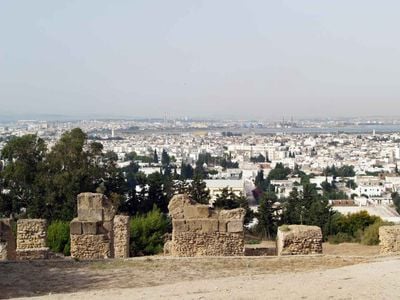
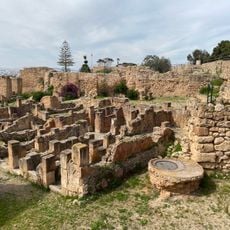
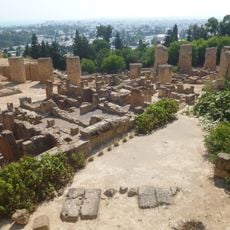
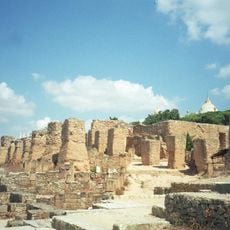
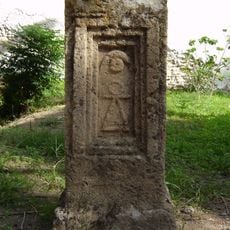
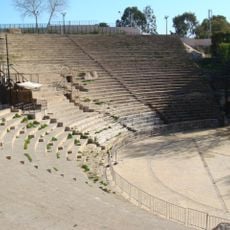
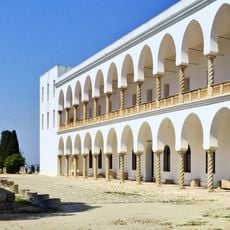
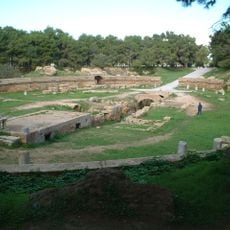
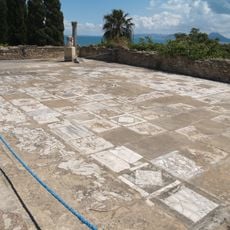
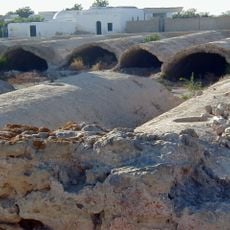
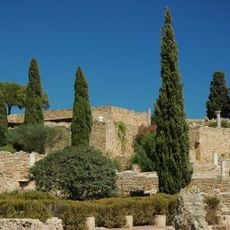
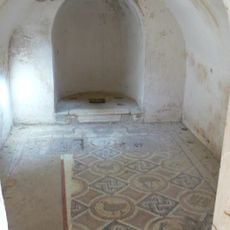
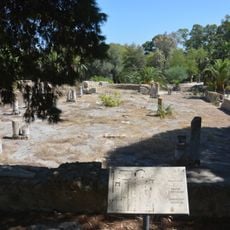
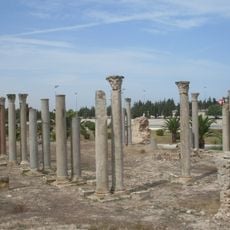
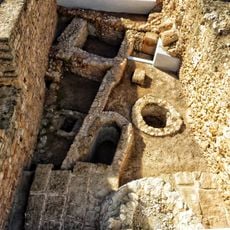
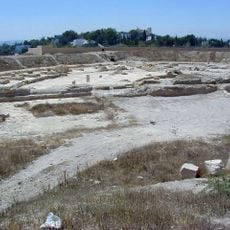
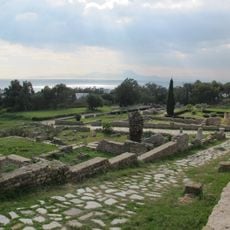
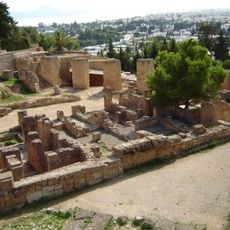
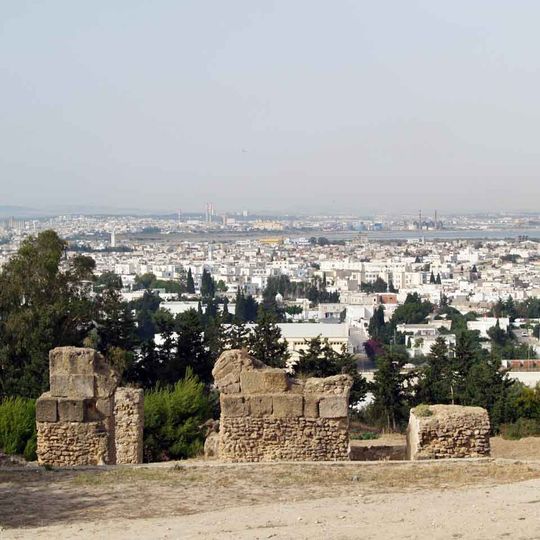
Carthage is an archaeological site near Tunis featuring remains scattered across multiple excavation areas. Roman villas, thermal baths, theaters, and harbor structures stand among the ruins along the Mediterranean coast.
The city was founded by Phoenicians in the 9th century BC and developed into a major seafaring empire. After its destruction by Romans in 146 BC, it was rebuilt and became an important Roman administrative center in North Africa.
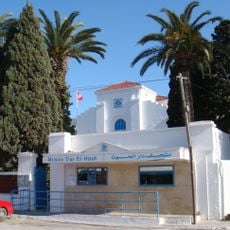
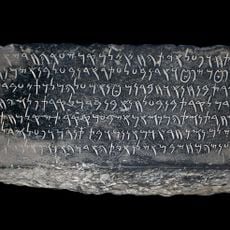
The national museum displays Punic and Roman artifacts, including mosaics, sculptures, and everyday objects from the ancient city. These pieces reveal the trading connections and artistic traditions that shaped life in this historic region.
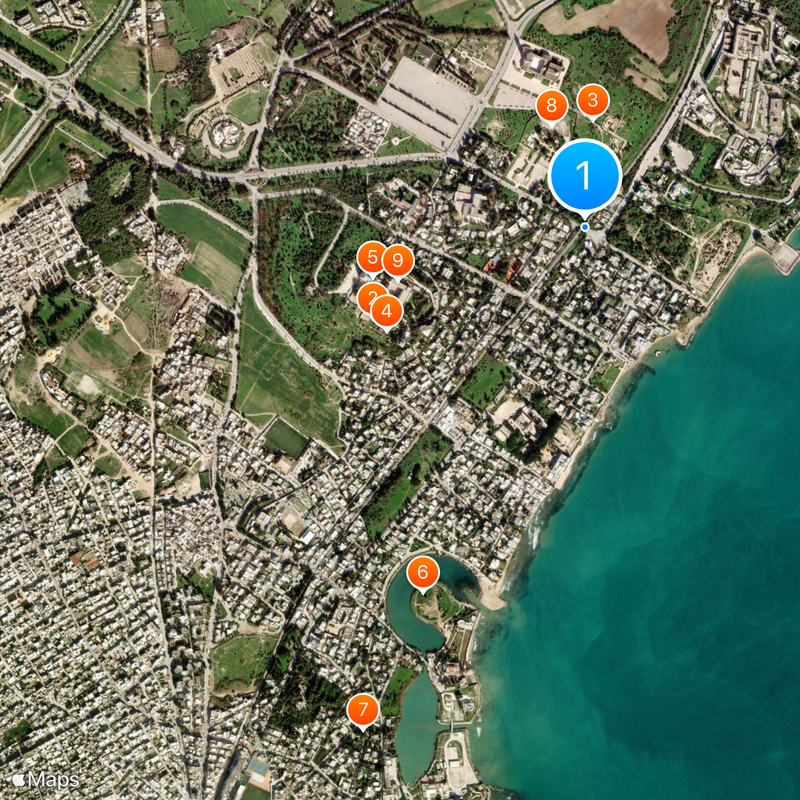
The archaeological areas are walkable but require sturdy footwear and sun protection, as excavation sites are exposed and the ground is uneven. A combined ticket provides access to multiple locations, making planning your visit straightforward.
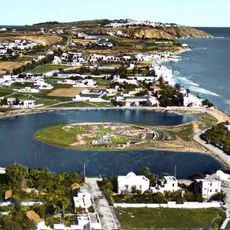
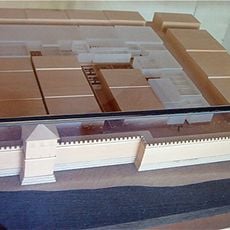
The ancient artificial military harbor retains its circular shape, demonstrating the advanced engineering skills of Carthaginian naval architects from the 2nd century BC. This harbor design was a technical achievement of its era, allowing warships to maneuver with precision.
The community of curious travelers
AroundUs brings together thousands of curated places, local tips, and hidden gems, enriched daily by 91,316 contributors worldwide.