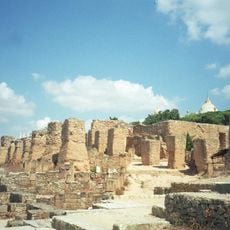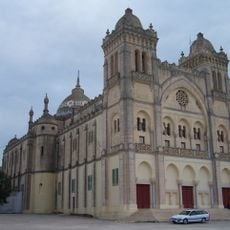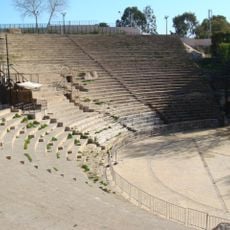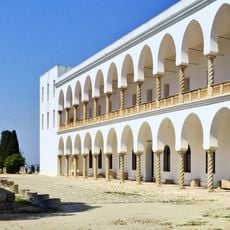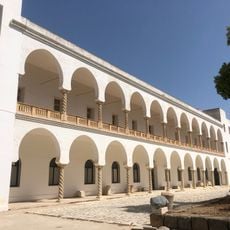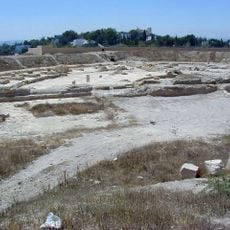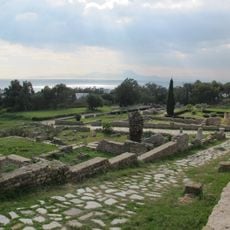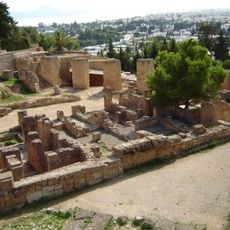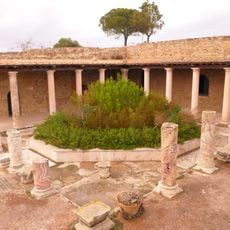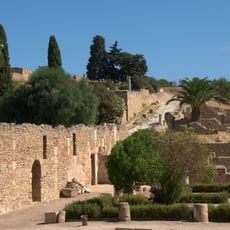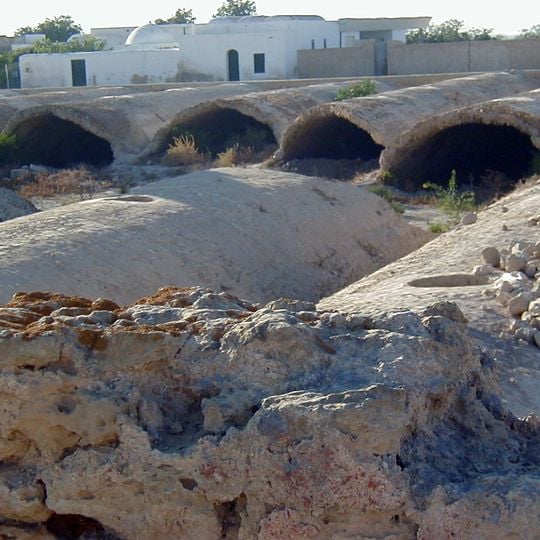
Cisterns of La Malga, Roman water storage complex in Carthage, Tunisia
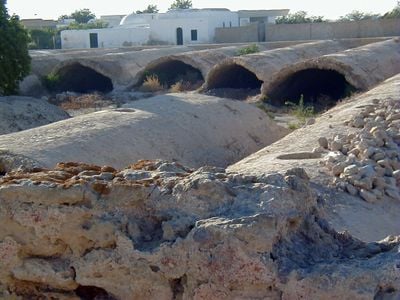
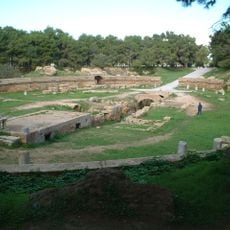
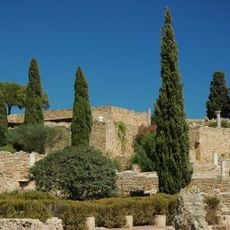
The Cisterns of La Malga consist of 16 vaulted tanks that form the largest water reservoir the Roman Empire ever built. Underground pipes connected this complex to the Antonine Baths and throughout the ancient city to deliver water where it was needed.
These tanks were built to receive water from the Zaghouan Aqueduct, which transported water across a long distance from Mount Zaghouan. This system connected a mountain water source directly to the city's infrastructure for everyday use.
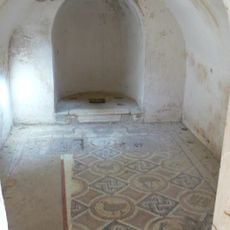
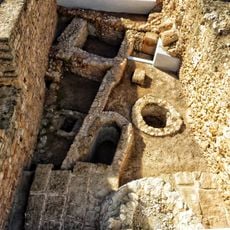
Local residents repurposed these underground chambers as homes, stables, and storage areas from medieval times through the 1900s. This adaptive use shows how subsequent generations wove Roman structures into their daily lives.
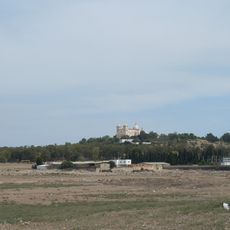
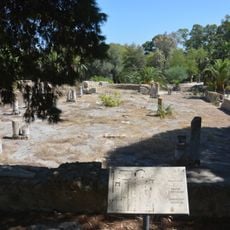
The site features open-air sections with underground structures you can enter to see the ancient construction methods. Bring sturdy shoes and be prepared for uneven ground and narrow passages as you walk through the remains.
What makes this reservoir remarkable is the sheer scale of its engineering, built without any modern machinery or tools. The Romans achieved this feat using only hand labor and knowledge of hydraulics passed down through generations.
The community of curious travelers
AroundUs brings together thousands of curated places, local tips, and hidden gems, enriched daily by 60,000 contributors worldwide.