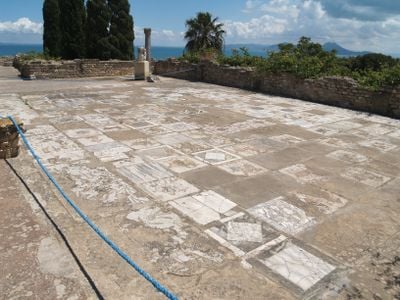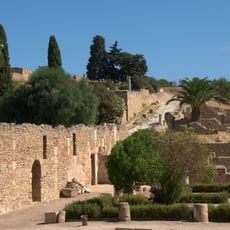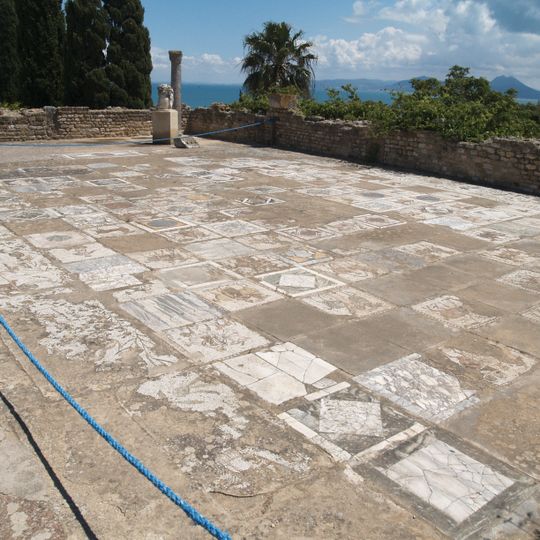
Horses' mosaïc of Carthage, Roman mosaic in Carthage, Tunisia
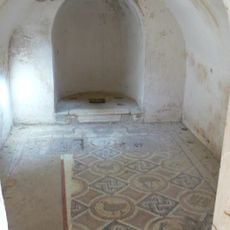
The Horses mosaic of Carthage is a Roman artwork showing multiple horses arranged in a racing scene with impressive craftsmanship and colored stones. The arrangement and movement of the horses create a sense of motion and competition across the decorated surface.
The mosaic was created in the 3rd century CE when Carthage existed under Roman rule, years after the city had been rebuilt following earlier conflicts. This period marked a time of Roman cultural flourishing in the ancient city.
The mosaic depicts horses in motion during circus games, showing how much horse racing mattered to Romans for entertainment and social life. These racing scenes reflected what people valued and enjoyed in their everyday celebrations.
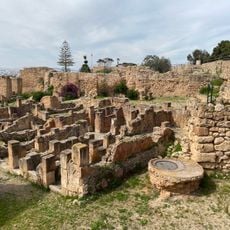
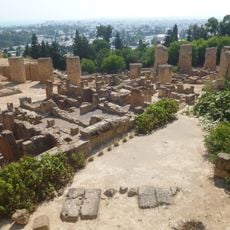
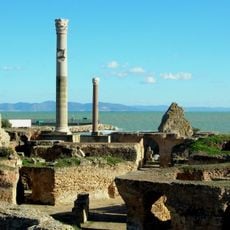
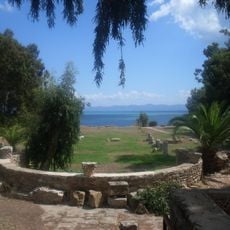
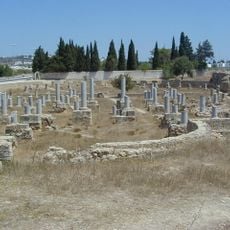
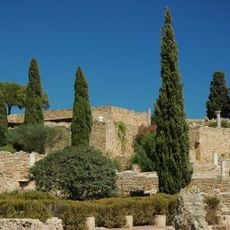
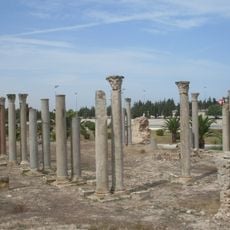
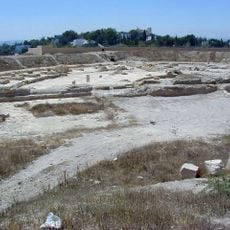
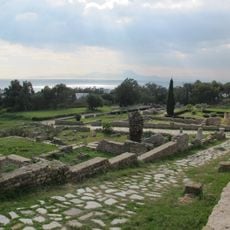
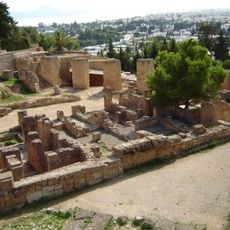
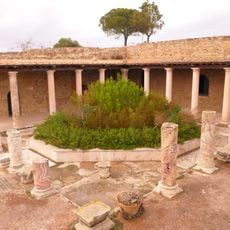
The mosaic is located within Carthage's archaeological site and can be visited throughout the year. Guided tours regularly depart from central Tunis to take visitors to the site and through the ancient remains.
The artisans used different materials including marble and glass tesserae to bring depth and color to the scene. This combination of materials makes the work distinct because it goes beyond simple stone, using carefully chosen elements for visual effect.
The community of curious travelers
AroundUs brings together thousands of curated places, local tips, and hidden gems, enriched daily by 60,000 contributors worldwide.